
Reviewed · TILE PAINTING WORKSHOPS
Walking Tour – History of Tiles in Porto
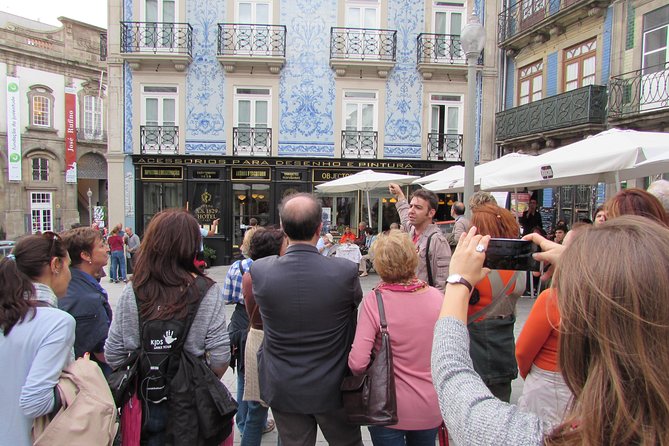
Porto’s tiles are history on your route. This 2 hours 45 minutes walking tour through the UNESCO-listed center helps you see azulejos for what they are, craft plus story, starting at the Fonte dos Leões outside Igreja do Carmo. You go in a small group (max 10), which makes it easier to ask questions and spot details up close.
I love that the walk includes major, tile-rich landmarks, especially the mosaics inside São Bento Station and the church facade at Igreja do Carmo. One consideration: the stop times are short, so you get a lot of variety, but you may not get long lingering time at each site.
In This Review
- Key highlights that make this tile walk worth your time
- Why Porto tiles feel personal once you learn what to look for
- Start at Igreja do Carmo and let the Fonte dos Leões set the mood
- São Bento Station, Jorge Colaço, and history told in tile
- Museu da Cidade do Porto: tying tile craft to Porto’s civic identity
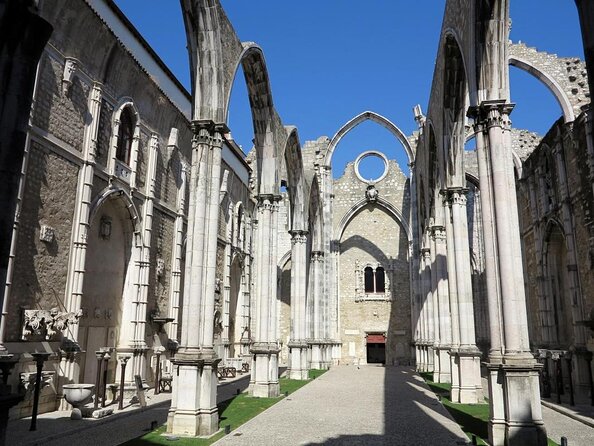
- Igreja do Carmo facade panels: the small details often tell the biggest story
- Ribeira Square finish, and how to keep spotting azulejos after you leave
- Price and logistics: what $81.93 buys you in real terms
- What to expect from the guide, based on what people consistently praise
- Who this Porto tile walk is perfect for
- Quick FAQ before you book
- FAQ
- How long is the walking tour?
- Where do I meet, and where does it end?
- Is the tour in English?
- How large is the group?
- Are entry tickets included for the stops?
- Is food and drinks included?
- Do I need hotel pickup?
- Can children join?
- Are service animals allowed?
- Should you book the Walking Tour – History of Tiles in Porto?
Key highlights that make this tile walk worth your time
- Art historian + local guidance: you are not just looking at tiles, you are learning how they work and why they were made.
- São Bento’s iconic panels: the station’s tile art by Jorge Colaço is a huge payoff for first-time visitors.
- UNESCO center focus: you learn tiles in the real streetscape where Porto developed them.
- Tile museum context: the route includes a stop at Museu da Cidade do Porto, tying tile craft to the city’s material history.
- Short, efficient pacing: multiple stops, including churches and city landmarks, within about 3 hours.
- Max 10 people: enough space for your questions, not so crowded that the details get lost.
Why Porto tiles feel personal once you learn what to look for
Porto is one of those cities where the art is not hidden in a museum. It is on walls, stairways, station halls, and church facades. The best part of this walk is that it teaches your eyes to slow down. You start noticing how pattern meets place, how color choices feel intentional, and how tiles can act like a visual archive.
Azulejos in Porto are also a practical art form. They help protect surfaces, but they also decorate, communicate, and signal identity. Once you understand the basic techniques and how styles develop over time, the city changes from pretty to meaningful.
If you like design, architecture, or just the thrill of spotting details you missed yesterday, this tour gives you a usable way to look at Porto. It also keeps things moving, so you see several high-impact stops rather than doing one long attraction.
Other azulejo workshops around Porto:
- Porto: Tile Painting Workshop with Porto Wine – Sé do Porto★ 4.9 · 1,095 reviews
- Porto: Tile Painting and Cocktails in Downtown Porto★ 4.9 · 484 reviews
- Tile Painting and Cocktails in Downtown Porto★ 5.0 · 187 reviews
- Porto: Tile Painting Workshop with Porto Wine (Sé do Porto)★ 5.0 · 102 reviews
Start at Igreja do Carmo and let the Fonte dos Leões set the mood
Your walk begins at Igreja do Carmo, at R. do Carmo (a central start in the UNESCO-listed old core). The first moment is the Fonte dos Leões (Fountain of Lions) outside the church area, where you meet your guide and get set up for the tile story to come.
This is a smart warm-up spot. Before you even step into major tile-heavy interiors, you get oriented in the neighborhood where tile art is part of everyday architecture. It helps you understand that this is not a one-off curiosity. It is a city-wide language.
Practical tip: plan for a classic historic-center street feel, meaning you will likely be moving on uneven sidewalks. Good shoes help.
São Bento Station, Jorge Colaço, and history told in tile
The first major tile payoff is inside São Bento Railway Station. You get a free entry window and about 10 minutes focused on the station’s dazzling tile mosaics, including work made by Jorge Colaço.
This stop is popular for a reason. The station’s walls turn a transit hub into a dramatic visual chapter of Portugal’s past. Once someone points out how to read the scenes, you do not just see a pretty background. You start picking out what is happening, how events are framed, and how tile work can carry narrative weight.
What makes this especially valuable is context. Porto’s tiles are not random decoration. You learn how the art form connects to Portuguese culture and how the craft shows up in public spaces, not only churches and palaces.
One small drawback: 10 minutes can feel quick if you stop every time you catch a detail. If you want to study every section, use the guide time to learn what to look for, then plan a return after the tour to revisit your favorite wall.
Museu da Cidade do Porto: tying tile craft to Porto’s civic identity
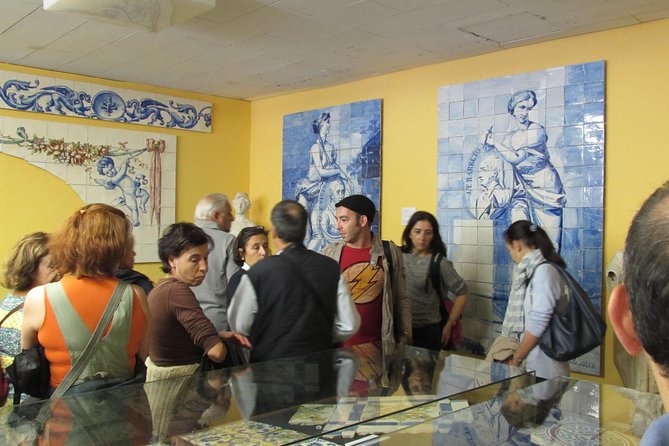
Next up is Museu da Cidade do Porto, with about 15 minutes on site. This stop is free, and it centers tile-related material tied to the city’s official history. The way this is framed matters: you are learning tiles not only as art, but as a recorded part of how Porto organized its visual world.
This is the “why it exists” portion of the walk. You start connecting craft to identity, and identity to place. It is also a useful bridge between big-name landmarks like São Bento and smaller architectural moments later in the route.
Because the stop window is brief, do not expect a full museum visit. Instead, think of it as a guided highlight that adds meaning to what you have already seen and what you will see next.
Igreja do Carmo facade panels: the small details often tell the biggest story
Then you come back to Igreja do Carmo for a short stop, about 5 minutes, focused on a first panel covering the church facade. This is a great example of why tile tours work better than “just walking around.”
A quick look can still be powerful if you know what to notice. Church facades often use tile art in a way that supports architecture, draws the eye, and gives the building a distinctive identity. With the guide’s instruction, that facade panel turns from background decoration into a clue.
This kind of stop is also a good way to train yourself for the rest of Porto. After this, you are more likely to spot tile panels on other facades, interpret the motifs you see in the street, and understand why some designs look older, darker, or more layered than others.
More Porto on foot:
- Porto Walking Tour, Lello Bookshop, River Cruise and Cable Car
★ 5.0 · 3,354 reviews - Experience Porto’s Charm: 3-Hour Guided Walking Tour
★ 5.0 · 2,432 reviews - Porto: 3-Hour Guided City Highlights Walking Tour
★ 4.8 · 2,050 reviews - Porto: Wine Tasting with Tapas Walking Tour
★ 4.4 · 1,541 reviews
Ribeira Square finish, and how to keep spotting azulejos after you leave
The tour wraps up after about three hours of tile appreciation around Ribeira Square. The official end point is listed near São Bento Station, so you will likely finish somewhere close to central streets you can easily keep exploring from.
Either way, the goal is the same: you leave with a practiced eye. If you return to Ribeira later, you will likely notice tile work in places you would otherwise treat as scenery. You will also know what to look for first, whether it is an architectural panel, a pattern transition, or a design theme that repeats elsewhere.
This kind of “skill gain” is where the value really shows. The tile art is everywhere in Porto. Once you learn a method, the city becomes a classroom you can revisit.
Price and logistics: what $81.93 buys you in real terms
The price is $81.93 per person for about 2 hours 45 minutes. That is not a budget impulse buy, so here is what you are paying for, beyond the simple duration.
You are getting:
- a professional art historian guide
- a local guide
- a small group capped at 10
- multiple major tile stops in the UNESCO-listed center, including São Bento and Igreja do Carmo
- free entry time at the listed stops
In practice, that combo matters. Art historian-led guidance can change how you experience visual art. And a group under 10 keeps the tour from turning into a rushed parade. You are also not paying extra site admission at the included stops, which helps the price feel more reasonable.
Another detail worth noting: the tour is often booked about 34 days in advance on average. If Porto is your first stop on a trip, try to lock in your dates early so you get the time slot that fits your day.
What to expect from the guide, based on what people consistently praise
Two names show up often in praise: Susana and Nuno. People credit guides on this route for turning tiles into a story you can follow, and for linking tile craft to broader Porto context like architecture and street art.
That matches what you should want from a “tile history” walk. If the guide only points, you will get photos. If the guide explains, you will get an education you can carry around with you.
Expect the walk to feel like a guided looking session, not a lecture. You learn techniques, see examples, then keep using that lens at the next stop.
Who this Porto tile walk is perfect for
This is a strong pick if you:
- are visiting Porto for the first time and want a route you can build on later
- love architecture and want tiles explained in context, not just identified
- enjoy design, crafts, and visual storytelling
- prefer small groups where questions are welcome
- want a morning or afternoon activity that helps you explore the UNESCO core with better eyes
It may be less ideal if:
- you need very long sit-down time inside museums or churches
- you struggle with sustained walking and frequent street-level transitions
- you want lots of free time to wander without structure
Quick FAQ before you book
FAQ
How long is the walking tour?
It is about 2 hours 45 minutes.
Where do I meet, and where does it end?
The start meeting point is at Igreja do Carmo on R. do Carmo, 4050-164 Porto. The end point is listed near São Bento Station on Praça de Almeida Garrett. The tour also finishes after about three hours around Ribeira Square.
Is the tour in English?
Yes, it is offered in English.
How large is the group?
The tour is limited to a maximum of 10 people.
Are entry tickets included for the stops?
The listed stops have admission noted as free.
Is food and drinks included?
No. Food and drinks are not included.
Do I need hotel pickup?
No hotel pickup and drop-off is included.
Can children join?
Children must be accompanied by an adult.
Are service animals allowed?
Yes, service animals are allowed.
Should you book the Walking Tour – History of Tiles in Porto?
If you care about Porto beyond selfies, I think you should book it. The biggest reason is that it teaches you how to read tiles, not just see them. You get key tile moments in a small group, guided by an art historian and a local guide, and you leave with a practical way to keep noticing azulejos as you explore on your own.
If your ideal tour is slow, museum-deep, and unstructured, skip this and plan more time inside major attractions. But if you want a focused, high-value route that makes the city feel instantly more legible, this one is a very solid choice.
The Old City, Layer by Layer
- Douro Valley: Historical Sites, Wine Experience, Lunch & Cruise
★ 5.0 · 5,133 reviews - Porto: An Intimate Fado Show in a Historical Tavern
★ 4.8 · 2,055 reviews - Porto: Historic City Center Walking Tour
★ 4.7 · 1,172 reviews - Porto: Private Tour of the Historic City in a Ford T Car
★ 4.8 · 932 reviews
Fresh off the Porto quays






Tile Painting Workshops, compared.
Tile Painting Workshop with Porto Wine – Sé do Porto
Read our review →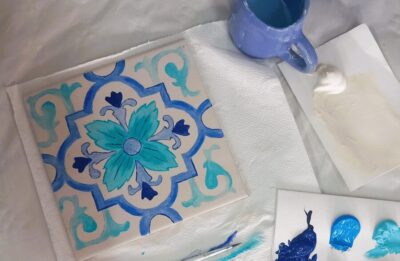
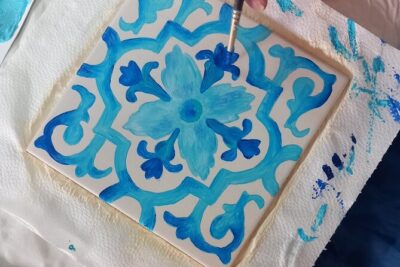
Tile Painting and Cocktails in Downtown Porto
Read our review →Tile Painting Workshop with Porto Wine (Sé do Porto)
Read our review →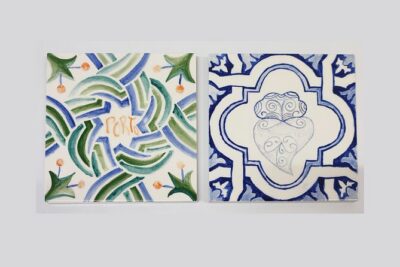
Porto Tile Painting Workshop in artist studio
Read our review →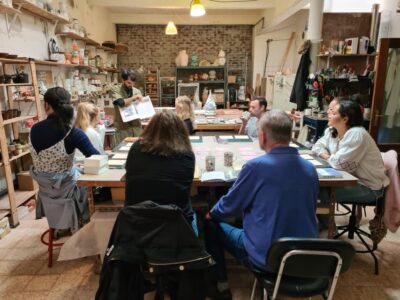

The Passing Vessel: Ceramic, Perfumery & Candle Workshop in Porto
Read our review →
Browse the lists this tour appears in