
Reviewed · TILE PAINTING WORKSHOPS
Porto: Tile Painting and Cocktails in Downtown Porto
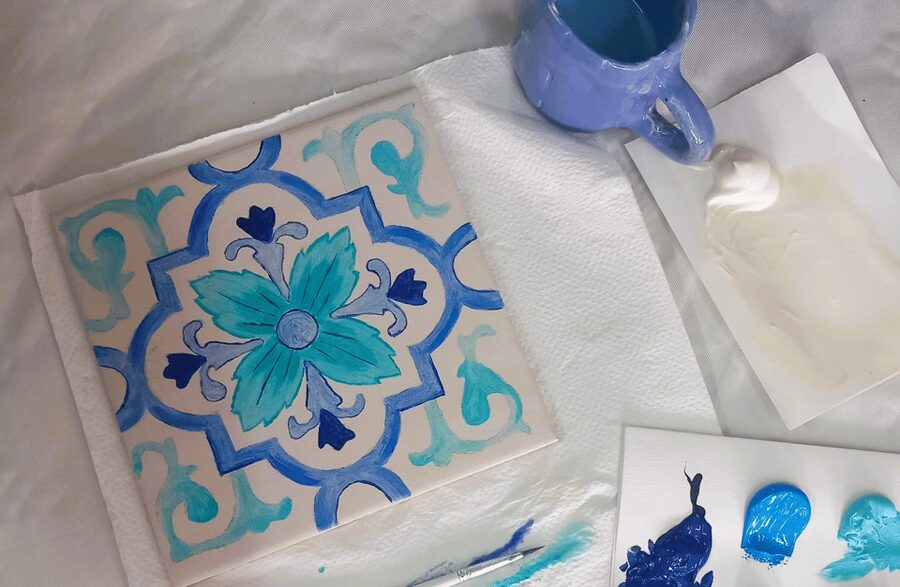
Porto tiles turn any rain day into art. In just 2 hours at Boiler Studio on Rua Chã 77, you get a calm tile history lesson and a cocktail while you paint your own ceramic keepsake. It is the kind of stop that makes Porto feel personal, not just photographed.
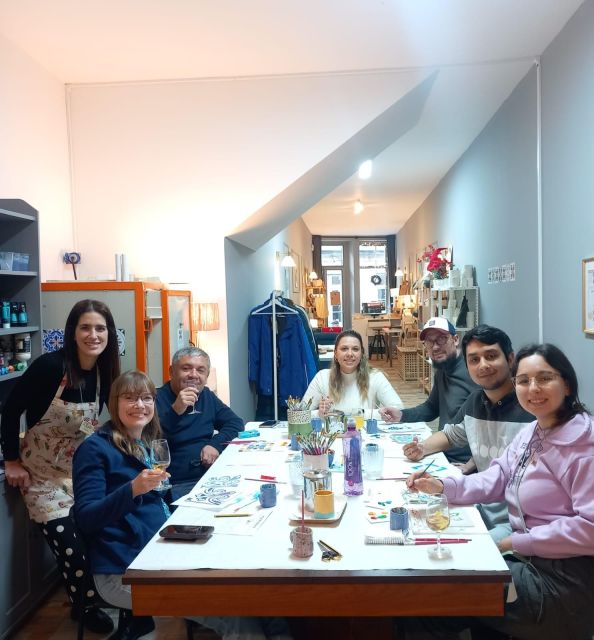
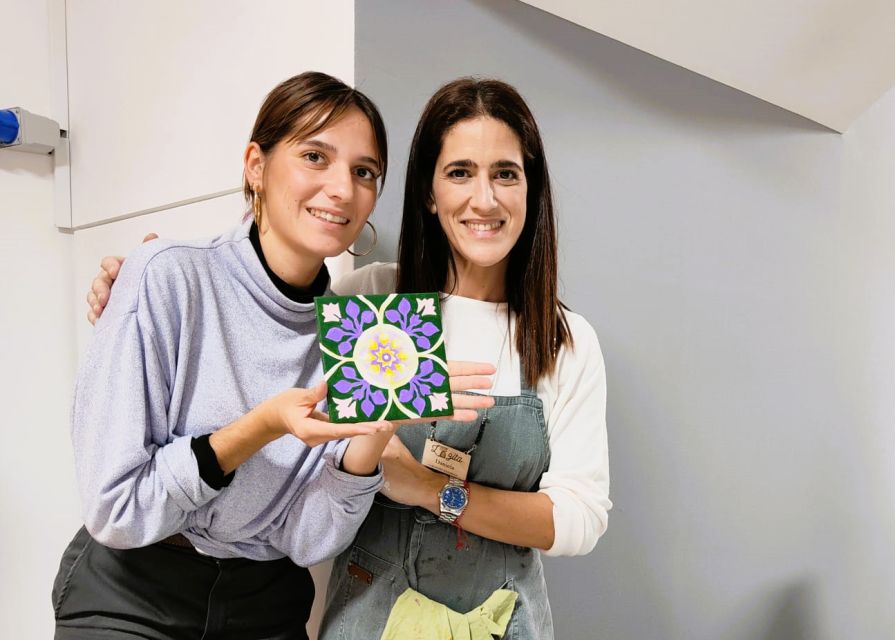
What I love most is the hands-on guidance from hosts like Daniella, Danielle, Emmanuel, and Diogo, with patient help if you are not naturally artistic. You also get a real take-home souvenir, a ceramic tile with paper packaging, plus the studio has a shop of handmade local goods right there.
One possible drawback: plan for drying time. Some tiles come out ready to take right away, but if you move slower or start later, you might need to return to pick it up once it sets.
In This Review
- Key things you will notice right away
- Where Rua Chã 77 fits into your Porto day
- Entering Boiler Studio, and getting the mood right
- The azulejo lesson that makes your tile feel meaningful
- The cocktail break, and why it helps more than you think
- How the painting session actually works (even if you fear art)
- Picking colors and patterns that feel like Porto
- Timing and drying: what you should expect when you leave
- Value check: is $41 for a tile and cocktail worth it?
- Who this workshop suits best
- Practical tips before you go
- Should you book Porto tile painting and cocktails?
- FAQ
- Where is the meeting point?
- How long is the experience?
- What is the price per person?
- What is included in the ticket price?
- Do I need to be artistic?
- What languages are used during the workshop?
- Can kids participate?
- Is the studio wheelchair accessible?
- Do I take my tile home?
- What types of activities are not allowed?
Key things you will notice right away
- Azulejos explained in a simple timeline, from 13th-century roots through 16th- and 17th-century Portuguese influence
- A relaxed, music-backed break, paired with a cocktail as you paint
- Stencils and photo-to-design options, so you can copy a pattern or bring your own image
- Step-by-step support even for beginners, including help if you want to refine your brushwork
- One set price for materials, ceramic tile, acrylic paints, and paper packaging included
- Central location by the Cathedral, easy to pair with São Bento Station, Luís I Bridge, and Time Out Market
Where Rua Chã 77 fits into your Porto day
Boiler Studio sits on Rua Chã 77, in a typical street setting right in the downtown core, in front of the Cathedral area. If you are already planning time around São Bento Train Station, Luís I Bridge, Time Out Market, or the Cathedral itself, this is a low-effort add-on.
The format is made for an easy rhythm. You are not rushing from one viewpoint to another. Instead, you are settling in, learning a bit about why tiles matter here, then putting that knowledge into practice with your own hands.
If you like travel that mixes culture with something tangible, this location does the job. You can walk in, focus for 2 hours, then head back out without losing half a day to logistics.
Other azulejo workshops around Porto:
- Porto: Tile Painting Workshop with Porto Wine – Sé do Porto★ 4.9 · 1,095 reviews
- Tile Painting and Cocktails in Downtown Porto★ 5.0 · 187 reviews
- Porto: Tile Painting Workshop with Porto Wine (Sé do Porto)★ 5.0 · 102 reviews
- Porto Tile Painting Workshop in artist studio★ 5.0 · 83 reviews
Entering Boiler Studio, and getting the mood right
This is not a big factory-tour vibe. It feels like a studio where you can hear calm music, take a breath, and work at a comfortable pace.
There is also a shop inside the studio. That matters more than it sounds. If your tile comes out exactly the way you hope, you will probably want something else to take home too. If it does not, you still leave with a shopping option for local handmade goods.
One practical note: the class does not suit very young kids. It is marked as not suitable for children under 10, which helps keep the workshop atmosphere focused.
The azulejo lesson that makes your tile feel meaningful
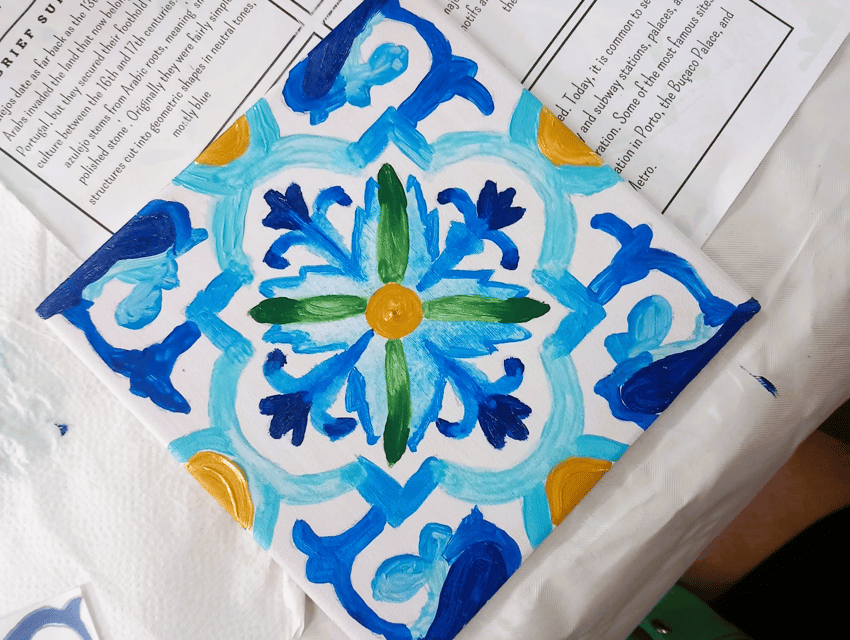
The history briefing is one of the best parts because it is built to connect to what you will paint. You get the background on how tiles became part of Portuguese city life, including who brought them and how the style evolved.
Here is the core story you will hear. Azulejos date back to the 13th century, when Arab influence reached the Iberian Peninsula after the Arab invasion of the region that includes parts of today’s Spain and Portugal. In Portugal specifically, the strong foothold in the culture comes later, between the 16th and 17th centuries.
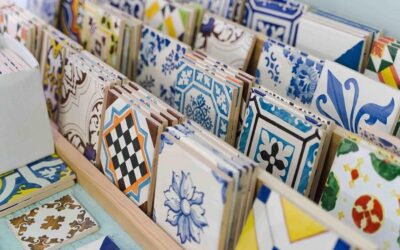
You also learn what the word itself points to. Azulejo comes from Arabic roots meaning small polished stone. In the early days, azulejos were more straightforward, with geometric cutting and neutral tones, often leaning toward blue.
Then the lesson brings it closer to you. You move through influences, colors, how tiles show up in different places and seasons, and what you see today across Portuguese buildings. When your class starts after this, the tile you paint feels less random. It feels like part of Porto’s visual language, not just a craft project.
If you love architecture and you want a souvenir with context, this is the right order. A lot of art activities skip the why and jump straight to the paint. Here, the background helps your design choices feel intentional.
The cocktail break, and why it helps more than you think
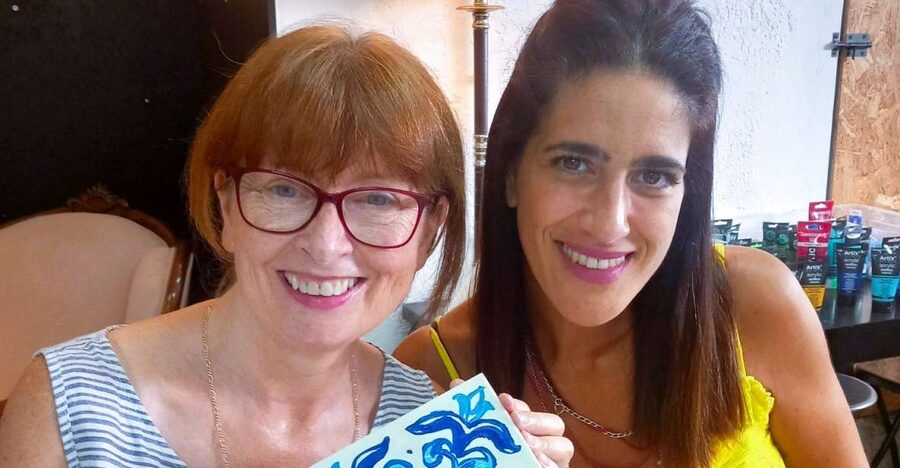
The workshop pairs painting with a cocktail, and it is not treated as a throwaway perk. Drinks are part of the pacing, and that calm, social tone shows up in how people relax into the work.
Porto has a reputation for being stylish and drink-friendly, but this is a quieter version of that. You are not looking for a loud bar scene. You are sitting at a table, hearing calm music, and sipping while you focus on a single task.
Some cocktails mentioned in the experience include Porto Tonic and port wine spritzer, which fits the local theme without turning it into a hard sell. If you want a break from walking, this is a smart way to do it. You get a reset, you learn something real, and you still leave with an item you can hold.
How the painting session actually works (even if you fear art)
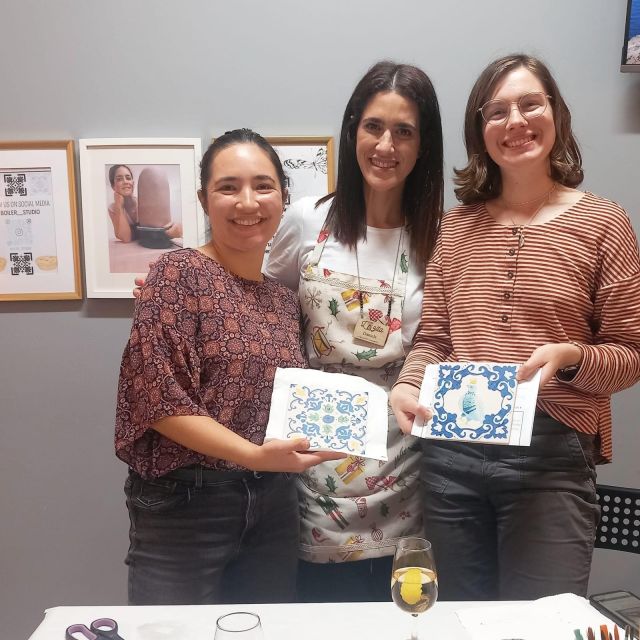
You start with materials already provided. That includes a ceramic tile, acrylic paints, and the tools you need to paint. There are also stencils and a structure to help you get the result you want.
You usually have options:
- Use a premade stencil design
- Choose a stencil for your own theme
- Bring a photo idea, which can be printed to help guide your tile
That choice flexibility is a major reason this workshop works for beginners. You do not have to invent everything from scratch. You can pick a design that matches your taste, then the staff helps you execute it neatly.
Hosts are described as patient and attentive, with hands-on help when needed. That is key if you worry you will mess it up. The guidance is step-by-step and practical, not just motivational talk.
If you are the type who likes to do things right, you will probably appreciate the small corrections and technique tips during painting. If you are more of a relax-and-create type, you still get enough structure to keep the session from turning frustrating.
Other benches where Porto hands still make things:
- Porto: Pastel de Nata Pastry-Making Workshop
★ 4.9 · 1,542 reviews - Porto: Pastel de Nata Cooking Class with Port Wine – Sé
★ 4.8 · 888 reviews - Porto: Small Group Surf Lesson with Transportation
★ 4.9 · 594 reviews - Pastel de Nata | Workshop from scratch | Porto’s city center
★ 5.0 · 449 reviews
Picking colors and patterns that feel like Porto
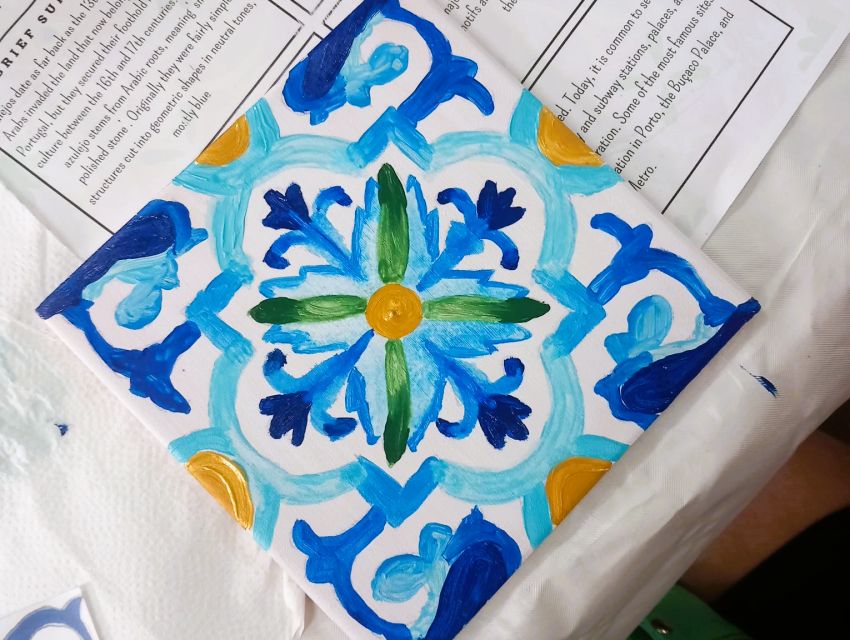
The studio supports the idea that Portuguese tiles are not one look. You cover influences, colors, and uses over time, and that helps you choose a palette that looks at home in Porto’s tile world.
Most importantly, you learn what you are copying. That is what turns a pattern into culture. You go from seeing azulejos as decoration to seeing them as a visual system.
In practical terms, it means your tile can look:
- Classic and geometric if you go with neutral blues or structured motifs
- Seasonal or scene-like if you pick a more detailed stencil
- Personal if you use an image and guide it onto the tile
This is also why the stencils matter. They help you end with a crisp result that photographs well and feels complete, even if you take your time.
Timing and drying: what you should expect when you leave
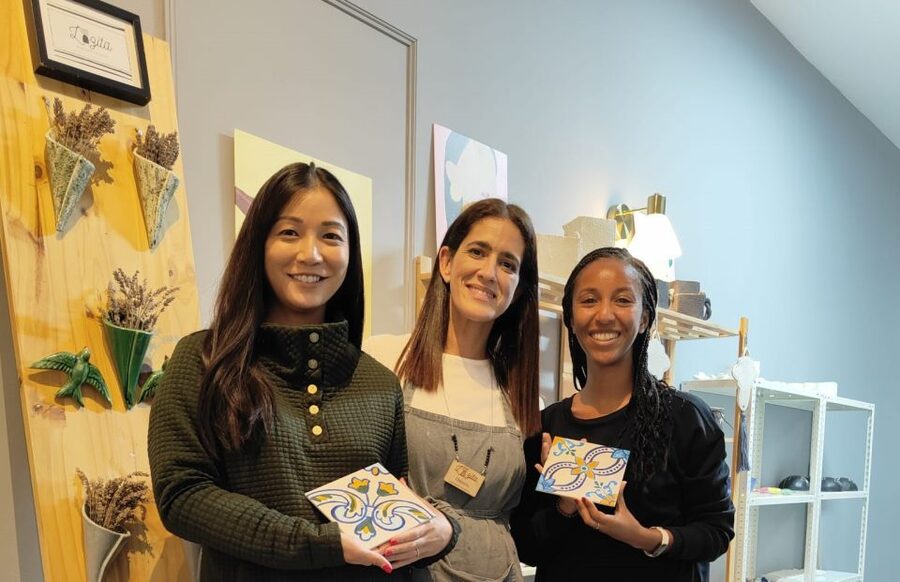
The workshop lasts 2 hours, and you take your tile with you in many cases. Some people finish and take their work back within the session or shortly after.
Still, drying time can be a factor. If your tile takes longer to paint, or you start later in the day and spend extra time finishing details, you might need to return to collect it once it is fully dried. A few tips around the experience suggest this is sometimes the plan depending on how long the painting takes.
The best way to handle this is simple. If you are tight on your schedule, plan something nearby after class, but keep a small buffer in case you need to swing back later.
You also get paper packaging for your tile. That matters for travel. A fragile souvenir in a suitcase is annoying. Proper packaging makes it far easier to move.
Value check: is $41 for a tile and cocktail worth it?
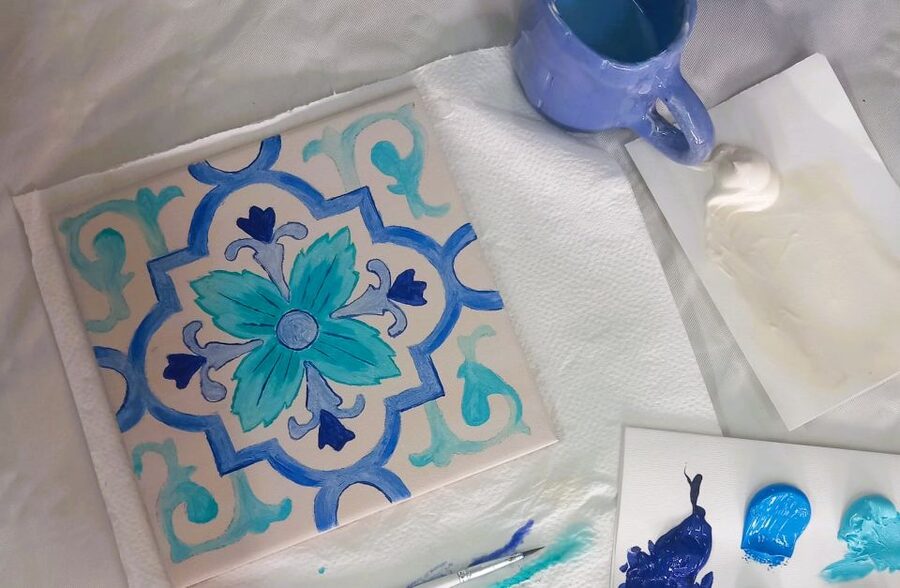
At $41 per person for a 2-hour session, you are paying for more than entertainment. You are paying for guided instruction, a ceramic tile, acrylic paints, paper packaging, and a cocktail.
Here is the value logic I use. If you treat this like just a souvenir, it is good. If you treat it like a guided workshop with materials included, it gets better.
The tile component is the big anchor. Many take-home crafts do not include enough materials to feel truly hands-on, or they do not make the final result travel-friendly. Here, the materials are included, and the whole point is to leave with something you can display or gift.
Then add the context lesson. You are not just painting blindly. You are learning the why behind the azulejo tradition, including how Arab influence and later Portuguese style shaped the look that still defines neighborhoods and churches across the country.
Finally, the cocktail shifts it from a formal class into a relaxing break. For a lot of people, that is what makes the whole experience worth repeating.
Who this workshop suits best
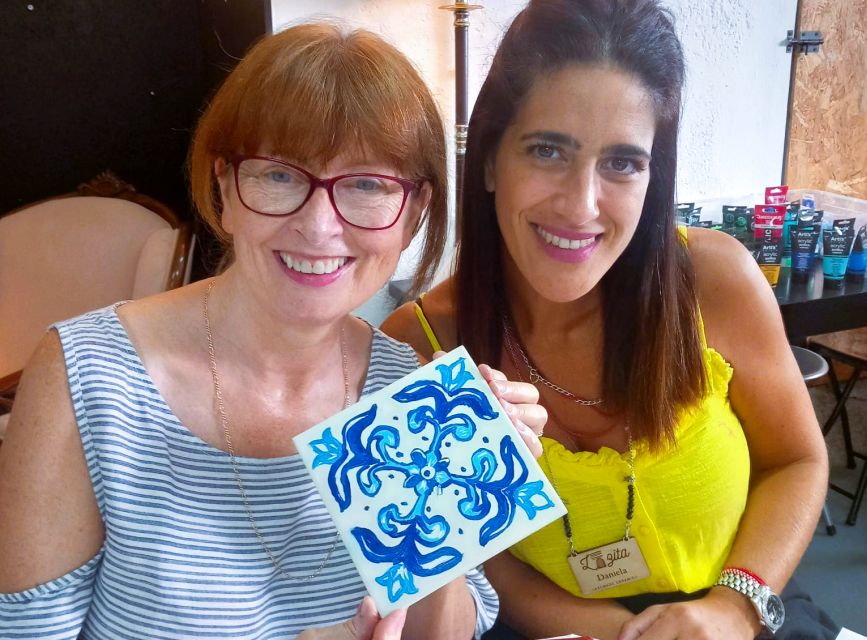
This is a strong fit if you want a Porto activity that is:
- Creative but not stressful
- Cultural without being heavy
- Social in a small-group format
- Central enough to fit into a short visit
It is especially good if you like crafts but you do not want a learning curve that takes over your day. The guidance helps you build confidence quickly.
It may be less ideal if you want a high-energy sightseeing push. This is a sit-down workshop with calm music and a slower pace.
Also note the age guidance. It is not suitable for children under 10, which likely keeps the room focused and the instruction clearer for everyone.
Practical tips before you go
A few things will help you get the best outcome.
First, show up with a relaxed mindset. This workshop is designed for people to slow down and get support. If you fight the process, you will feel the time. If you go with the flow, you will likely love the result.
Second, decide early how you want your design to work. If you want an easy win, pick a stencil pattern. If you want more personal input, bring a photo idea so they can help translate it into a guide.
Third, keep an eye on timing for drying. If your plans are strict later that day, consider building in a buffer in case you need to return to pick up the fully dried tile.
Fourth, remember the studio sits in a very central area. You can pair it with a walk around the Cathedral area, then continue to nearby highlights like São Bento Station and Time Out Market without long travel time.
Should you book Porto tile painting and cocktails?
Book it if you want a memorable Porto souvenir that is not generic, plus you want a calm break with a drink and a short, meaningful lesson. This is one of those activities that works for beginners because the structure is there, but it still feels creative because you get choices.
Skip it if you are chasing only big-ticket landmarks or you hate sitting still for 2 hours. This workshop rewards patience, not speed.
If you are on the fence, think about what you are taking home. A well-made azulejo tile, with your own design, is a kind of travel memory you can actually keep close. And in Porto, tiles are part of the city’s identity. Painting one is a very direct way to bring that identity into your own life for years after the trip.
FAQ
Where is the meeting point?
The workshop takes place at Boiler Studio on Rua Chã 77, in downtown Porto in front of the Cathedral area.
How long is the experience?
The tile painting and cocktails experience lasts 2 hours.
What is the price per person?
The price is listed as $41 per person.
What is included in the ticket price?
You get a workshop summary with texts about tiles, a ceramic tile, acrylic paints, paper packaging, a cocktail, and all materials needed for the activity.
Do I need to be artistic?
No. The session is guided, with support available during the painting process, including help if you need it.
What languages are used during the workshop?
The instructor speaks English and Portuguese.
Can kids participate?
It is not suitable for children under 10.
Is the studio wheelchair accessible?
Yes, the studio is wheelchair accessible.
Do I take my tile home?
Yes. You paint a ceramic tile and take it with you. Depending on how long it takes to paint, you might need to return for the dried tile.
What types of activities are not allowed?
Smoking, fireworks, and explosive substances are not allowed.
Fresh off the Porto quays






Tile Painting Workshops, compared.
Tile Painting Workshop with Porto Wine – Sé do Porto
Read our review →
Tile Painting and Cocktails in Downtown Porto
Read our review →Tile Painting Workshop with Porto Wine (Sé do Porto)
Read our review →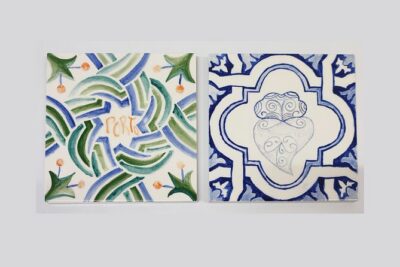
Porto Tile Painting Workshop in artist studio
Read our review →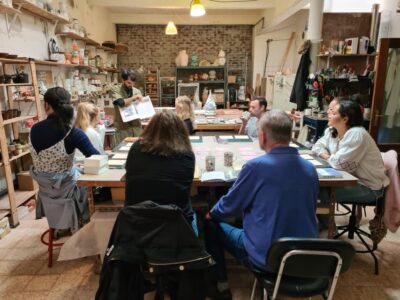

The Passing Vessel: Ceramic, Perfumery & Candle Workshop in Porto
Read our review →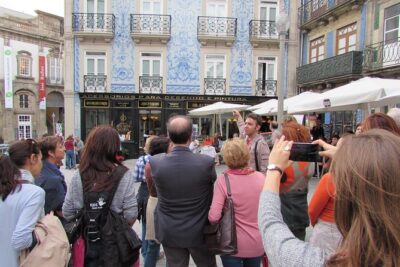
Browse the lists this tour appears in