
Reviewed · WORKSHOPS
Porto: Tour to the world of silver in a century-old workshop
Silver has a voice here, in metal and hands.
In Porto, the Alcino Silversmith workshop tour takes you into a working factory that dates back to the early 1900s, where the same family craft has carried through six generations. I love the chance to see how everyday objects and religious pieces are made with care, not just displayed behind glass.
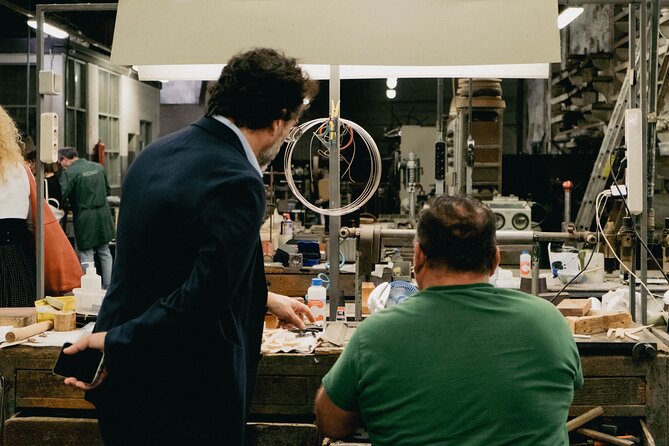
My favorite part is the human scale. You get small-group access (up to 10 people), you’ll tour the workshop, and you can interact while artisans work through manual methods like casting, molding, and chiseling. The showroom also helps you connect the finished look to the tools and steps you just saw.
One possible drawback: it’s only 1 hour, so if you’re hoping for a long, slow hands-on session, this is more of a focused introduction than an all-day making experience.
In This Review
- Key points to know before you go
- A century-old silver shop in central Porto
- Inside Alcino Silversmith: 6 generations of silver craft
- How the 1-hour tour flows (and what you’ll actually see)
- Hands-on goldsmithing techniques: casting, molding, and chiseling
- Workshop objects you’ll notice more once you understand the process
- The showroom with three rooms staged like a house
- Store access and buying without the pressure
- Price, group size, and language: where value really shows up
- Who should book this silver workshop tour
- Possible downsides to consider before you book
- Should you book the Alcino Silversmith workshop tour?
- FAQ
- How long is the Alcino Silversmith silver workshop tour in Porto?
- What is the price per person?
- Where does the tour start and where do I meet the guide?
- How big is the group?
- What languages are available for the live guided tour?
- Is the tour wheelchair accessible?
- Are children allowed?
- What items are not allowed during the experience?
- Is there a last entry time on certain days?
- Is cancellation allowed, and how flexible is booking?
Key points to know before you go
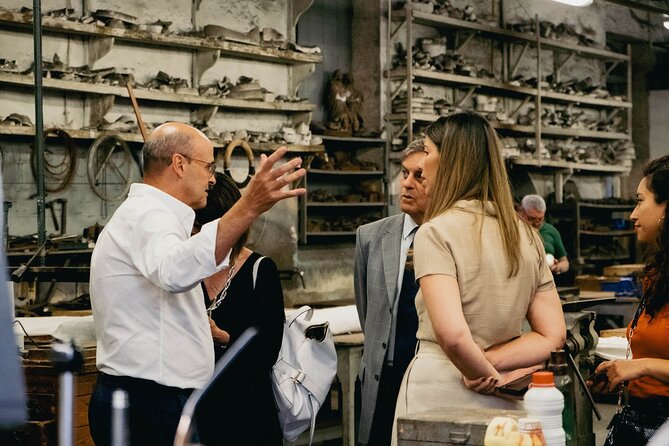
- A real working shop, not a static museum with artisans creating pieces on site
- Family business since 1902, recognized as an Entity of Historical Interest
- Hands-on interaction while you learn the manual techniques of goldsmithing for silver work
- Workshop + showroom + store access in one smooth visit
- Three showroom rooms staged like parts of a house, so silver feels lived-in, not locked away
- Small group of 10 so the guide can actually talk to you
A century-old silver shop in central Porto
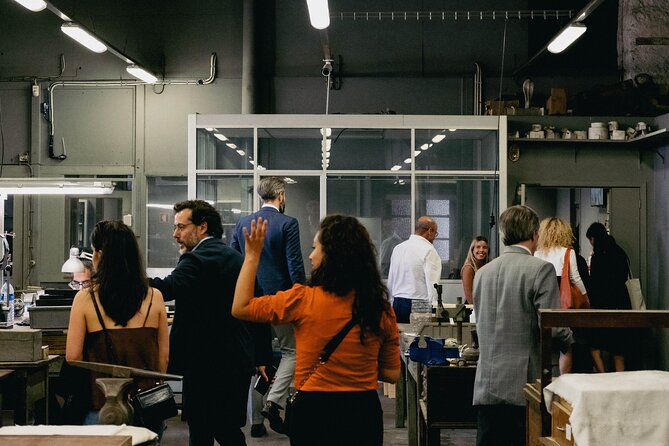
This tour is simple and surprisingly satisfying: you walk into the Alcino Silversmith jewellery store, and the experience quickly shifts into a working silver world. It’s set in the heart of Porto, which matters because you can fit it into a normal day of sightseeing without turning it into a production.
The visit runs for 1 hour, and that time is used on purpose. You’re not wandering alone, and you’re not stuck listening to a long lecture with no context. Instead, the guide leads you through the workshop and then into a showroom space designed to help you read silver like a story.
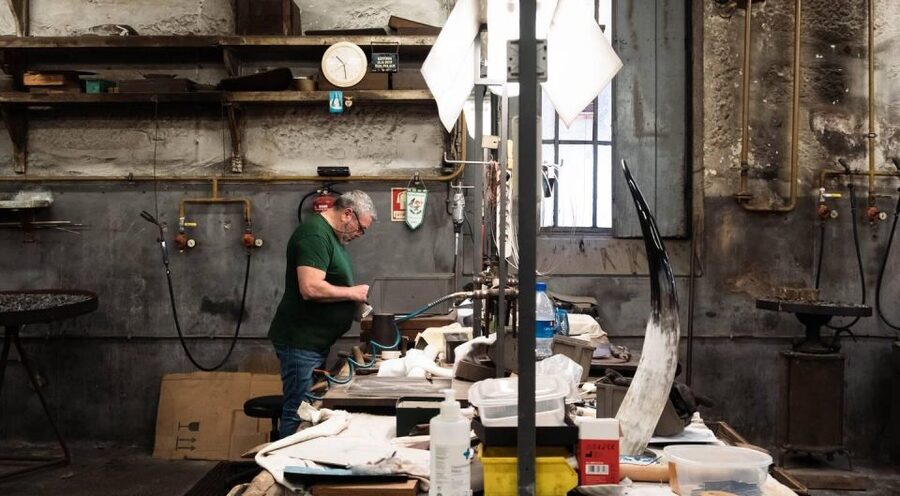
What I like best is that the setting is believable. A century-old workshop can easily become a “look at the old tools” stop, but here you’re watching craft happen, and you get a peek behind the curtain into how pieces are formed.
Other benches where Porto hands still make things:
- Porto: Pastel de Nata Pastry-Making Workshop★ 4.9 · 1,542 reviews
- Porto: Tile Painting Workshop with Porto Wine – Sé do Porto★ 4.9 · 1,095 reviews
- Porto: Pastel de Nata Cooking Class with Port Wine – Sé★ 4.8 · 888 reviews
- Porto: Small Group Surf Lesson with Transportation★ 4.9 · 594 reviews
Inside Alcino Silversmith: 6 generations of silver craft
Alcino Silversmith traces back to 1902, and the business has grown across 120 years, six generations, and a family culture that’s part pride, part responsibility. That long timeline is more than bragging rights. When a workshop survives this long, it usually means customers, techniques, and quality have all been tested over decades.
During your guided visit, you’ll hear the company’s history and see how its work has expanded across different product types. Expect to learn how they make jewelry collections and decorative pieces, plus items tied to sacred art and tradition. In other words, silver isn’t treated as a single category here. It’s treated as a material with many jobs.
The workshop’s “historical interest” status also shapes how the place feels. You can sense that tradition is taken seriously, but the tour doesn’t feel frozen in time. It feels like a craft lineage that still has to deliver real results today.
How the 1-hour tour flows (and what you’ll actually see)
In one hour, you’ll cover three distinct zones: the workshop, the showroom, and the shop. The key to getting value is to treat the hour like a guided relay, not three separate visits.
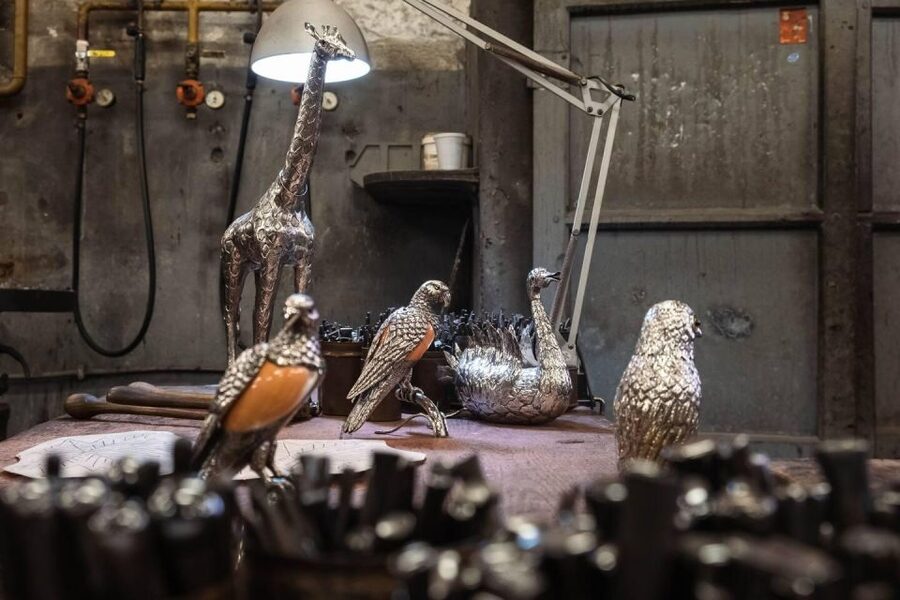
First comes the guided workshop tour. This is where you learn the overall process and see the spaces where silver objects take shape. You’ll also hear about the company’s “secrets,” which in practice means practical steps, not mystical marketing.
Next is the showroom visit, which is staged in a way that makes you slow down. One room helps you see objects as decorations, another frames them as household style pieces, and a third room supports a different atmosphere. The effect is that silver items stop feeling random and start feeling like part of a home.
Finally, you enter the store access portion. This is where your curiosity can turn into a real memory you can take home. The benefit is that you’re not rushed into shopping. You see the craftsmanship first, then you decide.
Since the tour is limited to 10 participants, the guide can often answer the questions that pop up mid-visit, like how a technique affects the final shine or how a detail is formed by hand.
Hands-on goldsmithing techniques: casting, molding, and chiseling
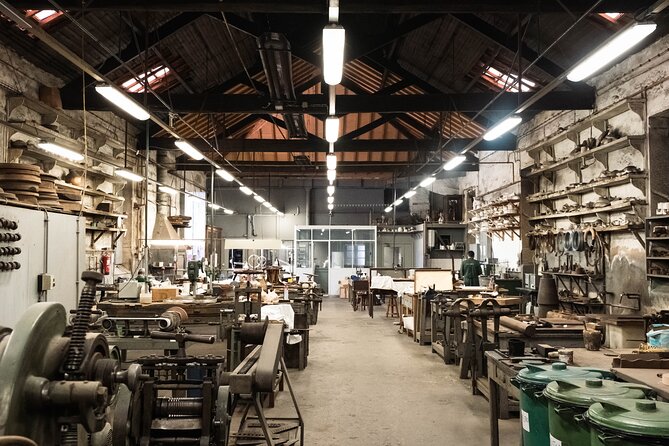
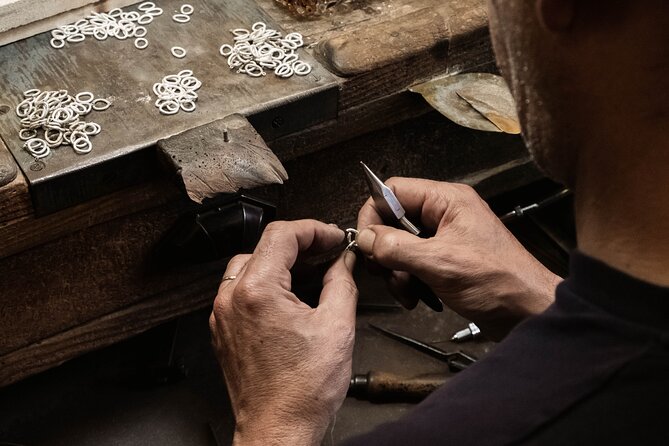
This is the tour’s main payoff. The goal isn’t just to look at beautiful silver. You learn the manual techniques behind it, including casting, molding, and chiseling. Those words matter because they explain why silver finishes look the way they do.
Here’s what these methods usually mean in plain terms, and why you should care:
- Casting helps create the base form and fine shapes, so details can be replicated and refined.
- Molding supports controlled shaping, especially when producing consistent design elements.
- Chiseling brings in the handwork, where edges, textures, and small accents get defined.
During the visit, you also have a chance to interact and assist artisans in loco. You’re not going to leave with a finished pendant in your pocket, but you can get a feel for the rhythm of the shop. When you can ask questions while work is happening, the techniques stop being vocabulary and turn into something you can picture.
I also like that this kind of craft education respects your time. The hour doesn’t turn into a slideshow of photos. It stays anchored in the workshop reality, tools, and the sequence of making.
Workshop objects you’ll notice more once you understand the process
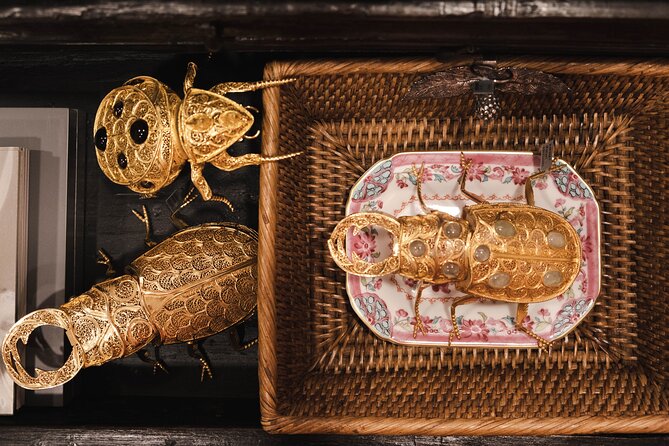
Silver work can look the same at first glance, until you know what to watch for. Once you’ve heard about the manual techniques, you start noticing why certain pieces have particular proportions, textures, and visual weight.
In the workshop and throughout the visit, you’ll encounter examples of the company’s range: jewelry, decorative pieces, religious items, and even cutlery. That mix is a useful lesson. Silver isn’t only for formal jewelry. It can also be crafted for everyday rituals and settings, including items used in table culture.
The sacred art side is especially interesting because it points to symbolism and meaning, not just aesthetics. You’ll see great symbols of carefully crafted sacred art, and you can connect that theme to the precision demanded by these objects. When details are meant to carry meaning, craftsmanship has to be consistent.
If you care about art history, even casually, this portion helps you understand why certain design styles persist. They aren’t just trends. They’re tied to production methods and the expectations of the objects’ purpose.
Elsewhere in Porto, worth a look before you book:
- The Unvanquished Tour in Porto City Center
★ 5.0 · 26,497 reviews - From Porto: Douro Valley w/ Boat Tour, Wine Tasting & Lunch
★ 4.7 · 19,061 reviews - Complete Douro Valley Wine Tour with Lunch, Wine Tastings and River Cruise
★ 5.0 · 12,920 reviews - Porto: Douro Valley with Winery Lunch, Tastings & Cruise
★ 4.7 · 7,002 reviews
The showroom with three rooms staged like a house
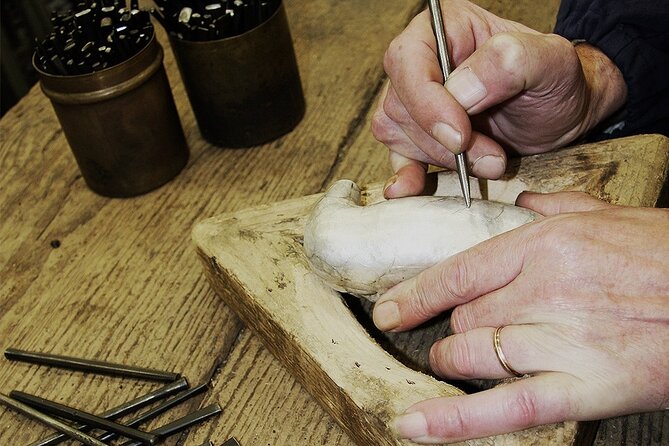
After the workshop, the showroom gives you time to interpret what you saw. The space is divided into three rooms, each with a different environment, designed to simulate divisions of a house decorated with silver objects.
This staging is more than set dressing. It’s a smart way to help you imagine silver in real life. A piece that looked impressive on a workbench can suddenly feel intimate when you see it arranged with the right setting. It’s also a chance to compare styles across rooms without the pressure of someone following you around.
You’ll also get to slow down and look at details you might have missed while you were focused on the making process. If you’re the type who likes to spot craftsmanship in the edges, handles, or surface texture, this is your moment.
The showroom is also where your photography brain usually wakes up. Just be ready for a lot of shiny surfaces and reflective angles. Bring a calm approach, because it’s easy to get lost clicking pictures when your eye should be studying construction.
Store access and buying without the pressure
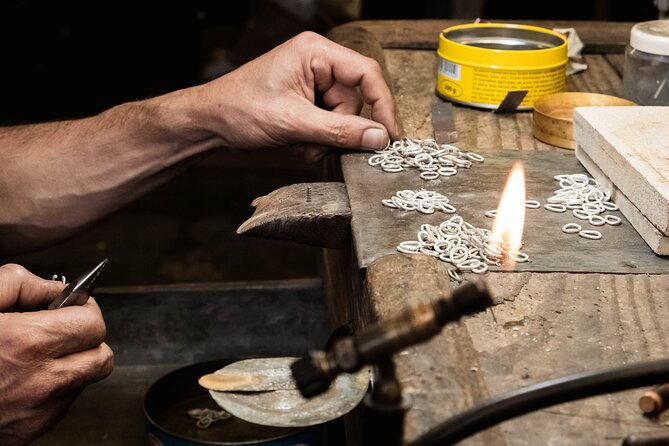
You do have access to the store, and this matters for value. Many tours stop at the viewing part, then push you into shopping. Here, the flow is craft first, then store, which helps you make a thoughtful choice.
One good thing to know is that you’re not forced to buy. You can treat the store like a final “walk-through of possibilities” after you understand the process. If you end up purchasing a pendant or another small piece, you’ll have a story behind it, because you saw the methods that produce the look.
If buying is your goal, don’t panic. Use the showroom and workshop tour to decide what type of design you actually like: jewelry-style forms, decorative objects, or religious or table-related pieces. Then let the shop part confirm the match.
And yes, bring a bit of patience. Even if you’re not buying, browsing after a hands-on craft experience can feel like the final chapter you didn’t know you wanted.
Price, group size, and language: where value really shows up
At $17 per person for a 1-hour guided experience, the price feels fair for what you get: workshop access, guided context, and showroom plus store time. Many craft tours charge more when they’re mostly a viewing gallery. This one includes interaction and artisan-led explanation tied to actual techniques.
The small group limit of 10 participants is a big part of the value equation. With a bigger group, you get less question time and less chance to follow the steps. Here, the size keeps the visit personal enough that you can ask practical questions as you move through the rooms.
Language options are solid: the live guide works in Portuguese, English, and Spanish. If you’re visiting with friends who prefer different languages, you’ll likely find an option that keeps everyone comfortable. The guide’s job is to connect process to objects, and that’s easier when explanations match your comfort level.
Wheelchair accessibility is also stated, which is important for planning. If mobility is a concern, this is a good sign because you’re not forced to choose between “accessible” and “interesting.”
Who should book this silver workshop tour
This tour is ideal if you like:
- craft you can explain in your own words afterward
- real-world workshop atmosphere, not only polished displays
- silver as material, and how technique creates design
- short, focused experiences you can fit into a day in Porto
You’ll also enjoy it if you’re the sort of traveler who wants a souvenir with context. Seeing the workshop process makes it easier to pick something you truly understand rather than something that just looks good in a photo.
If you hate shops or tours that feel like a sales funnel, you may still enjoy the visit as a craftsmanship lesson. The format is structured so you learn first, then you browse.
Possible downsides to consider before you book
The biggest consideration is time. At 1 hour, it’s a guided introduction, not a full workshop training. If your dream is to sit at a bench for a long period with tools, you’ll need something longer and more technical.
The second consideration is that the tour includes workshop participation and a rule set: alcohol and drugs aren’t allowed. If you were planning a casual stop that blends nightlife plans, this is not that vibe.
Lastly, children must be accompanied by an adult. That’s typical for workshop environments, but it affects family planning if you’re visiting with kids and want a smooth, watch-and-learn experience.
Should you book the Alcino Silversmith workshop tour?
I’d book it if you want a smart Porto stop that teaches you something real in a short time. $17 for a guided workshop visit in a century-old, family-run silver factory, plus showroom staging and store access, is the kind of value that feels practical, not gimmicky.
Book it especially if you care about process, not just product. You’ll walk away with a clearer idea of how casting, molding, and chiseling shape the silver you see, and that makes every piece you encounter in Porto afterward easier to appreciate.
If you tell me your travel dates and whether you prefer English, Spanish, or Portuguese, I can help you plan where this fits best in a Porto day schedule.
FAQ
How long is the Alcino Silversmith silver workshop tour in Porto?
The tour lasts 1 hour.
What is the price per person?
The price is $17 per person.
Where does the tour start and where do I meet the guide?
You meet at the Alcino Silversmith jewellery store. You can come in when the time arrives or call the store.
How big is the group?
The group is small and limited to 10 participants.
What languages are available for the live guided tour?
The guide speaks Portuguese, English, and Spanish.
Is the tour wheelchair accessible?
Yes, wheelchair accessibility is provided.
Are children allowed?
Children must be accompanied by an adult.
What items are not allowed during the experience?
Alcohol and drugs are not allowed.
Is there a last entry time on certain days?
From Monday to Friday, the last entry is at 5:00 pm.
Is cancellation allowed, and how flexible is booking?
Free cancellation is offered up to 24 hours in advance for a full refund, and you can reserve and pay later.
Fresh off the Porto quays






Workshops, compared.

Tile Painting Workshop with Porto Wine – Sé do Porto
Read our review →
Pastel de Nata Cooking Class with Port Wine – Sé
Read our review →
Pastel de Nata | Workshop from scratch | Porto’s city center
Read our review →
Port Wine class with 3 or 5 Port tasting and pairings
Read our review →Browse the lists this tour appears in