
Reviewed · COOKING CLASSES
Porto: Pastel de Nata Cooking Class from Scratch
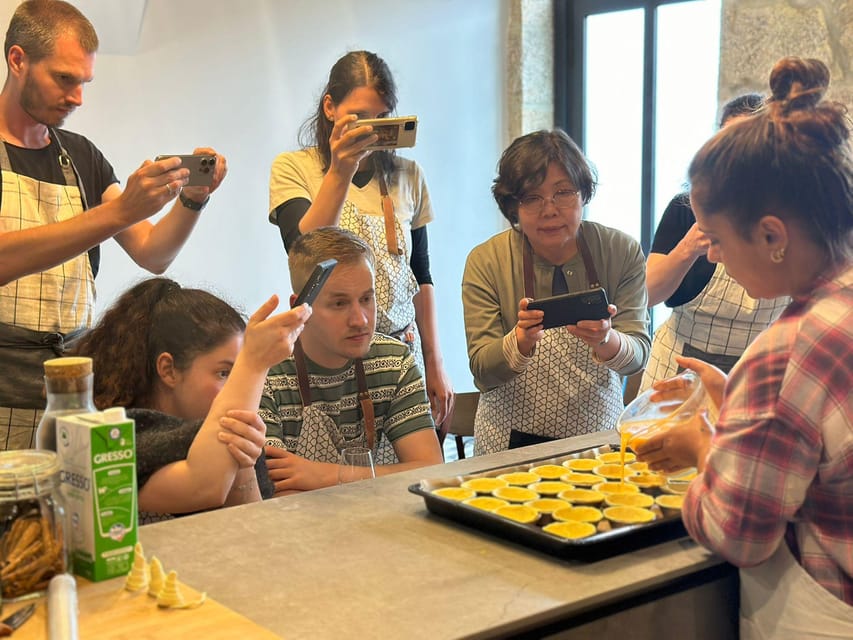
Some desserts teach you how to make them, this one does. In Porto, this Pastel de Nata class lets you learn Portuguese pastry secrets and then bake your own from scratch custard tarts, with hosts like Vanessa, Clara, and Mariah guiding the action.
I especially like the step-by-step, hands-on setup where you genuinely take part in the phases, not just watch. I also love the added cultural touch, a shared glass of wine and relaxed conversation while the pastries are coming together.
One thing to plan around: they close the door at the scheduled start time, and this workshop is adults-only with strict age limits (no kids under 15).
In This Review
- Key takeaways before you book
- Pastel de Nata, made from scratch in Porto’s North
- The 2.5-hour flow, from first instructions to warm tasting
- Why making the dough is the big value move
- The custard tart assembly and baking, guided not rushed
- Wine, conversation, and the Portuguese food lens
- Group setup, participation style, and the pace you should expect
- What you eat, what you take home, and how much satisfaction to expect
- Price and value for a $50 Porto pastry workshop
- Who this pastel de nata class fits best
- Practical tips so you get the full experience
- Should you book this Pastel de Nata cooking class in Porto?
- FAQ
- Is the Pastel de Nata cooking class in Porto hands-on?
- How long is the Porto Pastel de Nata class?
- What is included in the price?
- Is hotel pickup or drop-off included?
- Are children allowed?
- Is the class suitable for gluten or lactose intolerance?
Key takeaways before you book
Make the dough too, not just assemble
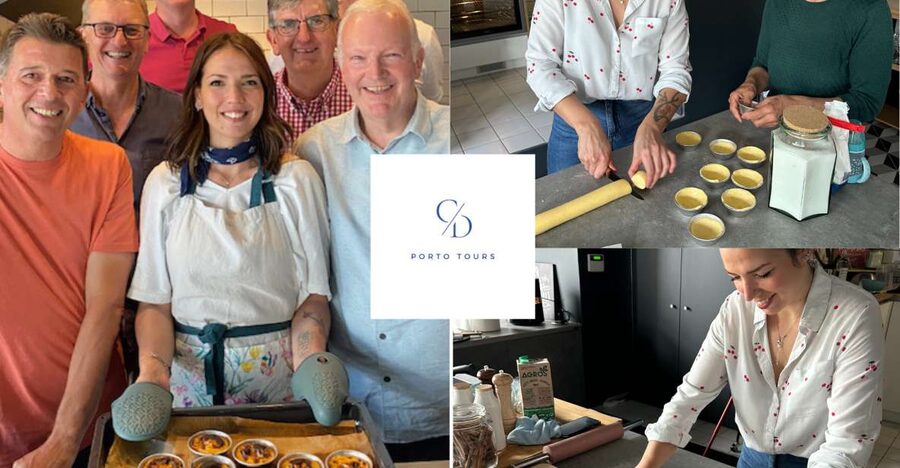
This class focuses on doing the work yourself, including the dough. That changes how confident you feel at home.
English instruction and a friendly, turn-taking pace
The host runs the flow and brings people in at each phase, so you are never stuck guessing what to do next.
Wine and Portuguese food talk during the bake
You get a glass of wine and a gastronomic chat, which makes it feel more like a social local moment than a cooking demo.
You will eat warm pastries right away
Expect freshly baked results during the session, not just a take-away box.
Not for gluten or lactose intolerance, or anyone under 15
If these are your needs, you should look for another option in Porto.
Pastel de Nata, made from scratch in Porto’s North
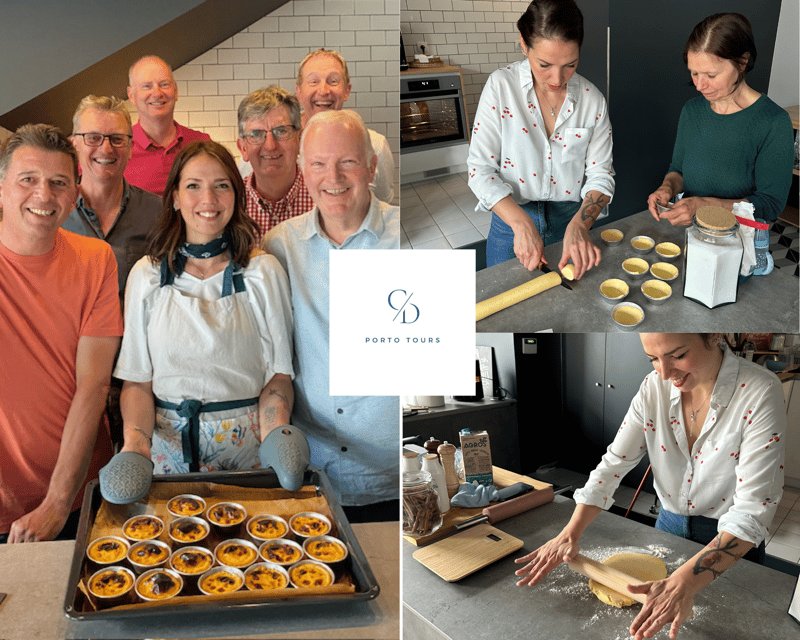
Porto has no shortage of pastries, but this class is special because it teaches you the craft behind the famous custard tart. You are not just assembling something pre-made. You learn how the dough comes together, and you get coached through the full process, guided by an English-speaking host such as Ana, Clara, or Mariah.
The result is a skill you can actually use later. Once you have worked with the dough and seen the timing, you start to understand why one batch comes out silky and another turns out dry. That is the difference between buying a pastry and recreating one.
It is also a good rainy-day plan. Indoors, you get a warm, sensory activity, and the workshop format keeps things moving. If your Porto days are already heavy on walking, this gives you a proper break.
Other benches where Porto hands still make things:
- Vila Nova de Gaia: Cocktail Making Workshop★ 5.0 · 2 reviews
- Gaia: Tile painting workshop, Port Wine and Pastel de Nata★ 1.0 · 1 review
- Porto: Pastel de Nata Pastry-Making Workshop★ 4.9 · 1,542 reviews
- Porto: Tile Painting Workshop with Porto Wine – Sé do Porto★ 4.9 · 1,095 reviews
The 2.5-hour flow, from first instructions to warm tasting
The class runs for about 2.5 hours, and it starts on the scheduled time. This matters because it is run like a real kitchen workflow. When you arrive, you should already be ready to go, because once the session begins, entry is not allowed.
After you meet your host, you will get an overview of the process and then start the practical work. The group alternates roles through the phases of making pastel de nata. In other words, you will likely do different tasks at different times, instead of being stuck on one repetitive job for the whole session.
Here is the basic shape of the experience you can expect:
You begin with dough preparation, since this workshop is known for making the dough as part of the class.
You move into preparing the filling, then into assembling and baking the tarts.
As the oven does its thing, you switch between helping steps and watching what is happening next.
Finally, you taste the warm pastries that come out of the oven.
If you are a non-baker, this is a relief. Several people noted that the steps feel manageable because the host breaks things into clear actions for the group.
Why making the dough is the big value move
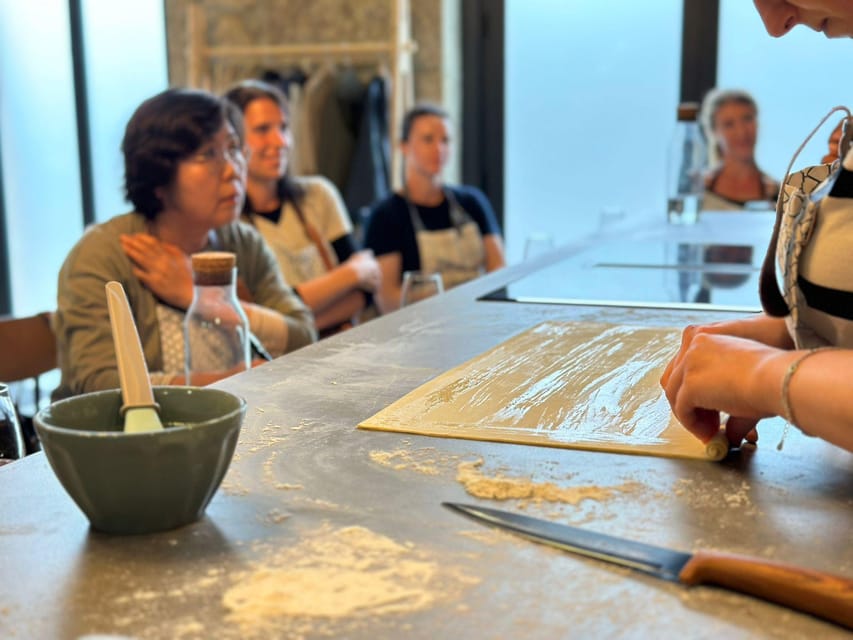
Many cooking classes in popular food cities are technically “hands-on,” but you still do most of the work after the hardest part is already done. This is different. The class is built around you making the dough too, which is exactly what helps you bring the skill home.
When you make the dough yourself, you learn how the texture should feel as you work it. You also see how the dough stage affects everything downstream: filling spread, bake behavior, and the final pastry layers you expect from pastel de nata.
It is also psychologically easier to remember later. If you only assemble, it is easy to forget which step mattered most. But when you have made the dough, you know the “start point” that changed your final result.
So if your goal is not only to eat Porto custard tarts, but to recreate them, this is the right emphasis.
The custard tart assembly and baking, guided not rushed
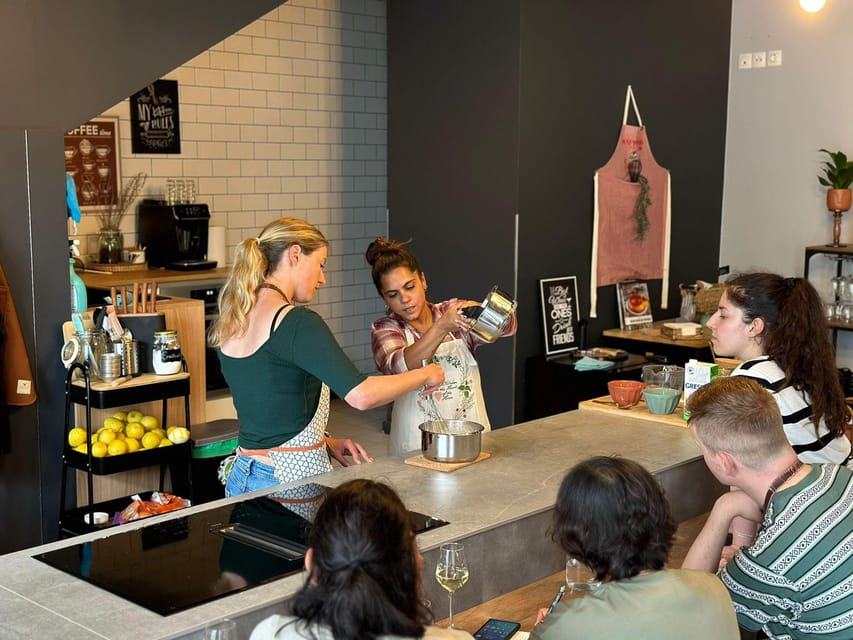
The host keeps the workshop organized through the different phases of pastel de nata. With groups that can include up to 12 people, they rotate tasks so everyone gets a chance to participate.
You are not expected to multitask like a professional pastry chef. The instruction is paced so you can focus on what is happening in front of you. People repeatedly praised how approachable it feels even if you do not bake much.
As the tarts bake, the kitchen smells like Portugal. That is one of those details that sounds silly until you experience it. The room turns into a “wait for the oven” moment, and the host keeps the energy up while you watch for the right timing.
If you care about technique, ask questions. Many participants specifically highlighted the tips and tricks that make a difference, not just the recipe.
Wine, conversation, and the Portuguese food lens
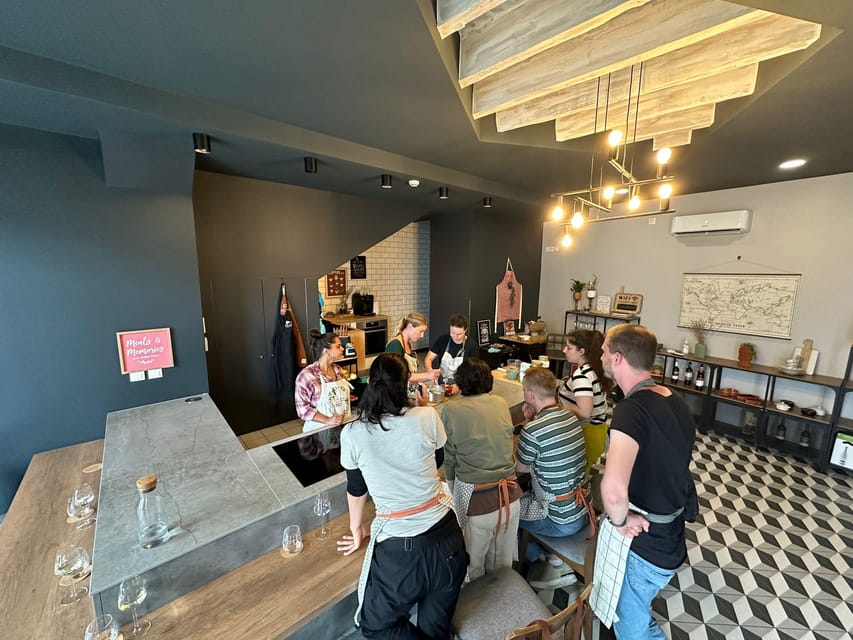
This class includes a glass of wine, and it is part of the social rhythm of the workshop. While pastry bakes, you get a gastronomic conversation that ties food to Portuguese culture and history.
That piece matters more than people expect. Pastel de nata is not only a dessert, it is an identity marker. When you learn the backstory and get a few cultural pointers while you work, you remember the experience for longer than a typical cooking class where everything is just steps and measurements.
Also, wine turns the class into a “hang out and learn” event. You are still baking, but the atmosphere is relaxed. Several guests pointed out that hosts were funny and engaging, which helps if you feel self-conscious about cooking in a group.
Just keep the rules in mind. They do not allow intoxication, and smoking indoors is not part of the deal.
More Portuguese cooking, hands in the dough:
- Porto: Pastel de Nata Cooking Class with Port Wine – Sé
★ 4.8 · 888 reviews - Pastel de Nata | Workshop from scratch | Porto’s city center
★ 5.0 · 449 reviews - Porto: Pastel de Nata Cooking Class with Porto Wine (Sé do Porto)
★ 5.0 · 340 reviews - Porto Local Market Visit & Cooking Class / Showcooking
★ 5.0 · 206 reviews
Group setup, participation style, and the pace you should expect
This is a group workshop for adults, with no children under 15 allowed. There is also a policy that companions are not allowed inside, so you should plan to be there as a participant.
The format is built around shared work. The host invites participants up for specific steps, then shifts you back to help elsewhere. That turn-taking is one of the reasons people said it felt inclusive and not intimidating.
Group size is usually small, and some sessions are described as modern, show-kitchen style, with the group sitting together around a shared table. That setup helps because you can see what the host is doing and also stay part of the conversation.
Timing is also key. It is designed to keep the pastry on schedule. The drawback is also simple: if you arrive late, you will not be able to enter once the door closes at the start time.
What you eat, what you take home, and how much satisfaction to expect
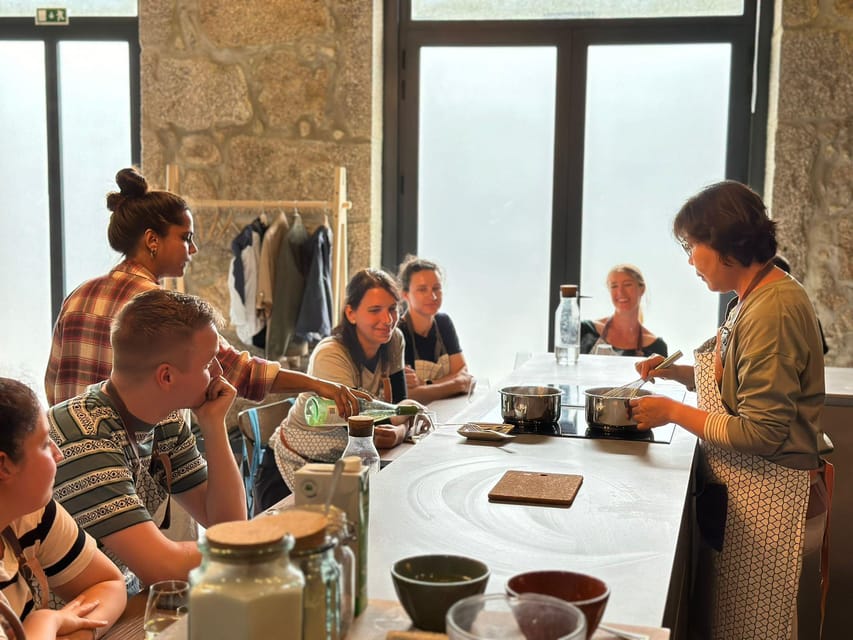
You will enjoy the learning results with warm pastries after the baking stage. Since this is a hands-on class, tasting feels like finishing a project, not sampling a product.
You should expect pastries included in the experience, and multiple guests reported that the pastries tasted great right out of the oven. Some people also mentioned take-home portions, like leaving with extra pastel de nata. The exact amount can vary, but the general vibe is generous.
If you are bringing dessert cravings to Porto, this class delivers. You get the immediate satisfaction of eating warm custard tarts, plus the long-term satisfaction of carrying home a technique you can repeat.
Also, you may receive the recipe digitally after the class. One guest specifically mentioned getting it via a QR code, which is a smart way to help you cook again without stuffing paper into your bag.
Price and value for a $50 Porto pastry workshop
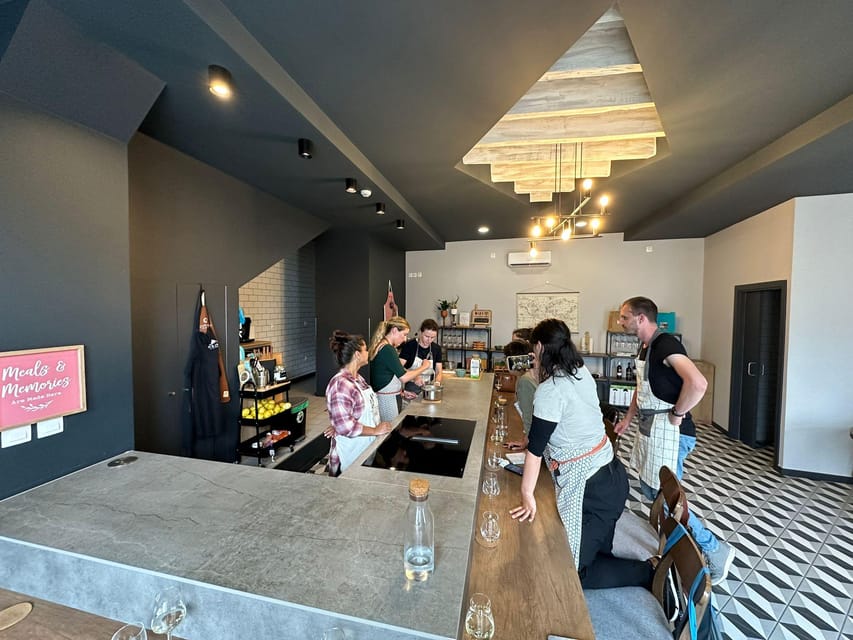
At $50 per person for 2.5 hours, you are paying for three things that are not cheap separately:
An instructor guiding you through each phase
Ingredient and equipment access inside a real workshop setting
The included tasting pastries plus a glass of wine
Here is how I judge value for a class like this. If you learn only assembly, you can recreate the result, but you may still struggle with pastry texture and dough behavior. If you make the dough too, you reduce the biggest gap between “tasty” and “authentic.”
Add in the English instruction and the fact that the host keeps the group moving. For many visitors, that combination makes the class worth it, especially when Porto food tours are crowded and expensive in other formats.
You are also getting a more relaxing break from Porto’s walking pace. When a day is already full, a warm indoor activity with wine can feel like good money spent.
Who this pastel de nata class fits best
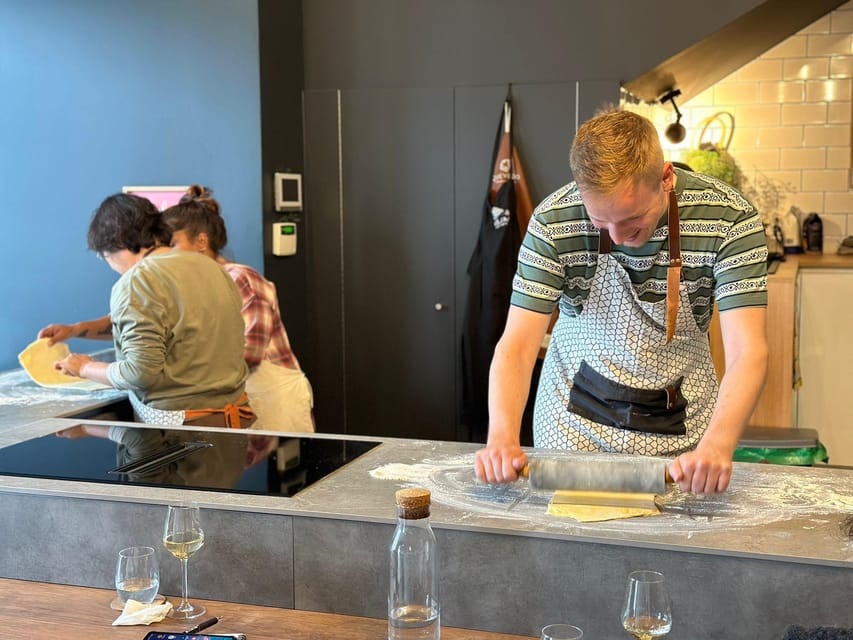
This is a great match if you want an authentic Portuguese food experience you can repeat at home. It suits:
Food lovers who want technique, not just tasting
First-time bakers who prefer structured, turn-taking guidance
Couples and solo travelers who like a social kitchen environment
Rainy-day planners who want a warm activity without long museum lines
It is not a good fit if you:
Need gluten-free or lactose-free options, because the class is not suitable for gluten intolerance and lactose intolerance
Travel with kids under 15, because children are not allowed in group workshops
Plan to bring companions who want to watch from outside, because companions cannot enter the space regardless of age
Practical tips so you get the full experience
Here are a few practical things that will make your session smoother.
Arrive early and be ready to go at the scheduled start time. This is not one of those classes you can drift into later.
Go in with a clear understanding that you will be working with food and in a kitchen environment. Wear clothes you do not mind getting a little pastry dust on.
Plan for alcohol rules: the minimum age to consume alcoholic beverages in Portugal is 18, and they do not allow intoxication.
If you have dietary restrictions, do not assume swaps are possible. The activity is explicitly not suitable for gluten or lactose intolerance.
Also, meeting point can vary depending on the option you booked. Double-check your details before you leave your hotel so you do not waste the first 20 minutes of class time searching.
Should you book this Pastel de Nata cooking class in Porto?
If you want pastel de nata as a skill, not just a souvenir, I think this is an easy yes. The big selling point is learning the dough from scratch, then building the tarts with guided instruction and eating warm results during the session. You also get a glass of wine and a culture-focused conversation, which makes it feel like something you remember, not just something you ate.
I would skip it only if the strict rules are a mismatch for you, especially the no-late-entry policy and the adult-only format with no children under 15. And if gluten or lactose is a concern, you should choose a different food activity instead of hoping for substitutions.
FAQ
Is the Pastel de Nata cooking class in Porto hands-on?
Yes. It is a group workshop where participants alternate through different phases of making the pastel de nata, including making the dough too. You also get to enjoy the pastries once they are baked.
How long is the Porto Pastel de Nata class?
The class lasts about 2.5 hours.
What is included in the price?
The experience includes the pastry class, an instructor, pastries, and a glass of wine.
Is hotel pickup or drop-off included?
No. Hotel pickup and drop-off are not included.
Are children allowed?
No. This workshop is for adults, and children under 15 are not allowed to join for logistical and safety reasons.
Is the class suitable for gluten or lactose intolerance?
No. It is not suitable for people with gluten intolerance or people with lactose intolerance.
Fresh off the Porto quays




Cooking Classes, compared.
Pastel de Nata Cooking Class with Port Wine – Sé
Read our review →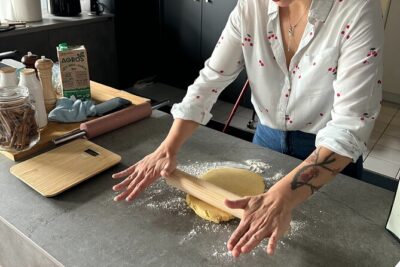
Pastel de Nata | Workshop from scratch | Porto’s city center
Read our review →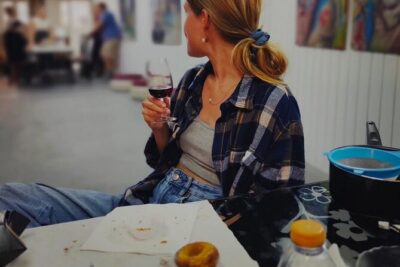
Pastel de Nata Cooking Class with Porto Wine (Sé do Porto)
Read our review →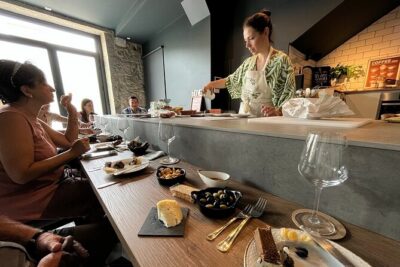
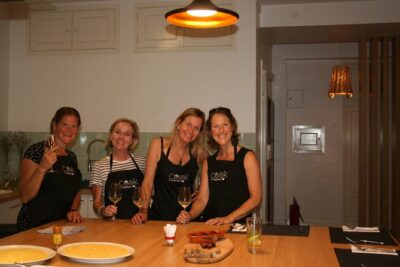
Portuguese Cooking Class in Porto with Portuguese Wine
Read our review →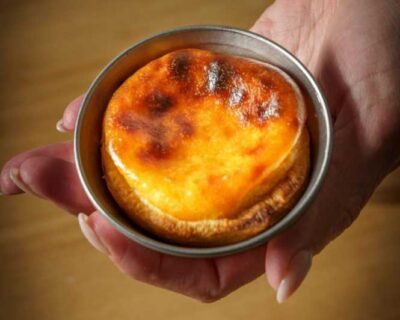
Porto center- Workshop “A nata do BJ” making pasteis de nata
Read our review →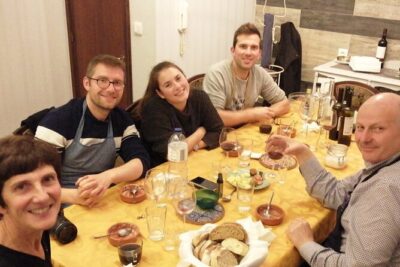
Shopping, cooking and eating together at my home in Porto
Read our review →Browse the lists this tour appears in