
Reviewed · COOKING CLASSES
Porto center- Workshop “A nata do BJ” making pasteis de nata
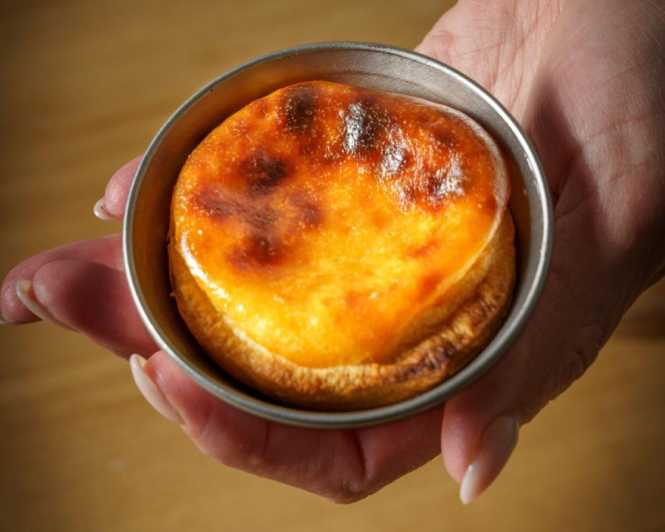
Porto smells like sweet pastry and good company. I like the fact that you learn Pastéis de Nata step-by-step in a relaxed home-style setting, not a rushed demo. And I really enjoyed the way Virginia turns the waiting time into a cozy moment with Portuguese music and drinks.
You do need to plan around the limits: this workshop can’t host children under 6 or people with reduced mobility, and instruction happens in Portuguese or French.
In This Review
- Key highlights worth your attention
- Porto Pastéis de Nata Workshop, made in the city center with Virginia
- Where the class meets you: BJ, second floor, Apartment E
- Who teaches and how the class works in practice
- The 2-hour flow: from dough work to oven time
- Step 1: Get your utensils and set up
- Step 2: Learn the family recipe technique, A to Z
- Step 3: While they bake, you actually get to enjoy Portugal
- Step 4: Finish, taste, and take it in the garden
- What’s included: drinks, utensils, and insurance
- The “small group” advantage you will feel immediately
- Skill level: this class is beginner-friendly, but not fake-easy
- How the Port, coffee, and Portuguese music enhance the waiting time
- Price and value: about $41 for a hands-on lesson plus drinks
- Practical considerations before you book
- This class has age and mobility limits
- Language is Portuguese or French
- It is a short workshop
- Best match: who will enjoy this workshop most
- Tips to get the most out of your Pastéis de Nata class
- Should you book A nata do BJ Pastéis de Nata workshop?
Key highlights worth your attention
- Family-style guidance from Virginia, with techniques explained for people who do not bake much
- Small group of up to 6, so you get hands-on time and real coaching
- A to Z workflow, from preparing your pastries to tasting them straight from the bake
- Drinks included, including coffee, water, juice, and Port wine while the oven does its job
- End in the garden, where you finish your Pastéis de Nata with a final sip and beverage
Porto Pastéis de Nata Workshop, made in the city center with Virginia
If you want the real taste of Portugal, start with the pastry that everyone argues about. Pastéis de Nata are famous for a reason, but they are also the kind of thing that can go wrong if you only guess. That is why this Pastéis de Nata workshop in Porto center feels like a smart use of your time. You get the recipe learning, the technique practice, and a genuinely warm social atmosphere, all inside about two hours.
This class is also a nice change of pace from food tours that focus on tasting only. Here, you learn how to make the pastry, then you sit down with it. You leave with food you made yourself, plus the confidence to try again at home.
Other benches where Porto hands still make things:
- Porto: Pastel de Nata Pastry-Making Workshop★ 4.9 · 1,542 reviews
- Porto: Tile Painting Workshop with Porto Wine – Sé do Porto★ 4.9 · 1,095 reviews
- Porto: Pastel de Nata Cooking Class with Port Wine – Sé★ 4.8 · 888 reviews
- Porto: Small Group Surf Lesson with Transportation★ 4.9 · 594 reviews
Where the class meets you: BJ, second floor, Apartment E
The meeting point is easy once you know what to look for. BJ is written above the door. You ring the bell on the 2nd floor, and you’ll be at Apartment E.
The location matters. Being in the center of Porto means you can fit this into almost any day plan without a long commute. It also helps keep the experience personal, because the class is designed like a small host visit rather than a big factory tour.
Who teaches and how the class works in practice
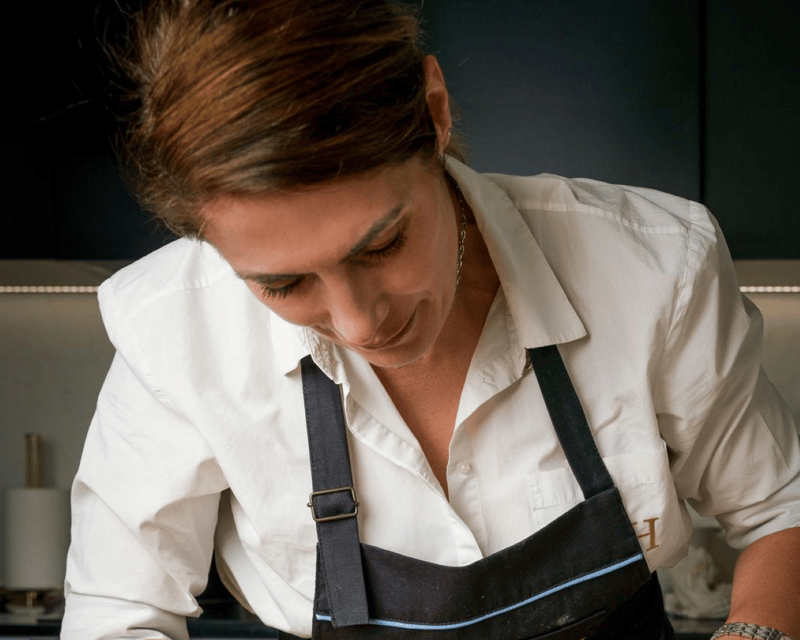
Your host is Virginia, with instruction in Portuguese or French. The vibe is friendly and hands-on. I like this format because it is not about fancy chef performance. It is about technique you can actually repeat.
In particular, the teaching style seems to work for beginners. Even if you have zero pastry experience, you can still follow along, because the steps are explained clearly and you get tips along the way. And since it is a small group limited to 6 participants, you are not lost in a crowd. People can ask questions while you work, and you can watch how others handle the same step.
Language is the main thing to consider. If you know only English, you might feel slightly less comfortable during explanations. But since the class offers Portuguese or French, it is often a good fit if you can follow one of those well enough to understand basic cooking instructions.
The 2-hour flow: from dough work to oven time
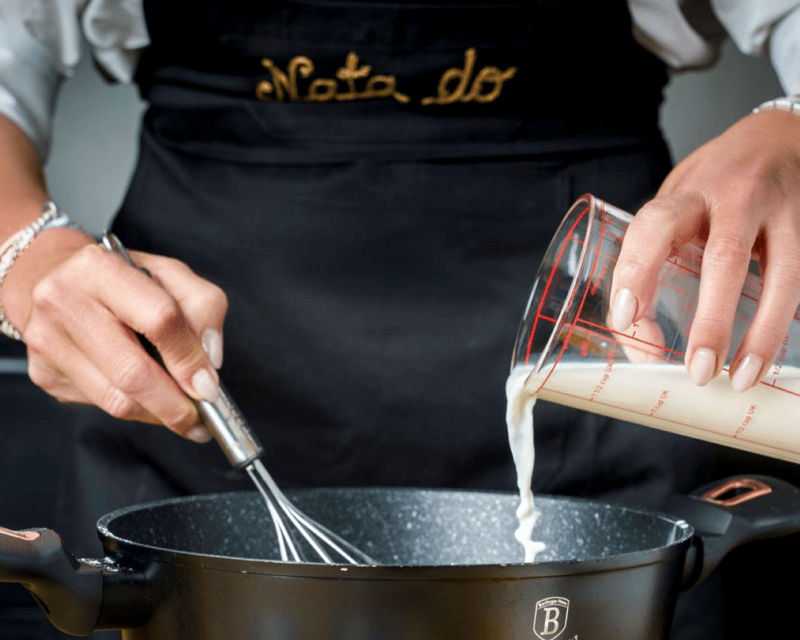
The workshop runs for two hours, and the structure is simple and efficient. You move through the recipe from start to finish, in a relaxed pace that still feels focused.
Here is what the timeline feels like:
Step 1: Get your utensils and set up
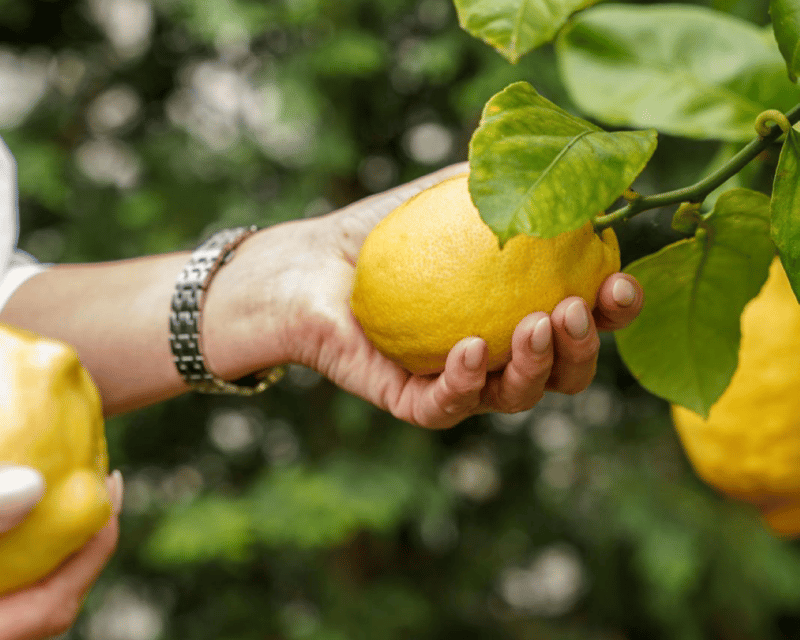
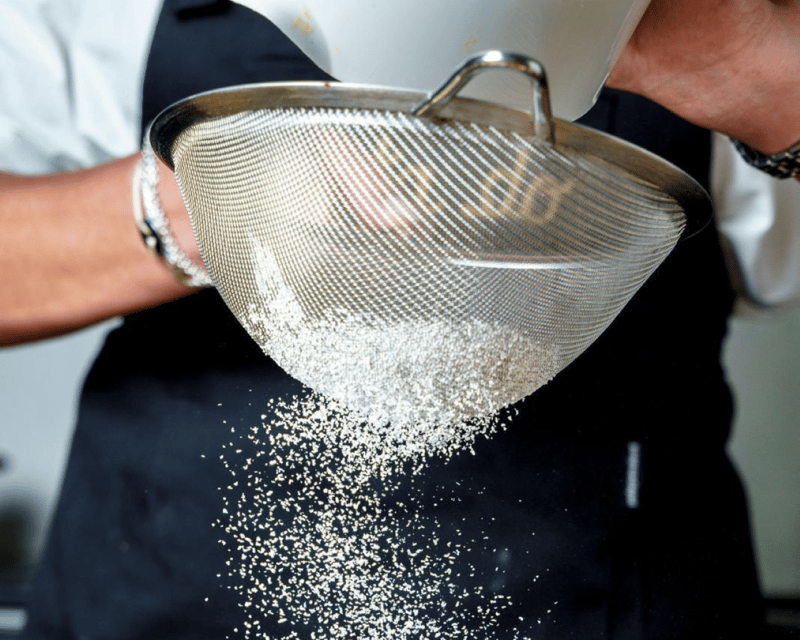
You are provided with utensils, so you do not show up wondering what you need. You also get access to local products used for the pastry making process. That matters for value. You are not paying for a vague experience where ingredients are generic. You are paying to make something recognizable and authentic.
More Portuguese cooking, hands in the dough:
- Pastel de Nata | Workshop from scratch | Porto’s city center
★ 5.0 · 449 reviews - Porto: Pastel de Nata Cooking Class with Porto Wine (Sé do Porto)
★ 5.0 · 340 reviews - Porto Local Market Visit & Cooking Class / Showcooking
★ 5.0 · 206 reviews - Portuguese Cooking Class in Porto with Portuguese Wine
★ 5.0 · 110 reviews
Step 2: Learn the family recipe technique, A to Z
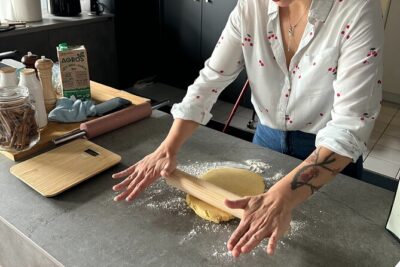
Virginia guides you through the process from A to Z. That means you are not only mixing once and then watching someone else. You complete the key stages so you understand where the texture and shape come from.
Pastéis de Nata depend on small choices. Things like how you handle the pastry layers, how you portion and shape, and how you manage the filling make a noticeable difference. The coaching here is aimed at helping you avoid the most common home-baker mistakes.
Step 3: While they bake, you actually get to enjoy Portugal
Once your pastries are in the oven, the class doesn’t just stop. You get to enjoy drinks and conversation during the waiting period. There’s a nice touch of traditional Portuguese music, plus time to relax.
This is genuinely useful. Baking can feel long when you are excited. Here, you get a social break rather than a dead pause.
Step 4: Finish, taste, and take it in the garden
When the pastries come out, you do not just stand around with a warm plate. You get to enjoy your Pastéis de Nata with Port wine and/or a hot or cold beverage in Virginia’s garden.
That garden moment is not a gimmick. It is a calm ending that lets you appreciate what you made, with a Porto classic pairing.
What’s included: drinks, utensils, and insurance
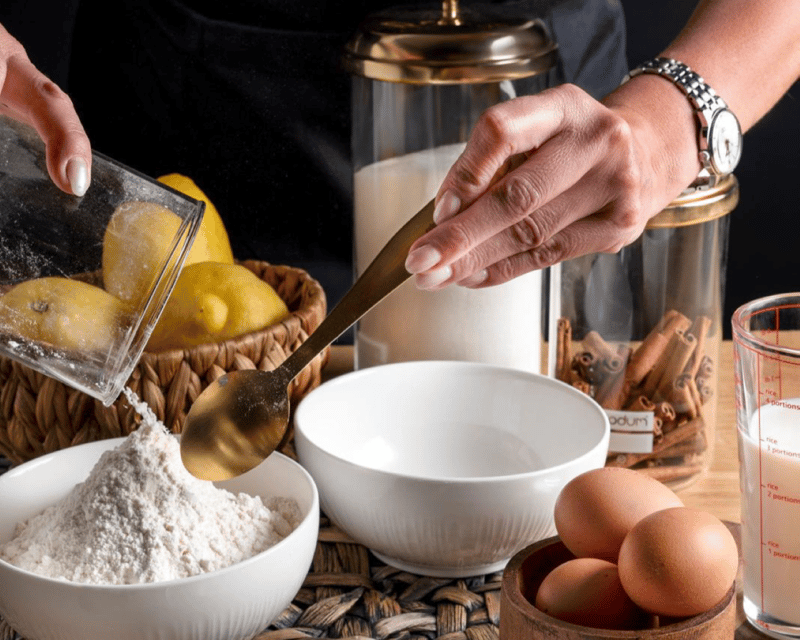
This is where the class feels like good value, not just a fun activity.
Included items:
- Utensils
- Beverages, including coffee, water, juice, and Port wine
- Insurance
Those inclusions matter because they save you money and planning. You do not need to add a café stop during the same window. You also get Port wine as part of the experience, not as a separate add-on.
And since the group is small, the drinks are not just a token. You get time to enjoy them without juggling a busy crowd.
The “small group” advantage you will feel immediately
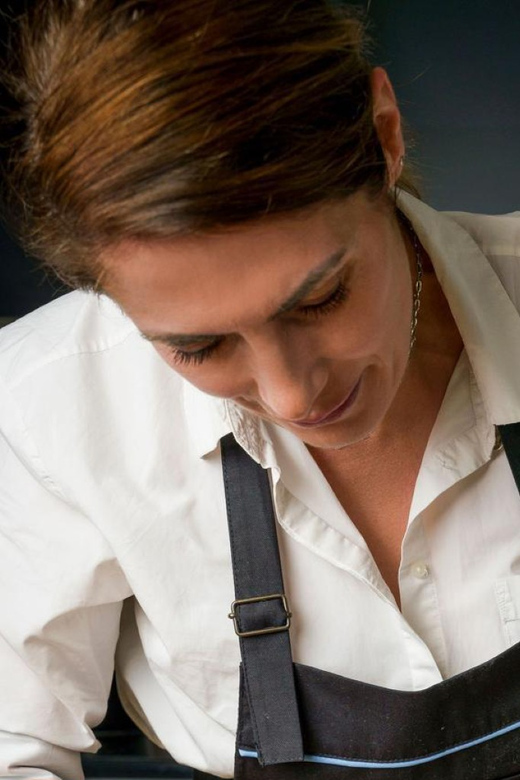
Limiting the group to 6 participants changes the whole energy. In a bigger class, you can feel like a passenger. Here, you feel like you are working with a host who cares if your pastries come out well.
That shows in how Virginia interacts. People describe her as attentive and helpful, and the tone is relaxed rather than strict. You learn faster when you feel comfortable asking questions.
Small-group also makes it easier to bond. If you come with a partner, it feels like a shared project with built-in conversation. If you come with older kids or teens, it can feel more like a family cooking moment than a formal class, as long as everyone meets the minimum age requirement.
Skill level: this class is beginner-friendly, but not fake-easy
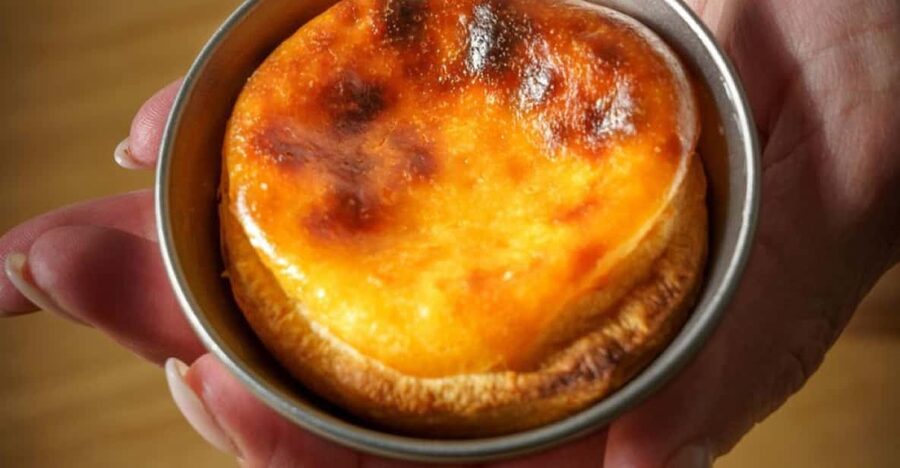
You might worry that Pastéis de Nata are too technical. The good news is that the instructions are accessible. Even people without pastry experience can follow the steps because you get clear explanations and practical tips.
That said, baking does require attention. The experience is not lazy. You will work with dough and filling and you will learn what the pastry should look like at each stage. If you want a hands-on class where you learn real technique, this is the right kind of “beginner-friendly.”
If you want a class where everything is done for you, you might be disappointed. This one expects you to participate.
How the Port, coffee, and Portuguese music enhance the waiting time
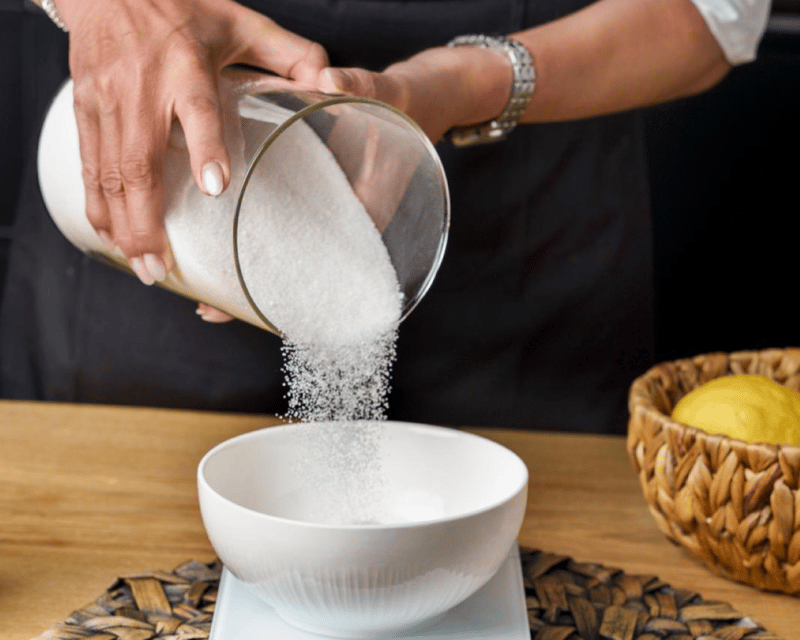
Waiting for pastries to bake is the hardest part of learning pastry. This workshop handles it well.
You get:
- drinks like coffee, water, juice
- Port wine during the cooking period and/or at the end
- traditional Portuguese music while the pastries cook
That turns time into part of the experience. It also gives you a sense of what Portuguese hospitality feels like when it is not staged for tourists. You are not just watching a timer, you are enjoying the moment.
Price and value: about $41 for a hands-on lesson plus drinks
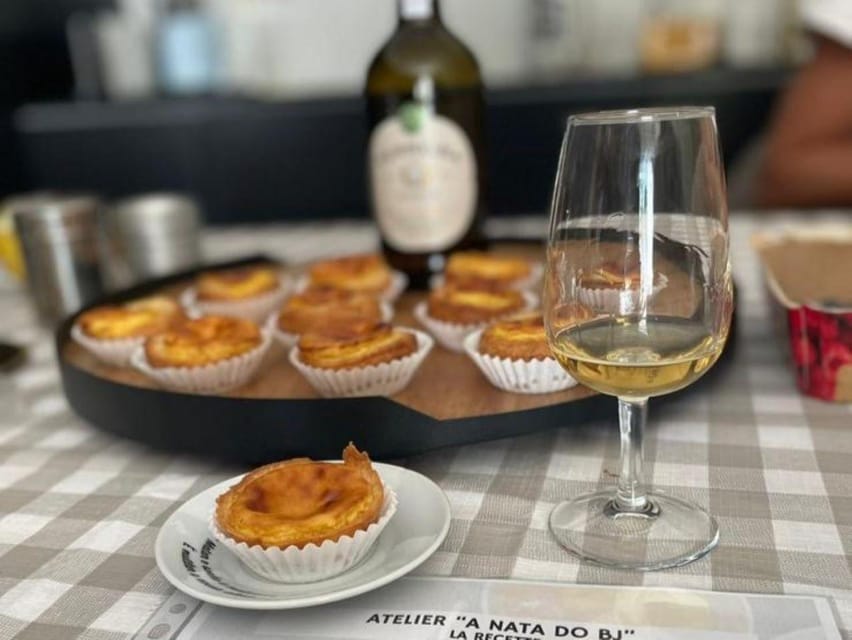
At $41 per person for two hours, this is not a budget-only class. But it can still be a strong value depending on what you want from Porto.
You are paying for:
- a hands-on Pastéis de Nata lesson with utensil support
- included beverages, including Port wine
- a small group format that makes the teaching more personal
- insurance
If you compare it to doing a tasting only, this gives you more. Tastings teach flavor, but they do not teach technique. Here you get both, and you leave with pastries you made.
And if you plan to eat dessert anyway, the included drinks and sit-down tasting help offset the cost. The price becomes easier to justify because you are getting a full, hosted experience inside a short time window.
Practical considerations before you book
Here are the main “think ahead” points that affect your enjoyment.
This class has age and mobility limits
It can’t host:
- children under 6
- people with reduced mobility
So, if any member of your group falls into those categories, you’ll need another option.
Language is Portuguese or French
Workshops run in Portuguese or French. If you are comfortable with either, you will likely enjoy it more. If you are not, you may still be able to follow along through hands-on guidance, but you might miss some verbal tips.
It is a short workshop
Two hours is perfect for a first timer. It is also short. If you want a long cooking session or lots of extras, you might feel the time is “over fast.” Still, the short format is part of why it works so well in a city schedule.
Best match: who will enjoy this workshop most
This is a great fit if you want:
- a hands-on Porto food experience
- a small group setting where you can ask questions
- a beginner-friendly recipe that you can try again later
- a cozy end with Port wine in a garden
It can also work well for families when teens and older kids can participate comfortably. Just remember the minimum age rule.
If you only want to snack and watch, you may prefer a different type of tour. But if you want to leave with a skill, this class is built for you.
Tips to get the most out of your Pastéis de Nata class
You do not need to be a baker. You just need to show up ready to learn.
- Go hungry, then pace yourself. You are tasting at the end with drinks.
- Pay attention to the steps you can repeat. The best souvenirs here are technique notes, not only photos.
- Ask about what helps pastries succeed at home. The class includes tips meant to help you recreate the results later.
- If you plan to come with multiple people, remember the group is small. Booking early helps you keep your schedule aligned.
Should you book A nata do BJ Pastéis de Nata workshop?
I would book it if you want a genuine Porto food moment that is more than eating. For $41, you get a small-group class, utensil support, drinks including Port wine, a guided recipe, and a friendly host experience with Portuguese music. You also get the kind of home-baker confidence that comes from doing the steps yourself.
Skip it if:
- someone in your group is under 6
- anyone has reduced mobility
- you know you will struggle with Portuguese or French instruction
- you prefer tasting-only experiences over hands-on cooking
If you are deciding between “watch and taste” and “make something yourself,” choose the second. This workshop gives you a real skill, plus a dessert that tastes like you earned it.
Fresh off the Porto quays





Cooking Classes, compared.
Pastel de Nata Cooking Class with Port Wine – Sé
Read our review →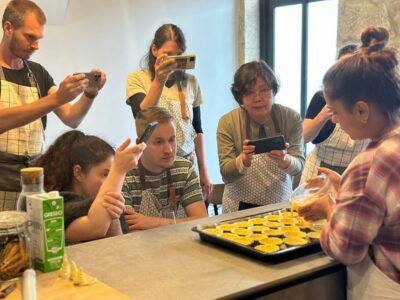
Pastel de Nata | Workshop from scratch | Porto’s city center
Read our review →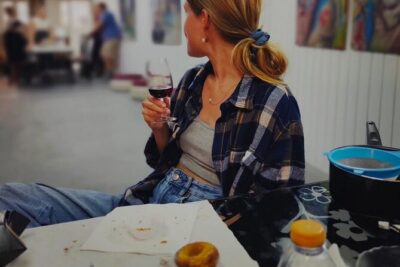
Pastel de Nata Cooking Class with Porto Wine (Sé do Porto)
Read our review →
Portuguese Cooking Class in Porto with Portuguese Wine
Read our review →
Shopping, cooking and eating together at my home in Porto
Read our review →Browse the lists this tour appears in