
Reviewed · PORT WINE TASTINGS
Port Wines & Chocolate Pairing
Port and chocolate is a smart pairing. I love how this stop pairs three Quevedo Port styles with bean-to-bar chocolates you can actually taste, then explains why each match works. The one thing to watch is that it is only 40 minutes, so you taste three ports and then you are done, not a long flight.
It also helps that this is in the heart of Vila Nova de Gaia, right by Santa Marinha Church, so you are not wasting time on travel between stops. One more nice touch: it runs with a small group of up to 8, which keeps the conversation practical and easy, even if you are new to Port.
In This Review
- Why This Port and Chocolate Tasting Feels Worth Your Time
- Key Details You Should Know Before You Go
- Finding the Spot in Vila Nova de Gaia (Santa Marinha Church Area)
- Meet Quevedo and Learn Port Basics Without the Snobbery
- The 40-Minute Flow: How the Tasting Works
- Stop 1: Late Bottled Vintage (LBV) With Raspberry Chocolate
- Stop 2: 10 Year Old White Port With Dark Chocolate and Candied Orange
- Stop 3: 20 Year Old Tawny Port With Praline and Pepper Chocolate
- Why the Vineyard Story Matters (Even for Non-Wine People)
- The Value Math: Why $34 Feels Fair for What You Taste
- Who Should Book This Port and Chocolate Pairing
- Final Thoughts: Should You Book This Port and Chocolate Tasting?
- FAQ
- What is included in the Port and Chocolate tasting?
- How long is the experience?
- Where is the meeting point?
- How much does it cost?
- Is this a small group experience?
- What languages do the hosts speak?
- Is the experience wheelchair accessible, and who is it not for?
Why This Port and Chocolate Tasting Feels Worth Your Time
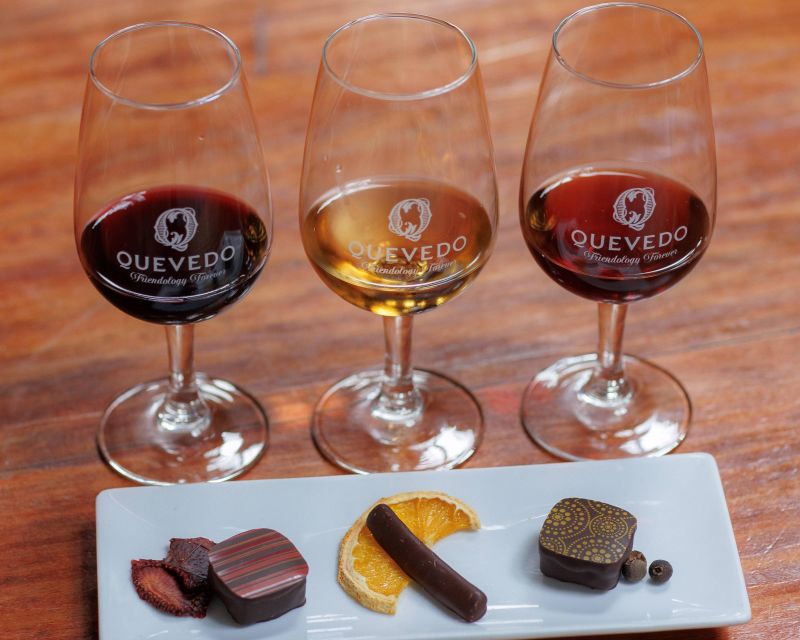
This is the kind of experience you do when you want something quick, focused, and fun without turning it into a half-day event. You get a proper Port introduction, but the real hook is the pairing: Port has strong flavors, then chocolate brings sweetness, bitterness, spice, and fruit notes. Put them together in a thoughtful order and your palate starts noticing details fast.
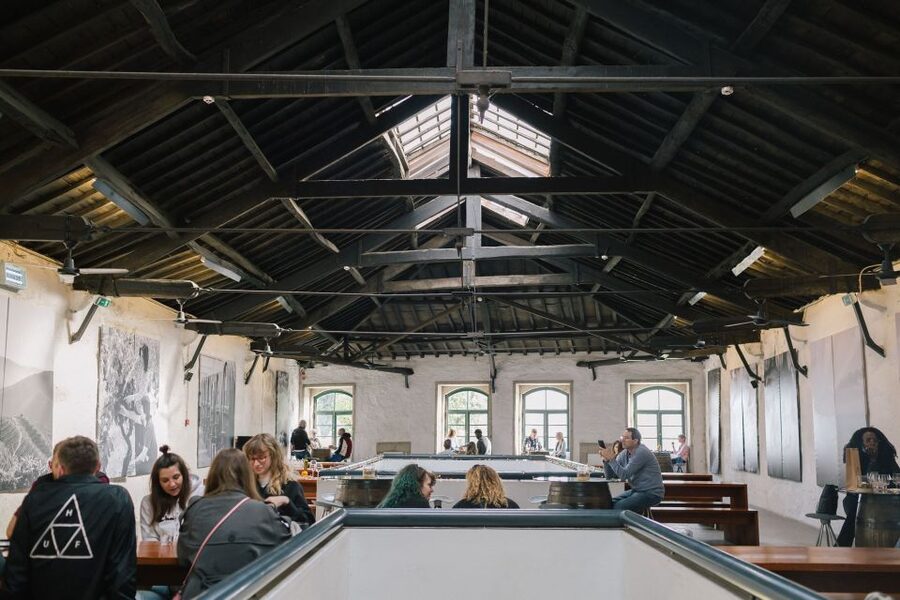
The setting in Vila Nova de Gaia also matters. Instead of doing this as a rushed tasting in a back room, you have a spot to chill at their lodge, then the staff walks you through what you are tasting. The result is that you leave feeling like you learned something you can use, not just because you ate chocolate.
Key Details You Should Know Before You Go
- Three specific Quevedo Ports: Late Bottled Vintage, 10 Year Old White Port, and 20 Year Old Tawny Port.
- Exact chocolate pairings: Raspberry chocolate, dark chocolate with candied orange, and praline with pepper chocolate.
- Order that helps your palate: You start with LBV, then move through the lighter White Port, then finish with the older Tawny style.
- Small group limit: Up to 8 participants, with staff directing you to the tasting once you arrive.
- Douro Valley focus: The wines are raised, matured, and bottled in the Douro Valley.
- Great for first-timers: Friendly staff explain the differences in a way that works even if you have never had Port before.
More port poured across the river:
- Porto: Charming Sailboat Cruise with Port Wine,Sunset Option★ 5.0 · 1,978 reviews
- Vila Nova de Gaia: Port Wine Tasting with Cheese Pairing★ 4.8 · 1,074 reviews
- Porto: 6 Bridges Port Wine River Cruise with 4 Tastings★ 4.9 · 586 reviews
- Porto: Authentic Fado Concert With Port Wine & Views★ 4.8 · 543 reviews
Finding the Spot in Vila Nova de Gaia (Santa Marinha Church Area)
The meeting point is simple: you are right in front of Santa Marinha Church. If you are coming from the river, walk past the famous Bordalo II “Rabbit” sculpture and you will find the spot.
Practical tip: arrive a few minutes early. The tasting starts when the group is ready, and staff will guide you once you talk to them. This is one of those experiences where being on time matters because the whole thing is designed to fit into a tight 40 minutes.
Also, keep your expectations realistic about pacing. This is not a wandering tour through multiple rooms or neighborhoods. It is a tasting built around concentration: listen, taste, and compare.
Meet Quevedo and Learn Port Basics Without the Snobbery
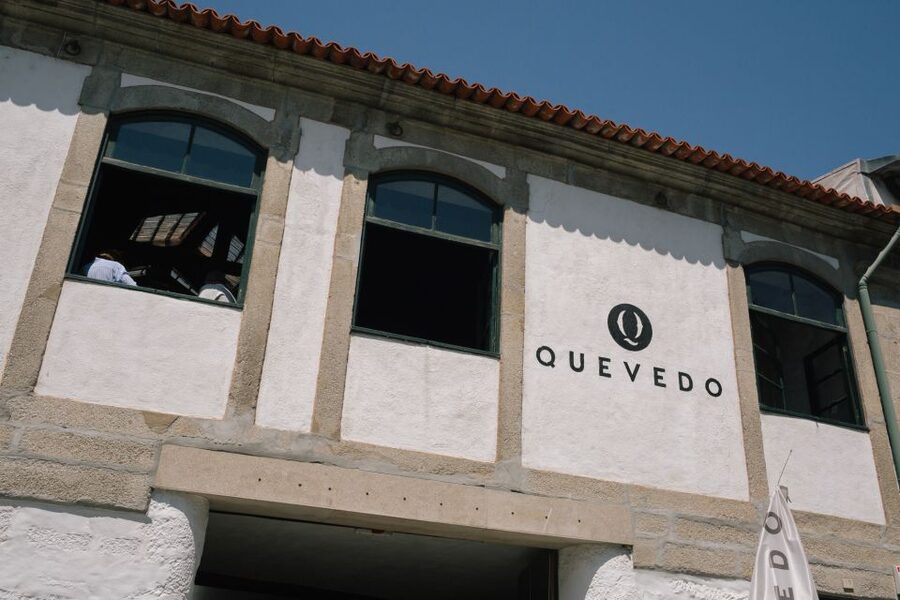
Port wines come from Portugal, but what you drink in a tasting like this is really about style. Port is not one flavor. It is a whole family of wines shaped by grape variety, aging choices, and how long the wine spends in wood or bottle.
This family-owned business has deep ties to making Port, across five generations. One story that gives the tasting extra context: Portugal’s entry into the EU in 1993 allowed them to bottle under their own brand. That means they are newer as a Port house under that name, but the craft behind it is not new.
You also get a clear “where it is made” message. The wines are raised, matured, and bottled in the Douro Valley, and they emphasize that grape origin matters. They cultivate 100 hectares of vineyards and 25 hectares of organic olive groves across five properties. That mix of parcels can create differences in aroma and flavor, and in a tasting, those differences are what you should be looking for.
The 40-Minute Flow: How the Tasting Works
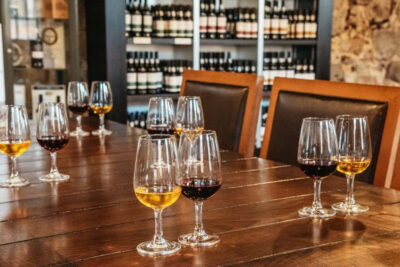
You will spend about 40 minutes tasting three glasses of Quevedo Port wines. That time includes a guided intro and the pairing explanations.
The staff are the engine here. The experience is set up for you to notice differences between styles, not just to enjoy sweetness. The pairings with local bean-to-bar chocolates made in Porto help by giving you a second flavor track to compare against the Port.
If you like tasting experiences with humor and an easy vibe, this is the right length. It is long enough to learn the basics, short enough that you do not feel trapped.
Stop 1: Late Bottled Vintage (LBV) With Raspberry Chocolate
You start with Late Bottled Vintage (LBV), paired with raspberry chocolate. This is a smart first step because LBV tends to show fruit and structure, and raspberry brings both sweetness and acidity. Together, they make the Port’s fruit character more noticeable.
Here is what you can listen for from the guide, and what you can try yourself:
- Notice the Port’s fruit impression, then check if the raspberry chocolate makes that fruit seem brighter or more layered.
- Pay attention to sweetness. Port has it, but chocolate can swing sweetness up or down depending on the recipe.
- Try to separate fruit flavors from drying or warming notes. Port can have a gentle grip, and chocolate can either soften that or highlight it.
Why this pairing is valuable: it teaches you that Port is not just “sweet wine.” If you can match Port fruit with a fruit-forward chocolate, you start understanding how aging and bottling choices translate into taste.
More quintas pouring further up the valley:
- Port Wine Tour | 3 Producers | 7 Wines
★ 4.7 · 7 reviews - Visit to a Port Wine Cellar
★ 4.8 · 5 reviews - Soul of Portugal: an immersive experience of fado, wine, and tradition
★ 5.0 · 5 reviews - Porto:Douro River 6 Bridges tour amazing yatch, Port wine
★ 5.0 · 3 reviews
Stop 2: 10 Year Old White Port With Dark Chocolate and Candied Orange
Next is 10 Year Old White Port, paired with dark chocolate covered candied orange. White Port can be lighter and more delicate than many people expect, and that matters when you pair it with chocolate.
The key here is contrast. Dark chocolate brings cocoa bitterness and depth. Candied orange brings sweetness plus a citrus lift. Orange peel notes and dark cocoa often work together in desserts, but with Port, you get a wine component too, not just sugar.
What to look for during this second tasting:
- Compare body. Feel whether this Port seems less thick than the LBV did.
- Taste the way orange changes the aroma. Citrus can make wine feel fresher, even when the wine is aged.
- Watch the finish. Dark chocolate bitterness can linger, and that lingering effect helps you notice the Port’s own lingering flavors.
This pairing is also a great reality check if you think Port is only for heavy, caramel-like flavors. White Port can be lifted and fragrant, and the candied orange pushes it toward a dessert-like elegance.
Stop 3: 20 Year Old Tawny Port With Praline and Pepper Chocolate
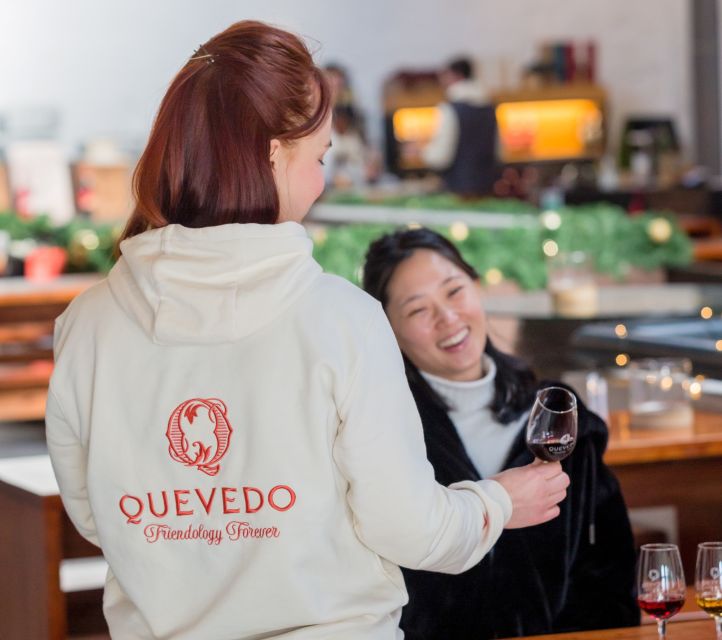
You finish with 20 Year Old Tawny Port, paired with praline and pepper chocolate. Tawny Port is where many people start to connect Port with nutty, toasted, caramel, and spice notes from aging. At 20 years, you should expect more developed character than the younger styles.
Pepper chocolate sounds like an unusual pairing, but it makes sense. Pepper adds warmth and a little bite, while praline brings creamy nuttiness. Tawny Port often has that nutty sweetness already, so the chocolate pairing does not fight it. Instead, it adds new edges.
How to get the most from the final glass:
- First taste the Tawny on its own, then immediately try a bite of chocolate. You are training your palate to see what changes.
- Look for spice. The chocolate’s pepper helps you notice any warming spice notes in the Port.
- Notice texture. Tawny can feel smooth and integrated; praline can feel creamy and rich. Together, they create a “silky dessert” impression.
This is also the part of the tasting where your Port learning starts to stick. You are no longer learning Port in isolation. You are learning how aging style changes what the wine wants to pair with.
Why the Vineyard Story Matters (Even for Non-Wine People)
You might think a tasting is only about the glass. But the background here gives you a useful mental model.
They talk about how grape origin is important, and they back it up with specifics: vineyards plus organic olive groves across multiple properties in the Douro Valley. Even if you never think about farming, this matters because Port styles can shift from place to place. Different lots can bring different aroma patterns, and those patterns show up in the glass when a winemaker blends and ages thoughtfully.
It also helps that they are open about their timeline: five generations of making Port, then the ability to bottle under their own brand in 1993 after EU changes. That story is not needed to enjoy Port, but it makes you feel like you are hearing from people who actually live with the craft.
The Value Math: Why $34 Feels Fair for What You Taste
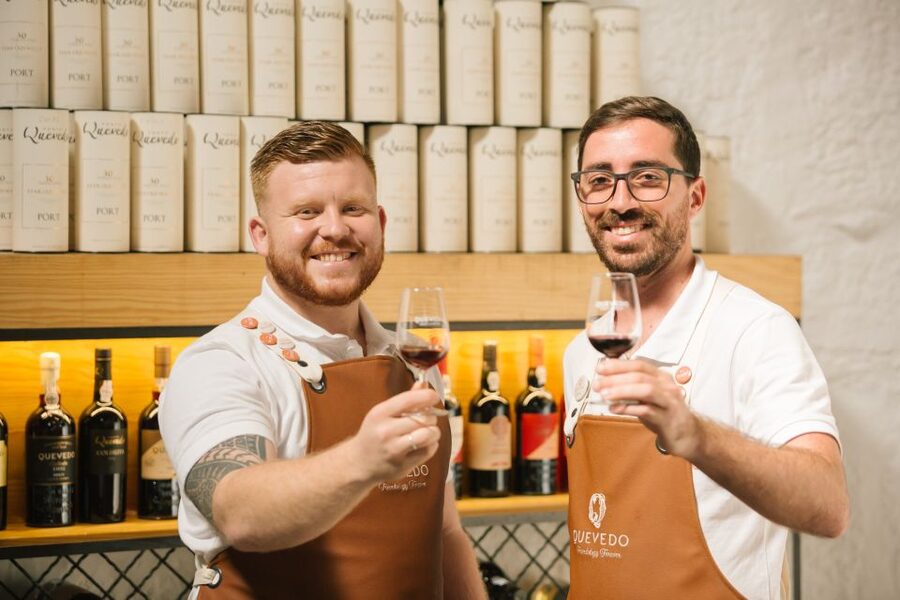
At $34 per person for a 40-minute tasting, you are paying for a curated experience, not just a drink.
Here is the practical value case:
- You get three Port glasses, not one or two.
- Each glass has a specific chocolate pairing, and you are taught how the pairing works.
- The chocolates are bean-to-bar and made in Porto, which gives you something local and not generic.
- The group size is limited to 8, which usually means more interaction time than bigger tastings.
Could you buy a bottle and chocolate and DIY it? Sure. But this experience saves you the trial and error. The guide gives you a tasting framework. That is what makes it feel like value, not just consumption.
Who Should Book This Port and Chocolate Pairing
This is a good fit if you:
- Want a short, high-impact activity in Vila Nova de Gaia.
- Like dessert-style pairings where sweetness, spice, and fruit actually get discussed.
- Are new to Port but want the differences explained clearly.
- Prefer smaller groups where you can ask questions.
It might not be ideal if you:
- Want a long tour through multiple production steps.
- Are hoping for additional bottles beyond the included three wines.
- Are traveling with kids or anyone in the group who is pregnant, since it is not suitable for pregnant women or children under 18.
Final Thoughts: Should You Book This Port and Chocolate Tasting?
I think you should book it if your priority is a focused, friendly introduction to Port plus a real pairing experience. The tasting length is perfect when you are planning a full day around Gaia and Porto, and the three-style flight lets you notice how LBV, White Port, and Tawny Port behave differently with chocolate.
The only real reason to skip is if you want something longer and more production-heavy. This is about taste and pairing, not a big winery day.
If that matches your style of travel, this one is an easy yes. It is short, well paced, and you leave with a better sense of what to order next time.
FAQ
What is included in the Port and Chocolate tasting?
You get a tasting with 3 glasses of Quevedo Port wines paired with bean-to-bar chocolates made in Porto: LBV with raspberry chocolate, 10 Year Old White Port with dark chocolate covered candied orange, and 20 Year Old Tawny Port with praline and pepper chocolate.
How long is the experience?
The tasting lasts about 40 minutes.
Where is the meeting point?
You meet right in front of Santa Marinha Church. If you are coming from the river, walk past the Bordalo II Rabbit sculpture and you will find them. Staff will direct you to your tasting once you arrive.
How much does it cost?
The price is $34 per person.
Is this a small group experience?
Yes. The group size is limited to 8 participants.
What languages do the hosts speak?
The host or greeter speaks Portuguese, English, and Spanish.
Is the experience wheelchair accessible, and who is it not for?
It is wheelchair accessible. It is not suitable for pregnant women or children under 18 years old.
More Dessert Tours in Vila Nova De Gaia
- Porto: Cálem Cellar with Chocolate, Cheese, and Wine Tasting
★ 4.6 · 310 reviews - Porto: Chocolate Museum – Unwrap the Secrets of Chocolate
★ 4.2 · 222 reviews - Porto: Chocolate Museum – Chocolate’s Delicious Journey + Tasting
★ 4.0 · 15 reviews - Porto Small-Group Local Food, Wine, and Sweets Tasting Tour
★ 4.5 · 10 reviews
Fresh off the Porto quays





Port Wine Tastings, compared.

Bridges Cruise & Sunset & Port Wine Cellar Option
Read our review →
Fado & Port Wine in Traditional Portuguese Music Shop
Read our review →What is Fado? Commented Live Concert with Port Wine
Read our review →
Port Wine Lodges Tour Including 7 Port Wine Tastings (English)
Read our review →
Charming Sailboat Cruise with Port Wine,Sunset Option
Read our review →
Douro River Boat Cruise with Port Wine Tasting
Read our review →
Intimate Fado Show & Port Wine in Trindade Noble Hall
Read our review →Browse the lists this tour appears in