
Reviewed · DESSERT TOURS
Porto: Chocolate Museum – Unwrap the Secrets of Chocolate
Chocolate has layers, not just wrappers. At The Chocolate Museum, you get the story behind every bite, with a live, working factory and tastings built right into the flow, plus a clear explanation of bean to bar. The one catch: there is a lot of reading, so if you prefer hands-on activity over text, plan to skim strategically.
I like that the whole visit is timed at 90 minutes and guided by an audioguide in English, Spanish, Portuguese, and French. You show your ticket at The Chocolate Story, and you can use it on your chosen date during opening hours (last entrance is 7:00 PM).
If you are paying $23, you want good value, and this one delivers with multiple chocolate moments, including raw cacao and artisan samples. One practical note: if you want the in-house chocolate factory at work, try not to go on a Sunday, because the factory view is not consistent on that day. Also note that unaccompanied minors are not allowed, so plan for adult supervision.
In This Review
- Key things to know before you go
- Porto Chocolate Museum basics, what $23 buys you
- Your 90-minute route through chocolate history in real life
- Bean to bar in plain terms, from raw cacao to artisan samples
- The live factory experience, and why Sunday can change the view
- Sensory tastings that make the science stick
- Audio guide in four languages, and how to use it well
- Price and the chocolate shop reality check
- What kind of visit this is for kids and families
- Who should book, and who might skip
- Practical tips to get the best experience
- Should you book The Chocolate Experience by 20|20?
- FAQ
- How long is the chocolate museum experience in Porto?
- Where do I check in?
- What is included with the ticket?
- What languages is the audio guide available in?
- Are unaccompanied minors allowed?
- Is hotel pickup included?
Key things to know before you go
- Working factory in action for the behind-the-scenes chocolate process
- Tastings as you learn, including raw cacao and artisan samples
- Bean to bar storytelling that connects ingredients to culture and global impact
- Audio guide in four languages, so you are not stuck reading wall after wall
- Mostly self-guided pace, which is great if you like to pause and snack
- Sunday factory tip if you specifically want to watch production happening live
Porto Chocolate Museum basics, what $23 buys you
This experience is called The Chocolate Experience by 20|20, and it is set up like a structured walk through chocolate history and how chocolate is made. You start with the idea that chocolate is more than a treat. It is food chemistry, trade routes, culture, and branding, all mixed together.
You pay $23 per person for a museum entry ticket, a 20|20 tasting, and an audioguide. For a 90-minute visit, that is a fair deal because you are not only paying to read panels. You are paying for guided context, plus multiple chances to taste different cacao and chocolate styles.
One more good point: you do not need a hotel pickup. You can show up under your own steam, which keeps the plan simple, especially in Porto where traffic and timing can get messy.
More Porto museums worth the entry:
- FC Porto: Museum & Tour★ 4.6 · 3,807 reviews
- Porto: The Wine Experience, Best Wine Museum in the World★ 4.7 · 621 reviews
- Porto: 3D Fun Art Museum Porto Entry Ticket★ 4.6 · 302 reviews
- Skip the Line: FC Porto Museum & Tour★ 4.0 · 209 reviews
Your 90-minute route through chocolate history in real life
The museum is designed as a smooth sequence, not a random scavenger hunt. You move from origins and cultural use to the chocolate-making process, then out toward how chocolate spread and became mainstream. Expect the story to cover ancient rituals through chocolate’s global reach, including how it shaped advertising, packaging, and production.
The pacing is tight enough that you feel momentum, but long enough to actually taste and compare flavors. Most people finish in about the allotted 90 minutes, which is handy if you are building a full day in Porto and need your schedule to behave.
Two details matter here. First, you are learning in order: raw cacao and what happens to it, then how “bean to bar” turns into the chocolate you recognize. Second, the tasting stations are sprinkled throughout, so you are not waiting until the end to connect the science to what is on your tongue.
Bean to bar in plain terms, from raw cacao to artisan samples

The museum’s biggest promise is that it explains chocolate making from bean to bar. That means you get the story of what cacao becomes before it turns into bars, confections, and all the variations you see in shops.
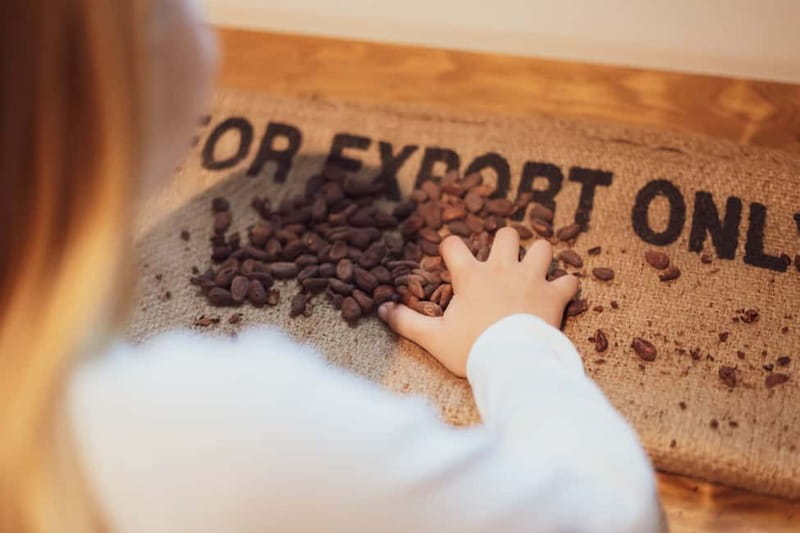
You also get a tasting setup that matches the education. You sample raw cacao and artisan chocolate samples, so you can notice the jump from cacao’s natural character to processed chocolate. This is not just about sweetness. You learn why cacao tastes different depending on how it is handled and transformed.
And because it focuses on the full chain, it makes chocolate feel less like magic. You start to understand it as a process with steps that affect flavor, aroma, and texture. That is exactly what makes this museum useful, even if you think you already know everything about chocolate.
The live factory experience, and why Sunday can change the view
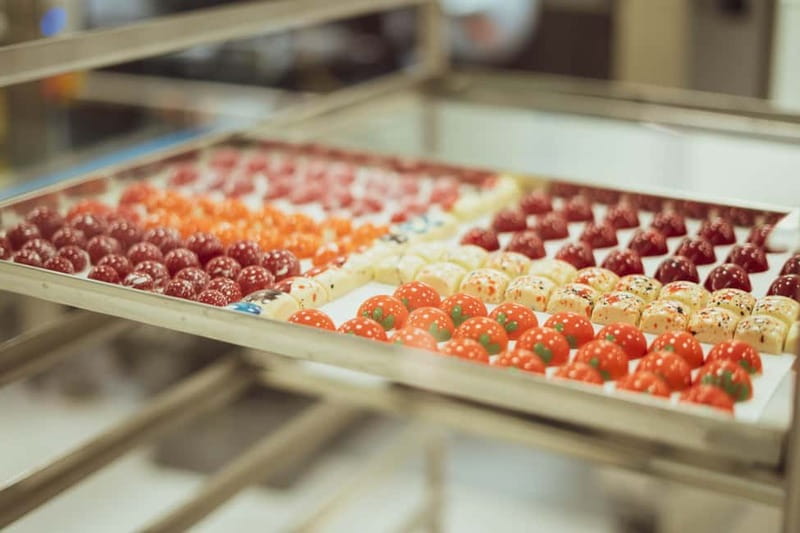
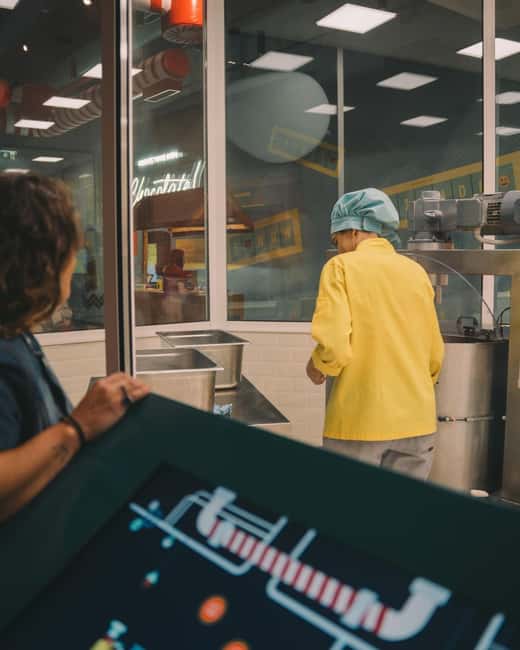
One of the standout selling points is that you can see a live, working chocolate factory in action. That means parts of the process are happening as you learn. For many people, that is the “wow” moment, because you are not just learning from images. You are watching production behavior and imagining the sequence you just read about.
Here is the practical catch. If you specifically want to see the in-house chocolate factory working, you should avoid Sundays. The museum’s setup seems to be less consistent that day for factory viewing, based on real visitor experience.
If your schedule only allows a Sunday, you are not necessarily out of luck. You can still get plenty of chocolate context and tastings. You just might want to calibrate your expectations about how much live action you will see.
Sensory tastings that make the science stick
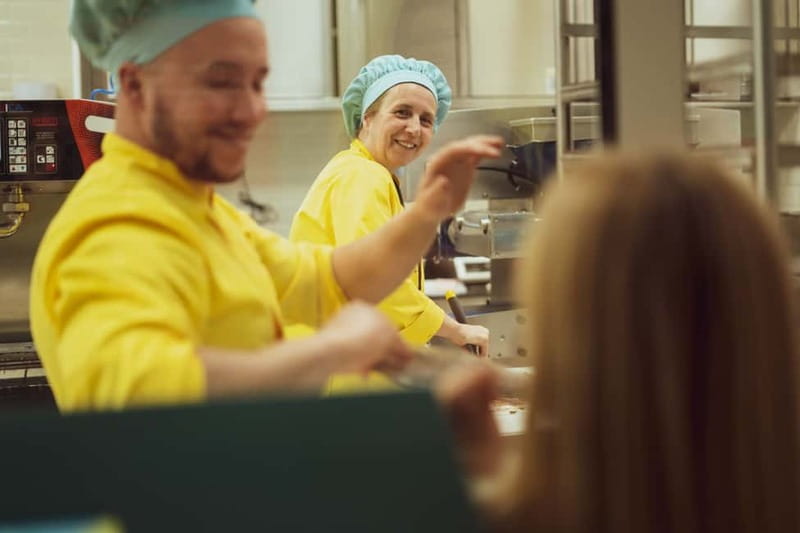
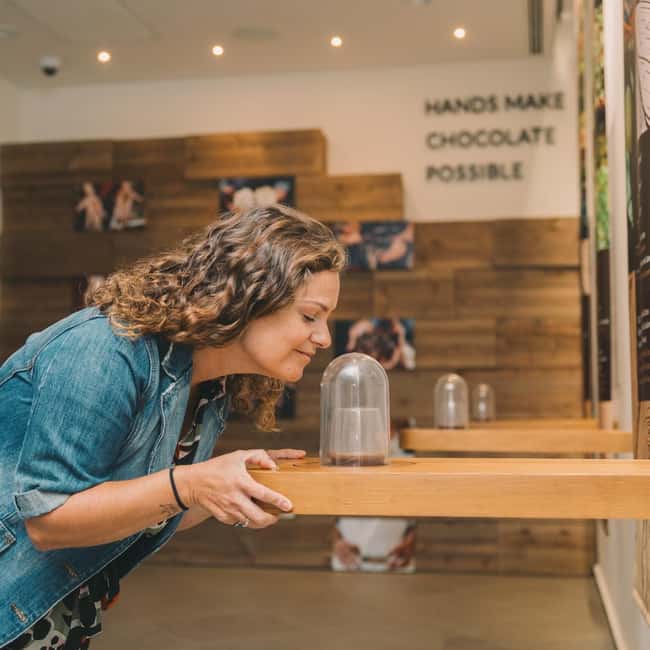
The tastings are not an afterthought. They are part of the education plan. You get the chance to smell and taste chocolate in a way that helps you understand the differences between cacao types and chocolate styles.
A couple of tasting-related points you should know before you arrive:
- You will taste more than one chocolate sample, including raw cacao and artisan options.
- The tasting is paired with the audioguide and the museum’s visual displays, so you are not just eating, you are comparing.
I like this approach because it turns chocolate into a lesson you can feel. When you taste, you remember. When you only read, you forget sooner.
If you are sensitive to strong cacao flavors, raw cacao can feel intense the first time. That is normal. Treat it like tasting coffee before you decide what you like. You are learning your palate as much as you are learning chocolate history.
Some other granite-city outings to weigh
- Porto: Cálem Cellar with Chocolate, Cheese, and Wine Tasting
★ 4.6 · 310 reviews - Porto: Chocolate Museum – Chocolate’s Delicious Journey + Tasting
★ 4.0 · 15 reviews - Porto Small-Group Local Food, Wine, and Sweets Tasting Tour
★ 4.5 · 10 reviews - Portuguese Dessert Workshop in Central Porto Home
★ 5.0 · 8 reviews
Audio guide in four languages, and how to use it well

The audioguide is included, and it is available in English, Spanish, Portuguese, and French. That matters because the museum does use a lot of text. If you want to move faster through panels, the audio track gives you a second channel to understand what you are seeing.
Use the audio smartly. Don’t try to listen to everything without looking. Instead, pause the listening when you reach a tasting station or a production-related display, then restart and connect the words to what is in front of you.
This is especially useful for families. If kids lose focus on long displays, audio can bring you back into the story. For adults, audio reduces the pressure to read every detail, so you keep the visit enjoyable instead of becoming a homework assignment.
Price and the chocolate shop reality check
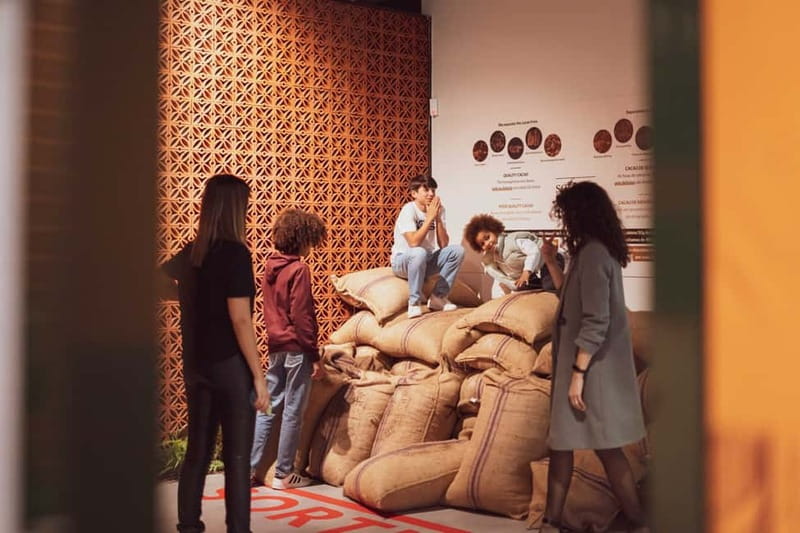
The museum experience costs $23, and the tastings help justify it. You are getting three included pieces at once: museum entry, a tasting of the 20|20 brand, and an audioguide.
But yes, there is also a gift shop, and it sells chocolate at a markup. That is normal for a museum, and it is exactly why you should plan your budget before you fall in love with a limited bar or a fancy box.
If you want a more value-minded move, treat shop purchases like souvenirs, not necessities. The tastings already give you a satisfying sampling experience, so you do not have to buy a lot to feel you got your money’s worth.
What kind of visit this is for kids and families
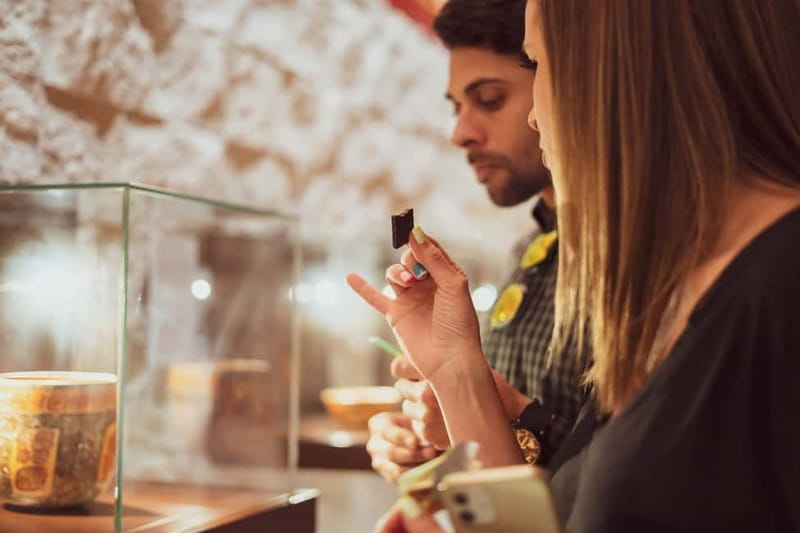
This is a good family activity, but it is not a playground. It is a museum with history, explanations, tastings, and interactive bits.
Based on how people describe the experience, it tends to work best for kids older than about 8. That said, younger kids can still enjoy it, especially if you keep them focused on the tastings and interactive sections rather than expecting them to read every panel.
One important rule is that unaccompanied minors are not allowed. So if you are traveling with kids, make sure you are prepared to stay together the whole time.
Also, plan a little wiggle room. Some rooms involve more text and more information density, so families who keep snack breaks and pacing in mind will have the smoothest visit.
Who should book, and who might skip
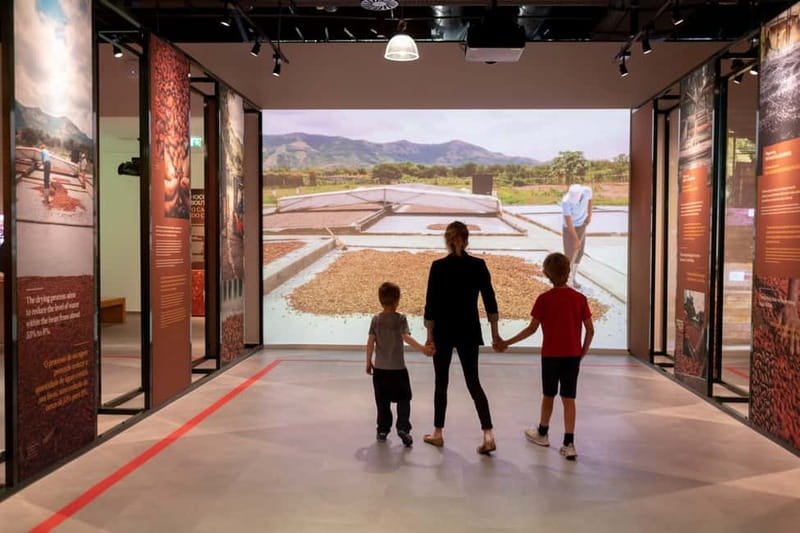
I think this is a great fit if you like food history, hands-on sensory learning, or anything about how everyday products are made. It is also a strong choice if you want a focused indoor activity in Porto that still feels fun.
You might want to skip or swap to something else if you hate museums with a lot of reading. This place explains a lot, and some of that delivery is panel-based. It also has some production elements that can feel like they are behind glass rather than active participation. If you want total “hands in chocolate” involvement, you may find it more observational than you hoped.
Practical tips to get the best experience
A few simple tricks can make a big difference here:
- Go earlier in the day if you can. You get a longer runway before closing, and the last entrance is at 7:00 PM.
- If factory action matters to you, avoid Sundays.
- Use the audio guide actively at tastings. Let your ears and your tongue work together.
- Pace yourself if you hit information-heavy rooms. Skim the text, then re-listen for the key points.
- Save room for chocolate samples. Plan your next meal with the idea that you will likely taste several things.
Should you book The Chocolate Experience by 20|20?
Book this if you want a 90-minute chocolate lesson that mixes history, science, and tastings, plus a chance to see a working chocolate setup. At $23, it is good value when you actually take part in the tasting moments instead of rushing through.
Skip it or think twice if you hate reading in museums or you only want very hands-on production involvement. Also consider your day of travel if factory viewing is your top priority, because Sundays are the one day to watch.
If chocolate is your thing, this is one of the more focused, “learn while you taste” stops you can fit into a Porto day.
FAQ
How long is the chocolate museum experience in Porto?
The experience lasts 90 minutes.
Where do I check in?
Meet at the location where you show your ticket directly at The Chocolate Story.
What is included with the ticket?
Your ticket includes museum entry, a chocolate tasting of the 20|20 brand, and an audioguide tour.
What languages is the audio guide available in?
The audioguide is available in English, Spanish, Portuguese, and French.
Are unaccompanied minors allowed?
No. Unaccompanied minors are not allowed.
Is hotel pickup included?
No. Hotel pickup and drop-off are not included.
Fresh off the Porto quays






Dessert Tours, compared.
Cálem Cellar with Chocolate, Cheese, and Wine Tasting
Read our review →
Chocolate Museum – Chocolate’s Delicious Journey + Tasting
Read our review →
Porto Small-Group Local Food, Wine, and Sweets Tasting Tour
Read our review →
Portuguese Dessert Workshop in Central Porto Home
Read our review →
Browse the lists this tour appears in