
Reviewed · PORT WINE CELLAR TOURS
Porto: Port Cellar Visit and Wine Tasting at Fonseca
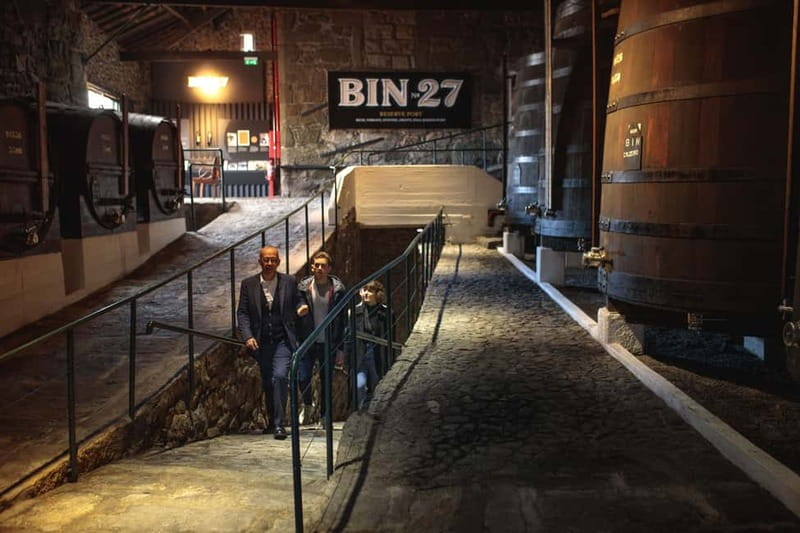
Port cellars turn Porto into a classroom. I like the self-guided route through Fonseca’s 200-year-old cellars, and I also like ending with the Bin 27 tasting in a room that looks out over the river and Dom Luís I bridge. It’s a smart pick when you want Port culture without booking a long vineyard day.
One caution: the walkways are uneven and sometimes steep, so this visit is not a good match if you have difficulty walking.
In This Review
- Key highlights you should not miss
- Entering Fonseca Port Wine Cellars at your own pace
- The 200-year cellar walk, from history panels to hands-on moments
- How the Douro Valley and Quinta do Panascal connect to what you taste
- Sustainability at Fonseca, and why it matters beyond marketing
- The tasting room experience: Bin 27, Siroco, and a great view
- What kids get (and the age rule that matters)
- Buying bottles at the Fonseca Shop without turning it into a souvenir trap
- Timing that fits Porto: when to go and how to plan your afternoon
- Price and value: what $18 buys you in a Port house
- Who should book this Fonseca visit, and who might skip it
- Should you book the Fonseca Port Cellars visit?
Key highlights you should not miss
- 200-year-old Fonseca cellars with museum-style info and a self-paced flow
- Douro Valley context, including Fonseca’s link to Quinta do Panascal
- Sustainability focus, so you learn how modern practices fit Port traditions
- Bin 27 tasting plus an extra-dry white option (Siroco) in a scenic tasting room
- Audio guide in many languages, with extra help via info boards and QR codes
Entering Fonseca Port Wine Cellars at your own pace
Start at the Fonseca Port Wine Cellars and plan your visit around a chosen date and hour. The whole experience is self-guided, so you control the tempo. That matters in Porto, where you might have jet lag in the morning or already walked a lot by midday. Here, you can slow down when something catches your eye, and speed up when you just want to get to the tasting.
Fonseca’s setup feels like a mix of guided museum and production story. You follow signs and displays through the cellar spaces, with an audio guide available in multiple languages. In addition to the audio, you’ll see information in Portuguese and English, and French and Spanish through QR codes. If you like learning at your own pace, this format really works.
The self-guided style also has a practical benefit: you are not stuck in a group schedule. In reviews, people kept calling the atmosphere relaxed, and that lines up with the design. You can spend extra time in the cellar sections that interest you most, then move on when you’re ready.
More cellars to walk through in Gaia:
- Porto: Bridges Cruise & Sunset & Port Wine Cellar Option★ 4.2 · 4,180 reviews
- Porto: Cálem Cellar Tour, Fado Show & Wine Tasting★ 4.4 · 3,530 reviews
- Porto: Cockburn’s Port Lodge Tour and Tasting★ 4.8 · 3,360 reviews
- Porto: City Train Tour, River Cruise & Wine Cellar★ 3.9 · 2,601 reviews
The 200-year cellar walk, from history panels to hands-on moments
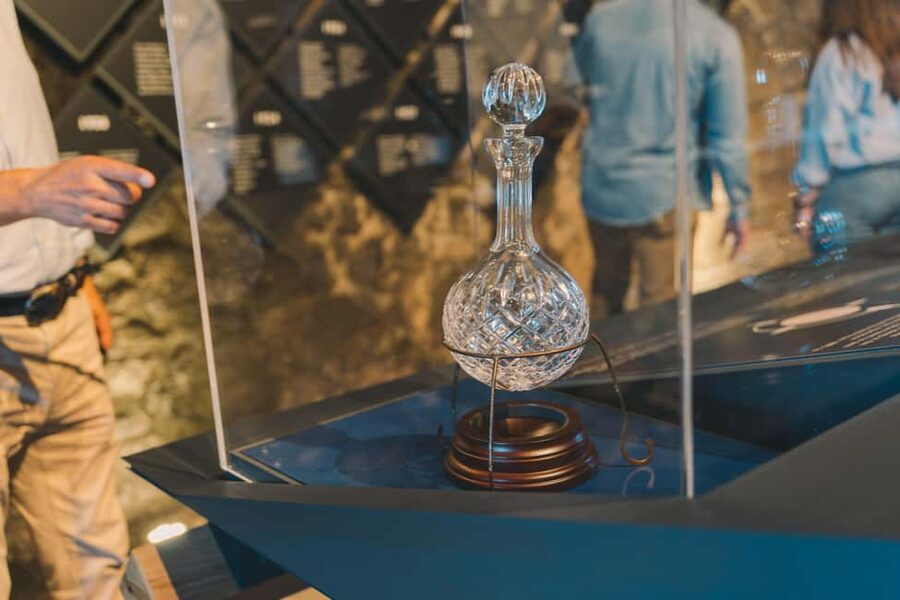
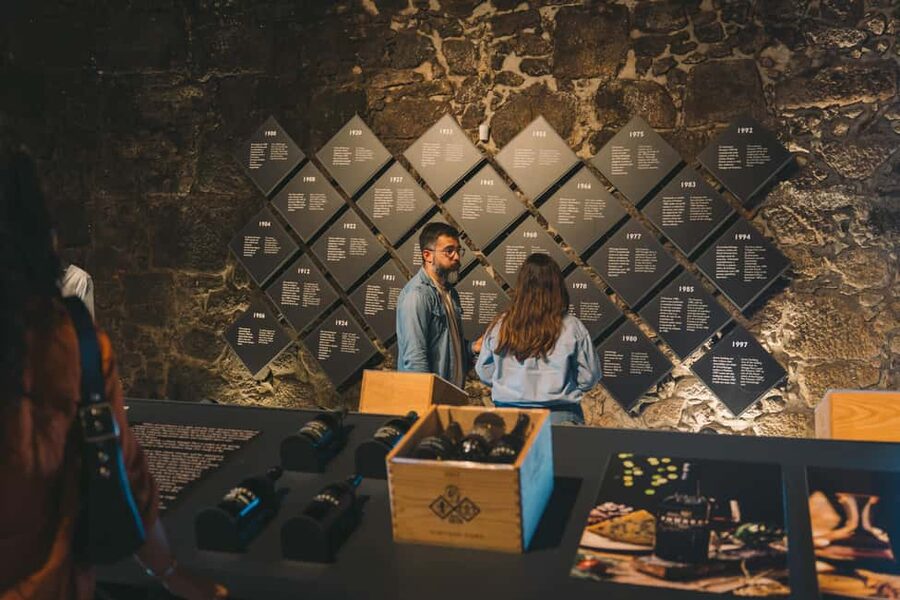
This is not a vague “pretty wine rooms” stop. You’re walking through Fonseca’s cellars, and the signage is meant to tell the story of Port and the company behind it. The displays cover Fonseca’s history, including that the house dates back to 1815. That gives you a real sense of longevity, not just a brand pitch.
One of the best parts of a self-guided cellar visit is that it turns your senses on. Some visitors mention small interactive elements like scent or guessing games for the wine experience. Even if you are not a wine expert, those mini activities help you pay attention to what Port smells like and how different styles feel in the glass.
A small practical note: because the surfaces are uneven and can be steep, wear shoes with grip. It’s not only about comfort. Good footing helps you enjoy the space instead of watching your steps the whole time.
How the Douro Valley and Quinta do Panascal connect to what you taste
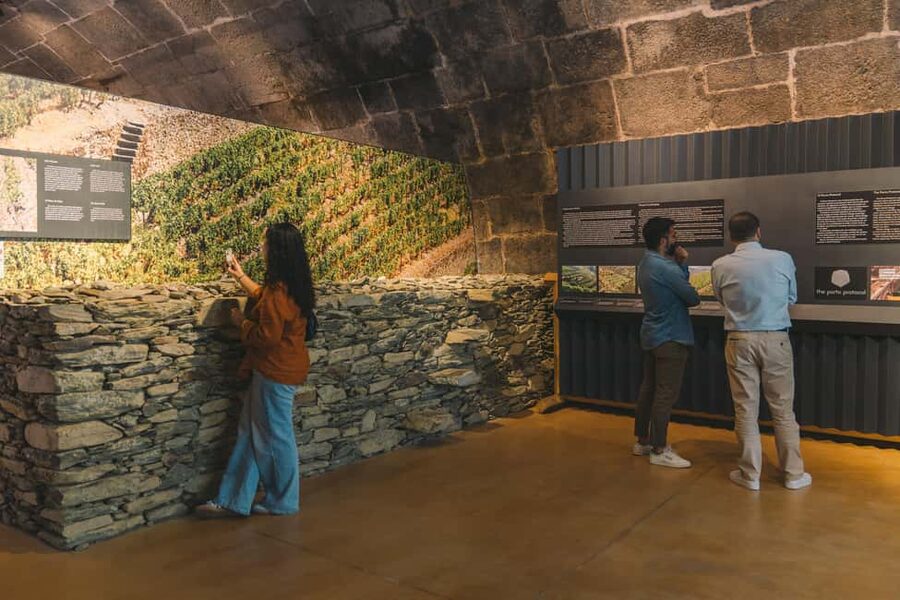
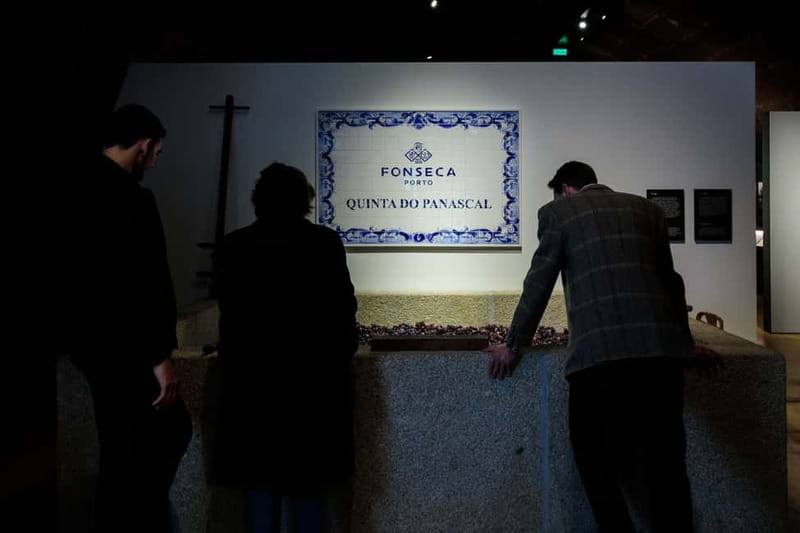
You’ll learn how Port starts in the Douro Valley and how Fonseca’s wines connect to places like Quinta do Panascal. That matters because Port is not just a winemaking style, it’s a geographic identity. Seeing that connection inside Porto gives you context before the tasting.
The experience also explains the production process from origin to aging. You do not need to already know Port vocabulary to get value here. The way the materials are set up is meant to guide you through the “where it comes from” and “what happens next” story, so the end tasting makes more sense.
If you have never been to the Douro, this is a helpful bridge. You get the big picture of how grapes become Port, and you see why the Douro Valley is treated like a special ingredient in itself. And if you have visited the Douro before, you might appreciate how Fonseca frames its own roots inside the larger Port world.
Sustainability at Fonseca, and why it matters beyond marketing
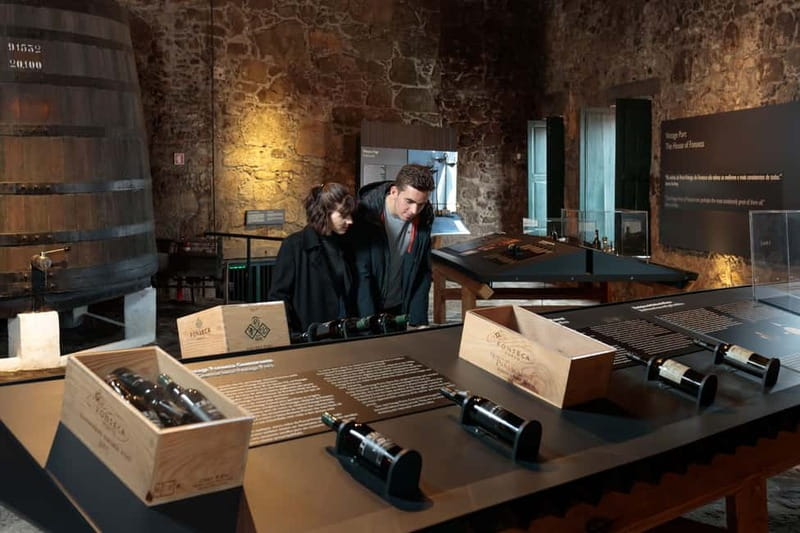
One of the highlights is that the visit covers Fonseca’s role in sustainable winemaking. This is a topic that can feel like corporate jargon when it appears on a label, so I like that here it’s part of the learning flow, not just an eco-slogan moment.
What you get from a setup like this is context. You learn about how sustainable practices fit into the lifecycle of wine, from production to aging. Even if you don’t remember every detail, you leave with a clearer idea of what sustainability means in the Port world today, not just in theory.
Sustainability also connects to a reason to care as a traveler. Porto already has a strong cultural pull, and wine is a big part of that. When the house itself talks about sustainable work, it adds substance to your visit and makes the tasting feel less like a tourist detour and more like a real industry story.
The tasting room experience: Bin 27, Siroco, and a great view
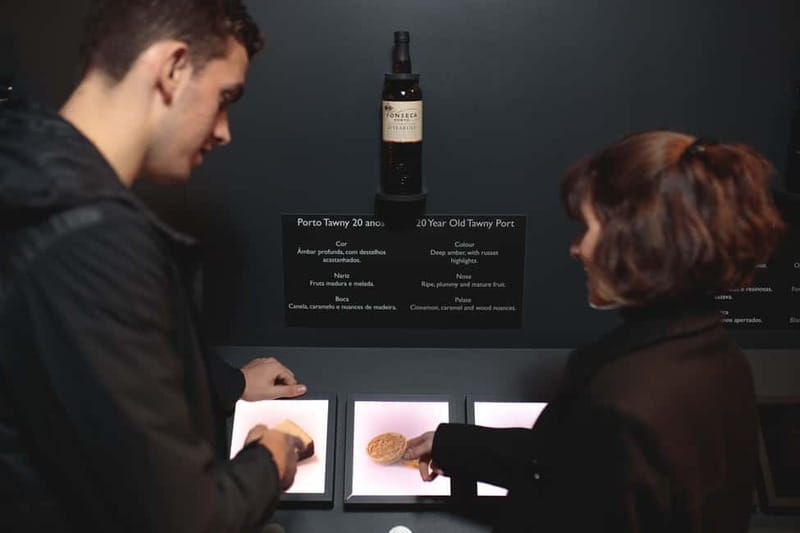
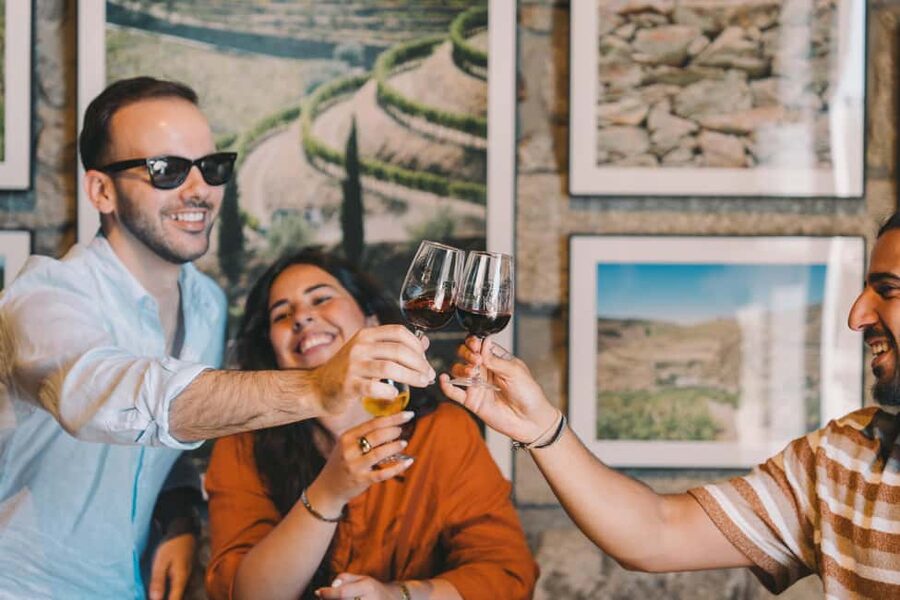
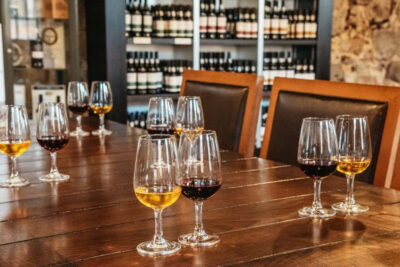
The highlight ending is a commented tasting. The experience is described as centering on Fonseca Bin 27 Port and pairing it with Siroco extra dry white Port. A broader commented tasting set may also include Terra Prima as part of the flight. Either way, you’re tasting across styles, which helps you understand Port beyond one flavor lane.
If you do not want only sweet Port, the Siroco element is a smart move. Extra dry white Port gives you contrast, and that contrast makes Bin 27 easier to understand. One review notes that ports can feel strong, with alcohol around 20 percent, so pace yourself and treat the tasting like the highlight event it is.
The setting in the tasting room is another big reason this works. People specifically mention sitting near a window facing the river and the famous Dom Luís I bridge. That view turns a simple wine stop into an afternoon memory. You get to drink, but you also get to watch Porto move, with the bridge right there in your field of view.
And the staff approach is part of the value. Reviews mention that explanations were friendly and thorough, with one person highlighting the tasting expert Christiano for humor and a good delivery style. Even in a self-guided experience, having staff available at the tasting moment makes a big difference. You can ask questions, get quick guidance, and leave with clearer takeaways.
More quintas pouring further up the valley:
- From Porto: Douro Valley w/ Boat Tour, Wine Tasting & Lunch
★ 4.7 · 19,061 reviews - Complete Douro Valley Wine Tour with Lunch, Wine Tastings and River Cruise
★ 5.0 · 12,920 reviews - Porto: Douro Valley with Winery Lunch, Tastings & Cruise
★ 4.7 · 7,002 reviews - Porto: Live Fado Show with Glass of Port Wine
★ 4.8 · 6,498 reviews
What kids get (and the age rule that matters)
If you’re traveling with family, this is one of the more practical Port stops in Porto. For children between 8 and 17 years old, the experience includes 1 glass of grape juice from the Douro Valley instead of the wine tasting. That means you can stay part of the same activity flow without splitting off into a separate plan.
It also keeps expectations clear. Port tasting is still a strong adult-focused experience, so the juice option is a nice way to make the visit inclusive without pretending it’s a non-alcohol event.
Buying bottles at the Fonseca Shop without turning it into a souvenir trap
After your tasting, you can browse the Fonseca Shop and take Port home. This is where the experience can become either a great value moment or a regret moment, depending on your spending style.
From what’s been shared, the shop selection includes bottles people found reasonably priced for the quality. One visitor even mentioned a signature bottle around 14 euros, which suggests it’s not only “tourist tax” pricing. Still, this is wine. If you are watching your luggage weight, decide in advance how many bottles you realistically want to carry.
My tip is simple: buy only what you want to remember. Bin 27 is the obvious choice since it’s part of your tasting. If you end up loving the style, it’s a solid souvenir that turns into an at-home drink, not just a label on a shelf.
Also check storage needs before you buy. You’re bringing it through Porto and possibly onto a plane later, so plan your packing.
Timing that fits Porto: when to go and how to plan your afternoon
The Fonseca Experience is open daily from 11:00 to 06:00 pm, with last entrance at 06:00 pm. Bank holiday hours can vary, so it’s smart to confirm on the official site before you rely on a specific schedule.
Because it’s self-guided, the big timing question is how much of the cellar experience you want before you sit down for tasting. If you tend to read signage and enjoy slow museum-style pacing, give yourself extra room. If you’re more “show me the key bits,” you can move faster through the cellar route and still get the main idea before the tasting.
A practical approach for Porto: go when you want an indoor anchor. Porto weather can shift, and steep stairs and bridges are already a lot in the city. This visit gives you a controlled rhythm, plus a guaranteed payoff in the tasting room.
Price and value: what $18 buys you in a Port house
The listed price is $18 per person for about a one-day experience. For that amount, you’re getting more than a quick photo stop. You’re getting:
- a self-guided tour through the Fonseca cellars
- an audio guide available in multiple languages
- a guided tasting that includes Bin 27 and Siroco extra dry white, with options for children
The value comes from mixing learning and tasting. In Port houses, the tasting is often where the payoff is, but without context you may not remember why one style tastes like it does. Here, you have a cellar walkthrough to explain the Port story first, then taste with some guidance at the end.
If you compare this to the cost and time of a full Douro Valley day trip, this option is much lighter. You still get Douro references, Quinta do Panascal context, and a finish in Porto with those views.
It’s also a good value for couples. You can both experience the cellar walk at your pace, then taste together.
Who should book this Fonseca visit, and who might skip it
This visit is a strong match if you want a Port experience in Porto that is:
- easy to fit into your day
- self-guided with an audio guide
- focused on Port culture plus a real tasting payoff
It’s especially good for people who want a Douro Valley connection without spending a full day in the countryside. It also fits families traveling with kids 8 to 17, thanks to the grape juice option.
Skip or reconsider if walking is hard for you. The surfaces are uneven and steep, and the visit is described as unsuitable for anyone who has difficulty walking. Also, self-guided means you’re responsible for following along. If you prefer fully guided narration the whole time, you might find the museum-style pacing slower than you want. One visitor even felt the explanations could be lengthy, which is the kind of mismatch I’d watch for.
Should you book the Fonseca Port Cellars visit?
Yes, if your idea of a great Porto afternoon is mixing hands-on wine learning with a tasting that you can actually enjoy, not just consume. This is one of the more straightforward Port house options because the experience includes the audio guide, the cellar route, and a tasting finish at a reasonable price point.
I would book it if you:
- like self-paced museum style experiences
- want Port context tied to the Douro Valley, including Quinta do Panascal
- care about views, since the tasting room has river and Dom Luís I bridge sightlines
I would not book it if you have mobility limits or you struggle with uneven steep surfaces. For everyone else, it’s a practical, high-reward way to understand Fonseca and taste Bin 27 in Porto, on your schedule.
Porto Counters, Cellars and Grills
- Douro Valley Small-Group Tour with Wine Tasting, Lunch and Boat
★ 5.0 · 3,642 reviews - Porto: Douro Valley Tour with Wine Tasting, Cruise and Lunch
★ 4.7 · 2,714 reviews - Douro Valley Tour: Wine Tasting, Cruise and Lunch from Porto
★ 4.5 · 2,645 reviews - Porto Food & Wine Tasting Tour with Lunch or Dinner Option
★ 5.0 · 2,303 reviews
Fresh off the Porto quays




Port Wine Cellar Tours, compared.
Bridges Cruise & Sunset & Port Wine Cellar Option
Read our review →



Port Wine Lodges Tour Including 7 Port Wine Tastings (English)
Read our review →
Graham’s Port Lodge Tour with Premium Wine Tastings
Read our review →
Hop-on Hop-off Bus with Optional Cruise & Wine Cellar
Read our review →Browse the lists this tour appears in