
Reviewed · MUSEUMS
Porto: Museum of the Oldest Appellation in the World Ticket
Port wine has a museum moment in Porto. I like the seven interconnecting zones layout because it keeps moving, so you never feel stuck staring at one display. It’s a simple ticket for a full cultural hour or two, with the kind of storytelling that explains why port became tied to Porto and the Douro.
My other big favorite is the 260-year-old collection you get to see up close, plus the tasting options using Real Companhia Velha labels. One drawback to consider: this museum can feel short. One review even called out that it can be done in about 30 minutes, so if you want a long, slow, guided experience, this might not scratch that itch.
In This Review
- Key points to know before you go
- Seven Zones of Port Wine History, Not Just a Room of Bottles
- Real Companhia Velha’s 260-Year Collection You Can Actually See
- Multimedia and Interactive Displays That Help You Follow the Story
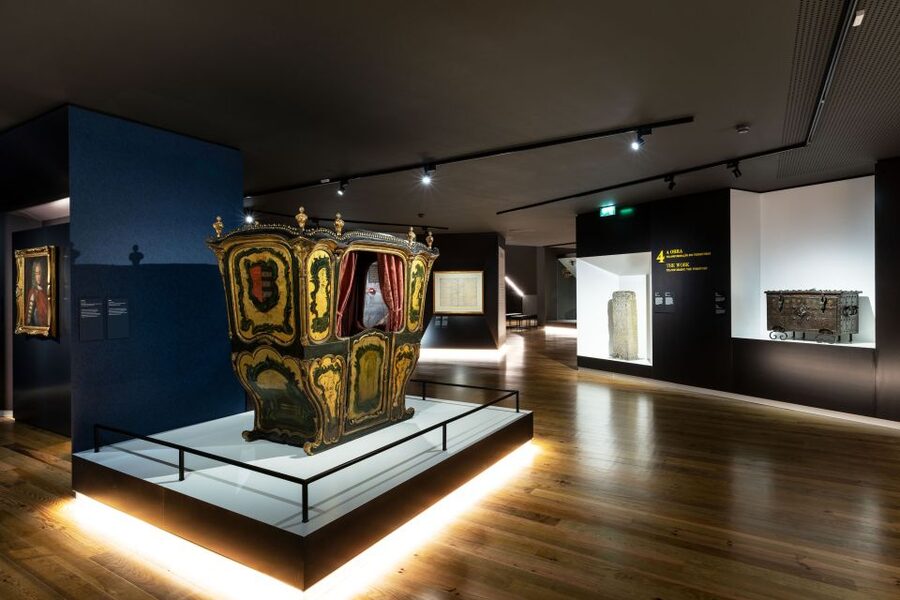
- The Gallery Mix: Art, Artefacts, and Vintage Wine Making Equipment
- Optional Port Tastings: What You Can Drink and How to Choose
- Price and Value Check for a Porto Port Wine Museum
- Timing That Works: When This Museum Fits Your Day
- Staff Service: Helpful and Attentive, But Check Your Expectations
- Who Should Book This Ticket, and Who Might Skip It
- Should You Book This Porto Museum Ticket?
- FAQ
- How much is the Porto Museum of the Oldest Appellation in the World ticket?
- How long is the visit?
- What is included with the ticket?
- How many zones are there in the museum?
- What kinds of things will I see besides bottles?
- What port wines are included in the tasting options?
- Is the museum wheelchair accessible?
- When is the last admission?
- Can I cancel for a full refund?
Key points to know before you go
- Seven interconnecting zones that connect port history to the Douro region in a smooth walk-through
- Real Companhia Velha’s 260-year-old port collection on display, not just in theory
- Multimedia and interactive devices that make the story more hands-on than a standard museum
- Historic artefacts, works of art, and vintage wine making equipment in the galleries
- Optional tastings featuring specific Real Companhia Velha ports like Lágrima and Royal Oporto 10 years
Seven Zones of Port Wine History, Not Just a Room of Bottles
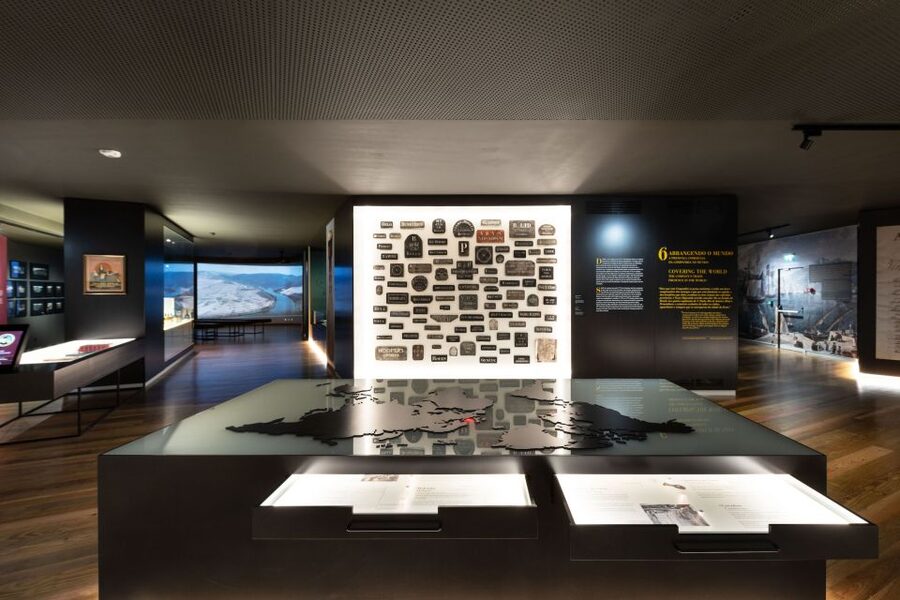
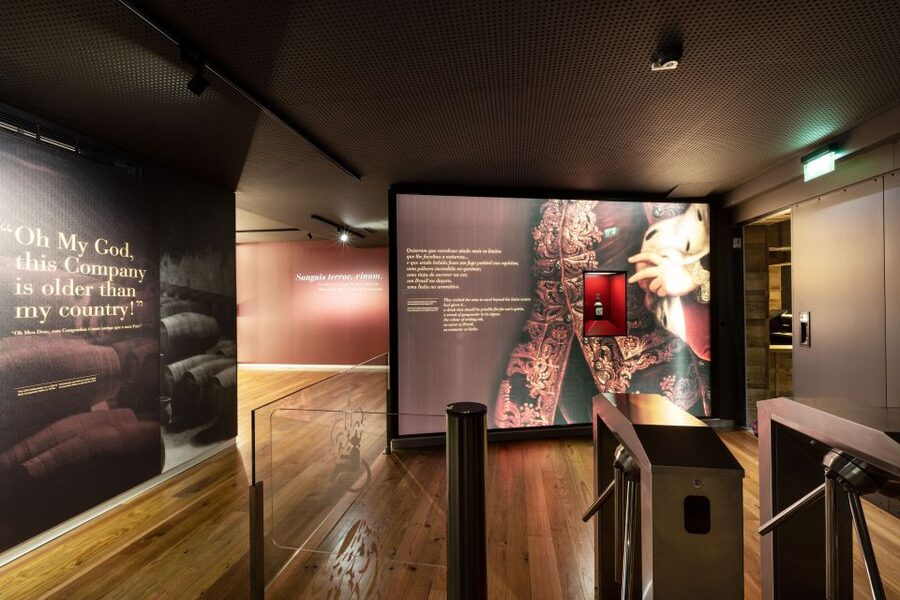
If you love wine, this museum works because it treats port like a real story with causes and consequences. You start with the big picture: what port is, where it came from, and how it grew into a symbol of Porto. Then, instead of stopping there, the visit moves you through seven interconnecting zones, each one building on the last.
What I like is the flow. You are not just reading panels. You are walking through themed spaces where the history is explained with displays that mix old objects and modern interpretation. That matters because port is one of those drinks that people talk about like it is automatic, like it always existed. This place does a better job of showing how it became what it is.
Practical note: plan your pace. The visit is short enough that you can finish quickly, but long enough that you can still stop and read. If you like to take your time, you will naturally slow down in the parts with more visual detail.
More Vila Nova De Gaia museums worth the entry:
- Porto: Taylor’s Port Cellar Tour & WOW Museum Pack★ 4.7 · 24 reviews
- FC Porto: Museum & Tour★ 4.6 · 3,807 reviews
- Porto: The Wine Experience, Best Wine Museum in the World★ 4.7 · 621 reviews
- Porto: 3D Fun Art Museum Porto Entry Ticket★ 4.6 · 302 reviews
Real Companhia Velha’s 260-Year Collection You Can Actually See
This museum is built around one main strength: Real Companhia Velha’s 260-year-old collection of port wines. That is the kind of detail that instantly makes the visit feel more credible. You are not just being told port has history, you are seeing what that history looks like in the form of bottles, labels, and presentation tied to a long-running company.
The collection also helps you understand why the Duoro region matters. Port is not a generic idea. It is tied to the river, the grapes, and the local wine culture. Once you see how the museum frames those connections, it is easier to taste port later with more context in your head.
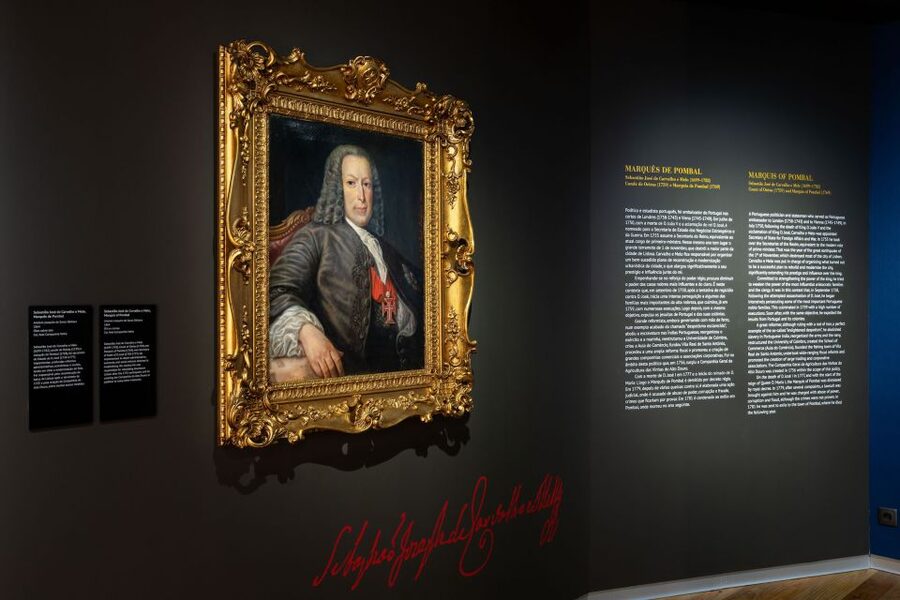
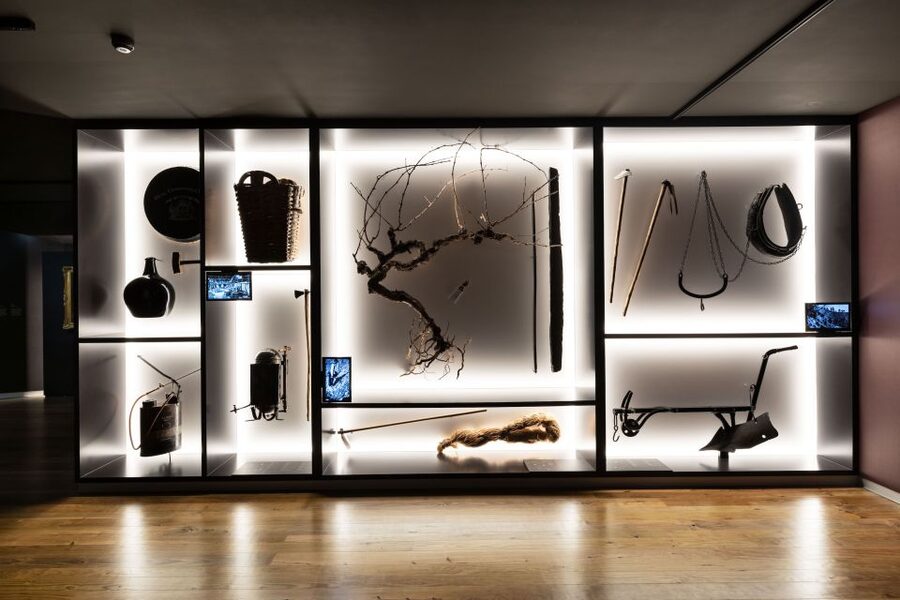
Also, the museum does not rely only on bottles. You will come across historic artefacts and historic wine making equipment, plus works of art placed around the story. That mix is a big deal for people who do not want wine-only content. You get a broader museum experience, not just a tasting room dressed up as a history lesson.
Multimedia and Interactive Displays That Help You Follow the Story
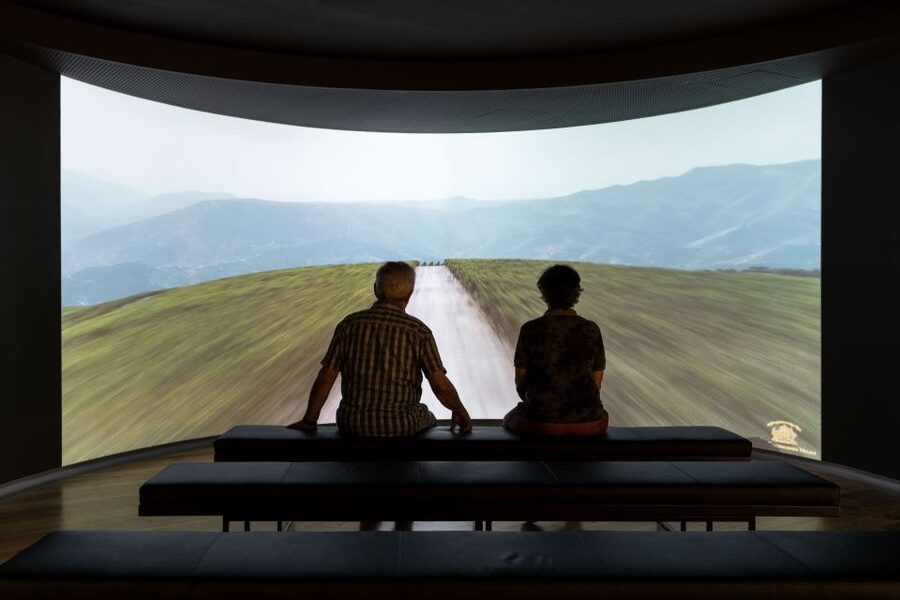
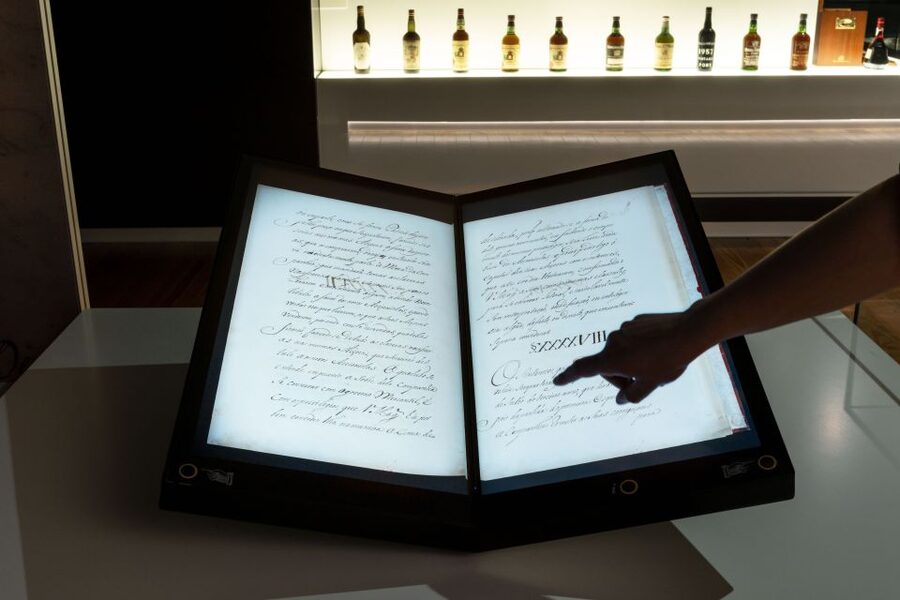
A good wine museum answers two questions: what happened, and why should I care. This one uses multimedia displays and interactive devices to help you follow the timeline without getting lost.
Here is the best part, from a practical point of view. The interactivity makes the visit more “active reading.” If you tend to skim signs in museums, these stations give you another entry point. If you like details, they still reward you because you can pause, look, and take in the visuals.
You also get a sense of how Real Companhia Velha fits into the bigger story of Porto and the Douro. The museum framing is basically: the region produced the raw material, but the company helped turn it into a world-known style. That is a useful way to think about wine history, because it connects agriculture, craft, and marketing culture.
The Gallery Mix: Art, Artefacts, and Vintage Wine Making Equipment
Port museums can go one of two ways. They either show too much detail and feel heavy, or they stay too surface-level and become a sales pitch with a few old bottles. This place lands somewhere steadier by balancing different kinds of items.
You can expect:
- works of art in the galleries
- historic artefacts
- vintage wine making equipment tied to how wine was made
That variety helps in two ways. First, it breaks up the walk so you do not feel like you are repeating the same theme. Second, it supports different learning styles. If you like artifacts, you have that. If you prefer visual storytelling, you have multimedia. If you just want to understand the basics quickly before a tasting, the galleries still keep you moving.
Is there a downside? The museum is compact enough that you will not “get lost” for hours. Some people love that. Others will want more time. If you are the type who reads every panel, you might finish with a bit of a rush. The fix is simple: go slower than you think you need.
Optional Port Tastings: What You Can Drink and How to Choose
The tasting happens after you tour the galleries, so you can connect what you saw to what you taste. If you care about value, this is where the ticket becomes more than a museum.
There are tasting options, and the specific ports are clearly listed:
- One option includes 1 white Port: Lágrima and 1 red Port: Quinta das Carvalhas Reserva Tawny
- Another option includes 1 white Port: Lágrima and 3 red Ports:
- Quinta das Carvalhas Reserva Ruby
- Quinta das Carvalhas Reserva Tawny
- Royal Oporto 10 years
How I would choose:
- If you want a quick, friendly intro, pick the option with Lágrima plus the single red tasting. You still get the white and red comparison without overloading your palate.
- If you want more comparison across styles, pick the option that includes the extra reds. That is the one that lets you taste the difference between Ruby, Tawny, and the Royal Oporto 10 years in the same visit.
Small practical tip: after tastings, go slow with your decision-making. Port can taste similar at first when you are fresh, but the differences get clearer as you pause between sips. Take a breath between pours, and you will taste more than if you rush.
Some other granite-city outings to weigh
- Porto: Spiritus Multimedia Show Entry Ticket
★ 4.5 · 6,403 reviews - Porto: Torre dos Clerigos Entrance Ticket
★ 4.6 · 6,395 reviews - Porto: Livraria Lello Entry Ticket & Foundation Option
★ 3.9 · 4,834 reviews - Porto: World of Discoveries Entry Ticket
★ 4.5 · 2,922 reviews
Price and Value Check for a Porto Port Wine Museum
The ticket is listed at about $5 per person, with tastings depending on the option you choose. On price alone, it is hard to beat a museum plus the chance to taste port. But the real value is how the place uses that price.
For your money, you are getting:
- entry to a museum focused specifically on port history
- a structured walk through multiple zones, not a single exhibit
- multimedia and interactive devices
- historic objects and production equipment
- optional tastings with specific bottles and named ports
In other words, this is not just paying for access to a room with a few samples. You are paying for context, and context improves tasting. That is what makes the value feel strong. Even if you do not buy the tasting add-on, you still get a museum experience built around Real Companhia Velha and Porto and Duoro connections.
If you are trying to plan a low-cost day in Porto, this ticket fits well as a focused stop. It is also budget-friendly enough that you can pair it with other sights without feeling like you need to ration time.
Timing That Works: When This Museum Fits Your Day
The museum is designed for a same-day visit, and you can check starting times based on availability. Duration is listed as 1 day, but the experience itself is often shorter in practice.
One review specifically noted the museum can be done in around 30 minutes. That lines up with the idea that it is a compact set of galleries with interconnecting zones, plus optional tasting. So you should treat this as a focused museum stop rather than a half-day mission.
My suggestion:
- If you want the tasting, give yourself time after the galleries so you do not feel rushed.
- If you are going to read and linger, plan a little extra, because you will likely slow down in the multimedia areas and artifact rooms.
Also, last admission is 30 minutes before closing. That one detail matters. If you show up late, you might be forced to rush the galleries or skip part of your visit.
Staff Service: Helpful and Attentive, But Check Your Expectations
In the reviews, the staff shows up as a strong point. One review praised the team as super attentive and not invasive, which is exactly what you want during a tasting. You want guidance if you ask for it, not constant hovering.
One note of caution from another review: one person felt the reception staff were not very friendly. That is not something you can plan around, but it is fair to know the experience might vary depending on the day and who is working.
If you want an easy win, ask your questions early, be clear about whether you want the tasting option, and then let yourself enjoy the exhibits at your own pace.
Who Should Book This Ticket, and Who Might Skip It
This museum is a great match if you:
- want to understand port wine history in a practical, walk-through format
- like wine, but also want context about the Duoro region
- enjoy museums with multimedia and interactive elements
- want an experience that does not require a full half-day or a big time commitment
You might consider skipping or adjusting expectations if you:
- crave a long, guided, slow museum day
- expect a massive building or lots of rooms beyond the main galleries
- prefer wine tastings without any history or production context
For most people, it fits neatly into a Porto itinerary. It is not just a tasting. It is a quick, structured way to learn how port became tied to Porto, then taste the result.
Should You Book This Porto Museum Ticket?
Yes, I think you should book if you want a low-cost, high-context port stop. The ticket price is small, the museum content is built around a real collection from Real Companhia Velha, and the optional tastings let you turn what you learned into something you can actually taste.
Book it if you want:
- a short museum experience that still teaches you something
- a chance to taste named ports like Lágrima, Ruby, Tawny, and Royal Oporto 10 years
- history, artefacts, and interactive displays in one visit
Skip it if you need a long, detailed guided experience, or if you know you only like multi-hour tours. In that case, you may feel like you are finishing early.
If you are on the fence, a smart approach is to plan your visit so you are not rushing. Go early enough that you have time to take your pace through the seven zones, then add the tasting option if you still feel curious at the end.
FAQ
How much is the Porto Museum of the Oldest Appellation in the World ticket?
The price is listed at about $5 per person.
How long is the visit?
It is a 1-day valid ticket. The museum experience itself can feel short, with one review saying it can be done in about 30 minutes depending on your pace.
What is included with the ticket?
Entry is included. Port wine tastings are included only if you select a tasting option.
How many zones are there in the museum?
The museum visit takes you through 7 interconnecting zones.
What kinds of things will I see besides bottles?
You can expect historic objects, works of art, historic artefacts, and vintage wine making equipment, along with multimedia and interactive displays.
What port wines are included in the tasting options?
One tasting option includes Lágrima (white Port) and Quinta das Carvalhas Reserva Tawny (red Port). Another option includes Lágrima (white Port) plus three reds: Quinta das Carvalhas Reserva Ruby, Quinta das Carvalhas Reserva Tawny, and Royal Oporto 10 years.
Is the museum wheelchair accessible?
Yes, the museum is listed as wheelchair accessible.
When is the last admission?
Last admission is 30 minutes before closing.
Can I cancel for a full refund?
Yes. Free cancellation is available up to 24 hours in advance for a full refund.
Fresh off the Porto quays




Museums, compared.


The Wine Experience, Best Wine Museum in the World
Read our review →
Chocolate Museum – Unwrap the Secrets of Chocolate
Read our review →


Pink Palace – Immersive Rosé Wine Museum with 5 Tastings
Read our review →Browse the lists this tour appears in