
Reviewed · MUSEUMS
Porto: Cork Museum – Interactive and Family Friendly Museum
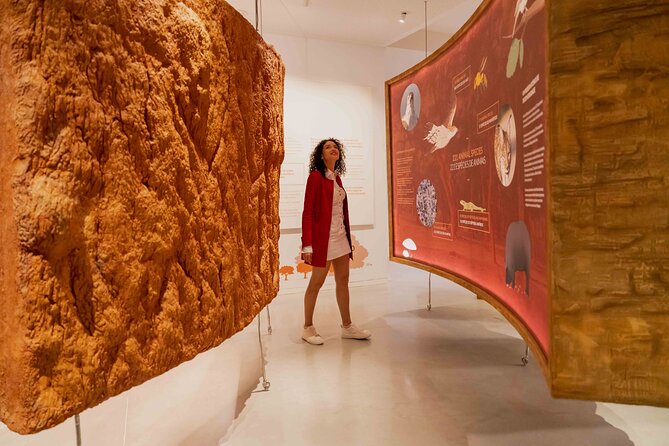
Cork tells Portugal fast and fun. The Planet Cork Museum turns an everyday material into a full, family-friendly experience, with interactive exhibits and an easy multilingual audio guide format. You’ll also get time with a giant cork oak replica and learn how cork shows up in daily life.
One thing to consider: the storytelling can feel industry-focused, so if you expect a super critical, debate-style take, you might find it a touch promotional.
In This Review
- Quick cork highlights
- Planet Cork Museum in Porto: what you’re really doing in 1-2 hours
- Stop inside: Portugal’s cork story, from tree to everyday life
- The giant cork oak and its ecosystem: the hands-on part kids remember
- Learning how cork works: harvesting, processing, and the why behind it
- Sustainability and cultural significance, presented for real life
- Cork beyond wine stoppers: why a material like this spreads everywhere
- Audio guide and on-site help: how to make it feel personal
- Gift shop time: buying cork souvenirs that make sense
- Porto timing: where this fits in a busy day
- Price and value: what you should expect from a ticketed self-guided museum
- Should you book Planet Cork Museum in Porto?
- FAQ
- How long does the Planet Cork Museum visit take?
- Is the experience self-guided or guided?
- What language is the audio guide offered in?
- Do I need a ticket to enter?
- Is there a mobile ticket option?
- What are the opening hours?
- Where is it located in relation to transit?
- Are service animals allowed?
- Can I get a free refund if I cancel?
Quick cork highlights
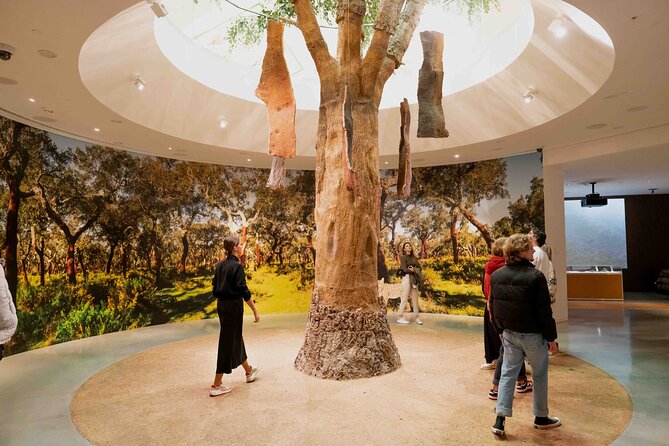
- Giant cork oak replica plus an ecosystem setup that helps kids grasp how cork trees work
- Self-guided mobile experience using multilingual audio, including English
- Built around Portuguese cork leadership, from traditions to cork’s future potential
- Sustainability and cultural significance are part of the main message, not an afterthought
- Hands-on style learning, with exhibits explaining growth, harvesting, and processing
- Gift shop with practical souvenirs, and staff help noted for tax refund paperwork
Planet Cork Museum in Porto: what you’re really doing in 1-2 hours
Plan on about 1-2 hours. That’s a good length for a museum you want to feel active, not heavy. You’re not stuck in a long queue, and the pacing works well if you’re traveling with kids who have short attention spans.
This is also a self-guided format. That matters because you can move at your own speed, pause when the interactive stations catch your eye, and revisit the parts you actually like. The flip side is that there’s no included guided tour, so if you want a person leading the whole thing through narration and Q&A, you may feel like you’re watching more than you’re being taught.
More Porto museums worth the entry:
- FC Porto: Museum & Tour★ 4.6 · 3,807 reviews
- Porto: The Wine Experience, Best Wine Museum in the World★ 4.7 · 621 reviews
- Porto: 3D Fun Art Museum Porto Entry Ticket★ 4.6 · 302 reviews
- Porto: Chocolate Museum – Unwrap the Secrets of Chocolate★ 4.2 · 222 reviews
Stop inside: Portugal’s cork story, from tree to everyday life
The core of the experience is a cork-focused journey that starts with Portugal’s place in the world market. Expect the museum to walk you through why Portugal is the world’s leading cork producer, and then connect those real-world farming traditions to the products you see in everyday life.
What I like about this structure is that it doesn’t treat cork like a one-trick item. You’ll learn how cork is grown, harvested, and processed, and then how a material with a specific origin ends up supporting many uses. Reviews also highlight that the museum explains cork’s history and evolution in a way that’s clear, visual, and easy to follow.
The museum’s theme also pushes forward-looking ideas, so it’s not only about the past. You should come away with a sense of cork’s potential for the future and why sustainability claims matter in a world that’s trying to reduce waste.
The giant cork oak and its ecosystem: the hands-on part kids remember
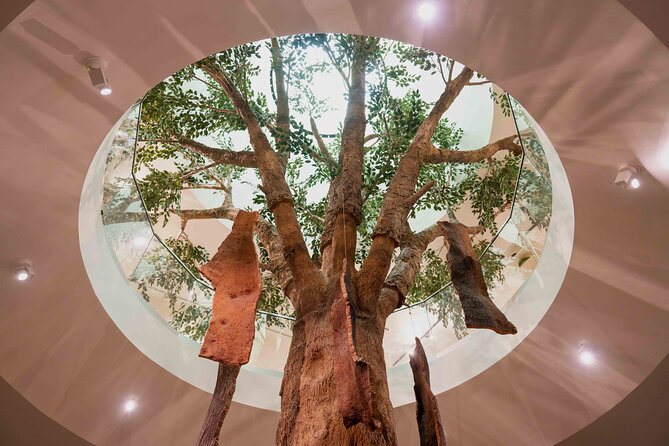
The standout “you have to see this” element is the giant cork oak replica and the surrounding ecosystem display. This is the kind of exhibit that turns abstract facts into a physical model you can walk around and point at.
For families, that matters. Little kids often understand what they can touch with their eyes. And older kids tend to perk up when they realize it’s not just wine stoppers in glass cases, it’s an entire living system tied to a specific kind of tree.
If you’re visiting when it’s quiet, you may get more personal space around these features. Some people specifically noted how calm the museum felt, which can be great when you want to read at your own pace instead of rushing between groups.
Learning how cork works: harvesting, processing, and the why behind it
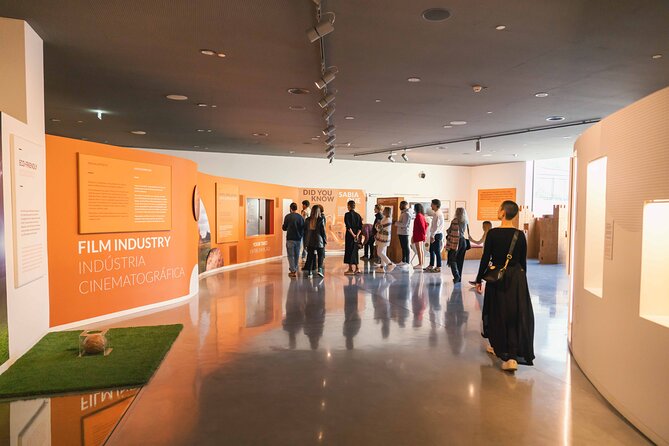
A big part of the museum’s pull is practical education. Expect explanations for how cork is harvested and what happens next during processing. Reviews describe the information as fascinating and straightforward, including details about where cork comes from and what the material becomes after it’s collected.
I also like that the museum doesn’t assume you already know the basics. Even if you’ve never thought about cork trees, you can still follow the storyline because it’s presented as a sequence: tree, harvest, transformation, and use.
And yes, wine stoppers are part of the story. But the museum frames them as one example, not the whole product universe. That shift is what makes it feel worth your time.
Sustainability and cultural significance, presented for real life
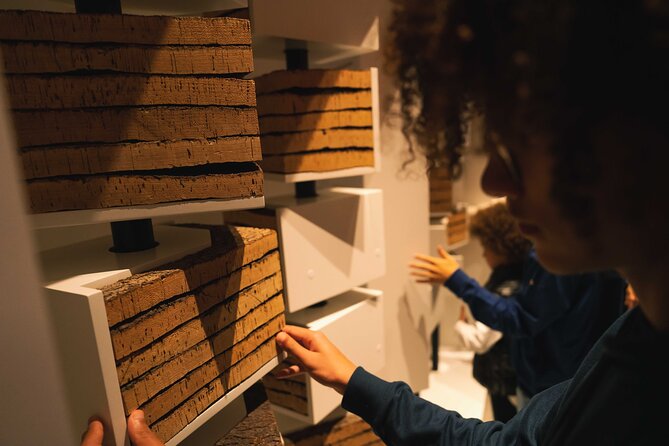
Cork is a naturally associated material for sustainability themes, and the museum leans into that. You’ll find information about cork’s sustainability and why it matters for cultural significance in Portugal.
Here’s how to get value from this section: don’t just read the eco claims as slogans. Treat it like a guided way to understand how an industry can be tied to long-term resource management. Even if you don’t walk away with one magic fact, you’ll likely leave with a clearer picture of why cork producers talk so confidently about the material.
If you’re the kind of traveler who likes to connect culture with environment, this part clicks. If you want hard science citations or debate, you might find the approach more explanatory than confrontational, which ties back to the one drawback I mentioned.
Elsewhere in Porto, worth a look before you book:
- The Unvanquished Tour in Porto City Center
★ 5.0 · 26,497 reviews - From Porto: Douro Valley w/ Boat Tour, Wine Tasting & Lunch
★ 4.7 · 19,061 reviews - Complete Douro Valley Wine Tour with Lunch, Wine Tastings and River Cruise
★ 5.0 · 12,920 reviews - Porto: Douro Valley with Winery Lunch, Tastings & Cruise
★ 4.7 · 7,002 reviews
Cork beyond wine stoppers: why a material like this spreads everywhere
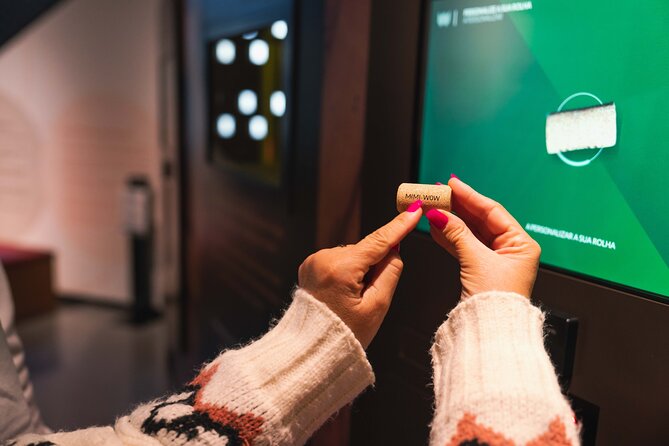
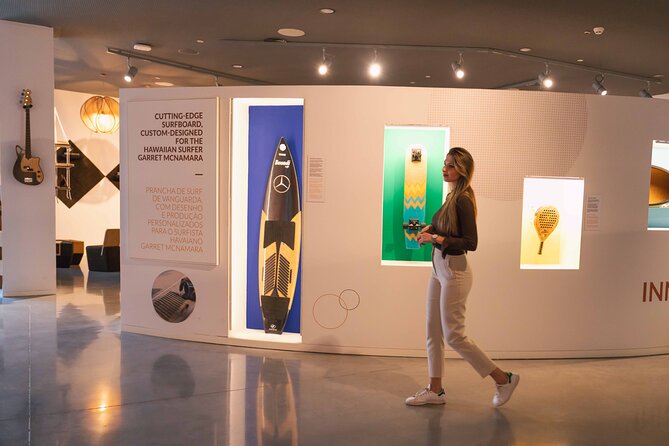
The museum makes a point that cork’s uses go beyond what most people first think of. You’ll see exhibits covering cork’s different applications and how that versatile material shapes daily life.
Reviews specifically call out that the museum teaches cork uses beyond wine stoppers, and that’s important because it keeps the experience from feeling repetitive. If all you want is bottle-related trivia, you might get that in any shop. Here, the goal is broader: teach the material and then show how the material supports multiple functions.
A good way to enjoy this part is to take notes in your head about what you didn’t expect. Cork is one of those materials that seems simple until you see how many ways it can be used. The gift shop later reinforces this with lots of product ideas.
Audio guide and on-site help: how to make it feel personal
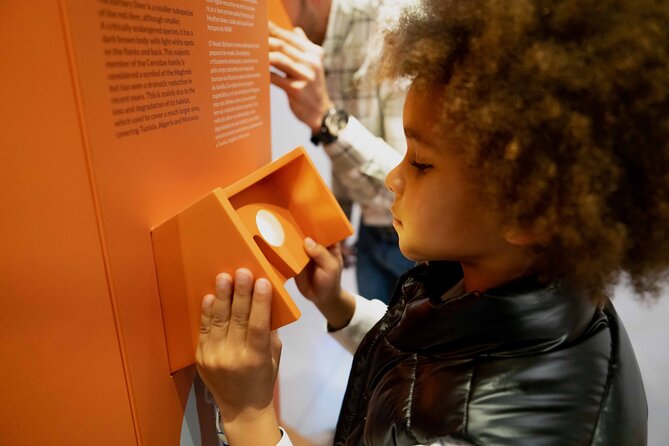
This experience uses a multilingual audio guide on a mobile ticket. English is available, and that’s a big practical plus. Self-guided doesn’t mean lonely, but you should expect to do most of the learning through listening and reading signage.
Still, there are hints that the human touch can show up. Some people praised staff members by name, including Joao for expert passion and Sandra for warm, fun guidance. That tells me the museum staff are capable of helping when you have questions, even if the experience isn’t built as a full guided tour.
How to get the most: when something sparks curiosity, pause and look for staff assistance. You don’t need a formal tour script. Ask one clear question, like how cork harvesting works or what the museum thinks is the biggest sustainability impact. That’s usually where a museum becomes memorable instead of merely educational.
Gift shop time: buying cork souvenirs that make sense
The gift shop is more than a checkout corner. Reviews describe it as an amazing store to browse, with products people found to be great value and good quality. You’ll also likely notice a wide range of cork-related items, which is where the “cork is everywhere” idea becomes real.
One practical detail that stood out: Sara was praised as friendly and informative, including help with tax refund paperwork. If you’re traveling from outside the EU and plan to do refunds, that kind of support is genuinely useful. Even if you’re not shopping heavily, the shop is a good place to understand what the museum wants you to connect with.
My advice: treat the museum and shop as one package. Spend a bit of time learning, then walk through the shop with fresh eyes so you can recognize what you just learned. That makes the purchases feel less random and more meaningful.
Porto timing: where this fits in a busy day
The museum is open daily from 10:00 AM to 7:00 PM. That’s a wide window, and it helps because Porto days often include late meals and lots of wandering. If you need a calm, indoor option that doesn’t drain the whole afternoon, this works.
It’s also near public transportation, so you can slot it in without complicated planning. That matters because cork museums are rarely your first stop in Porto. You usually add them as a smart detour, and easy transit makes that realistic.
Also, because this is self-guided and about 1-2 hours, it’s a good “reset” activity between longer city blocks. If your day includes lots of hills, walking breaks are not optional. This gives you a structured break without feeling like you’re wasting time.
Price and value: what you should expect from a ticketed self-guided museum
I can’t tell you exact pricing from the info here, but you can judge value based on what’s included. Your ticket includes admission plus self-guided multilingual audio, and you’ll get access to the giant cork oak replica and the ecosystem area, along with exhibits focused on growth, harvesting, processing, uses, and sustainability themes.
So where does value come from?
- It’s short enough that even a busy day doesn’t get derailed
- The format lets families go at different speeds
- The subject is specific, and the exhibits are built around that focus
- The shop extends the learning into something you can take home
Where value could feel weaker:
- If you only want a quick look at cork with no real learning, you might rush through and leave wanting more
- If you come expecting a full guided lecture, you may feel underfed because a guided tour is not included
Should you book Planet Cork Museum in Porto?
Book it if you want a family-friendly, active museum that teaches cork in a way that feels practical and visual. I’d especially recommend it for travelers who like hands-on displays, clear explanations, and short educational stops that fit into a Porto schedule without drama.
Skip or reconsider if you’re expecting a long, debate-heavy museum experience led by a person with deep critical commentary. This one is more about explaining cork’s story and role in Portugal than tearing it apart.
If you’re on the fence, use this simple test: do you want to spend 1-2 hours learning how cork is made and why it matters? If yes, this museum is a strong match.
FAQ
How long does the Planet Cork Museum visit take?
It’s typically 1 to 2 hours.
Is the experience self-guided or guided?
It’s self-guided with a multilingual audio guide. A guided tour is not included.
What language is the audio guide offered in?
The experience is offered in English.
Do I need a ticket to enter?
Yes, your package includes an entry ticket to the Cork Museum.
Is there a mobile ticket option?
Yes, it’s listed as a mobile ticket.
What are the opening hours?
The museum is open 10:00 AM to 7:00 PM, Monday through Sunday.
Where is it located in relation to transit?
It is near public transportation.
Are service animals allowed?
Yes, service animals are allowed.
Can I get a free refund if I cancel?
Yes, free cancellation is available if you cancel at least 24 hours in advance for a full refund.
Fresh off the Porto quays






Museums, compared.


The Wine Experience, Best Wine Museum in the World
Read our review →
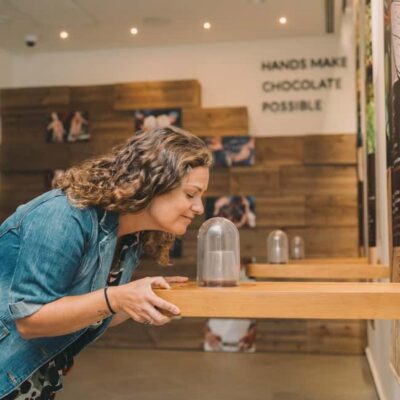
Chocolate Museum – Unwrap the Secrets of Chocolate
Read our review →

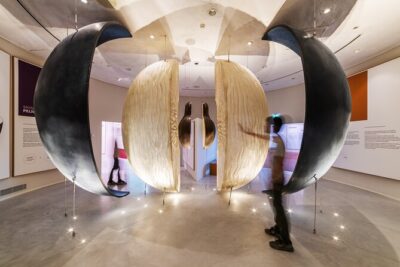

Pink Palace – Immersive Rosé Wine Museum with 5 Tastings
Read our review →Browse the lists this tour appears in