Reviewed · TOURS
Exclusive visit to the Geophysical Institute of Porto
Porto has a Cold War science stop you can feel. I love the way this visit turns into a real seismic station experience, not a museum lecture, and I love the Cold War link between the USA and USSR that explains why the station was built in the first place. The main drawback to plan around is that it is not suitable for children under 12.
You meet at R. 2 23 and then walk up through Serra do Pilar for about an hour total. The tour is in English, led by young geology students from the University of Porto’s Faculty of Sciences, and it mixes the science of earthquakes with a rare view over Porto’s six bridges. If you want a pure city-walk with zero technical talk, you may find the geology side a bit intense.
In This Review
- Key Things I’d Not Miss
- Entering Gaia’s Geophysical Institute on Serra do Pilar
- What You Actually See: A Seismic Station With Worldwide Roots
- The Cold War Story Behind 127 Seismic Stations
- How Earthquakes and Nuclear Tests Create Different Signals
- The Short Walk and the Six Bridges View You Came For
- Price and Value for an Hour of Science and Views
- Who This Tour Fits Best (And Who Might Skip)
- Practical Tips Before You Go
- Should You Book This Geophysical Institute Visit?
- FAQ
- How long is the Geophysical Institute of Porto visit?
- Where does the tour start?
- Is the tour in English?
- What will I see during the tour?
- Is the tour suitable for children?
- What is the price per person?
- Are flash photos or video recordings allowed?
- What view does the tour include?
- Is there cancellation or pay-later options?
Key Things I’d Not Miss
- A working seismic station connected to a worldwide monitoring network created in the 1960s
- Cold War context tied to USA-USSR nuclear testing and secret science
- The six-bridge viewpoint over Porto and Gaia from one special spot
- Guides are geology students from the University of Porto’s Faculty of Sciences
- Wave and epicenter training using how nuclear-test signals differ from earthquake waves
- Rules you’ll follow inside (no flash photography, no video recording)
Entering Gaia’s Geophysical Institute on Serra do Pilar
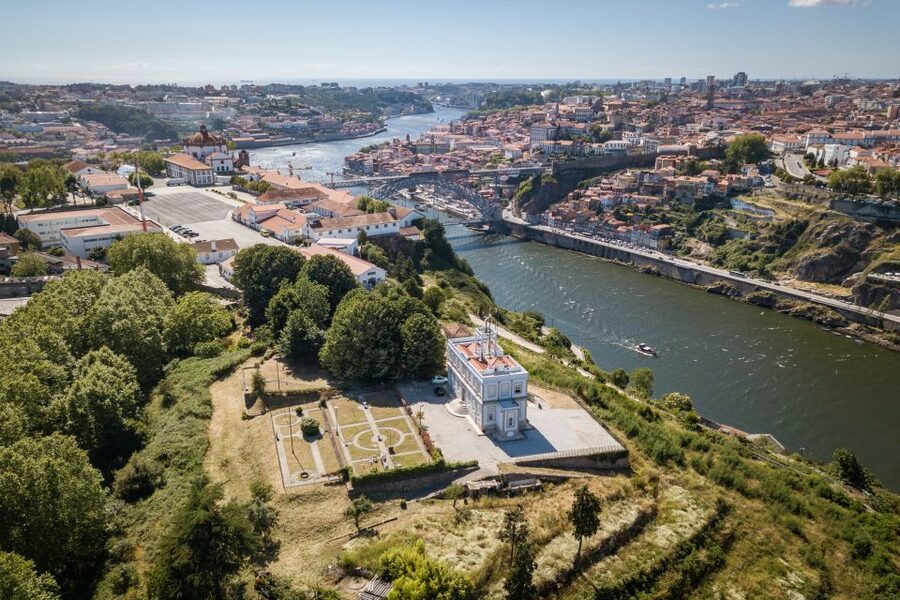
The tour starts in Gaia, at R. 2 23, then you take a short walk up through Serra do Pilar. This matters because the setting does part of the work for you. You are not just arriving somewhere in a city. You are moving into a spot that feels slightly removed, where the buildings and the hillside give the whole story a believable atmosphere.
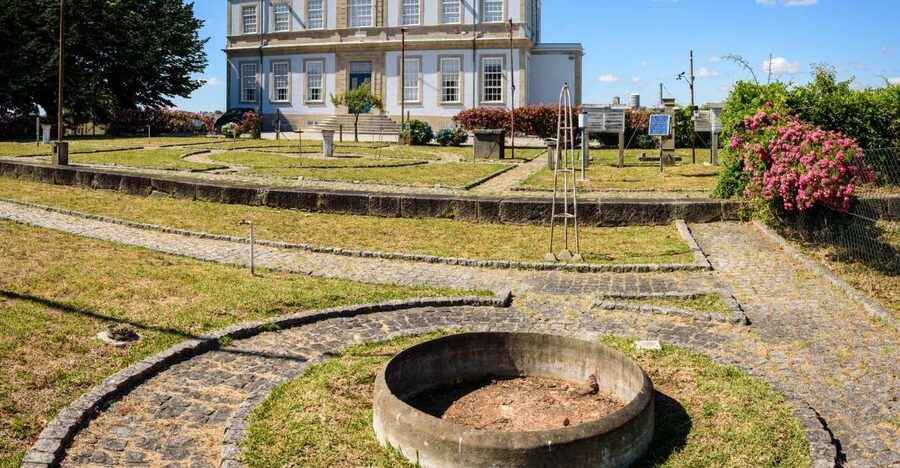
The Geophysical Institute sits in a centenary building that goes almost unnoticed from street level. It was created in 1885 behind the Monastery of Serra do Pilar, so the place has a long academic footprint. But the real hook is what was added later: a seismic station tied to Cold War monitoring, built in 1962.
You’ll likely notice the guides’ energy right away. The visit is led by geology students from the University of Porto’s Faculty of Sciences. That youth brings a specific kind of teaching style: clear and focused, with enough excitement that the science does not feel like homework.
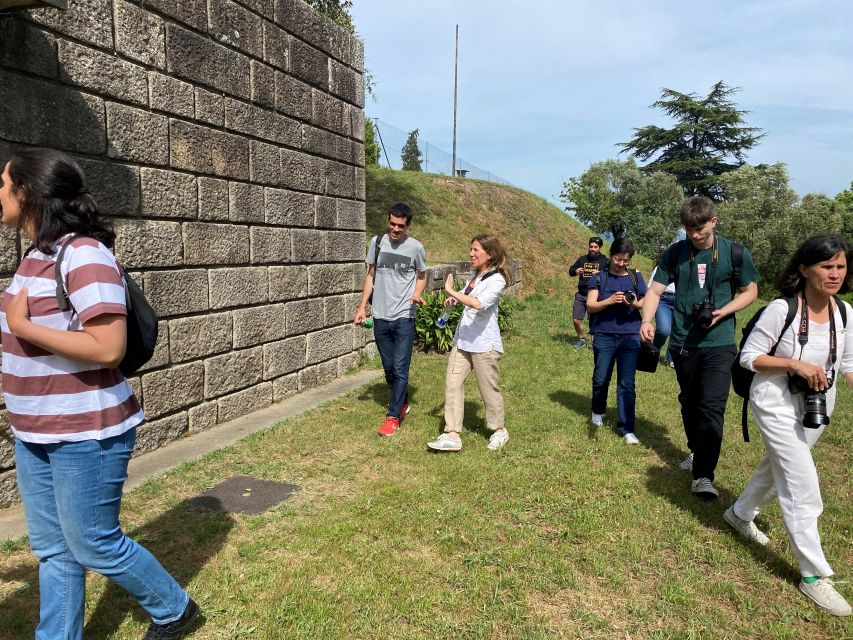
One more practical thing to keep in mind: this is an indoor plus outdoor hour. Expect some walking, and plan to dress for the weather because you’ll spend part of the time outside on the way to the views.
Still deciding? A few more Vila Nova De Gaia outings to weigh against this one:
- Porto: Six Bridges Cruise★ 4.2 · 11,680 reviews
- Porto: Taylor’s Port Cellars & Tasting★ 4.6 · 3,374 reviews
- Porto: Charming Sailboat Cruise with Port Wine,Sunset Option★ 5.0 · 1,978 reviews
- Vila Nova de Gaia: Port Wine Tasting with Cheese Pairing★ 4.8 · 1,074 reviews
What You Actually See: A Seismic Station With Worldwide Roots
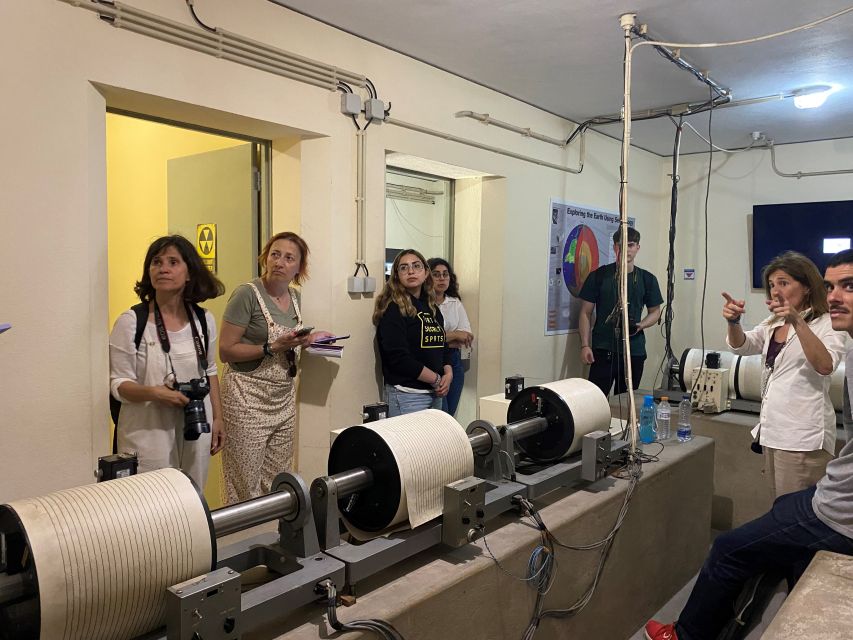
Inside the institute, the tour centers on a seismic station that is part of a worldwide network that took shape in the 1960s. The station itself was built in 1962 by the United States, officially labeled for scientific research. The story you hear is that the real purpose was tied to global monitoring during the USA-USSR arms race.
I like how this is framed. You are not just learning what a seismograph is in theory. You are in the room where seismic data collection happens, and the guides explain how the station feels earthquakes and how it responds to nuclear tests.
That point turns the visit into something more than history. You leave with a sense of how signals travel and why governments cared so much about detecting them. This is science with consequences, and you can see the logic in how a network of stations can watch the Earth for unusual events.
Because it is a working-type setting, you should be ready for rules. Flash photography and video recording are not allowed. That keeps distractions down and helps the tour stay respectful of the equipment.
The Cold War Story Behind 127 Seismic Stations
The Cold War portion is not treated like a side note. It is presented as the reason this station exists in the first place. The guide narrative explains a key lie behind the construction of 127 seismic stations worldwide, described as part of the nuclear arms race rather than pure research.
That number, 127, helps you understand scale fast. One station is interesting. A coordinated global network changes everything. It suggests why the USA would invest in listening to Earth signals across many countries, and why the Soviet era also drove rapid development of detection strategies.
What I found especially useful as a traveler is the way the guides connect politics to physics. You get the idea that nuclear tests and earthquakes do not just happen differently. They can also look different in the waves detected at monitoring stations. That is why a government would care about seismology as a tool.
And because the visit is in Porto’s orbit, it also makes the Cold War feel local. You are standing in Gaia, in a place that was part of a global system. That is the rare kind of context you usually have to dig for on your own.
How Earthquakes and Nuclear Tests Create Different Signals
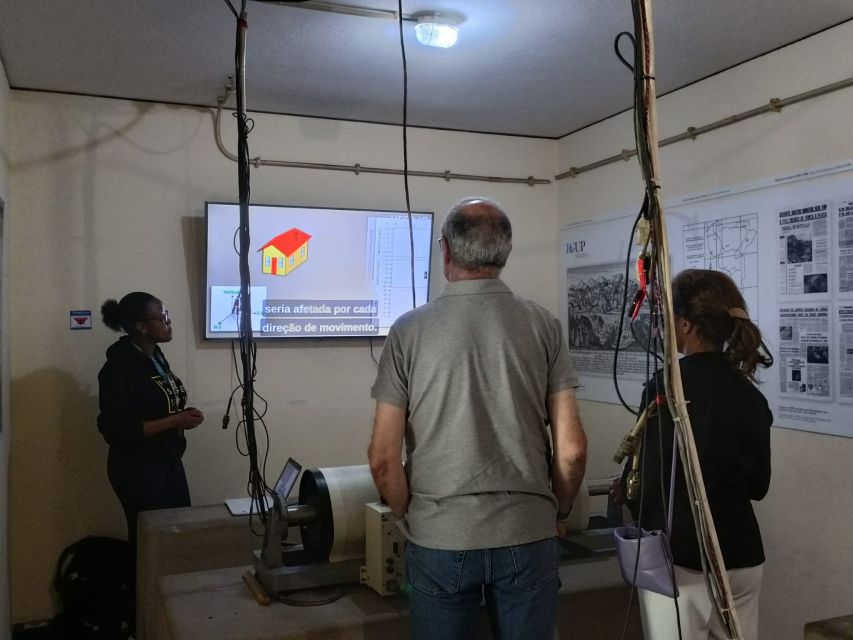
This is the science moment that makes the tour stand out. You learn how this station responds to earthquakes, and how it senses nuclear tests too. The guides also explain the differences between the waves caused by earthquakes and the waves caused by nuclear tests.
Even if you are not a science person, you should get something out of this part because the tour keeps the focus on what signals mean. The idea is simple enough: different types of events produce different wave patterns, and those patterns can be used to interpret what happened.
The guides also teach how to calculate the epicenter of an earthquake. You won’t need to be a math wizard to follow the core concept. The emphasis is on using arrival timing and wave behavior to estimate where an event originates.
If you like hands-on explanation, this is where the student-guides tend to shine. They can usually translate technical details into a story you can hold in your head while you look around the station.
One consideration: because this is a short visit, the technical bits move quickly. If you want time to sit and take notes, bring a small notebook and keep your questions ready. The tour is designed for a 60 minute window, so it is not built for slow pacing.
The Short Walk and the Six Bridges View You Came For
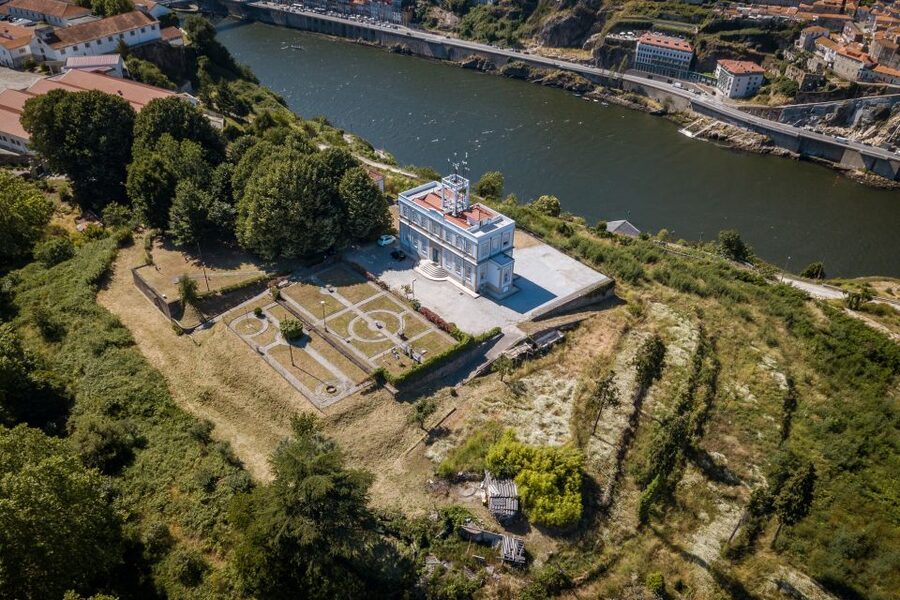
After the guided time inside, you step back outside and move along the hillside for scenic views on the way. This is where the Porto postcard payoff happens, but with a twist.
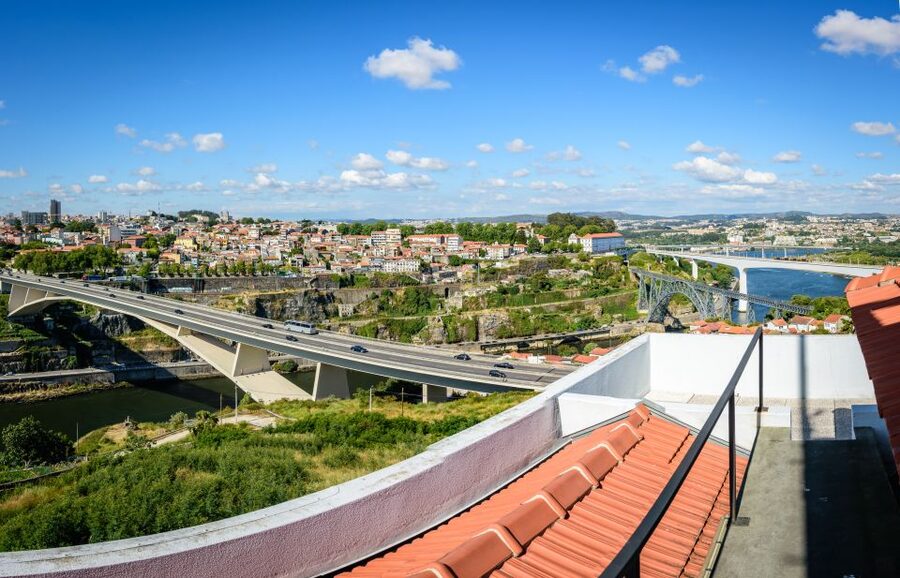
The tour highlights a view that you are told is the only place on Earth where you can see Porto’s six bridges at once. That is a bold claim, but the point is still true: this viewpoint is rare, and it gives you a way to understand Porto as a connected cityscape across the river.
You’ll get time to actually look, not just glance. The guides steer you to what to watch for, and you’ll likely spend a few minutes orienting yourself, trying to mentally map the bridges across the water.
This part also explains why the tour is worth doing as a standalone experience, not something you tack on casually. The viewpoint is not just pretty. It is the emotional reward for learning a serious science story first.
And yes, there is also a small celebration surprise back in the open air, designed to match the views. It’s not a long food stop, but it feels like a thoughtful way to end a tour that otherwise could run too academic.
Elsewhere in Vila Nova De Gaia, worth a look before you book:
- Porto: 6 Bridges Port Wine River Cruise with 4 Tastings
★ 4.9 · 586 reviews - Porto: Authentic Fado Concert With Port Wine & Views
★ 4.8 · 543 reviews - Porto: Luxury Yacht Tour of the 6 Bridges and Douro Estuary
★ 4.9 · 521 reviews - Porto: Pastel de Nata Cooking Class from Scratch
★ 4.9 · 468 reviews
Price and Value for an Hour of Science and Views
At $17 per person for about 1 hour, this is priced like an experience that knows what it is selling. You are not paying for a half-day bus tour. You are paying for access to a specific institution and for English guidance that connects seismology to Cold War history.
That access is the real value. Many “Porto secret spots” type experiences are about views. This one is about a place where science equipment exists and where the story includes nuclear testing detection. Then it ends with an unusual six-bridge viewpoint.
Also, the format makes it good value for travelers with tight schedules. A 60 minute commitment is workable on almost any day, especially if you’re already spending time in Gaia or near Serra do Pilar.
It is also a good bargain if you enjoy learning. You get a guided explanation of why the station is part of a global network from the 1960s, how the waves differ, and how epicenters can be estimated. That is a lot to pack into an hour, and it usually lands well because the guides are active.
Who This Tour Fits Best (And Who Might Skip)
This experience is a strong match if you like history with a scientific angle, or if you enjoy learning how the world works at a physical level. You will also enjoy it if you want a genuinely unusual viewpoint that goes beyond the standard “watch the river” idea.
It is also a nice fit for travelers who like authentic places. Instead of being in a curated museum, you are in a university-linked setting tied to equipment and monitoring.
It is not a fit for children under 12, which is important. The content and setting are more technical, and the tour rules around photography also suggest it is designed to keep focus on the station and explanation.
If you hate technical talk, or if your idea of Porto is mostly about long strolling, coffee stops, and casual sightseeing only, you might find the science-heavy parts demanding. But if you can handle a small dose of geology and Cold War context, you’ll likely feel satisfied by the time outside too.
Practical Tips Before You Go
A few details will make your visit smoother:
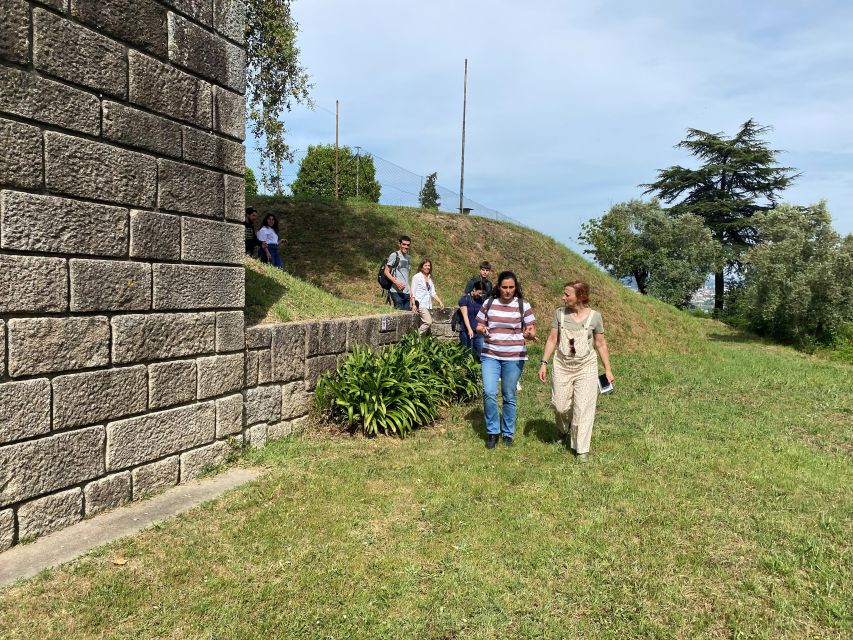
- Plan for a short uphill walk on Serra do Pilar, and dress for comfortable weather.
- Bring your phone for photos, but remember flash photography is not allowed, and video recording is not allowed.
- Since the tour is in English, if your English is good enough to follow science explanations, you’ll be fine.
- Come prepared for a 60 minute experience with a clear sequence: a walk in, guided station time, then outdoor views.
Because it is a fairly specific experience, your timing matters. If you can, choose a slot that fits your day so you can linger at the view afterward without rushing.
Should You Book This Geophysical Institute Visit?
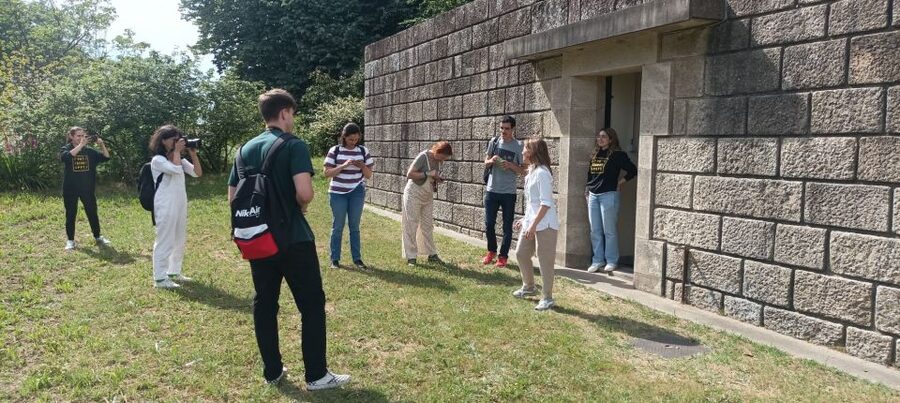
Book it if you want Porto that’s smarter than the usual viewpoint hunt. This is one hour that mixes seismology, Cold War history tied to nuclear testing monitoring, and a rare six-bridge view in Gaia. The student-guides from the University of Porto add energy, and the guided structure means you are not left guessing what you are seeing.
Skip it if you are traveling with young kids under 12, or if you only want casual city sightseeing with no technical explanations. In that case, the station focus may feel like the wrong use of your time.
If you’re in the middle, decide based on curiosity. If you like the idea that Earth signals can carry political meaning, you’ll have fun. If that sounds exhausting, you’ll probably prefer something lighter.
FAQ
How long is the Geophysical Institute of Porto visit?
The visit lasts about 1 hour.
Where does the tour start?
The starting location is R. 2 23, followed by a short walk to the Geophysical Institute.
Is the tour in English?
Yes, the live tour guide speaks English.
What will I see during the tour?
You’ll visit a seismic station at the Geophysical Institute and learn how it relates to earthquakes and nuclear tests, with time for scenic views afterward.
Is the tour suitable for children?
No, it is not suitable for children under 12.
What is the price per person?
The price is $17 per person.
Are flash photos or video recordings allowed?
No. Flash photography and video recording are not allowed.
What view does the tour include?
You’ll have a special viewpoint from the area in Serra do Pilar to see Porto’s six bridges.
Is there cancellation or pay-later options?
Yes. You can cancel up to 24 hours in advance for a full refund, and you can reserve now and pay later.
Fresh off the Porto quays



Tours, compared.
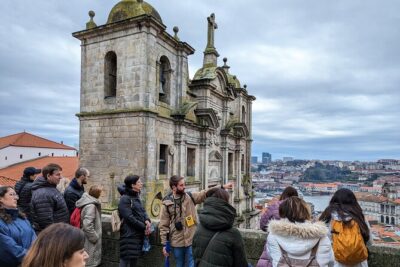
The Unvanquished Tour in Porto City Center
Read our review →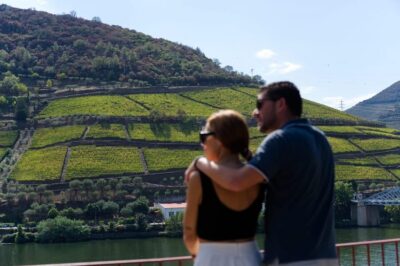
Douro Valley w/ Boat Tour, Wine Tasting & Lunch
Read our review →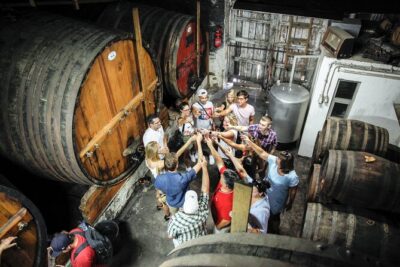
Complete Douro Valley Wine Tour with Lunch, Wine Tastings and River Cruise
Read our review →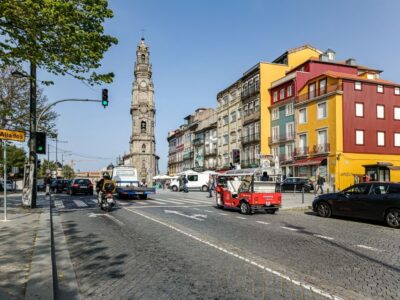
Guided Tour by Tuk-Tuk & Optional Douro River Cruise
Read our review →
Historical Sites, Wine Experience, Lunch & Cruise
Read our review →Authentic Small Group Douro Wine Tour with Lunch & River Cruise
Read our review →
3-Hour Porto Highlights on a Electric Bike Guided Tour
Read our review →