Reviewed · TOURS
Exclusive visit to the Astronomical Observatory of Gaia
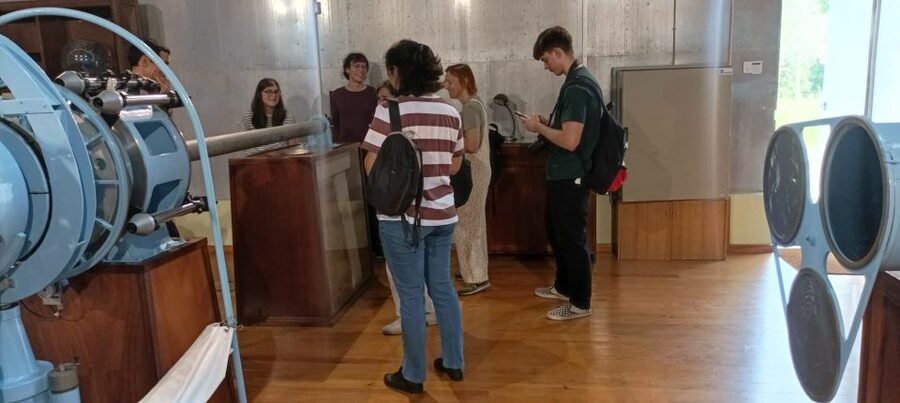
Time has a doorway here. Up on Monte da Virgem in Gaia, the Astronomical Observatory of Gaia uses a roof that opens to the sky and a rare precision instrument, the Mirror Meridian Circle, to explain how people learned to measure the night and the clock.
I really like two parts of this visit. First, the tour is taught by Physics students from the Faculty of Sciences, so the explanations feel clear and grounded, not watered down. Second, you get a tight timeline for how the site was created in 1948, then upgraded about nine years later with its best-known instrument, and why that mattered for astronomy education.
One thing to consider: if you’re hoping for full-on night observing, plan for possible limits. The visit is built around the observatory and its mechanisms, and night telescope time is not something you can count on.
In This Review
- Key points to know before you go
- Entering The Astronomical Observatory of Gaia on Monte da Virgem
- Why the Mirror Meridian Circle matters (and why the building is so unusual)
- The 60-minute flow: how the tour actually moves
- What you learn about time: stars, the meridian, and telling time through the sky
- The roof opening to the sky is more than a cool trick
- Your guides: physics students who keep it practical in English
- Photography and recording rules to plan around
- Who this tour is best for (and who should skip it)
- Price and value: $17 for a rare instrument and an engineered building
- Should you book the Astronomical Observatory of Gaia visit?
Key points to know before you go
- A roof that slides open so you can picture how meridian observations work in real life
- The Mirror Meridian Circle story from its 1948 origins to its major instrument debut about nine years later
- Guides who study physics at the Faculty of Sciences and talk through the ideas in English
- Timekeeping focus, not generic stargazing with explanations tied to the passage of stars
- Strict photo and video rules, no flash photography and no video recording
Entering The Astronomical Observatory of Gaia on Monte da Virgem
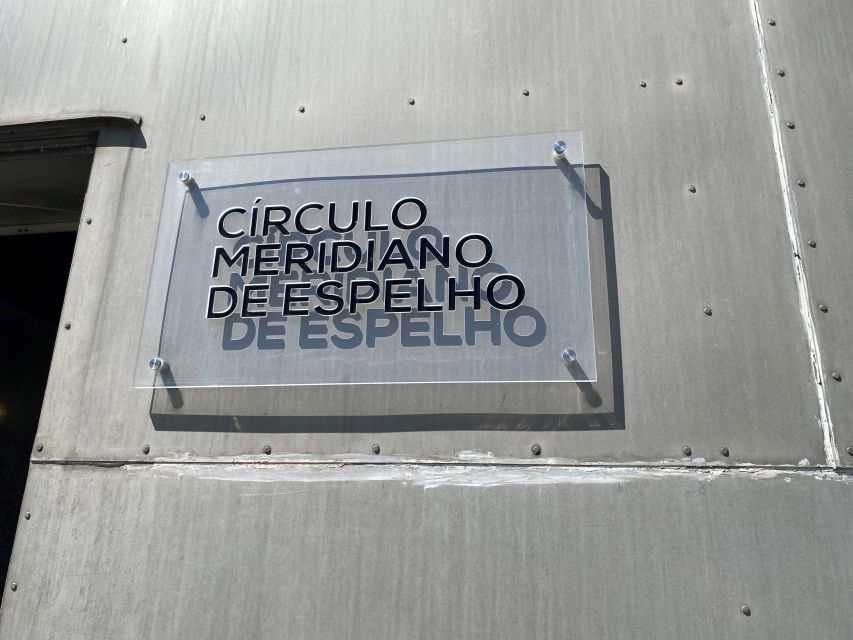
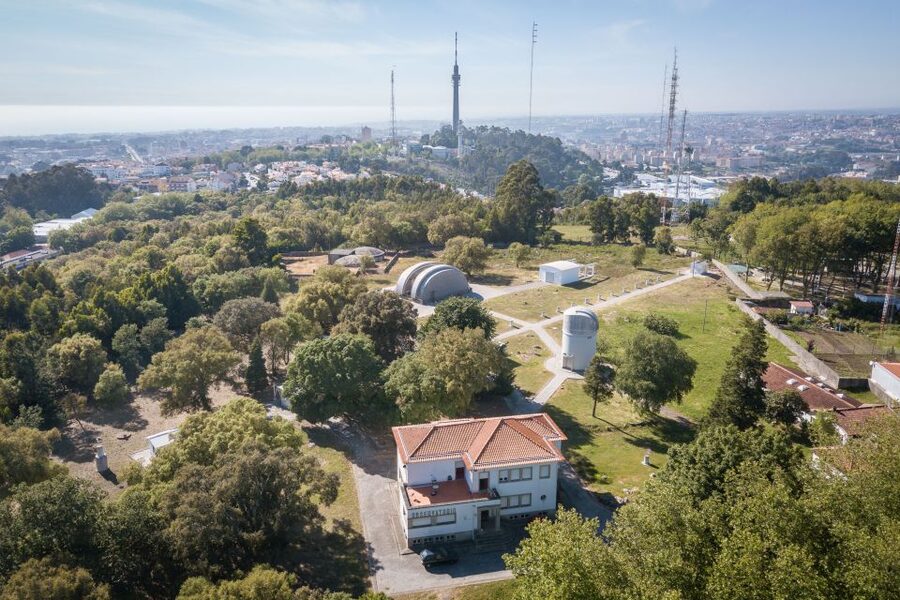
Gaia has a discreet observatory at the top of Monte da Virgem, and that low-key location is part of the charm. You are not walking into a big public planetarium. You are stepping into a place that was designed to measure, not just to impress.
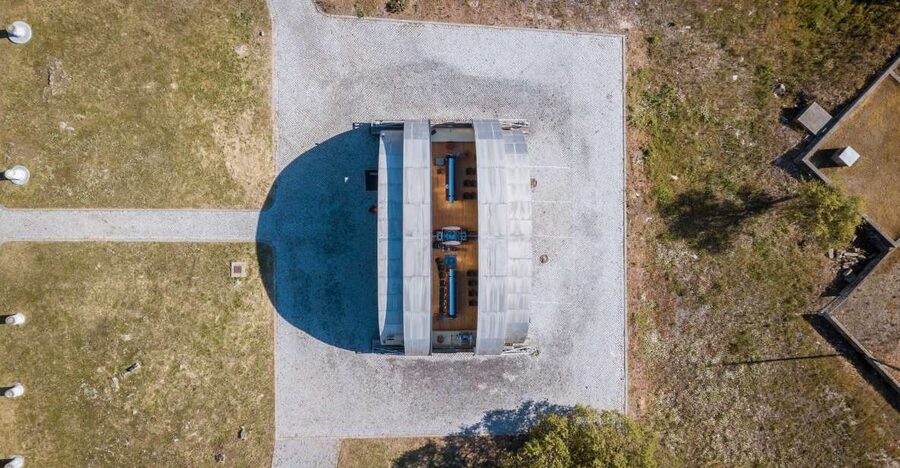
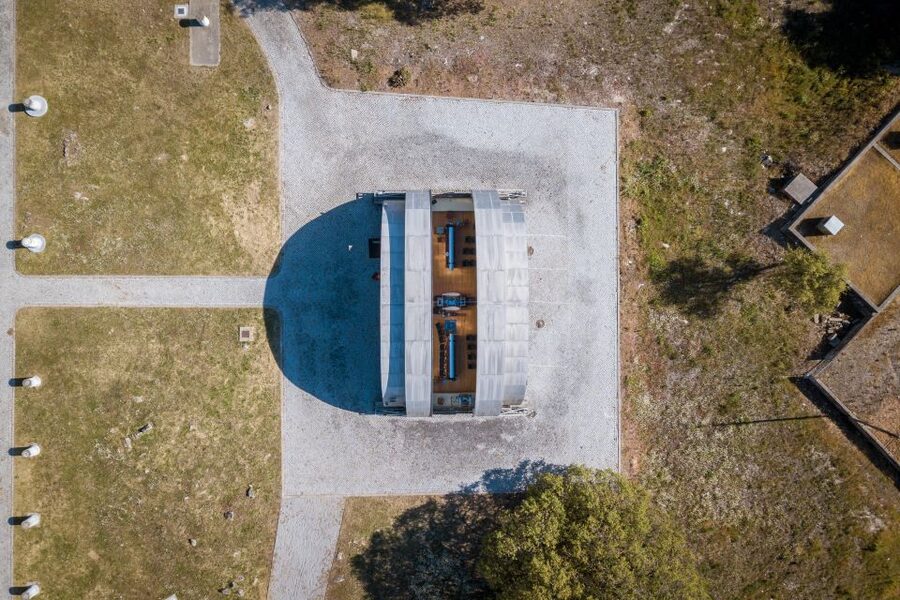
The building itself is the first lesson. It is made for careful sky watching through a specific setup, including a semi-cylindrical structure and a roof that slides aside. That design choice is not decorative. It supports precise observations of how stars cross the local meridian.
If you like science that has a point, you will enjoy that the whole experience is aimed at understanding systems. How do you turn something as far away as a star into something humans can record and use? This visit pushes you toward that question from the first minute.
Still deciding? A few more Vila Nova De Gaia outings to weigh against this one:
- Porto: Six Bridges Cruise★ 4.2 · 11,680 reviews
- Porto: Taylor’s Port Cellars & Tasting★ 4.6 · 3,374 reviews
- Porto: Charming Sailboat Cruise with Port Wine,Sunset Option★ 5.0 · 1,978 reviews
- Vila Nova de Gaia: Port Wine Tasting with Cheese Pairing★ 4.8 · 1,074 reviews
Why the Mirror Meridian Circle matters (and why the building is so unusual)
This observatory was created in 1948 to support astronomy studies at the Faculty of Sciences. Then, about nine years later, it opened its most notable instrument: the Mirror Meridian Circle.
That name might sound like machinery for machinists, but that is exactly why it is interesting. A meridian circle is built around one idea: stars move across the sky in predictable ways, and crossing a defined line gives you a measurement you can trust. It is astronomy as instrumentation and timing, not astronomy as vibes.
The Mirror Meridian Circle is also rare. There are only two more in the world. So even if you are not a hardcore astronomy fan, you get a “how often does this show up?” feeling. This is not a common museum piece. It is a very specific tool, preserved for what it taught and what it still helps explain.
The semi-cylindrical building and the sliding roof are part of the same logic. By opening the roof to the sky at the right moment, the instrument can watch the passage of stars through the local meridian with the kind of steadiness and alignment you need for precision work.
The 60-minute flow: how the tour actually moves
The visit lasts about 60 minutes, with a short walk before and after the guided part. It is a simple rhythm, and that matters because it keeps your attention on one focused subject.
You start from 4430-146 and walk about 5 minutes to reach the observatory. That short approach is useful. It gives you time to shift from “tour mode” into “look at the building, then listen” mode.
Next comes the guided tour for about 30 minutes. This is where the mechanics and the meaning of the site come alive. You are not just looking at an old instrument behind glass. You are hearing why it was built the way it was, and what it was meant to measure.
After that, you walk back about 5 minutes. It is a good length for people who want a compact experience without turning the outing into a half-day expedition.
What you learn about time: stars, the meridian, and telling time through the sky
The core theme is history of time, but not in a dusty way. You learn how “telling time” connected to astronomy, because the sky acts like a clock face.
This observatory was designed to observe the passage of stars through the local meridian. In plain terms, the meridian is the line in the sky that corresponds to your local north-south direction. When a star crosses it, you get a precise moment you can use for measurement. That is the bridge between astronomy and timekeeping.
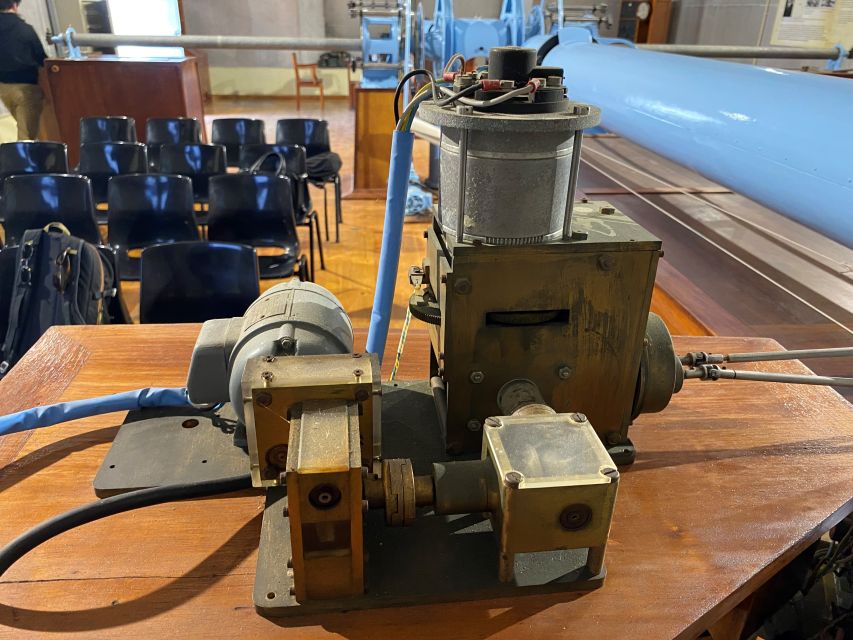
During your visit, you also get a guided explanation of the instrument’s mechanisms. The emphasis is on the question you hear right away: what the equipment was used for when it was first opened, and what it teaches now. Even if you do not come in with a technical background, the tour guides you through the logic step by step.
I like that the experience treats the story of time measurement as something mechanical and human. People built systems to translate the sky into numbers. Then those numbers improved how clocks were set and how observations could be compared.
If you enjoy seeing how “measurement” works as a process, not just a result, this is a satisfying hour. You leave understanding why the roof opening is part of the story, not just an interesting architectural feature.
The roof opening to the sky is more than a cool trick
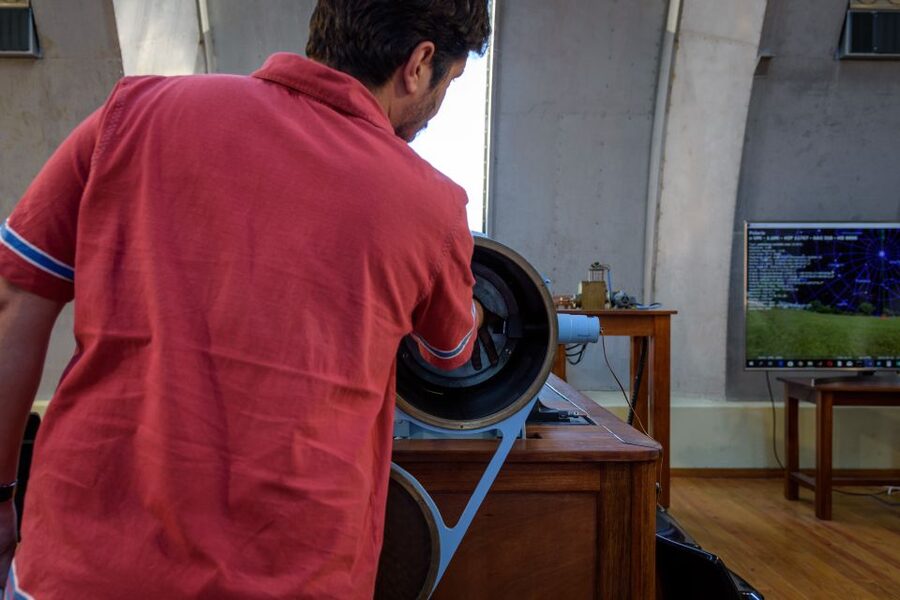
Yes, the roof opening is visually memorable. But the real value is what it teaches you about observation conditions.
A sliding roof is a practical solution. It lets the observatory control when the sky view is available for observations, while still keeping the instrument housed in a semi-protected space when it is not in use. That matters for precision. Even small changes can affect how steady and consistent an observation feels.
So when you see the design concept explained, you start to connect it to the instrument’s goal: watch the passage of stars through the meridian in a way that supports careful measurement.
In other words, the roof helps you understand how the builders thought. They were not only trying to build a place with a view. They were building a place designed around timed observation.
Elsewhere in Vila Nova De Gaia, worth a look before you book:
- Porto: 6 Bridges Port Wine River Cruise with 4 Tastings
★ 4.9 · 586 reviews - Porto: Authentic Fado Concert With Port Wine & Views
★ 4.8 · 543 reviews - Porto: Luxury Yacht Tour of the 6 Bridges and Douro Estuary
★ 4.9 · 521 reviews - Porto: Pastel de Nata Cooking Class from Scratch
★ 4.9 · 468 reviews
Your guides: physics students who keep it practical in English
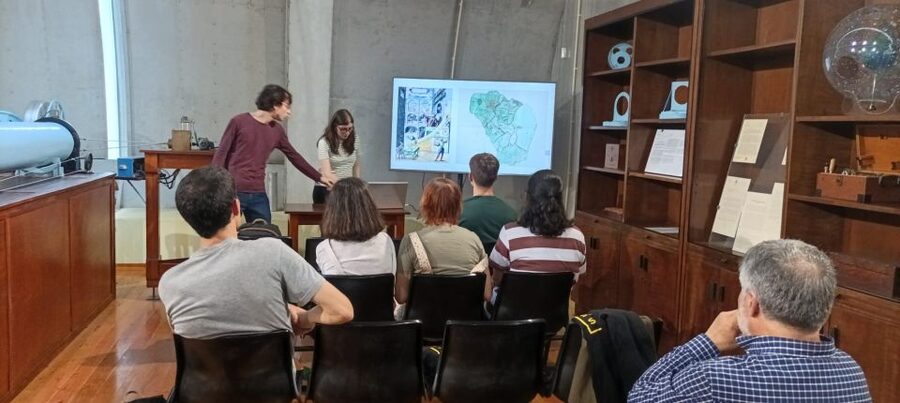
The tour guides are Physics students from the Faculty of Sciences, and that shows in the teaching style. Instead of treating the instrument as an untouchable relic, they explain it as a working idea.
The visit is in English, which is a big deal for comfort. You get the details without needing to translate in your head. And because the guides are students themselves, the explanations tend to stay grounded and direct, the kind of clarity you want for a 60-minute experience.
You can also tell they care about the subject matter. The upbeat energy makes the hour move quickly, and it helps you focus on the “why” behind each mechanism.
Photography and recording rules to plan around
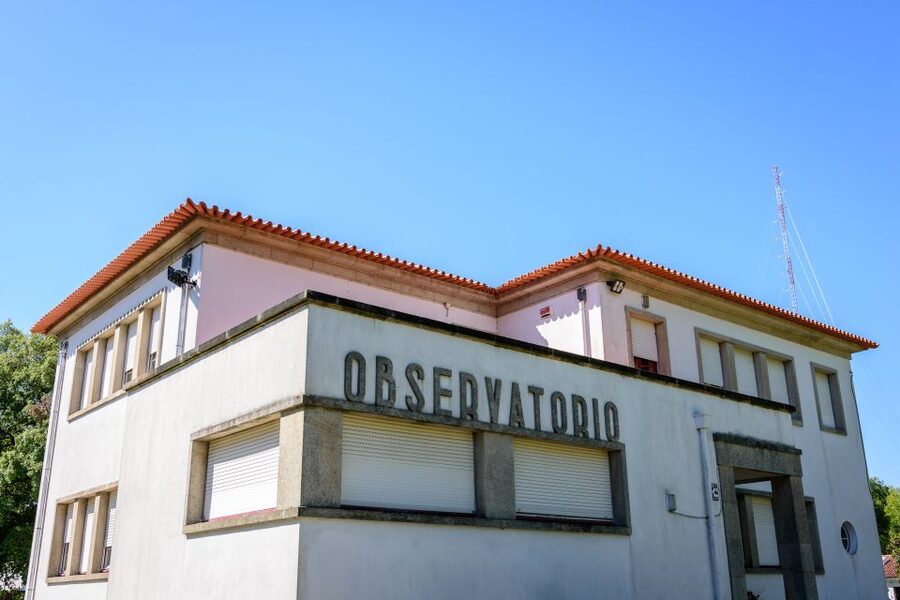
This is a controlled environment, so you have to follow the rules. Flash photography is not allowed, and video recording is not allowed.
That means you should think of your phone as a note-taking tool, not a recording device. If your plan is to come back with lots of footage, you may feel limited. But if you are happy with photos where permitted and with the explanations as the main event, these rules usually make the experience calmer and easier to pay attention.
Who this tour is best for (and who should skip it)
This visit is a good match if you like two things: time as a concept, and stars as the “source material” that makes time measurement possible.
It is also listed as not suitable for children under 12. That age limit makes sense here. The focus is on instruments and measurement, not basic kids’ stargazing.
If you are coming mostly for nighttime viewing, be careful. The experience is designed around the observatory and a guided explanation. One provided note you should take seriously is that nighttime observing with the equipment is not something you can guarantee.
So think of this as a “science story told by the machine” experience. Not as a guaranteed night-sky session.
Price and value: $17 for a rare instrument and an engineered building
At about $17 per person for 1 hour, this can feel like a bargain if you care about the subject. You are paying for three things: access to an unusual observatory, guided interpretation in English, and a close look at a precision instrument that is rare worldwide.
The Mirror Meridian Circle is the big value driver. Only two more exist, so you are not just touring another observatory. You are connecting with a very specific tool designed for precise observations.
You also get real education time from a guided talk that lasts about 30 minutes. For many paid activities in Portugal, you might spend that money on general sightseeing. Here, the time is aimed at one concentrated topic, and the setting helps you understand it faster.
Should you book the Astronomical Observatory of Gaia visit?
Book it if you want a focused, science-based hour in Gaia that explains how time measurement grew out of astronomy. You will likely enjoy the roof-opening architecture and the Mirror Meridian Circle story, especially if you like instruments, measurement, and the “how does it work” angle.
Skip it if your main goal is guaranteed night telescope observing. The experience is built around a guided visit and the observatory setting, and nighttime sessions are not assured.
If you are the type who likes learning while standing in front of the actual equipment, this is an easy yes.
Fresh off the Porto quays


Tours, compared.
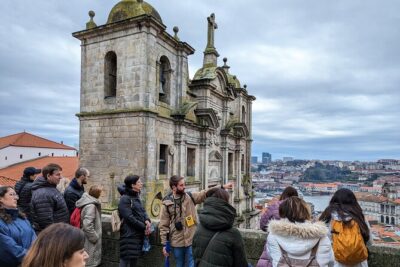
The Unvanquished Tour in Porto City Center
Read our review →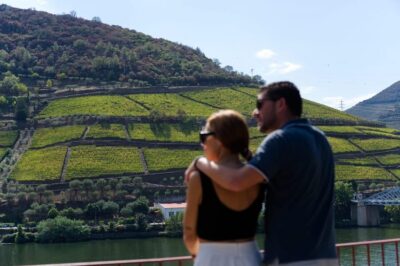
Douro Valley w/ Boat Tour, Wine Tasting & Lunch
Read our review →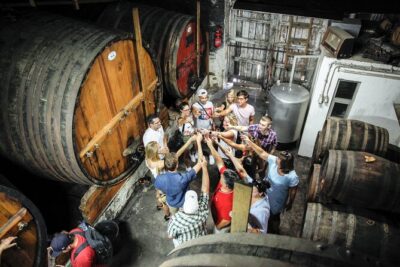
Complete Douro Valley Wine Tour with Lunch, Wine Tastings and River Cruise
Read our review →
Guided Tour by Tuk-Tuk & Optional Douro River Cruise
Read our review →
Historical Sites, Wine Experience, Lunch & Cruise
Read our review →Authentic Small Group Douro Wine Tour with Lunch & River Cruise
Read our review →
3-Hour Porto Highlights on a Electric Bike Guided Tour
Read our review →