Reviewed · FOOD & DRINK
Unveiled Secrets of Porto + Olive Oil Tasting
Porto hides secrets in churches and cemeteries. What makes this tour fun is how it strings together Lapa Brotherhood drama, art-and-faith stops in the center, and then ends with a real olive oil tasting where you learn how to taste, not just sample. I also like that the guides handle questions well, with Oleksandra stepping in to match a family’s pace when plans had to bend.
It is still a packed 3 hours with walking between sites, so if you need frequent breaks, go in knowing you will be on your feet. Bad weather can make the route feel longer, even with a smart guide keeping things moving.
In This Review
- Key highlights you should know before you go
- Lapa Brotherhood and the ancient cemetery in Igreja da Lapa
- Trindade Church: Porto’s spiritual and civic center
- Aliados Avenue and São Bento Station murals
- Praça da República and Capela dos Pestanas as route-makers
- MMIPO: Misericórdia Museum and Porto’s Portuguese Louvre vibe
- Olive oil tasting that teaches you how to taste
- Optional Palacio da Bolsa for gold-leaf and the Arab Room
- The 3-hour route, timing rhythm, and what to wear
- Price and value: why $63 feels fair for this mix
- Who this tour suits best
- Should you book this Porto plus olive oil experience?
- FAQ
- Where does the tour start?
- How long is the tour?
- Is the olive oil tasting included?
- Which major stops are part of the tour?
- What languages is the tour guide available in?
- How does the optional Palacio da Bolsa work?
Key highlights you should know before you go
- Lapa Brotherhood and Cemetery: symbols, stonework, and stories that feel like a local legend you can walk through
- Trindade Experience: a guided look at Porto’s spiritual and civic heart, with the kind of details you miss on your own
- São Bento area focus: Aliados Avenue and the station murals, explained with real context
- MMIPO (Misericórdia Museum): Porto’s charity institution, framed like a museum visit, with art and sacred objects
- Olive oil tasting: learn what good olive oil tastes like and how locals talk about it
- Palacio da Bolsa optional: gold-leaf splendor and the Arab Room if you want one more big set piece
Lapa Brotherhood and the ancient cemetery in Igreja da Lapa
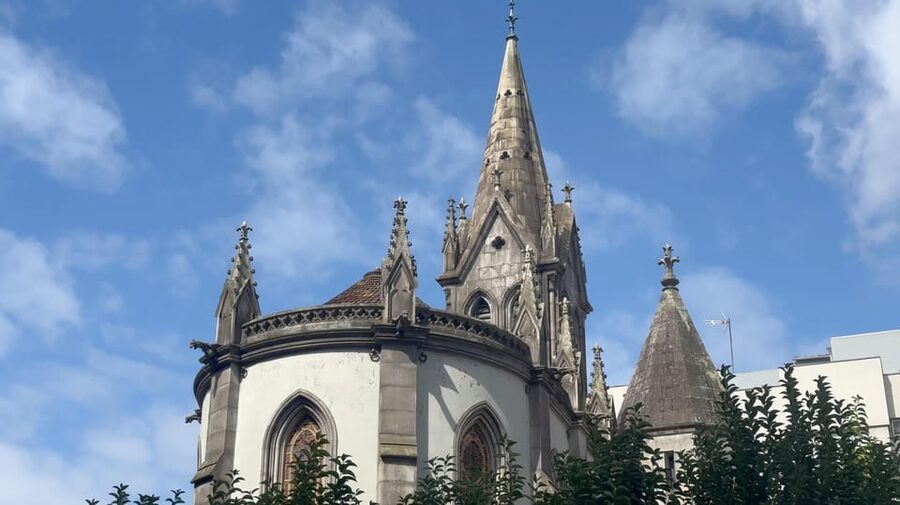
This is where the tour earns its name, because the Lapa side of Porto feels story-first. You start at Igreja da Lapa, then move into a guided visit of the brotherhood and its ancient cemetery, where ornate tombs and crypt-like spaces bring a very different mood to the city center.
What I like most is the way the guide turns architecture into atmosphere. You are not just looking at old stone, you are hearing the meaning behind cryptic symbols and the kind of local love and loss stories that made these places matter to people who lived long before you.
The Lapa cemetery portion is also a good reality check. It is dramatic, but it is also grounded in craft and design, from how the spaces are laid out to how the memorials are set. If you like places with a pulse, this stop is the one that sticks.
Possible drawback: it can feel intense if you are sensitive to cemetery symbolism or you prefer light, casual sights. It is still handled as a guided cultural visit, not a spooky show, so you can pace yourself, but the mood is not meant to be cheerful.
More eating and drinking in Porto:
- From Porto: Douro Valley w/ Boat Tour, Wine Tasting & Lunch★ 4.7 · 19,061 reviews
- Douro Valley Small-Group Tour with Wine Tasting, Lunch and Boat★ 5.0 · 3,642 reviews
- Porto: Cálem Cellar Tour, Fado Show & Wine Tasting★ 4.4 · 3,530 reviews
- Porto: Cockburn’s Port Lodge Tour and Tasting★ 4.8 · 3,360 reviews
Trindade Church: Porto’s spiritual and civic center
Next comes Trindade Experience, with a guided look inside the Trindade church area. This is one of those stops where you quickly understand why Porto history does not live only in museums. It lives in places where people still gather, worship, and mark civic life.
You get a guided tour that focuses on how the church works as a kind of anchor for the neighborhood. The experience is not only about religious art. It also covers how the building tells you something about Porto’s identity, from grand design choices to the surprises you do not catch when you rush through.
I also like the pace here because it is a change from the cemetery mood. After the Lapa stop, Trindade gives you a steadier flow, with the guide helping you connect the symbols you saw earlier to what the city values and preserves.
A practical note: churches can mean cool interiors and uneven floor spots. Wear shoes you trust, and keep a steady rhythm. The tour moves along, but it is meant to be enjoyed at human speed with someone steering you.
Aliados Avenue and São Bento Station murals
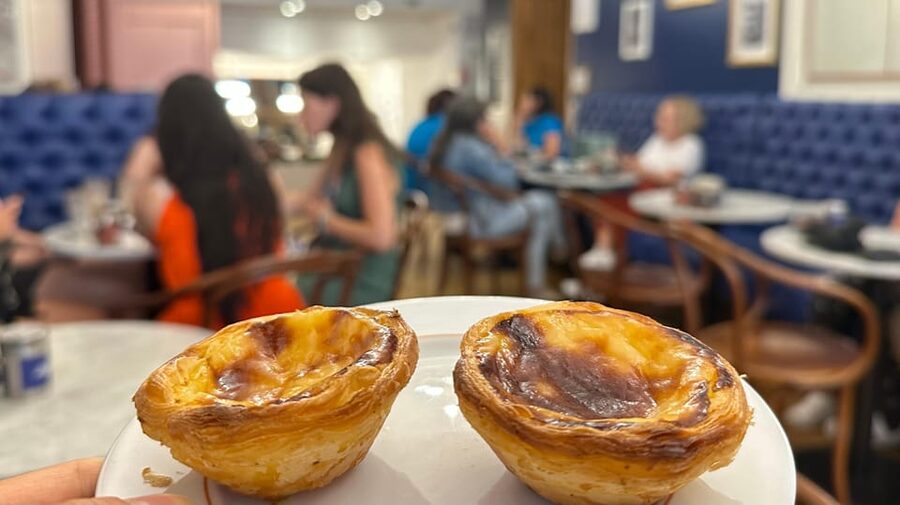
From church to city swagger, you step out onto Avenida dos Aliados and head toward São Bento Railway Station. This area is famous for being visually loud, but a good guide makes it readable.
The station stop is not just about saying you saw the famous tile hall. With a guide, you get the stories murals often do not explain on their own. You hear construction secrets, hidden meanings, and the real-life drama behind what is depicted on the walls.
Aliados Avenue is the setup. It is where Porto shows its civic confidence, with its wide boulevard feel and grand street presence. Walking it gives you orientation, so by the time you reach São Bento you understand where the city energy sits.
If you want to take photos, do it with purpose. Move a little to frame the mural area, then pause to listen. The details land better when you are not constantly looking down at your phone.
Possible drawback: São Bento is popular, so it helps to be mentally flexible. You may not control the crowd level, but the guided story helps you feel like you are getting more than a quick look.
Praça da República and Capela dos Pestanas as route-makers
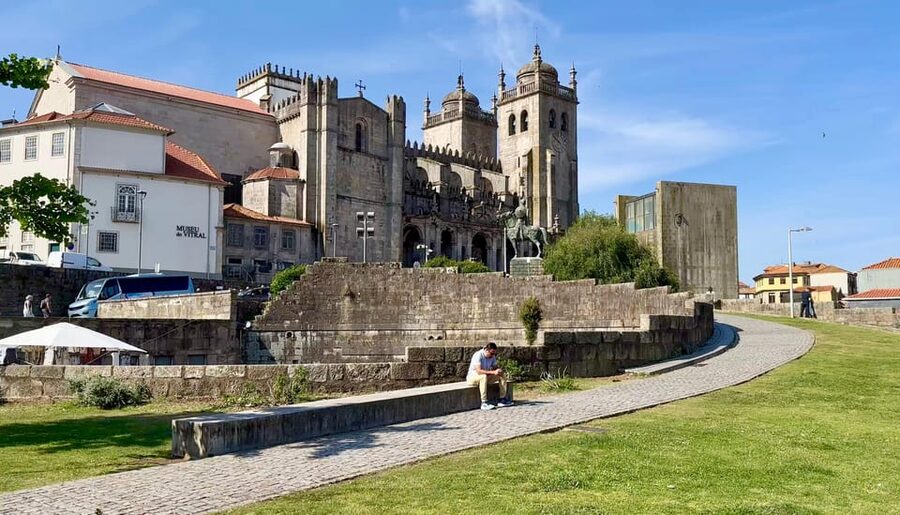
In between the bigger indoor stops, the tour includes a short walk through the Praça da República area and a pass by Capela dos Pestanas. These might sound minor compared with Lapa or a museum, but they matter because they keep the route feeling like Porto, not a checklist.
You use these moments to reset. A quick square view helps you spot landmarks and understand how the center is stitched together. The capela pass-by is the kind of street-level stop that rewards curiosity, even if you are not going in for a long visit.
This is also where you feel the value of a guided city-center loop. Without guidance, you might skip these in favor of only the most famous names. With guidance, you learn how the whole area connects.
My advice: do not rush the in-between parts. When your guide says to look at something on the way, it is usually there for a reason, even if it takes only a minute.
MMIPO: Misericórdia Museum and Porto’s Portuguese Louvre vibe
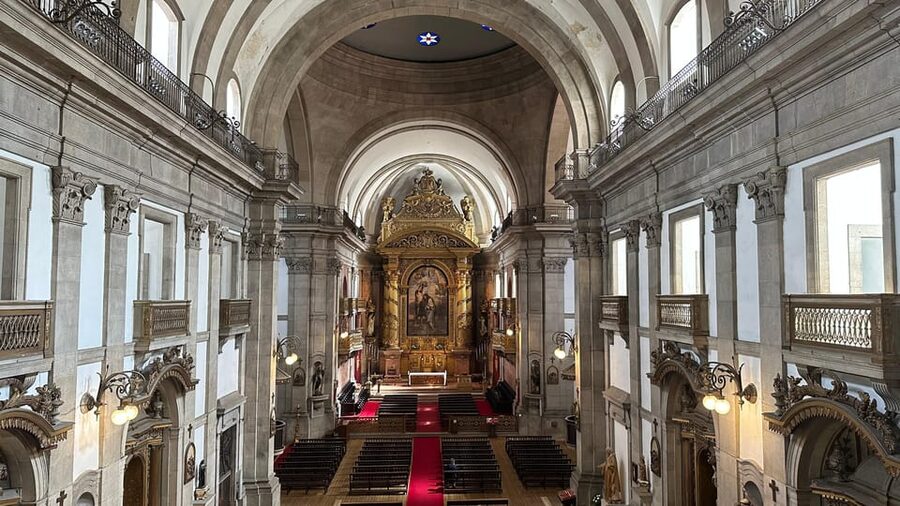
The tour’s museum moment is MMIPO (Museu da Misericórdia do Porto), described as Porto’s Portuguese Louvre. That label makes it sound like a big-name art gallery, but the real value here is the institution context, because this is housed in the oldest charity institution in the city.
Inside, you explore halls where sacred relics and significant artworks sit within a story of care and tradition. A guided tour helps you see what is in front of you, but also why it was preserved.
What I like about this stop is that it gives you a sense of how Portuguese history is built from practical values. Porto’s art does not feel floating. It feels anchored in community institutions that existed to help people.
If you enjoy religious objects as cultural history, this is a strong match. If you are not into museum style visits, the guided format can still make it work because the guide is there to translate the room, not just point at items.
Possible drawback: it is still a museum stop, so it asks for a bit of attention indoors. I recommend bringing a curious mindset rather than expecting only visual wow.
Elsewhere in Porto, worth a look before you book:
- The Unvanquished Tour in Porto City Center
★ 5.0 · 26,497 reviews - Complete Douro Valley Wine Tour with Lunch, Wine Tastings and River Cruise
★ 5.0 · 12,920 reviews - Porto: Douro Valley with Winery Lunch, Tastings & Cruise
★ 4.7 · 7,002 reviews - Porto: Live Fado Show with Glass of Port Wine
★ 4.8 · 6,498 reviews
Olive oil tasting that teaches you how to taste
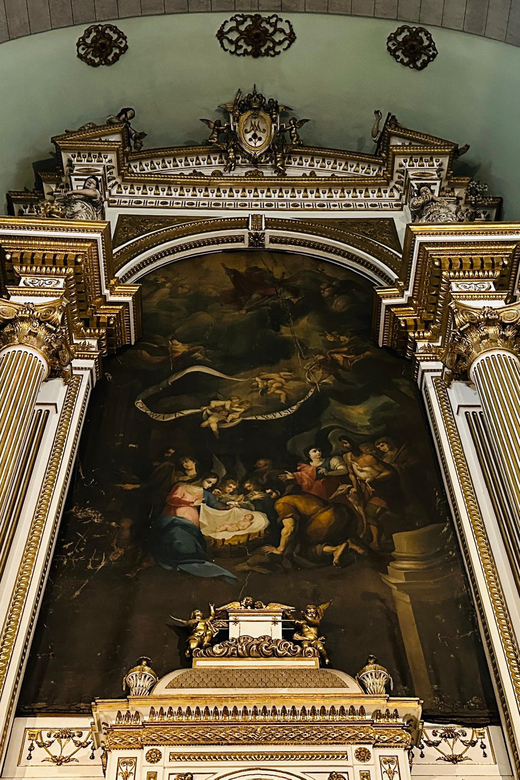
Then comes the part many people remember most: the local olive oil tasting. This is where the tour stops being only about sights and becomes about taste and sense memory.
You learn to spot the differences in olive oil and how locals talk about what makes it good. The focus is on the taste of real olive oil, which is exactly what you want if you have had bland supermarket versions and wondered what the fuss was about.
In practical terms, pay attention to how the oil looks, smells, and hits your palate. The point is not to become an olive oil expert in three hours. The point is to walk away with a simple framework you can use when shopping later.
Also, this tasting is a nice emotional payoff after the heavier stops like Lapa cemetery and museum interiors. It is a reset for your senses, and it gives you something to do besides look at stone and tiles.
If you love food learning, this is the moment that earns the price. It also makes the tour feel more local, because olive oil in Portugal is not a novelty. It is part of daily cooking and culture.
Optional Palacio da Bolsa for gold-leaf and the Arab Room
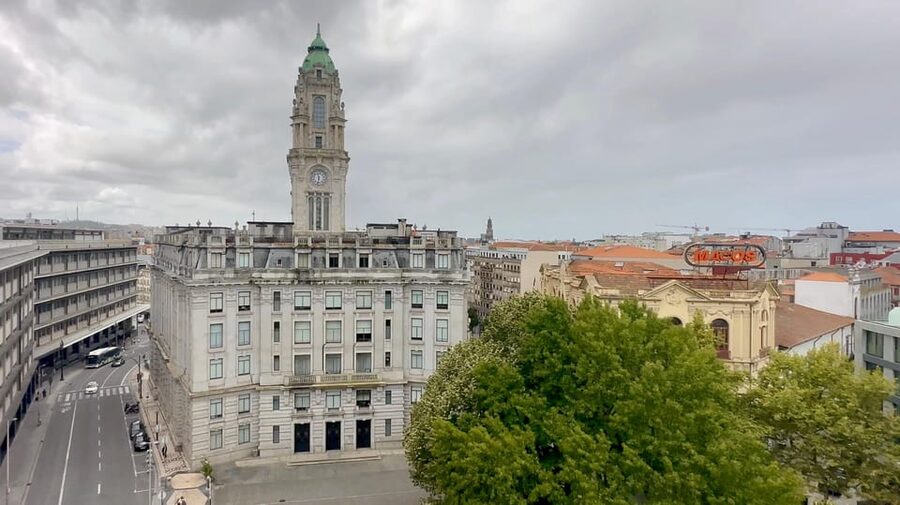
If you choose to add Palacio da Bolsa, you get a more showpiece kind of architecture. This is the former Stock Exchange, and the tour frames it around ambition, power, and the beauty of design used to impress.
The highlight people usually care about is the gold-leafed halls and the Arab Room, which is often described as a palace of spectacle. Even if you have seen other palaces in Portugal, the Bolsa contrast with the older church and charity institutions gives your itinerary a fuller range.
I see this as an easy add-on if you want one more major interior you can point to as a must-see. If you are not into palace interiors or you prefer extra time outside, you can skip it and keep the day lighter.
Practical tip: palace visits can mean more standing and looking up. If you have neck or mobility limits, tell your guide and focus on the main rooms rather than trying to see everything at full pace.
The 3-hour route, timing rhythm, and what to wear

This tour is built to move through Porto’s center without turning it into a marathon. The pacing usually works like this: one guided stop that lasts about 30 to 40 minutes indoors, then a short walk segment, then another guided feature.
That rhythm matters because it keeps you from being stuck in a room too long. It also keeps your energy stable, which is crucial on a route like this since you are combining churches, museums, and a cemetery context with multiple short outdoor stretches.
The itinerary wraps with a local restaurant brunch for about 30 minutes, then finishes at Praça do Infante D. Henrique. That ending point is handy, because you are still in a central location where you can keep wandering or grab your next meal without backtracking.
What to wear: Porto weather can change quickly, and even when it stays mild, stone floors and indoor-outdoor transitions can make you feel colder than you expect. Wear comfortable shoes you can walk in for a few hours. Bring a light layer, especially if you are traveling in shoulder season.
Also, since the guide provides an English and other language live tour, you can ask questions as you go. I like tours where the guide can slow down without losing momentum, and this one is set up for that kind of interaction.
Price and value: why $63 feels fair for this mix
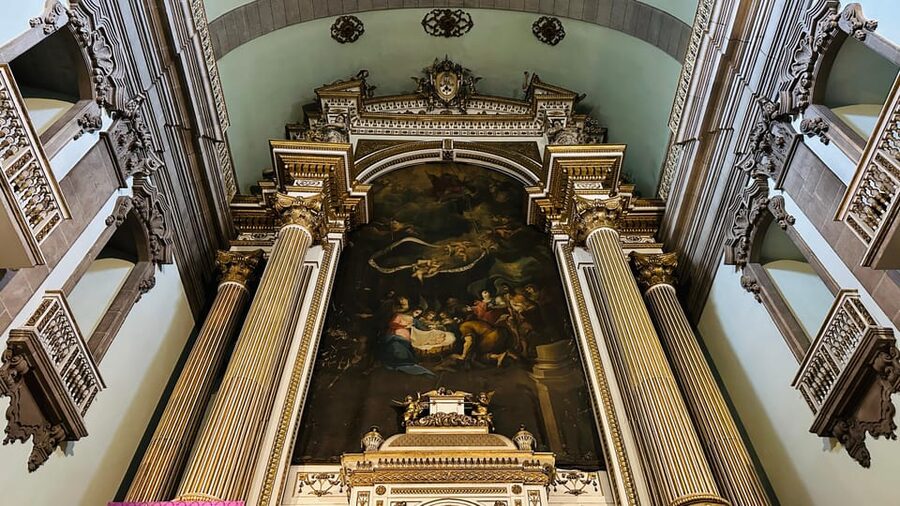
At $63 per person for about 3 hours, the price is really about what is bundled. You are not just paying for a walk and a few photos. You are paying for guided access at multiple formal sites, plus the olive oil tasting.
The Lapa Brotherhood visit, Trindade Experience, and MMIPO guided tour alone are a meaningful chunk of time and specialist storytelling. Add in the option for Palacio da Bolsa, and the tour starts to feel like a well-designed highlights circuit rather than random stops that cost you extra time and tickets later.
And because the tour includes skip-the-ticket-line, you lose less time at entrances. That matters in a city center route where waiting can eat the best parts of your short schedule.
If you were planning these separately, you would likely spend more in both time and money once you factor in multiple individual admissions and the need to stitch together directions. This tour hands you the structure.
The real value is the sequencing. Ending with olive oil tasting turns the day into more than visual sightseeing. It gives you a practical takeaway, and it helps you remember Porto with your senses, not only your camera roll.
Who this tour suits best
This is a strong pick if you want Porto history and culture with a point of view. You are mixing mysterious cemetery storytelling, a guided look at civic and spiritual architecture, and a museum that connects art to local charity tradition.
You will likely enjoy it most if you like:
- guided interpretation, not just self-guided photo stops
- a food-and-culture payoff at the end
- seeing how the city center fits together geographically and thematically
It also works for families, based on how guides can adapt pace for different needs. One guide, Oleksandra, handled questions and matched the group rhythm even with a 7-year-old in tow, which is a good sign for anyone traveling with kids or anyone who needs more time.
If you only want the absolutely famous sights and you hate guided cemetery or museum moments, you might find parts of it heavy. But if you enjoy variety, this route is built for you.
Should you book this Porto plus olive oil experience?
I think you should book it if you want a compact Porto city-center day that mixes story-driven architecture with a hands-on local food element. The combination of Lapa Brotherhood, Trindade, MMIPO, and the olive oil tasting gives you a satisfying arc, with the taste stop acting like a memorable finale.
Book it if you value a guide who answers questions and keeps the day moving at a human pace. Guides like Rui are described as strong on history and art, which is exactly what you want when you are standing in places full of symbols and visual clues.
I would skip it only if you want a slow, relaxing half-day with minimal walking. This one is designed to fit a lot into 3 hours, so if you are traveling on tight comfort constraints, choose a more flexible, less packed style tour.
FAQ
Where does the tour start?
The meeting point is in front of the entrance to Igreja da Lapa.
How long is the tour?
The tour lasts about 3 hours.
Is the olive oil tasting included?
Yes. Olive oil tasting is included in the experience.
Which major stops are part of the tour?
You will visit the Lapa Brotherhood and its cemetery, the Trindade Experience, and MMIPO. Palacio da Bolsa is an optional add-on.
What languages is the tour guide available in?
Live tour guide languages include English, Portuguese, Spanish, Russian, and Ukrainian.
How does the optional Palacio da Bolsa work?
Palacio da Bolsa is available as an optional guided visit if you want to add it to the tour.
Fresh off the Porto quays





Food & Drink, compared.
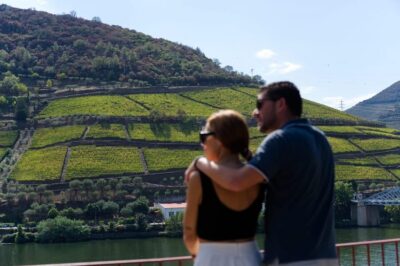
Douro Valley w/ Boat Tour, Wine Tasting & Lunch
Read our review →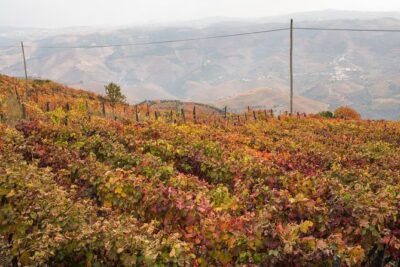
Douro Valley Small-Group Tour with Wine Tasting, Lunch and Boat
Read our review →



Douro Valley Tour with Wine Tasting, Cruise and Lunch
Read our review →