
Reviewed · WALKING TOURS
Small-group Porto’s Roots Walking Tour
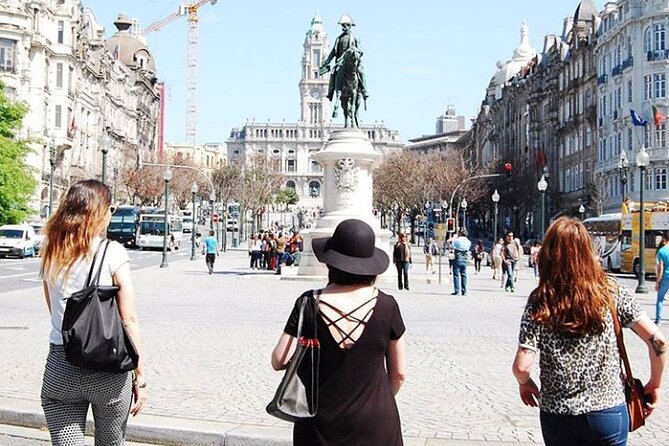
Porto’s roots are easy to follow on foot. This 3-hour, English small-group walk is a smart way to connect medieval Porto to the city you see today, with time built in for questions and stories. I like that you move between real neighborhoods and landmarks, not just a photo stop parade, and I love how the guide Carlota, a Porto native who studied history, explains what you are actually looking at. One drawback to note: the route includes Torre dos Clérigos, but the tower ticket is not included, so you may need to pay extra if you want to go in.
You also end in one of the coolest places to wrap up your day. São Bento Station is famous for its decorative ceramic tiles, and the tour helps you read them instead of just staring at them. With a maximum of 10 people, it stays relaxed, but it is still a moderate walking experience, so plan for comfortable pacing.
In This Review
- Key things I’d focus on before you go
- Meeting Carlota and finding your rhythm in Porto
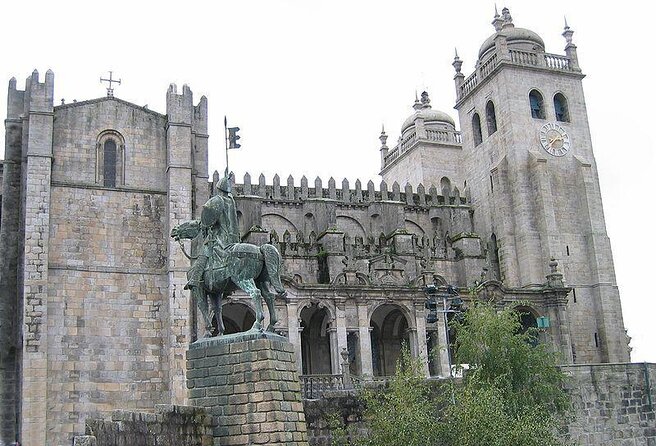
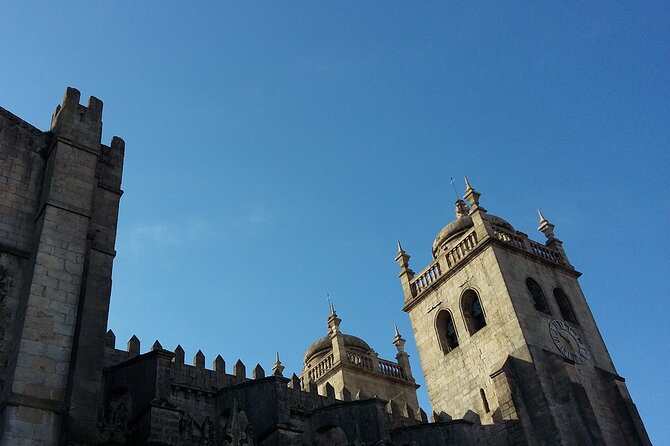
- Catedral do Porto: Medieval Porto you can actually picture (Stop 1)
- Cais da Ribeira: Wine, commerce, and the riverfront story (Stop 2)
- Miradouro da Vitória: Jewish community threads and 19th-century conflict (Stop 3)
- Torre dos Clérigos: The iconic tower, with an extra ticket (Stop 4)
- São Bento Railway Station: Tiles you can read by the time you arrive (Stop 5)
- How the whole Porto roots route helps you see the city differently
- Price and value: why $23.83 feels reasonable here
- Who should book this tour, and who might skip it
- Quick practical tips so the walk feels smooth
- FAQ
- How long is the Small-Group Porto’s Roots Walking Tour?
- What is the price per person?
- Is the tour offered in English?
- What is the group size limit?
- Where does the tour start and end?
- Are tickets included for all stops?
- What start time should I expect?
- What happens if the weather is bad?
- Should you book this Porto roots walking tour?
Key things I’d focus on before you go
- Max 10 people for real conversation time, not a rushed lecture
- English language tour with on-the-spot answers during the walk
- Porto-native guide Carlota with a history background and strong storytelling
- Medieval to 19th-century themes across the stops, including Jewish community context
- One extra paid option at Torre dos Clérigos (ticket not included)
- São Bento tiles explained so you understand what you are seeing
Meeting Carlota and finding your rhythm in Porto
This tour starts at R. de Dom Hugo 3, in the center area where you can easily roll into the morning. It runs at 10:00 am, and the walk finishes at São Bento Train Station, right where the famous tile work covers the main hall. The timing matters because you get daylight views and enough time to see each stop without feeling like you are sprinting from one postcard to the next.
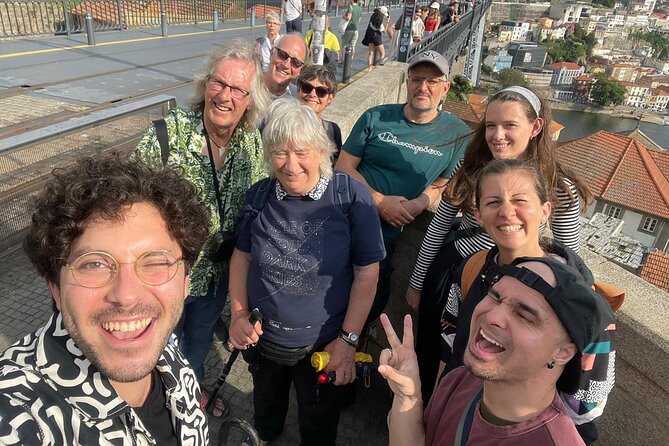
What makes this experience feel different is the human size of it. A maximum of 10 travelers keeps the group small enough that questions do not get lost. In the feedback I saw, people really valued Carlota’s approach: friendly, clearly enthusiastic, and willing to slow down when someone wants a deeper explanation. That matters in Porto, because the city rewards curiosity. If you like asking why things look the way they do, you’ll get more out of this than a standard checklist tour.
Also, you get a mobile ticket, which is a small thing, but it cuts down on friction. Less fiddling, more walking. And since the tour is offered in English, you can focus on the story rather than decoding translations.
More Porto on foot:
- Porto Walking Tour, Lello Bookshop, River Cruise and Cable Car★ 5.0 · 3,354 reviews
- Experience Porto’s Charm: 3-Hour Guided Walking Tour★ 5.0 · 2,432 reviews
- Porto: 3-Hour Guided City Highlights Walking Tour★ 4.8 · 2,050 reviews
- Porto: Wine Tasting with Tapas Walking Tour★ 4.4 · 1,541 reviews
Catedral do Porto: Medieval Porto you can actually picture (Stop 1)
The first stop is Catedral do Porto, with about 15 minutes on site. This is a good opener because it sets the mental map: medieval Porto did not just happen. It expanded, organized itself, and developed within a social context shaped by the way people lived, worked, traded, and worshiped.
What I like about starting here is how it reframes everything else you’ll see later. You walk out of the cathedral area with a better sense of how the city grew outward and why certain neighborhoods carried more weight in the medieval period. The tour is not just about naming centuries. It connects the setting to the people and priorities of the time.
One practical note: even though admission is free at this stop, it is still a church environment. Keep your voice down, stay aware of other visitors, and use the time you have to look closely at details you might otherwise rush past.
Cais da Ribeira: Wine, commerce, and the riverfront story (Stop 2)
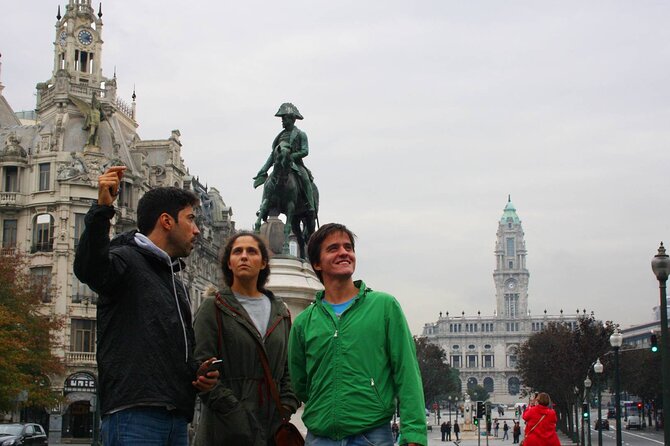
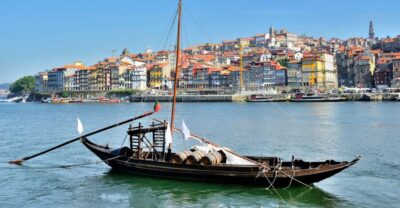
Next comes Cais da Ribeira, around 20 minutes. This is the part of Porto most people recognize, the old riverside with medieval streets and the feeling of a working city. The tour leans into what Porto became: an important commercial city and a wine center, tied to river traffic and the movement of goods.
I really appreciate this stop because it grounds history in geography. When you hear the story of commerce and wine in the same place where the city’s river life played out, it sticks. And because the tour also talks about bridges, you start thinking in layers: movement of people, movement of trade, and how the city connects across the river.
The drawback here is simple, and it is true of Ribeira generally: this area gets busy. With only about 20 minutes, you’ll have time to learn and look, but you will not have a long leisurely wander unless you arrive with a bit of extra stamina and interest.
Miradouro da Vitória: Jewish community threads and 19th-century conflict (Stop 3)
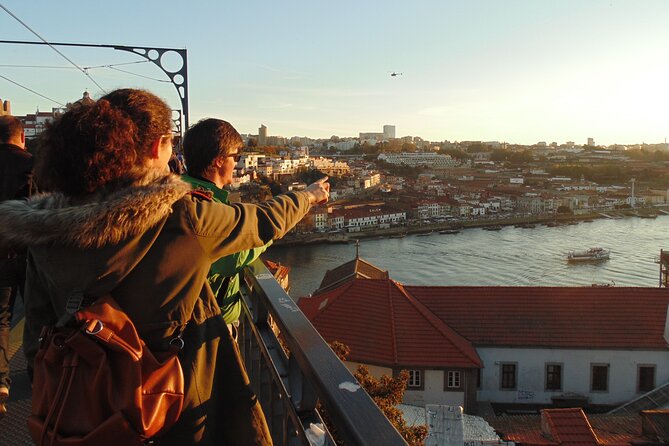
At Miradouro da Vitória you get another 20 minutes, and the focus shifts in a meaningful way. This stop is about Porto’s Jewish community through the centuries, plus Portugal’s civil war in the 19th century.
Why it works on a walking tour: viewpoints change how you understand a city. You see the wider area, and the historical context stops feeling abstract. The guide helps connect the long thread of community presence with the bigger political upheavals that later shaped Portugal. It is a reminder that cities carry many stories at once, not just the most photogenic ones.
This is also where you benefit from a small group. If something the guide says clicks for you, you can ask a follow-up on the spot and keep the context fresh. With a larger tour, those questions often turn into a later-day blur.
If you are sensitive to walking or uneven ground near viewpoints, keep your pace steady here. The tour is listed as moderate fitness, so you might feel the slope more at this stage than at the earlier stops.
Torre dos Clérigos: The iconic tower, with an extra ticket (Stop 4)
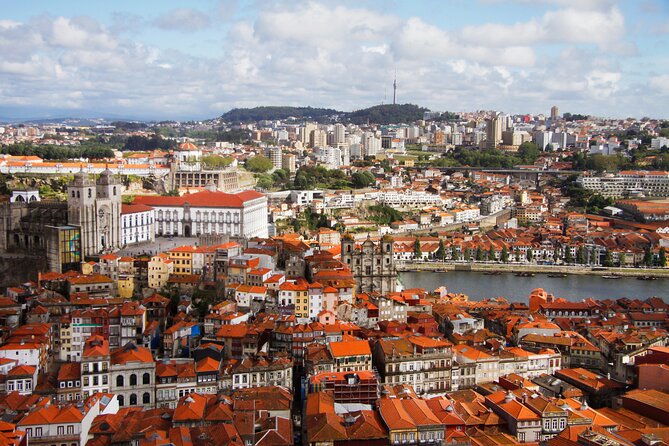
Then you hit Torre dos Clérigos for about 10 minutes. This is the short, high-impact stop, the “iconic Porto landmark” moment. The tour explains the building’s history and why it is so central to the city’s identity.
The key consideration is right in the listing details: the tower admission is not included. So you have two options. You can enjoy the explanation and exterior context without paying extra, or you can decide on the spot if you want to add the tower visit for views and deeper immersion.
This is also a good time to judge your energy. Ten minutes sounds brief, and it is, but it serves the purpose of keeping the whole route moving. If you plan to go inside, make sure you have the extra time and budget in mind so it does not feel rushed.
Elsewhere in Porto, worth a look before you book:
- The Unvanquished Tour in Porto City Center
★ 5.0 · 26,497 reviews - From Porto: Douro Valley w/ Boat Tour, Wine Tasting & Lunch
★ 4.7 · 19,061 reviews - Complete Douro Valley Wine Tour with Lunch, Wine Tastings and River Cruise
★ 5.0 · 12,920 reviews - Porto: Douro Valley with Winery Lunch, Tastings & Cruise
★ 4.7 · 7,002 reviews
São Bento Railway Station: Tiles you can read by the time you arrive (Stop 5)
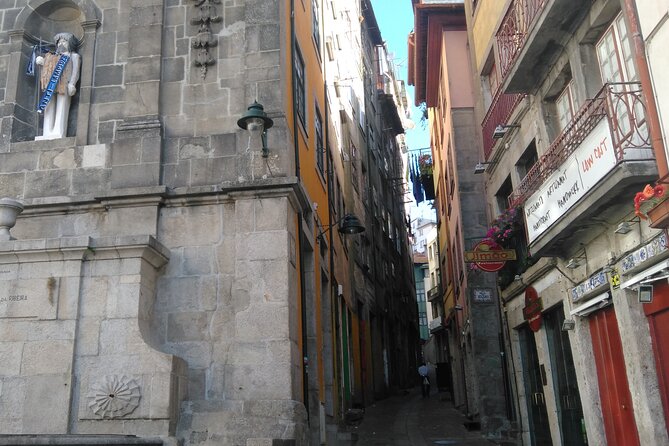
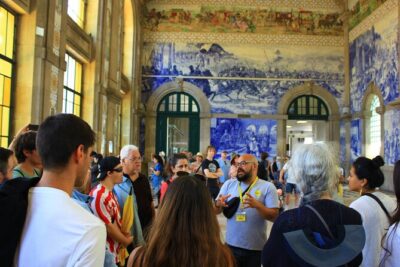
The tour ends at Estação de São Bento, at Praça de Almeida Garrett. The final stop is about 10 minutes, but it is the kind of 10 minutes that can change how you feel about a place.
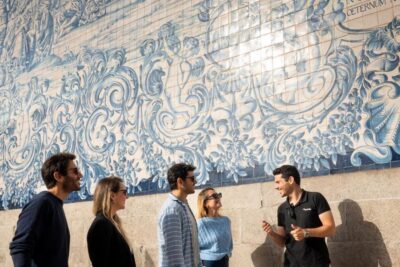
São Bento is known for its decorative ceramic tiles. The tour helps you understand what the tiles represent, so you can stop thinking of them as wallpaper and start seeing them as a visual timeline. Even if you do not plan to spend hours in the station, this is a worthwhile way to learn what you are looking at before the rest of your trip.
I also like that the tour ends here, because it makes practical sense. São Bento is a natural hub, and after you finish, you can easily move to other neighborhoods without needing a complicated plan.
How the whole Porto roots route helps you see the city differently
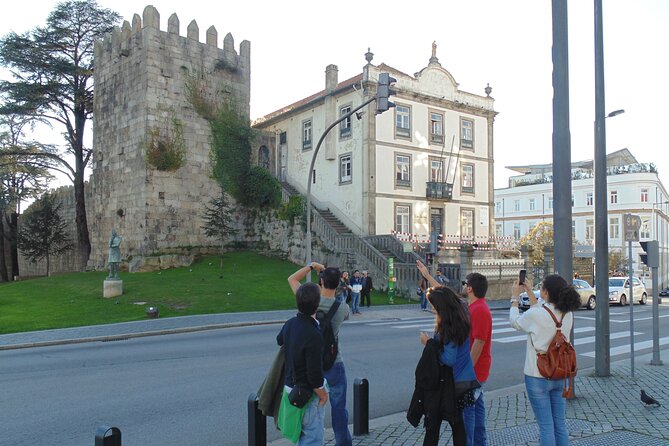
This tour works as an intro in a specific way: it gives you a story arc. You start with a major religious structure tied to medieval growth, move to the riverfront where commerce and wine define the city’s economic muscle, then shift to a viewpoint with deeper social and political context, and finish with the tower and the tile-covered station that help you connect the past to the everyday rhythm of Porto.
In other words, you get more than “what to see.” You get a framework. That matters because Porto is full of small streets and landmarks that look unrelated until you learn how they connect. After this walk, you’ll likely find it easier to ask better questions as you continue exploring on your own.
Also, the route is built around short stays at each stop. That sounds like a downside, but it is a value choice. For 3 hours, it keeps you from exhausting yourself while still covering multiple distinct themes and locations.
Price and value: why $23.83 feels reasonable here
At $23.83 per person, you are paying for three main things: a guided narrative, a small group size, and access to explanations at five well-known Porto spots. Most walking tours of comparable length do not always combine all three, and here the max group of 10 is a real part of the value.
Admission tickets are mostly not the issue on this route. Catedral do Porto, Cais da Ribeira, Miradouro da Vitória, and São Bento are all listed as free in terms of admission ticket requirements. Torre dos Clérigos is the one exception, because admission there is not included. So your real cost decision comes down to whether you want the tower experience.
The overall value is strongest if you care about context. If you mainly want photos and quick stops, you might feel you could do a self-guided walk. If you enjoy understanding the “why” behind the “what,” the structure and Carlota’s storytelling approach make the price easier to justify.
Who should book this tour, and who might skip it
This is a great fit if you want a guided orientation to Porto with a history lens, and you want it in a small group. It is also a good match if you appreciate a guide who can answer questions clearly and give extra time when people want follow-ups. The feedback I saw put a strong emphasis on Carlota’s clarity and charisma, and that is usually the difference between a forgettable walk and one that changes how you see the city.
It may be less ideal if you expect a long stop at one single site. This tour moves. Each stop is timed, and the total duration is about 3 hours. If you want hours inside museums or a deep, slow street-level wander, you might pair this with other self-guided time after.
Since it is listed as moderate physical fitness, it suits most people who can comfortably walk for a few hours with some stairs and uneven ground. If that is a concern, consider planning slower pacing and taking advantage of the question time to pause when needed.
Quick practical tips so the walk feels smooth
- Plan for good weather, since the tour is described as weather dependent, and you may be offered a different date or a full refund if conditions are poor.
- Aim to arrive a few minutes early at the start near R. de Dom Hugo 3, so you can meet up calmly.
- Bring your mobile ticket with you, since the tour uses a mobile ticket format.
- Since the tour ends at São Bento, think about what you want to do next before you leave the meeting point.
FAQ
How long is the Small-Group Porto’s Roots Walking Tour?
The tour is approximately 3 hours.
What is the price per person?
The price is $23.83 per person.
Is the tour offered in English?
Yes, it is offered in English.
What is the group size limit?
The tour has a maximum of 10 travelers.
Where does the tour start and end?
It starts at R. de Dom Hugo 3, 4000 Porto, Portugal, and it ends at Estação de São Bento, Praça de Almeida Garrett, 4000-069 Porto.
Are tickets included for all stops?
Admission is free for Catedral do Porto, Cais da Ribeira, Miradouro da Vitória, and São Bento Station. Admission for Torre dos Clérigos is not included.
What start time should I expect?
The tour starts at 10:00 am.
What happens if the weather is bad?
If the tour is canceled due to poor weather, you will be offered a different date or a full refund.
Should you book this Porto roots walking tour?
Yes, if you want a small-group orientation to Porto that connects the city’s medieval growth, commerce and wine culture, and later historical context to landmarks you can see in one morning. This tour seems especially worth it because Carlota, a Porto native with a history background, guides the experience with clear answers and real time for questions, not just a scripted walk.
Book it if you like learning while you move, and if you are happy finishing at São Bento to keep the day flexible. If Torre dos Clérigos matters to you, set aside extra budget for the tower admission since it is not included.
Fresh off the Porto quays





Walking Tours, compared.
Porto Walking Tour, Lello Bookshop, River Cruise and Cable Car
Read our review →
Experience Porto’s Charm: 3-Hour Guided Walking Tour
Read our review →

Walking Tour, Lello Bookshop, Boat and Cable Car
Read our review →Browse the lists this tour appears in