
Reviewed · CITY TOURS
Sardine City Fish Tales and Tradition in the Porto Docks
Fish stories meet real docks in Matosinhos. This 5.5-hour tour is interesting because it ties sardine culture to what you can actually see and taste in the working fishing area outside Porto. I like how the day starts at Mercado Municipal de Matosinhos, where you can understand how locals shop for lunch basics, and I like the way the food choices can run beyond the usual fish basket. One drawback to plan for: this is a working-port day, so you need a moderate walking pace and good weather, since the experience depends on conditions.
You’ll also get something that’s hard to fake, a guide who treats the docks like living culture, not a museum. Marcel and Magalie are names that pop up with consistently strong praise, especially for friendliness, clear storytelling, and the practical way they guide you to the foods locals actually eat. With a maximum group size of 7, the pace feels human, and questions are easy.
Logistics are straightforward. The tour starts at Rua de Brito Capelo 421 in Matosinhos around 9:15 am, runs about 5 hours 30 minutes, and ends at Av. Menéres 700, at Conservas Pinhais. You’ll be on and around public transport corridors, and you’ll have a mobile ticket, so it’s easy to show up and get moving.
In This Review
- Key Points That Make This Tour Worth Your Time
- Mercado Municipal de Matosinhos: Where You Learn to Shop Like a Local
- Port of Leixoes: Modern Harbor Views With Real Industrial Purpose
- The 16th-Century Fortress Near the Beach: Coast Views With Historical Weight
- Camara Municipal de Matosinhos: A Quick Hit of Local Architecture
- Igreja Paroquial de Santa Cruz do Bispo: Peaceful Reset in a Small Chapel
- Food, Fish Tales, and Why the Price Can Make Sense Here
- Timing, Pace, and What to Bring for a Comfortable Docks Day
- Who This Tour Fits Best (And Who Might Want to Skip It)
- Should You Book Sardine City Fish Tales and Tradition in the Porto Docks?
- FAQ
- What is the duration of Sardine City Fish Tales and Tradition in the Porto Docks?
- How many people are in the group?
- Is the tour offered in English?
- Where does the tour start and end?
- Will I get confirmation after booking, and how fast?
- What happens if the weather is poor?
Key Points That Make This Tour Worth Your Time
- Market-to-lunch flow: you get oriented at the seafood market, then the day’s meal is built from what you find
- Small group size: maximum of 7 travelers means you spend more time with your guide and less time waiting
- Port and working harbor views: Port of Leixoes is a real vantage point for how northern Portugal handles fishing
- More than sardines: you may taste less common items like barnacles, tripe, and black pork neck
- End at Conservas Pinhais: the trip closes where seafood processing belongs in the story
Mercado Municipal de Matosinhos: Where You Learn to Shop Like a Local
The tour kicks off at Mercado Municipal de Matosinhos, and that choice matters. Markets are where locals convert the day’s supply into dinner plans, and seafood markets are especially good for understanding what matters to the fishery economy.
Expect a guided walkthrough that helps you connect names to ingredients. This is not a lecture from behind a counter. It’s more like getting a smart translation of what you’re looking at, including the kind of variety that turns a quick snack into a real meal. One of the most praised parts of this day is that you select fish for lunch at the market, then that selection becomes part of the food story afterward.
A practical tip: go in with an open mind about your comfort level with unfamiliar seafood. The day can include options that are not always on restaurant menus, like barnacles or tripe, plus local meat dishes such as black pork neck. If you tend to order the safe thing, this tour is a good test run for branching out, without forcing you into anything extreme.
What to watch for here
- Seafood markets can be sensory, smells and sights included. If that bothers you, you might still enjoy the rest of the tour, but be ready.
- If you have dietary restrictions, you’ll want to mention them to your guide early. The tour description does not list specific dietary accommodations.
Some other granite-city outings to weigh
- The Unvanquished Tour in Porto City Center★ 5.0 · 26,497 reviews
- 3-Hour Porto Highlights on a Electric Bike Guided Tour★ 5.0 · 4,392 reviews
- Porto: City Highlights 3-Hour Guided Electric Bike Tour★ 4.8 · 3,092 reviews
- Porto: City Train Tour, River Cruise & Wine Cellar★ 3.9 · 2,601 reviews
Port of Leixoes: Modern Harbor Views With Real Industrial Purpose
Next comes Port of Leixoes, one of the major ports in northern Portugal. This stop is worth it because you get context for the fishing story you started in at the market.
The experience here is about perspective. Instead of just tasting sardine culture, you see the larger system, ships, harbor activity, and the modern architectural lines of the port area. The setting gives you a sense of scale, how local fish supply connects to transport and processing, and why Matosinhos matters just beyond Porto’s city center.
In a tour like this, the port stop also acts like a reset. You’ve spent time with food decisions at the market, and now you shift to understanding where those products go and how the region runs. If you’re the type who likes your food with a side of systems thinking, you’ll appreciate this part.
A small heads-up: you’ll want your walking shoes ready. Ports tend to involve uneven ground near viewing areas, and you’re on a schedule that spans several stops over about 5.5 hours.
The 16th-Century Fortress Near the Beach: Coast Views With Historical Weight
There’s also a coastal fortress stop near the beach, dating back to the 16th century. Even without getting lost in heavy facts, the practical value is the view. From a high point by the water, you get a clearer picture of the coastline, how the sea shapes daily life, and why the fishing zone feels like more than a photo background.
This is the kind of pause that makes the tour feel balanced. The earlier parts are about food and working areas, and this one gives your brain a wider frame. It’s also a good moment to catch your breath if you need it, because it’s a calmer break in the walking rhythm.
If you’re into architecture or just enjoy coastal panoramas, you’ll likely like this segment. If you prefer pure food with minimal sightseeing, keep your expectations flexible here. The fortress stop is short on purpose, more view and grounding than deep history.
Camara Municipal de Matosinhos: A Quick Hit of Local Architecture
The tour then moves to Camara Municipal de Matosinhos, an architectural landmark in the heart of Matosinhos, with an admission ticket included for this stop.
This part is brief, about 30 minutes, which keeps the day from getting overpacked. The value is more about local orientation than checking off a big-ticket attraction. City hall architecture is often where a town’s identity shows up in stone and layout, and in a food-focused tour, it gives you a wider map of where the fishing community sits inside the broader town.
Why this stop helps your day
When you later think about the docks, the port, and the market, you’re not only picturing the sea. You’re also picturing the civic space that supports local life. That makes the food story feel less like a tour script and more like a real neighborhood.
If you prefer minimal indoor time, just know this stop includes an admission ticket, so there may be a short visit inside rather than only outside photos.
Igreja Paroquial de Santa Cruz do Bispo: Peaceful Reset in a Small Chapel
One hour is set aside for Igreja Paroquial de Santa Cruz do Bispo, a small chapel known for a peaceful atmosphere and cultural and religious importance.
This stop works for two reasons. First, it gives the tour emotional variety. A day about fish can feel sensory and loud, especially in markets and ports. Second, chapels often reward quiet attention. Even if you’re not religious, you can appreciate how local communities build meaning into everyday life.
You’ll likely find this is the calmer moment of the itinerary, the place to slow down. It’s also useful if you’re traveling with people who want more than just food, since a chapel stop adds a cultural thread without turning the day into a museum tour.
Practical note: keep your phone brightness low and your voice respectful. Even on a guided schedule, these spaces tend to feel best when treated gently.
Elsewhere in Porto, worth a look before you book:
- From Porto: Douro Valley w/ Boat Tour, Wine Tasting & Lunch
★ 4.7 · 19,061 reviews - Complete Douro Valley Wine Tour with Lunch, Wine Tastings and River Cruise
★ 5.0 · 12,920 reviews - Porto: Douro Valley with Winery Lunch, Tastings & Cruise
★ 4.7 · 7,002 reviews - Porto: Live Fado Show with Glass of Port Wine
★ 4.8 · 6,498 reviews
Food, Fish Tales, and Why the Price Can Make Sense Here
Price is $150 per person for about 5 hours 30 minutes, in English, with a mobile ticket. On paper, it’s not a bargain like a free walking tour. But in practice, the value comes from how the day is structured around food that is tied to the market and region, not just a checklist of viewpoints.
Here’s what you should expect to be doing, based on what’s consistently praised:
- Choosing fish at the market for lunch, not just passively watching
- Trying a broader set of items, including less common seafood like barnacles and hearty dishes such as tripe and black pork neck
- In sardine season, you might get a meal featuring gilled sardines, straight from the dock to the tin, in the sense that the day connects the catch to what ends up on your plate
- Ending at Conservas Pinhais, which anchors the processing side of the story, so you understand the journey from sea to shelf
You also get an element many food tours skip: the guide’s social knowledge. The best days like this are about knowing where locals eat fish and pastries, and how to ask questions without making everything awkward. Guides Marcel and Magalie are repeatedly praised for exactly that balance of friendly conversation and practical guidance.
If you’re comparing value to other Porto food tours, consider this: you’re paying for a coordinated half-day that blends market shopping, port context, scenic stops, and a food outcome built from the fishery. That’s harder to replicate on your own, especially if your time in Porto is limited and you want your meals to feel connected to place.
One more plus: the tour is capped at 7 travelers. That small group size can be the difference between a guided experience and a crowded scramble for photos.
Timing, Pace, and What to Bring for a Comfortable Docks Day
The tour begins at 9:15 am in Matosinhos. It ends at Conservas Pinhais, at the Av. Menéres 700 address, so you can plan your next stop in that area.
Because the tour is weather-dependent, plan to dress in layers. Ports and seaside areas can shift fast, and markets can be warmer than outdoor viewpoints. Wear shoes you trust on uneven surfaces, and bring a light jacket even if the morning looks calm.
Also, keep the moderate physical fitness level in mind. This is not a long hike, but it is several stops strung together in a working neighborhood. If you usually walk 20 to 30 minutes at a time comfortably, you’ll probably handle it fine.
And if you like to take photos, do it. The modern port views and coastal fortress outlook are the kinds of places you’ll want to remember. Just remember you’re moving between multiple points, so don’t plan on standing still for long stretches.
Who This Tour Fits Best (And Who Might Want to Skip It)
This is a great fit if you:
- want a Porto-area food experience that starts at the source and ends with the processing side
- like culture through eating, not just eating
- enjoy trying seafood and local meat options, including things outside your usual rotation
- appreciate small groups and a guide who keeps the conversation flowing
This may be less ideal if you:
- prefer only mainstream menu items and dislike unfamiliar textures or ingredients
- want a purely sightseeing route with no market and food focus
- struggle with any weather-related schedule changes, since conditions affect whether the experience runs as planned
If you’re traveling with food-loving friends, this one is especially fun because it naturally creates discussion at every stop, from market choices to what you taste later.
Should You Book Sardine City Fish Tales and Tradition in the Porto Docks?
If you want Porto food that feels anchored in the real local economy, I’d book this. The strongest parts are the market-to-lunch structure, the chance to taste beyond the usual sardine script, and the way the day connects docks, port, and processing at Conservas Pinhais.
I’d hold back only if you are rigid about diet or you know unfamiliar seafood is a hard no. Otherwise, bring curiosity, wear comfortable shoes, and get ready for a half-day that’s practical, social, and genuinely tied to Matosinhos.
FAQ
What is the duration of Sardine City Fish Tales and Tradition in the Porto Docks?
The tour lasts about 5 hours 30 minutes.
How many people are in the group?
The tour has a maximum of 7 travelers.
Is the tour offered in English?
Yes, it is offered in English.
Where does the tour start and end?
It starts at Rua de Brito Capelo 421, 4450 Matosinhos, Portugal and ends at Av. Menéres 700, 4450-120 Matosinhos, Portugal, at Conservas Pinhais.
Will I get confirmation after booking, and how fast?
You receive confirmation within 48 hours of booking, subject to availability.
What happens if the weather is poor?
The experience requires good weather. If it is canceled due to poor weather, you will be offered a different date or a full refund.
Fresh off the Porto quays


City Tours, compared.
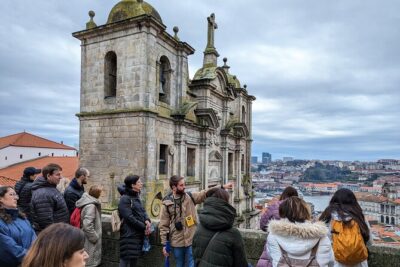
The Unvanquished Tour in Porto City Center
Read our review →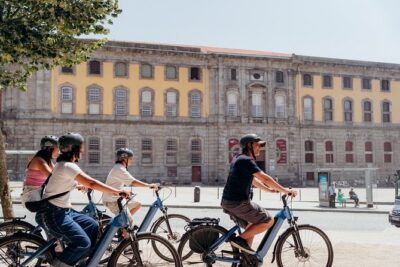
3-Hour Porto Highlights on a Electric Bike Guided Tour
Read our review →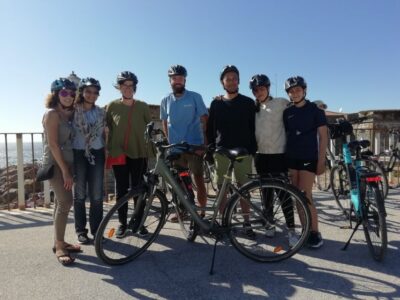
City Highlights 3-Hour Guided Electric Bike Tour
Read our review →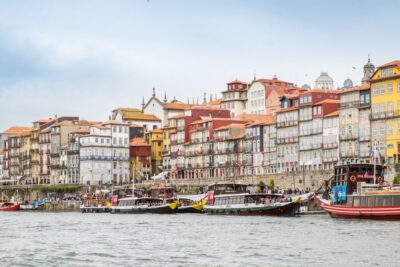


Discover Porto’s Highlights on a 2-Hour Private Electric Tuk Tuk
Read our review →
The highest-rated traditional fado concert (downtown)
Read our review →Browse the lists this tour appears in