
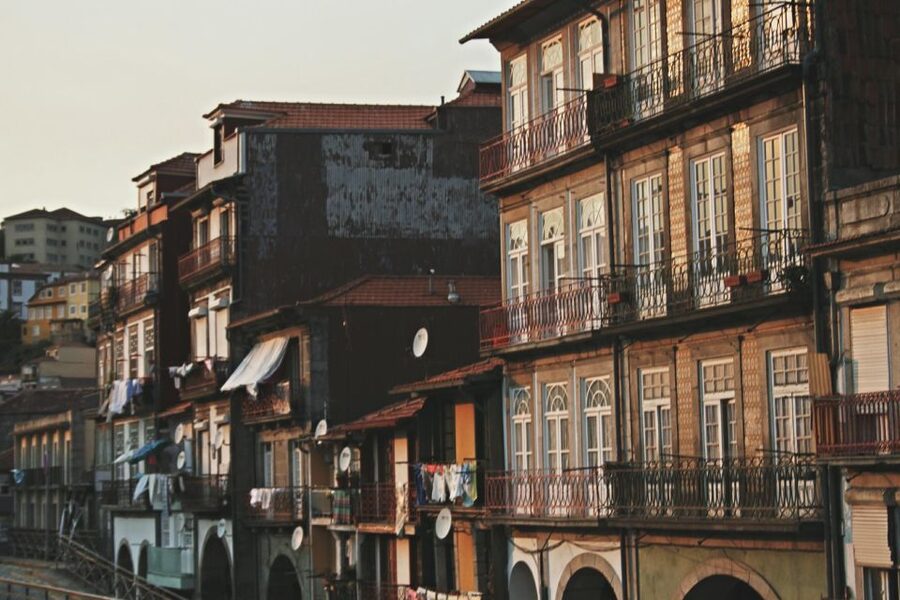
Reviewed · WALKING TOURS
Porto Walking Tour of the city centre in small-groups
Porto makes instant sense on foot. This 150 minute small-group walk is a smart way to learn the city’s story while you get concrete how to get around tips. I especially liked the stop-by-stop pacing, and the way the guide ties the sights to Porto’s big themes like the Douro and its bridges, wine, and local culture. One possible drawback is that each stop is timed tightly, so you may not have long to linger if you want to explore slowly on your own.
What you’re really buying is orientation plus context. Porto is a World Heritage Site since 1996, and the tour helps you understand why the centre still feels so connected to Portugal’s past, including the long stretch of dictatorship in the 20th century. The walk ends at Porto Cathedral, so by the time you finish you’re not just tired, you’re also better able to map out the rest of your stay.
At $28 per person, this is decent value for the time you get and the quality of guidance. You also get recommendations for restaurants, transport, and cultural activities, which can save you a lot of guesswork later. Just know that entrance fees to monuments are not included, so if you want to go inside any sights after the tour, you will likely pay extra.
In This Review
- Key things you will notice fast
- Getting your bearings in Porto’s centre starts with the meeting point
- Portuguese Centre of Photography to Clérigos Church: how the guide sets the storyline
- Vitória and Clérigos area: learning Porto’s layers in short, useful chunks
- Livraria Lello e Irmão: a famous bookstore stop, handled the practical way
- São Bento Station: using public landmarks to understand a city’s flow
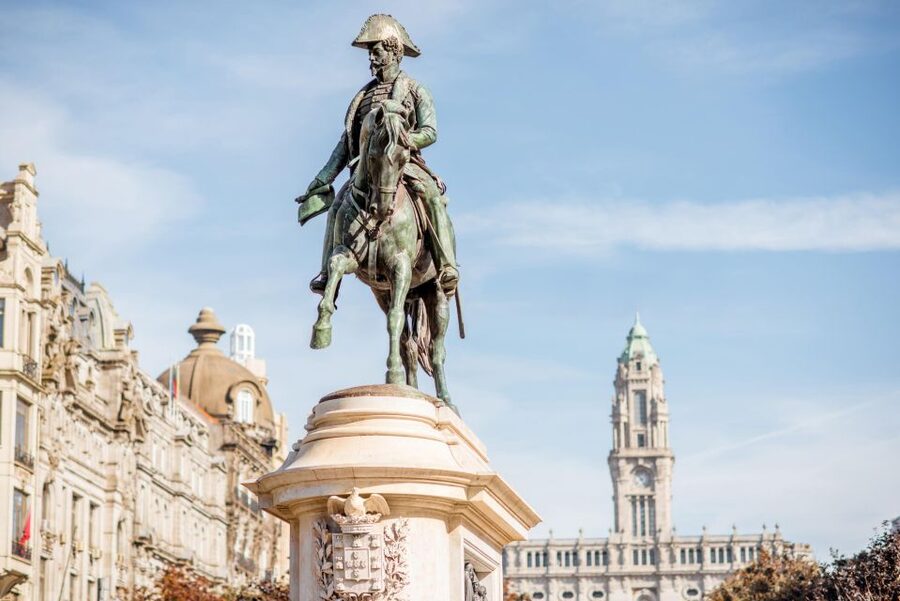
- Avenida dos Aliados: a classic city centre moment with context attached
- Porto Cathedral as the finish line: a place to reset and plan next
- Guides and Tours, and the human touch that made it work
- What you learn beyond the monuments: Portugal’s timeline and why it matters
- Price and value for a 150 minute small-group walk
- Small groups, realistic timing, and what to watch for
- Who should book this tour, and who might not love it
- Should you book this Porto city centre walking tour?
- FAQ
- Where does the tour start, and how do I find the guide?
- How long is the Porto walking tour?
- What language is the tour guide speaking?
- What is included in the tour price?
- Are monument entrance fees included?
- Does the tour include food or drinks?
- Can I cancel, and will I get a refund?
- Is there a reserve now, pay later option?
- Is the tour suitable for wheelchair users?
Key things you will notice fast
- Small-group format that keeps the experience personal instead of rushed
- Expert local guide speaking English or Spanish, with lots of stories and fun facts
- Timed, guided segments that cover major sights without leaving you lost
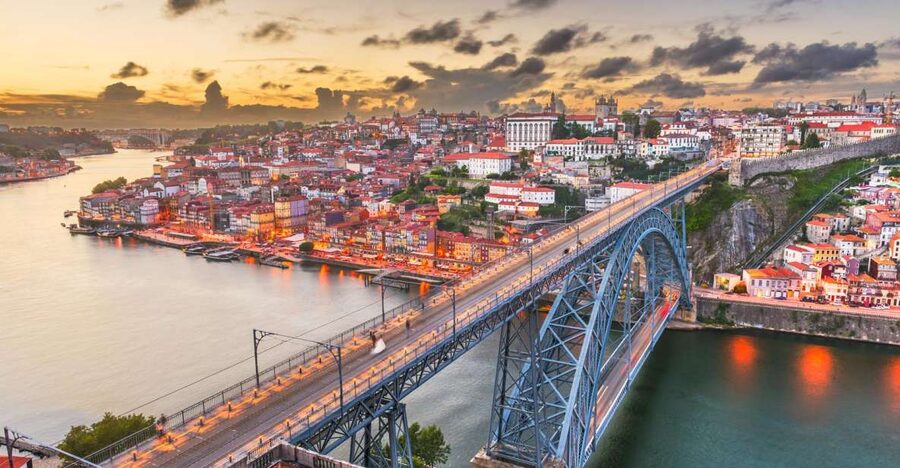
- Porto wide connections tying the city to the Douro, bridges, wine, and gastronomy
- Practical tips you can use immediately, including transport and what to prioritize next
- A finish at Porto Cathedral, a natural place to regroup before continuing on your own
Getting your bearings in Porto’s centre starts with the meeting point
The tour launches at the Portuguese Centre of Photography, which is an easy landmark to find. If you arrive a little early, you get a moment to look around and decide how you want to tackle the rest of the day. Your guide will meet you with a blue umbrella or a name tag with the Guides & Tours logo, which makes regrouping simple if your group arrives in a couple of waves.
This matters more than it sounds. Porto’s centre has lots of turns, hills, and compact streets. When you start with a clear meeting place and a guide who sets the flow, you waste less energy figuring out where you are, and you spend more energy noticing what you came for.
More Porto on foot:
- Porto Walking Tour, Lello Bookshop, River Cruise and Cable Car★ 5.0 · 3,354 reviews
- Experience Porto’s Charm: 3-Hour Guided Walking Tour★ 5.0 · 2,432 reviews
- Porto: 3-Hour Guided City Highlights Walking Tour★ 4.8 · 2,050 reviews
- Porto: Wine Tasting with Tapas Walking Tour★ 4.4 · 1,541 reviews
Portuguese Centre of Photography to Clérigos Church: how the guide sets the storyline
After meeting at the Portuguese Centre of Photography, you move into the guided portion with a stop at Clérigos Church. Expect about 25 minutes here, which is long enough for the guide to give you history and context, but short enough that you are not stuck when you still have other highlights to hit.
I like this structure. You are not expected to become a scholar in 25 minutes. You get the key ideas, then you move on with a clearer mental map. The guide’s job is to help you understand what you are looking at, not just to point it out.
Possible tradeoff: if you are the type who wants to sit, read every plaque, and take your time inside religious buildings, the tour timing can feel a bit fast. The upside is that you can always choose to return later when you have more time.
Vitória and Clérigos area: learning Porto’s layers in short, useful chunks
Next up is Vitória, Porto, again guided for about 25 minutes. This is where the tour starts doing something I really value: connecting architecture and street corners to how Porto grew and what shaped it.
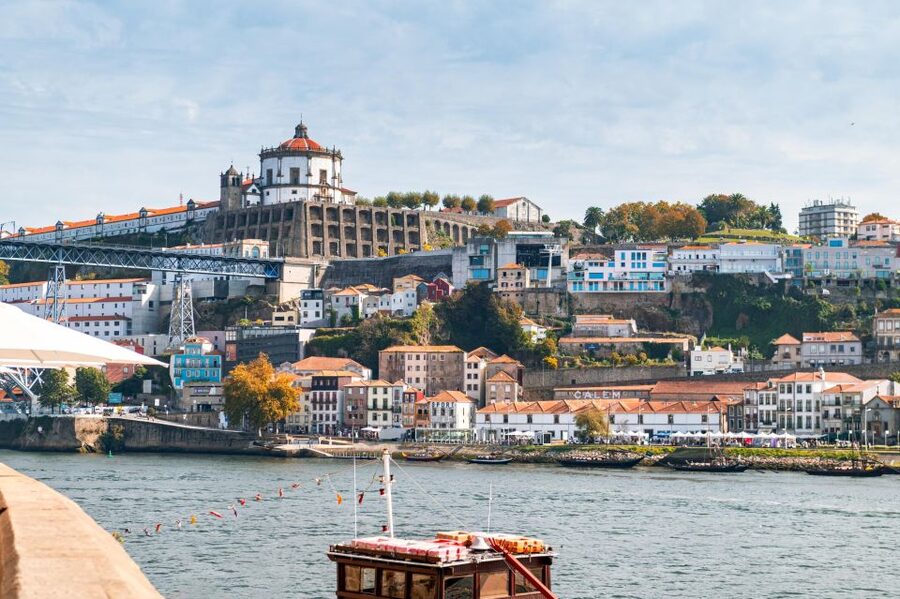
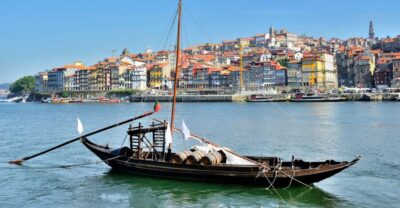
You get a guided feel for the city’s history, including how the Douro region and its bridges connect Porto to wider trade and identity. The tour also brings in the wine that made the city known worldwide, plus the gastronomic angle that helps you understand why people talk about Porto food beyond just the famous dishes.
Why this stop helps you as a visitor: after Vitória, you usually start seeing the city less like a checklist and more like a system. You can understand why one area matters, and why another area feels like it developed for a specific reason.
Livraria Lello e Irmão: a famous bookstore stop, handled the practical way
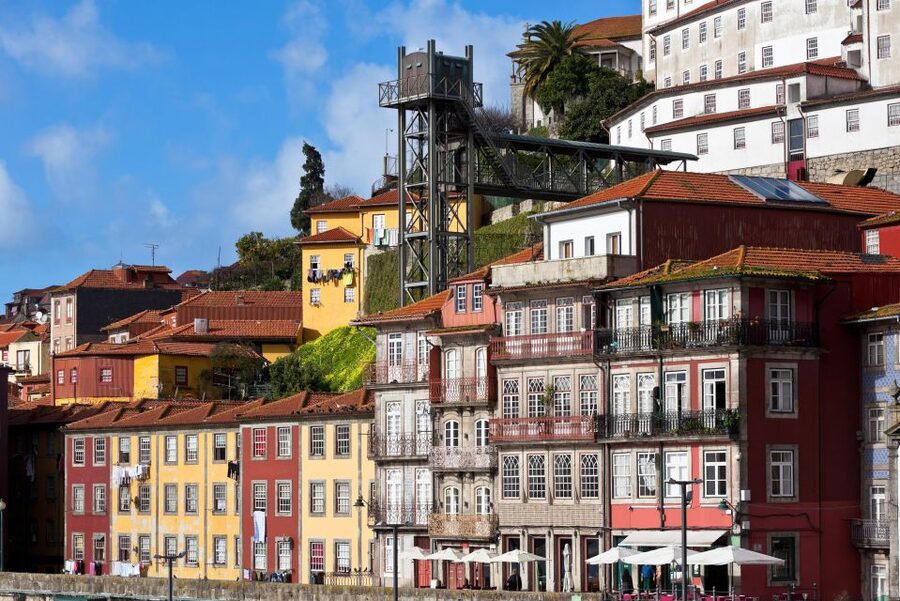
The tour includes a stop for Livraria Lello & Irmão, guided for about 25 minutes. This is one of those places that draws a lot of attention, and it can be easy to show up expecting only photos.
Instead, the guide’s approach is about using the time well. You get the story around the site, plus enough context to understand what makes it meaningful in Porto, even if your main goal is just to see it and move on.
What to keep in mind: entrance details are not included, so if you want to go inside beyond what the tour covers, plan for extra time and any possible fees. Since the tour is paced in 25 minute blocks, I recommend you treat this stop as a chance to orient and decide what you still want to do after the walk.
São Bento Station: using public landmarks to understand a city’s flow
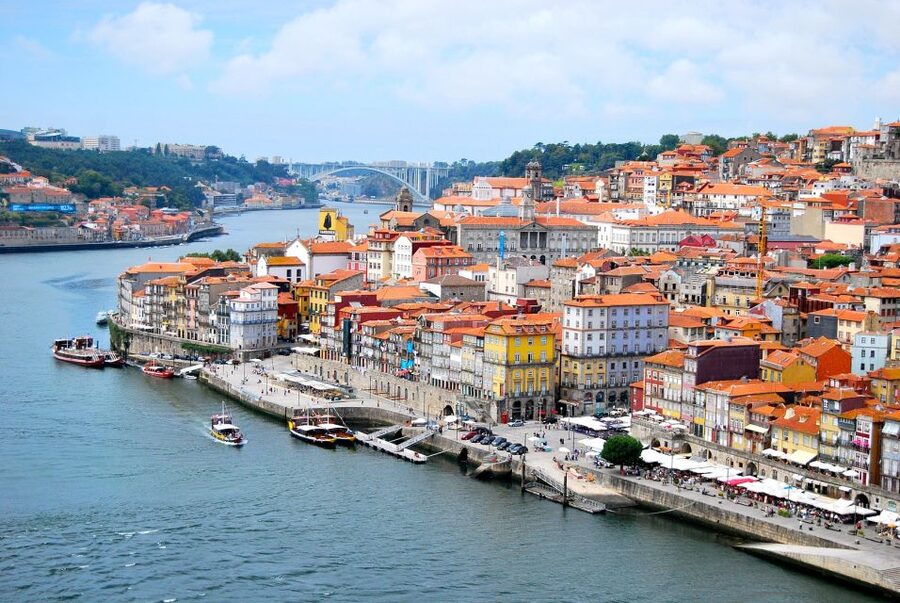
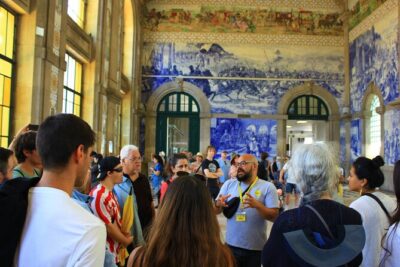
You then reach São Bento Station, guided again for about 25 minutes. I like including a major transport hub in an orientation tour because it instantly turns the question from where to go to how to move through the city.
The tour keeps connecting what you see to broader themes, including the Douro, the bridges, and how Porto’s identity ties into trade and everyday life. Even if you are not taking a train that day, this kind of stop helps you think about routes, time, and direction.
A practical tip you’ll want after this segment: use the guide’s advice on getting around while it is fresh. Porto can be walkable, but streets and connections matter. If you pick up transport tips during the tour, you will navigate with less stress later.
Some other granite-city outings to weigh
- The Unvanquished Tour in Porto City Center
★ 5.0 · 26,497 reviews - 3-Hour Porto Highlights on a Electric Bike Guided Tour
★ 5.0 · 4,392 reviews - Porto: City Highlights 3-Hour Guided Electric Bike Tour
★ 4.8 · 3,092 reviews - Porto: City Train Tour, River Cruise & Wine Cellar
★ 3.9 · 2,601 reviews
Avenida dos Aliados: a classic city centre moment with context attached
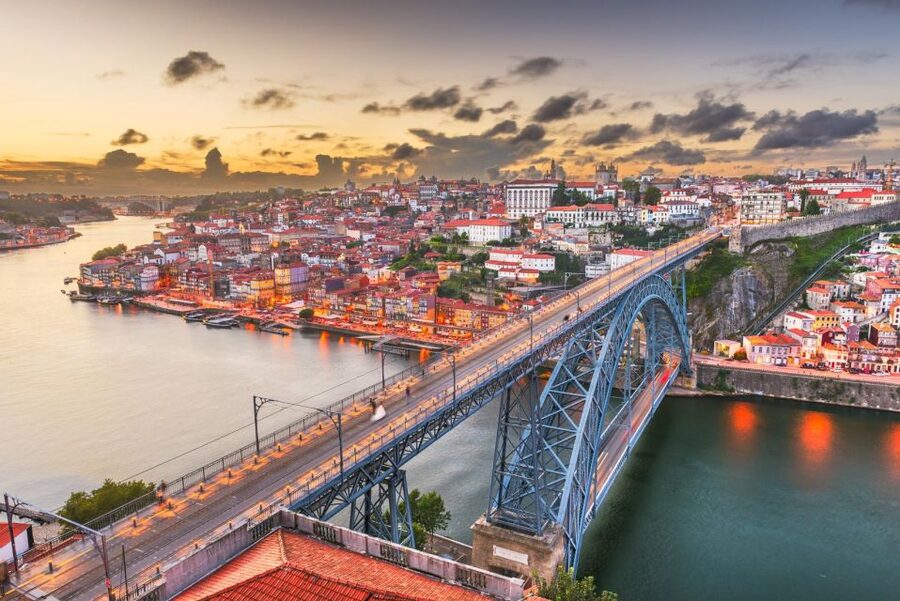
Avenida dos Aliados is next, with another guided segment of about 25 minutes. This kind of central boulevard stop works because it gives you a wider view of Porto’s public space.
The guide ties it back to the city’s identity and history, and it helps you connect the dots between what you saw earlier and what you see here. You’re no longer just learning names. You’re understanding relationships: where people gathered, how the city represented itself, and why the centre feels the way it does.
If you get photos here, that’s great. Just remember that your best photos usually happen when you know where you are standing and why. A short, guided moment gives you that advantage.
Porto Cathedral as the finish line: a place to reset and plan next
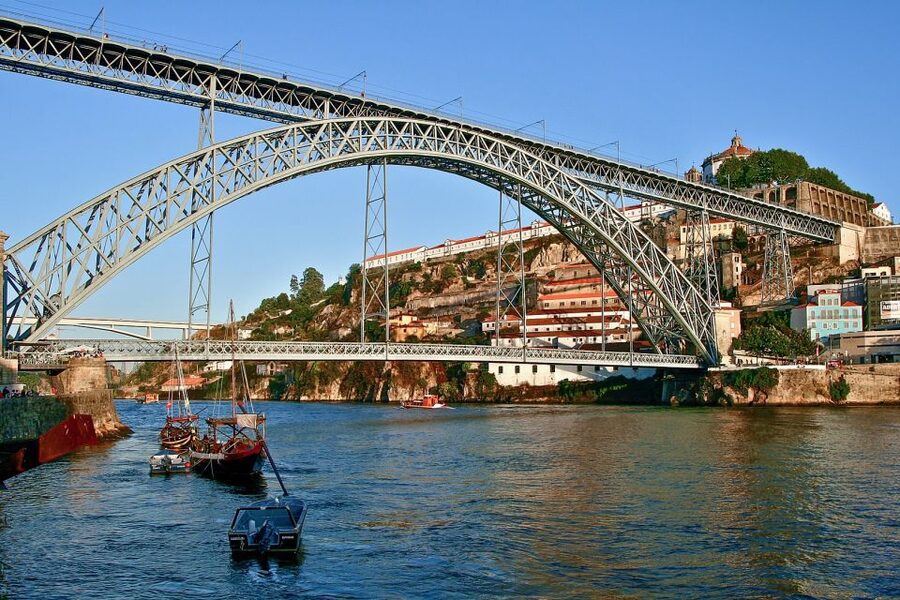
The tour ends at Porto Cathedral, with a final guided stop of about 25 minutes. Ending here is smart. It gives you a clear finish point that is easy to return to, and it also feels like a natural closing chapter for the history the guide has been explaining.
This is also where the tour’s broader framing starts to pay off. You should feel like you can connect Portugal’s bigger story to what you are walking past in Porto, including the origins, the imperial era, and how Portugal’s 20th century dictatorship shaped the country’s long timeline.
When you finish, you’re not just done. You can use the guide’s closing recommendations to decide what to do next. Maybe you want to focus on food, maybe you want to explore more neighbourhood streets, or maybe you want to revisit one stop longer because you now understand why it mattered.
Guides and Tours, and the human touch that made it work
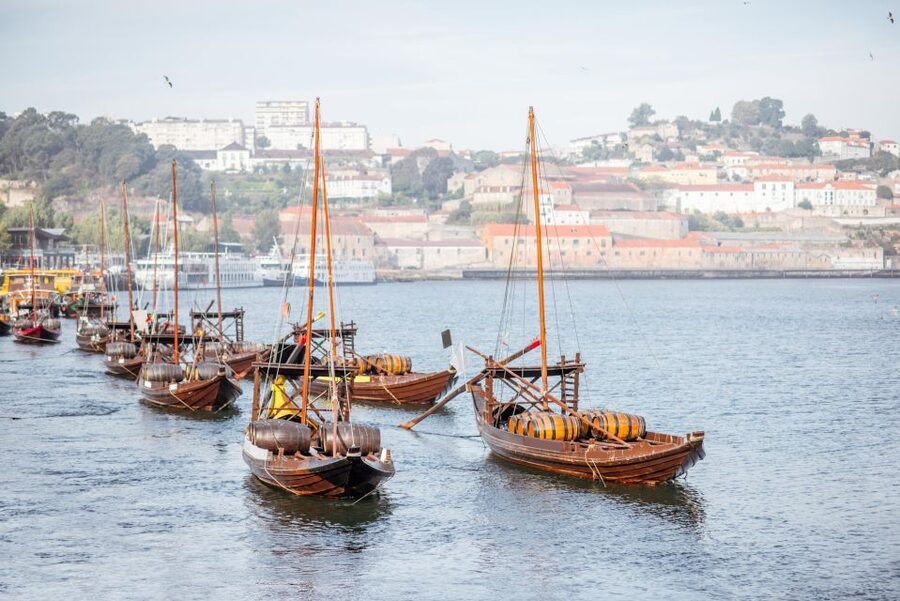
The experience is built around an expert local guide speaking English or Spanish. That matters because history in Porto can be confusing if you only rely on signs and your own reading. The guide’s job is to explain in plain language, and to keep the walk moving at a pace that feels manageable.
The reviews specifically highlight how strong the guides were in practice. Sofia was praised as superb and very knowledgeable, and also patient when the group arrived about ten minutes late. Arthur also earned high praise for doing such a good job. Micho went above and beyond, with an emphasis on delivering an outstanding tour and helping you explore Porto with confidence.
That combination is the real value of this tour: you get a guide who can adapt. If your timing is off, or you want to ask a question, the tour feels more like a guided walk with a person than a scripted performance.
What you learn beyond the monuments: Portugal’s timeline and why it matters
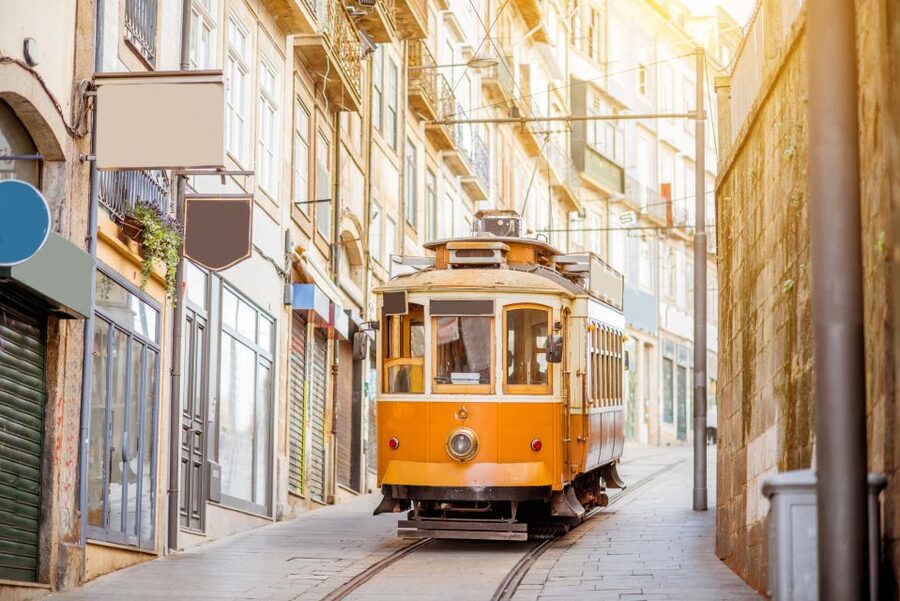
This tour doesn’t treat Porto like a museum. It includes Portugal’s broader story, from origins to the imperial era and the 20th century dictatorship that lasted for a long time in Europe.
Why you should care: it helps you interpret what you see without needing to become a historian. When you understand the long arc of Portugal’s past, Porto stops feeling like random pretty streets and starts feeling like a city built on layers. That can change how you enjoy the rest of your day, especially if you plan to visit more churches, viewpoints, or historic buildings after the tour.
You also get stories and fun facts, plus a focus on wine and gastronomic attractions. Even if you are not a wine expert, you learn how wine became part of Porto’s identity, and that makes it easier to choose what to taste and where to go next.
And yes, you get tips on how to get around. That’s not fluff. Porto is best when you move efficiently between sights. When a guide gives transport advice during the walk, you can use it while you still remember the mental map.
Price and value for a 150 minute small-group walk
Let’s talk money plainly. At $28 per person for about 150 minutes, you are paying for time, guidance, and practical local recommendations.
This is where value shows up. You do not just get a route. You get:
- an expert local guide in English or Spanish
- small-group attention
- insider tips for restaurants, transport, and cultural activities
- recommendations for the rest of your stay in Porto
If you are the kind of traveler who usually spends the first day scrambling to figure out what to do, this tour can reduce that chaos. It also gives you a framework, so the rest of your time feels more intentional instead of reactive.
The main cost risk is what isn’t included. Entrance fees to monuments are not part of the price, so if you decide to enter sites after the tour, expect to pay extra.
Small groups, realistic timing, and what to watch for
The tour is a small-group experience, which usually means better interaction and fewer people to manage. That helps if you like asking questions or want guidance on where to go next.
Timing is also clear. The tour lasts 150 minutes, split into guided segments of about 25 minutes each after the meeting point. That makes the day feel structured, but it also means you might not see everything at leisure. If you prefer slow travel, plan one or two extra hours after the tour to return to your favorite stop.
One more real-world point: if the tour has fewer than 4 participants, it could be cancelled. If you are traveling in a quiet season, I suggest you book with a plan B nearby, just so your day stays flexible.
Who should book this tour, and who might not love it
I think this tour is best for you if you want a guided overview of Porto that includes history plus practical direction. It is especially good if you:
- want to understand Porto’s place in Portugal’s larger timeline
- like learning about the Douro, bridges, wine, and food culture
- want help with transport and choosing where to eat
- prefer a small-group walk over self-guided wandering
It may not be ideal if you want lots of time inside each site. With 25 minute guided segments, you might feel you need more time at your top pick.
There is also a note worth checking carefully if mobility is a factor. The experience is listed as wheelchair accessible, but it is also marked not suitable for wheelchair users. If you use a wheelchair, confirm details directly with Guides & Tours before you book so you are not surprised on the day.
Should you book this Porto city centre walking tour?
If you want the fast track to understanding Porto’s centre, I’d book it. The price is reasonable for the amount of guided time, and the guide adds something you can’t easily get from maps, local context tied to wine, gastronomy, the Douro, and Portugal’s bigger history.
I’d skip or rethink it if you already have a deep knowledge of Portuguese history and you prefer long, unstructured museum-style visits. In that case, you might enjoy a self-guided plan with extra time at fewer places.
For most first-timers, though, this is a strong starting move. You finish at Porto Cathedral with a clearer sense of where you are, what to do next, and how to get there.
FAQ
Where does the tour start, and how do I find the guide?
The tour departs from the Portuguese Centre of Photography. The guide will wait for you with a blue umbrella or a name tag with the Guides & Tours logo.
How long is the Porto walking tour?
It runs for about 150 minutes.
What language is the tour guide speaking?
The live tour guide speaks Spanish or English.
What is included in the tour price?
You get an expert local guide, a small-group experience, insider tips for restaurants and transport, recommendations for the rest of your stay in Porto, plus lots of stories, fun facts, and hidden gems.
Are monument entrance fees included?
No. Entrance fees to monuments are not included if you decide to visit after the tour.
Does the tour include food or drinks?
No. Food or drinks are not included.
Can I cancel, and will I get a refund?
Yes, you can cancel up to 24 hours in advance for a full refund.
Is there a reserve now, pay later option?
Yes. You can reserve now and pay later to keep your travel plans flexible.
Is the tour suitable for wheelchair users?
The information provided lists wheelchair accessibility, but it also says it is not suitable for wheelchair users. If you need wheelchair access, confirm with the provider before booking.
Fresh off the Porto quays






Walking Tours, compared.
Porto Walking Tour, Lello Bookshop, River Cruise and Cable Car
Read our review →
Experience Porto’s Charm: 3-Hour Guided Walking Tour
Read our review →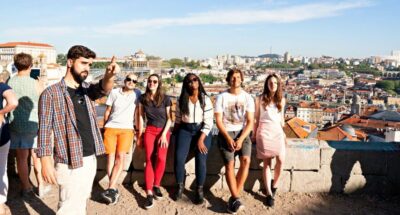

Walking Tour, Lello Bookshop, Boat and Cable Car
Read our review →Browse the lists this tour appears in