
Reviewed · WALKING TOURS
Porto: Port and Douro Wine Walking Tour with 9 Tastings
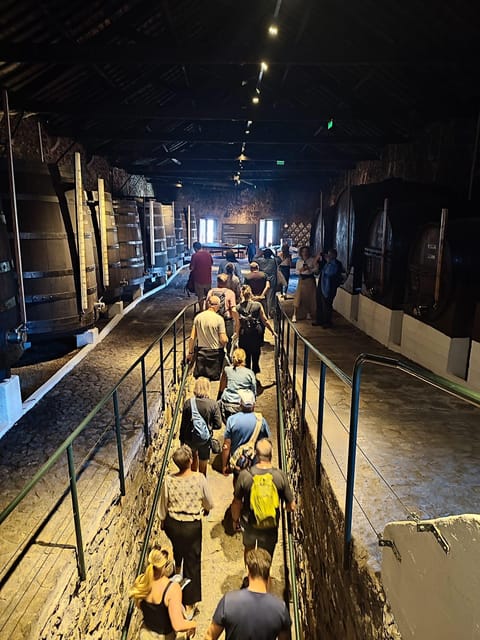
Port wine can feel like a closed book until you see how it is made. This Porto and Douro wine walking tour turns that book into something you can read, one glass at a time, in Vila Nova de Gaia.
I like that the tour stays practical with three wine-house visits close together, not a long bus route. I also like the pacing, since the whole thing is built around short walks and focused tastings.
The big win is the 9 tastings across Port and Douro wines, so you are not just drinking, you are comparing. You get a guide who explains what you are tasting and why, including how Port styles differ from Douro table wines.
One drawback to consider is simple math: 9 tastings in 3 hours is a lot for an empty stomach, so you will want to eat beforehand and pace yourself.
In This Review
- Key points before you go
- Vila Nova de Gaia is where the Port story makes sense
- Meeting point and timing, the easy way to start
- Stop 1: Vasques de Carvalho for Port wine with a strong foundation
- Stop 2: Fonseca Port Wine Cellars for scale, style, and contrast
- Stop 3: Solar dos Dragos, where Port and Douro learning click together
- The 9 tastings, how to taste smarter in 3 hours
- Port vs Douro wines: what you learn and how it changes buying
- Value at about $57: what makes it feel worth it
- Small-group vibe and guide energy, why it matters
- Practical tips so your afternoon stays fun
- Who should book this Porto and Douro walking tour
- Should you book this Porto and Douro wine walking tour?
- FAQ
- How long is the Porto and Douro wine walking tour?
- Where do I meet the guide?
- How many wine tastings are included?
- Is lunch or food included?
- What languages is the tour offered in?
- Is the tour suitable for children or for people with mobility impairments?
Key points before you go
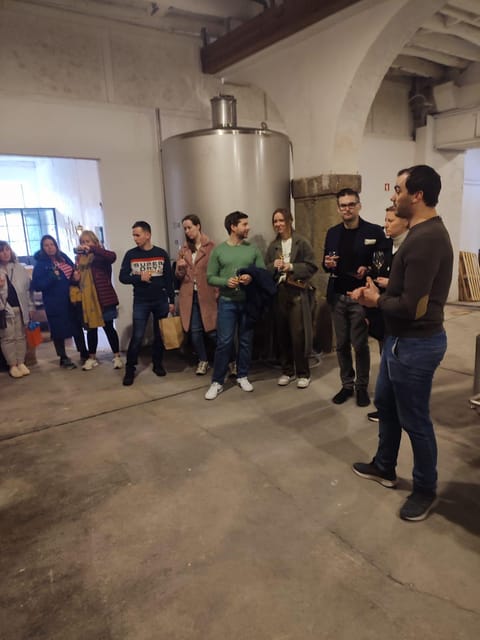
- Three specific cellar stops in Vila Nova de Gaia make this an easy afternoon in the port district
- 9 tastings included means you can actually compare styles, not just sample one or two
- Guides hand you tasting tools, so you know what to look for in Port vs Douro
- Small-group feel gives you time for questions, not just a parade of strangers
- The tour runs in all weather, so wear weather-ready shoes and clothing
- Some cellars offer small pairings at the final stop, which helps if you are sensibly hungry
Vila Nova de Gaia is where the Port story makes sense
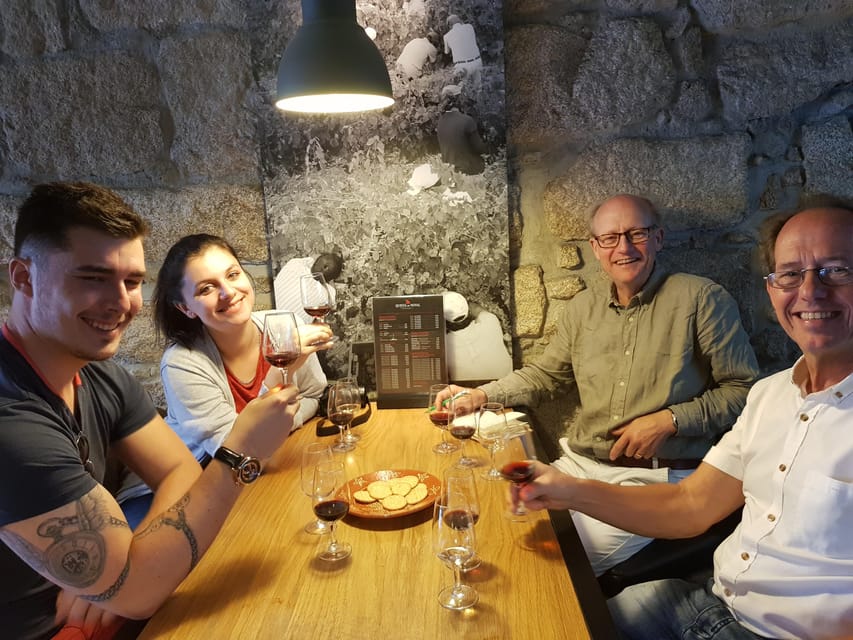
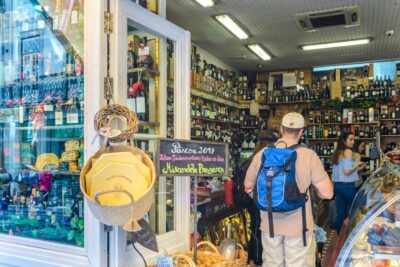
Port wine has two homes in your head: the city where people live, and the cellars where wine waits. In Porto, you see the city views and river energy. In Vila Nova de Gaia, you see where Port gets stored and sold, and the tasting experience feels grounded in real places, not vague wine talk.
This tour keeps you on the Gaia side, with a meeting point at Posto de Turismo / Loja Interativa de Turismo along the riverfront. From there, you walk between cellars in an area built for wine houses. It is a great setup if you want wine culture without the stress of figuring out which streets to cross and where to stand.
Also, the setting helps you learn. When you move from one cellar to the next, you naturally compare what changes between houses, not just between styles. That rhythm is one reason the tour works well even if you are a total beginner.
More quintas pouring further up the valley:
- From Porto: Douro Valley w/ Boat Tour, Wine Tasting & Lunch★ 4.7 · 19,061 reviews
- Complete Douro Valley Wine Tour with Lunch, Wine Tastings and River Cruise★ 5.0 · 12,920 reviews
- Porto: Douro Valley with Winery Lunch, Tastings & Cruise★ 4.7 · 7,002 reviews
- Porto: Live Fado Show with Glass of Port Wine★ 4.8 · 6,498 reviews
Meeting point and timing, the easy way to start
You meet outside Posto de Turismo / Loja Interativa de Turismo. Arrive about 10 minutes early so you are not rushing while you try to spot your group. The tour is listed as a 3-hour experience, with tastings at each of the three wine houses taking about an hour each, plus time to walk between them.
The walking is described as a small amount, and the routes are kept practical. That said, wear comfortable shoes. Cellars are not usually about long distances, but you still want stable footing on uneven sidewalks and any cobblestones you might hit near the riverfront.
Another practical note: luggage or large bags are not allowed. If you are coming from a hotel with a lot of gear, plan to travel light for this afternoon.
Stop 1: Vasques de Carvalho for Port wine with a strong foundation
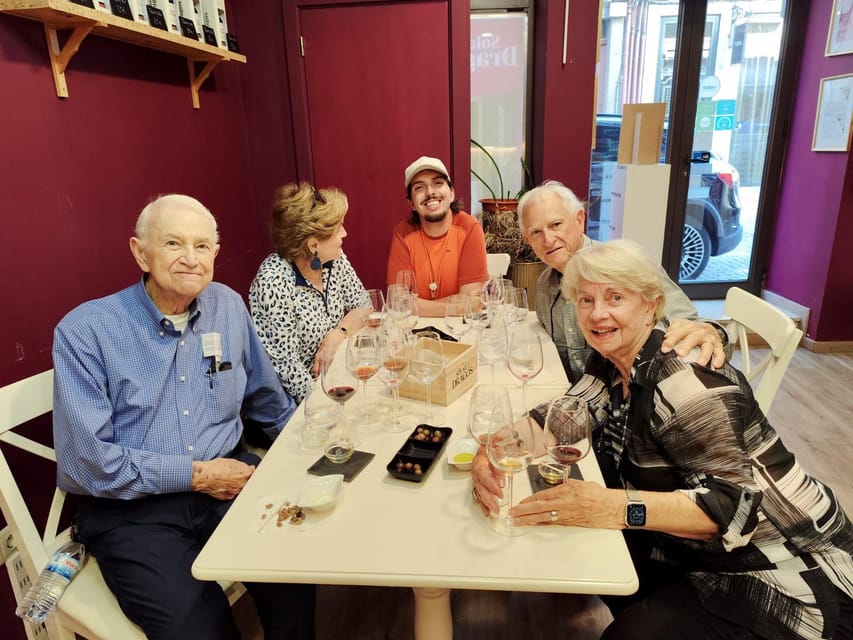
Your first tasting is at Vasques de Carvalho, with about an hour on site. This is a smart first choice because it sets your baseline for the rest of the afternoon.
At this stage, I think the best approach is to treat it like a warm-up with intent. Start paying attention to sweetness level, acidity, and how the wine feels in your mouth. Port is not just one flavor. Even within Port, you can get different expressions, and your guide will help you map what you are tasting to what makes each style different.
Guides on this tour are often praised for clarity and energy. You might be with a guide like Maria, Sara, Joao, Pedro, or Ricardo, and you will likely get the same core idea: tasting is a skill, and the guide’s job is to get you to do it well. If you tend to gulp, slow down here. You want your first impressions to stay sharp for later tastings.
Stop 2: Fonseca Port Wine Cellars for scale, style, and contrast
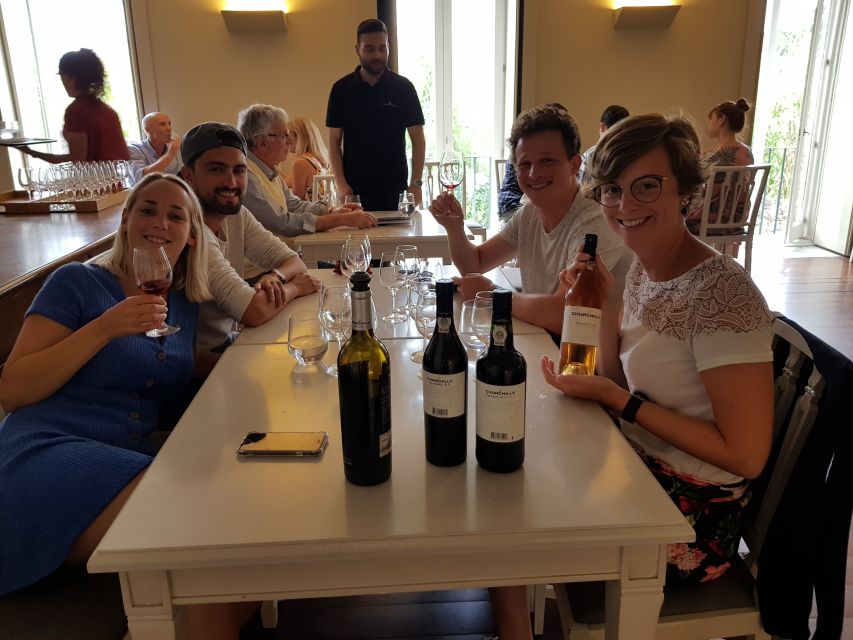
Next up is Fonseca Port Wine Cellars, again with about an hour for tastings. Fonseca is a name many people recognize, and that matters because it gives you a reference point. You get to see how a well-known house presents Port style and flavor, then compare that to what you taste at smaller houses later.
This stop also helps you understand Port’s diversity. Port is defined by tradition and production methods, but individual styles can taste very different. The guide is there to explain the differences between Port styles, so when you taste something richer or more aromatic, you can tie it back to what is going on behind the scenes.
One practical consideration: because this is the second stop, you may already feel the effects if you do not eat first. A tip that comes up again and again in the experience: go easy early so the final tastings still taste like fun and not like a blur. It is better to enjoy the last hour than to push through and miss the point.
Stop 3: Solar dos Dragos, where Port and Douro learning click together
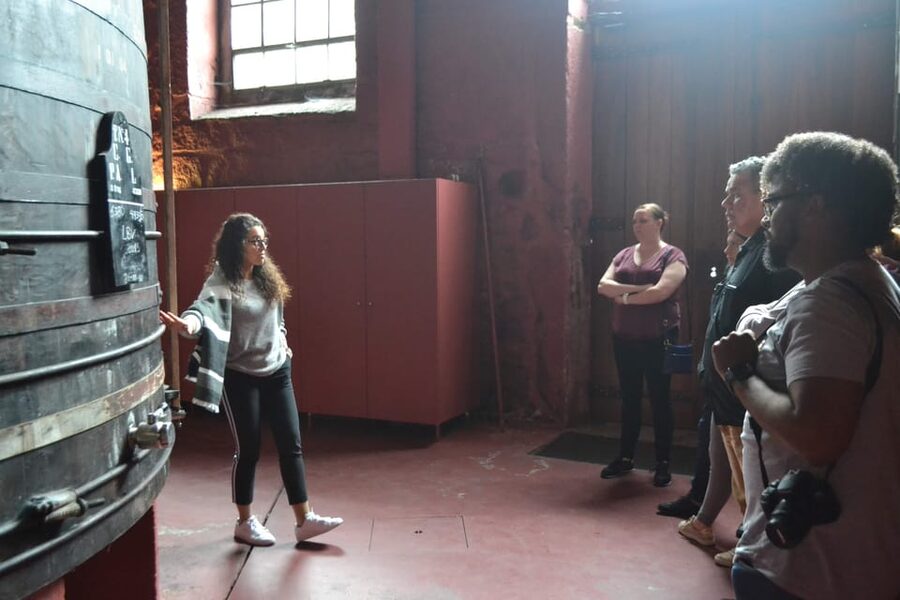
The final house is Solar dos Dragos Porto & Douro Wines. This is where the tour often feels most playful, and it is a key learning moment because it connects Port and Douro more directly.
By now, you have tasted multiple Port styles. Now the tour theme shifts toward how Douro wines work and how they differ. Some guests mention tasting table wines alongside the Ports, and the last stop can also include small food pairings like bread, olive oil, and cheese. Even when pairings are light, they can change everything, because food helps you reset your palate.
This is a good place to ask your last questions. If you are the type who thinks of questions after the tasting, write them down. The pace slows just enough at the end that you can get answers about flavor profiles, aging, and how to recognize what you like so you can buy bottles later with more confidence.
More Porto on foot:
- Porto Walking Tour, Lello Bookshop, River Cruise and Cable Car
★ 5.0 · 3,354 reviews - Experience Porto’s Charm: 3-Hour Guided Walking Tour
★ 5.0 · 2,432 reviews - Porto: 3-Hour Guided City Highlights Walking Tour
★ 4.8 · 2,050 reviews - Porto: Wine Tasting with Tapas Walking Tour
★ 4.4 · 1,541 reviews
The 9 tastings, how to taste smarter in 3 hours
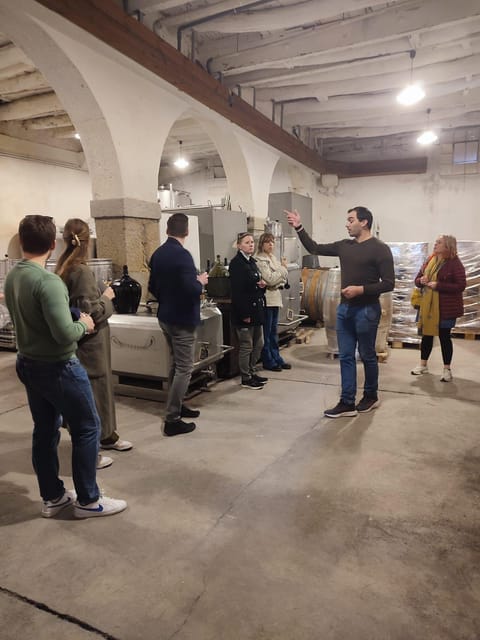
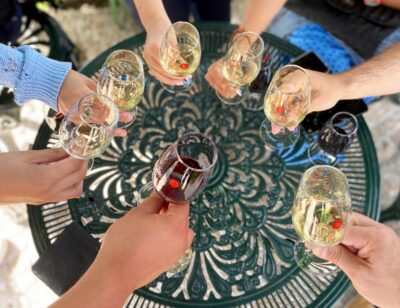
Nine tastings sounds simple until you do it. In practice, it is a structured comparison session. You are tasting Port and Douro wines across multiple styles, and the guide gives you tools to notice differences.
Here is how I suggest you taste so you do not just go on autopilot:
- Start with smell first, then sip, then pause for a few seconds before your next one.
- Note what changes most for you: sweetness, fruitiness, spice, or dryness.
- Pick one word for each wine (like raisin, cherry, cocoa, floral, or herbal). Those quick labels help you remember later.
Because this is a walking tour, you also get a rhythm break between tastings. That helps your palate reset more than a seated tasting would.
Also remember: the tour is designed to be educational without being preachy. Many guests emphasize that guides keep it relaxed and fun, often with humor and a steady flow of information. That matters, because wine education works best when you feel comfortable asking questions.
Port vs Douro wines: what you learn and how it changes buying
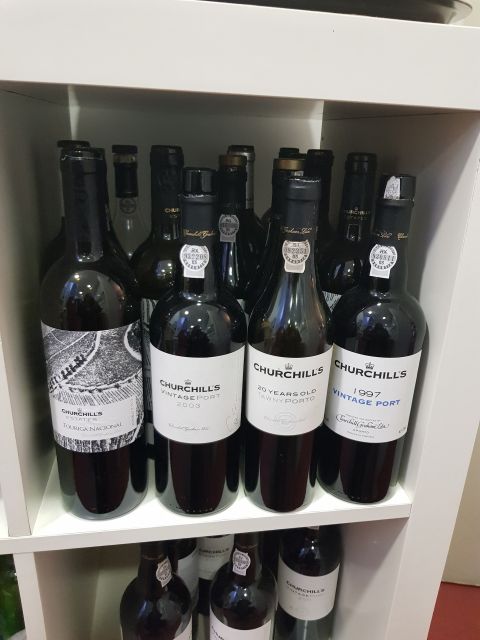
Port and Douro wines share a region story, but they are not the same category of wine experience. On this tour, you learn the difference between Port styles and Douro wines, with the guide explaining production and flavor profiles as you taste.
Here is the big idea you will walk away with: Port styles are often about sweetness, intensity, and the way the wine is built and aged. Douro table wines often bring a different balance, with flavors that can feel drier or more food-oriented depending on the wine.
Even if you have never bought Port before, this tour can help you stop guessing. You start noticing what you genuinely enjoy. Then when you are standing in a shop later, you can narrow your choices by style rather than by brand reputation alone.
One more useful outcome: you learn the history of the Douro Valley as the first demarcated wine region. That fact can feel like trivia until you connect it to what you taste. The region’s identity affects grape selection and the way wines develop character over time.
Value at about $57: what makes it feel worth it
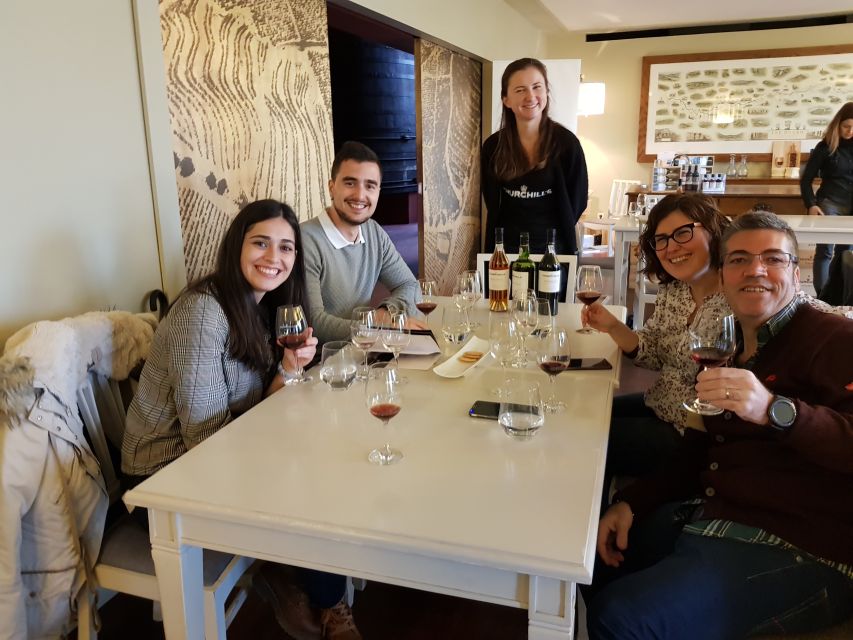
Pricing for wine tours can get weird fast. What helps here is that you get three cellar visits in about 3 hours, with 9 tastings included. That is not just sampling. It is a guided comparison session across Port and Douro styles.
Also, this is not one big, impersonal show. It is built around multiple wine houses, which typically means different cellar atmospheres and different tasting staff. That contrast can deepen what you learn, especially when the guide explains what each stop is meant to teach you.
Value also comes from location. You are not paying for transit time. You are walking between tastings in the wine district, which keeps your afternoon efficient and keeps your guide’s time focused on wine, not logistics.
If you compare this to one-off tastings that charge separately at each spot, the included tasting count is where the money starts to make sense. You end up leaving with more clarity about what you like, not just a souvenir buzz.
Small-group vibe and guide energy, why it matters
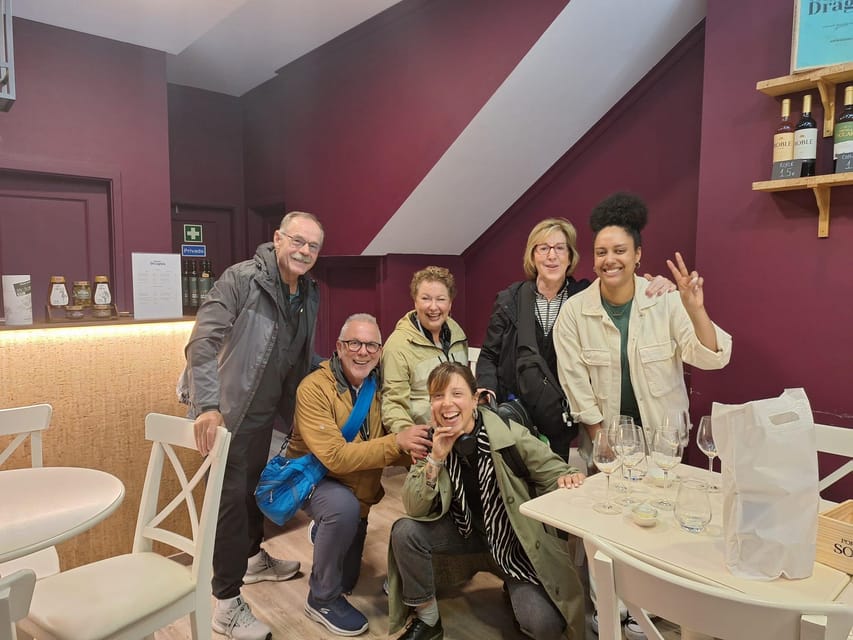
The tour is described as small-group, which is not just a comfort detail. It changes how the tour feels. With fewer people, you get more attention and more chances to ask the questions that pop into your head during tastings.
Guides are a repeated highlight. Many names show up in the experience, including Maria, Joao, Pedro, Ricardo, Francisco, Jon, and Ivana. The common theme across different guides is energy and engagement, along with clear explanations of how Port and Douro wines are produced.
If you are traveling solo, this format also helps you meet people naturally as you walk and taste together. You might not leave with life-long friends, but you can leave with wine conversations that make the whole thing more fun.
Practical tips so your afternoon stays fun
This tour is set up to be relaxed, but you can control how smooth it feels. Here are the practical choices that make a real difference.
First, eat beforehand. More than one guest points out that 10 or so samples plus tastings can leave you feeling a little tipsy if you skip food. You do not need a feast, but you do need a real meal.
Second, bring comfortable shoes and dress for weather. The tour operates in all weather conditions. Plan for rain or wind off the river and bring layers so you are not uncomfortable in a cool cellar.
Third, avoid heavy bags. Luggage or large bags are not allowed, so keep your load light.
Finally, pace your pours. A strong tip from the experience: take it easy at the first two tastings so the later wines still feel distinct. If you slow down early, you will actually taste more and remember more.
Who should book this Porto and Douro walking tour
This tour fits best if you want a guided Port and Douro education without spending half your day planning. You will enjoy it if you like structured tastings, want a mix of Port and Douro, and prefer walking in Vila Nova de Gaia over spending time in transit.
It is not suited for everyone. It is not suitable for children under 18, and it is not suitable for people with mobility impairments. If you have any mobility limitations, you may want to choose a different format with less walking.
If you are a wine nerd, you will appreciate the style differences and how the guide teaches tasting techniques. If you are new to wine, you will like the pace, the comparisons, and the way the guide keeps things approachable.
You do not need to be a Port expert. You just need curiosity and a willingness to taste.
Should you book this Porto and Douro wine walking tour?
Book it if you want one focused afternoon in Vila Nova de Gaia with three cellar visits and nine included tastings. It is one of those tours where the structure helps you learn, not just drink, and the guide support is repeatedly praised.
Consider skipping or choosing something else if you:
- hate walking at all, even a small amount
- want a full meal included, because lunch and food are not listed as part of the tour
- plan to arrive without eating, since 9 tastings can hit faster than you expect
If you are aiming for a practical, enjoyable way to understand Port styles and Douro wines, this is a very sensible bet.
FAQ
How long is the Porto and Douro wine walking tour?
The tour lasts about 3 hours.
Where do I meet the guide?
Meet outside Posto de Turismo / Loja Interativa de Turismo along the main sidewalk on the riverfront.
How many wine tastings are included?
You get 9 wine tastings featuring a mix of Port and Douro wines across three wine houses.
Is lunch or food included?
No. Lunch and food are not included in the tour.
What languages is the tour offered in?
The live tour guide speaks English and Portuguese.
Is the tour suitable for children or for people with mobility impairments?
No. The tour is not suitable for children under 18, and it is not suitable for people with mobility impairments.
Fresh off the Porto quays





Walking Tours, compared.
Porto Walking Tour, Lello Bookshop, River Cruise and Cable Car
Read our review →
Experience Porto’s Charm: 3-Hour Guided Walking Tour
Read our review →
Walking Tour, Lello Bookshop, Boat and Cable Car
Read our review →Browse the lists this tour appears in