
Reviewed · RIVER CRUISES
Porto “Old Town” Walking Tour with river cruise
Porto and the Douro tell a big story fast. This 2.5-hour Old Town walking tour uses views, bridges, and old streets to explain why Portugal went from a regional power to a maritime empire. You also get a fun food-and-wine layer, so the day is not only about maps and battles.
I really like how the guide turns history into a route you can follow. Two moments I especially enjoyed were learning how Portugal pushed beyond the known world through brave explorers, and then seeing that story land in real places like the Old English Clube do Porto and the monuments tied to navigation and trade.
One thing to keep in mind: food and drinks are not included. The tour points you toward local favorites, but you will want to plan your own snack and sip breaks.
In This Review
- Key things to know before you go
- Why this Porto Old Town tour works so well
- Starting at the Portuguese Centre of Photography, then stepping into Old Porto
- Rua das Virtudes to Miragaia: old neighborhoods with river logic
- Old English Clube do Porto: how alliances show up in architecture and storytelling
- Church of St. Francis: where medieval Porto feels official and grounded
- Infante Dom Henrique: the navigator behind the Portugal push
- Palacio da Bolsa and the trade-to-power connection
- The mid-route story stop: floods, cork, graffiti, and the fortress myth
- Alminhas of the Bridge: the human touch at the river crossing
- Finishing at Puente de la Arrábida: your Porto-to-river photo moment
- Optional 6 Bridges River Cruise to Gaia: the best way to digest the day
- Food, wine, and what to order after the tour
- Price and value for your 2.5 hours in Porto
- Who this tour is best for
- A couple practical things to plan
- Should you book this Porto Old Town tour?
- FAQ
- Where does the tour start, and what time does it depart?
- How long is the Porto Old Town walking portion?
- What languages are the guides?
- Is food or drink included in the price?
- Is the 6 Bridges River Cruise included?
- Can the tour be cancelled, and is free cancellation available?
Key things to know before you go
- Portuguese maritime empire as a walking story, not a lecture
- Old English Clube do Porto and the alliance angle, explained in context
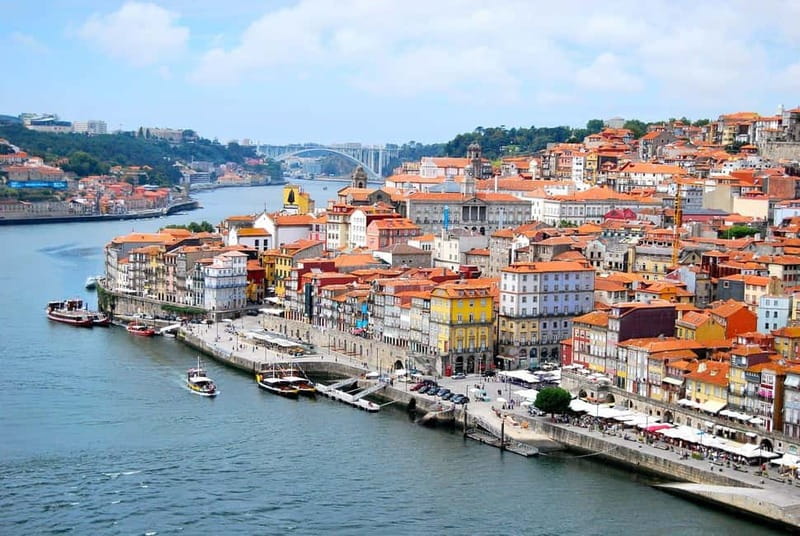
- Multiple riverfront viewpoints and historic bridges along the Douro
- Wine talk includes both Port wine and vinho verde, plus food pairings
- Finish options include Puente de la Arrábida, then an optional 6 Bridges River Cruise
Why this Porto Old Town tour works so well
If you want Porto in a hurry, this is a smart way to do it. You get a guided walk through the oldest neighborhoods while the Douro River stays close, so everything feels connected instead of like separate photo stops.
What makes this tour feel especially practical is the way it balances big-picture history with small street-level details. You hear how Portugal became a naval and colonial empire, then you immediately see the city’s medieval walls, viewpoints, and bridges that supported that kind of wealth and movement.
I also like that the guide does not treat food as an afterthought. They connect grilled sardines and salted cod to Portugal’s wine culture, including not only Port wine but also refreshing vinho verde. It makes your next meal in Porto feel more intentional, like you are ordering with a bit of background.
More time on the water in Porto:
- Complete Douro Valley Wine Tour with Lunch, Wine Tastings and River Cruise★ 5.0 · 12,920 reviews
- Porto: 6 Bridges Douro River Cruise★ 4.3 · 6,472 reviews
- Porto: Guided Tour by Tuk-Tuk & Optional Douro River Cruise★ 4.5 · 5,980 reviews
- Authentic Small Group Douro Wine Tour with Lunch & River Cruise★ 5.0 · 4,775 reviews
Starting at the Portuguese Centre of Photography, then stepping into Old Porto
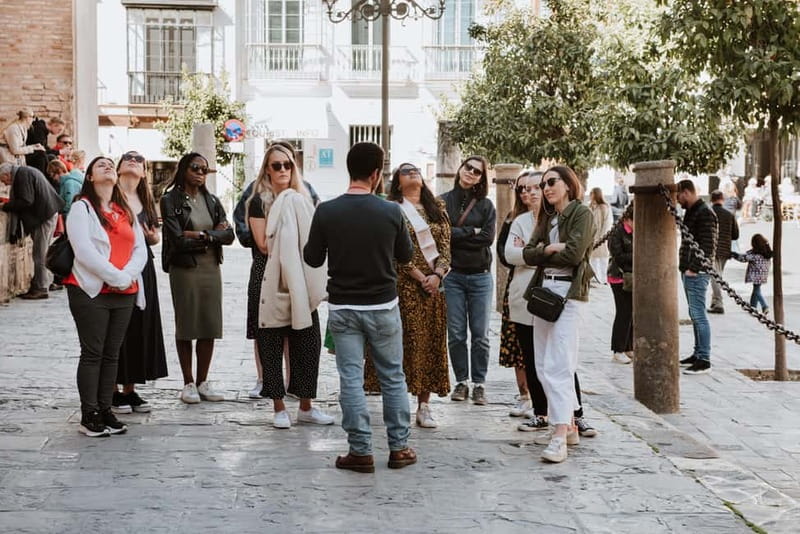
Your tour starts at the Portuguese Centre of Photography at 14:30. It is a good meeting spot because it is easy to find, and it also sets the tone that you will be out taking pictures and getting your bearings fast.
Arrive 5 to 10 minutes early to check in. The guide will be waiting with a blue umbrella or a name tag with the Guides & Tours logo, which makes it simple to spot them without playing guessing games.
From there, the walk quickly shifts into Rua das Virtudes, where you begin moving through neighborhoods tied to Porto’s earliest character. The guide uses these first minutes to frame what you will keep hearing throughout the tour: Portugal at Europe’s edge, neighbors limited to Spain and the Atlantic Ocean, and a strong push to seek fortune beyond the known world.
Rua das Virtudes to Miragaia: old neighborhoods with river logic
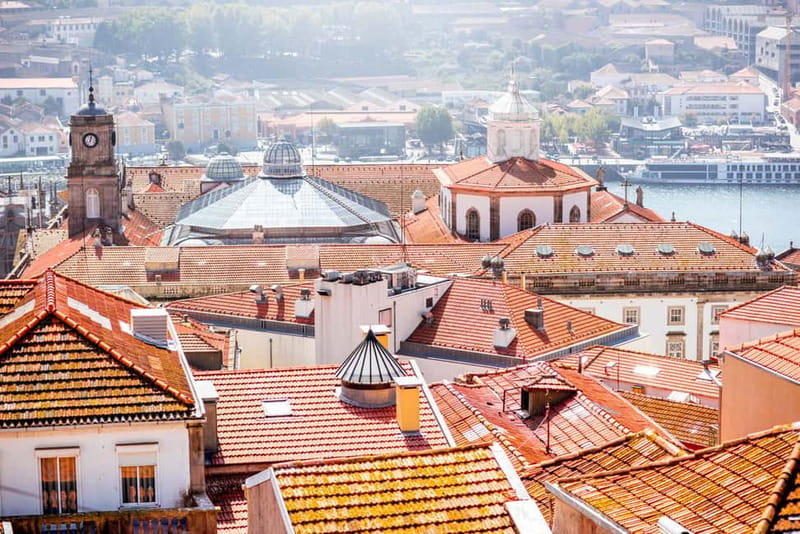
Rua das Virtudes is your early warm-up stop, about 10 minutes of guided context. You are not just walking for exercise here. You are learning how Porto’s geography and river access shaped the city’s growth.
Next comes Miragaia, another 10-minute stop that keeps the Douro in your mental map. Porto’s riverfront geography matters because it explains why bridges and viewpoints appear again and again on your route. The city’s power was never only inland, it was always connected to trade routes and the practical business of getting ships and goods to and from the water.
If you like tours that help you understand what you are looking at, this section does a good job. You will start to notice how the city’s older neighborhoods feel like stepping stones toward the larger landmarks you will reach later.
Old English Clube do Porto: how alliances show up in architecture and storytelling
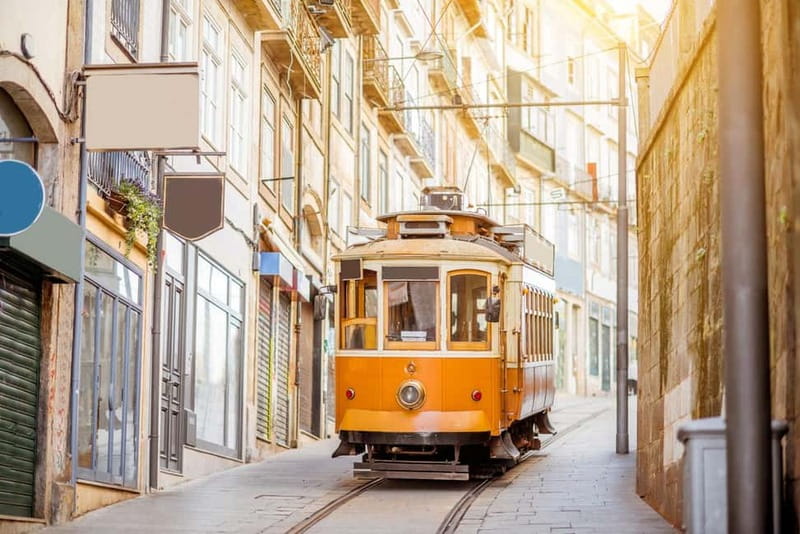
One of the most distinctive stops is at the Old English Clube do Porto. The guide gives you about 10 minutes here, and the theme is the English connection, described as one of Portugal’s eternal allies and tied to a legendary club.
This is a great example of why I think the tour is worth the money. Instead of just naming places, the guide connects them to why people cared about Porto. When you understand the alliance, the city starts to make sense as more than a pretty riverside stop.
You also learn that Portugal’s story is not isolated. It includes relationships, rivalries, and trade partners, including England. That helps you see why Porto became an important node in maritime networks, especially as Portuguese sailors traveled far and wide.
Church of St. Francis: where medieval Porto feels official and grounded
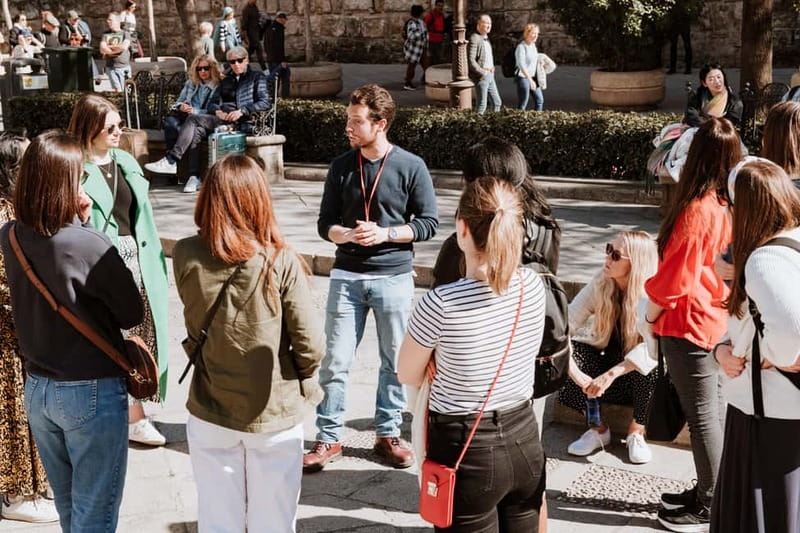
The Monument Church of St Francis is next, again roughly 10 minutes of stop time. Even if you are not chasing religious architecture, this pause helps ground the walking story in the medieval world Porto was built on.
This is one of those moments where the tour’s pace works. You are between riverfront viewpoints and major civic or commercial landmarks, so the church stop gives you a human scale to the era. It also supports the tour’s bigger point: maritime expansion did not grow in a vacuum. The same city also built institutions and symbols that lasted through centuries.
Because the time here is short, do not expect an in-depth interior visit. Treat it as a guided look and a place to re-anchor your understanding before you move into the more trade and exploration-focused monuments.
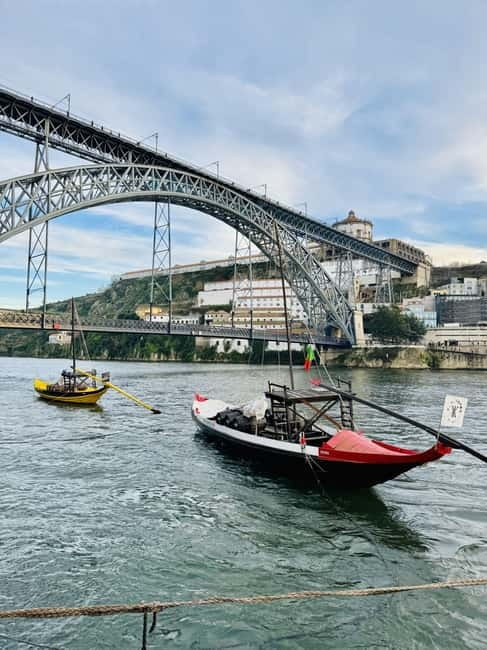
More rabelo boats pushing off the quay:
- From Porto: Douro Valley w/ Boat Tour, Wine Tasting & Lunch
★ 4.7 · 19,061 reviews - Porto: Douro Valley with Winery Lunch, Tastings & Cruise
★ 4.7 · 7,002 reviews - From Porto: 2 Wine Regions, Farm-to-Table Lunch & Boat
★ 4.9 · 5,724 reviews - Douro Valley: Historical Sites, Wine Experience, Lunch & Cruise
★ 5.0 · 5,133 reviews
Infante Dom Henrique: the navigator behind the Portugal push
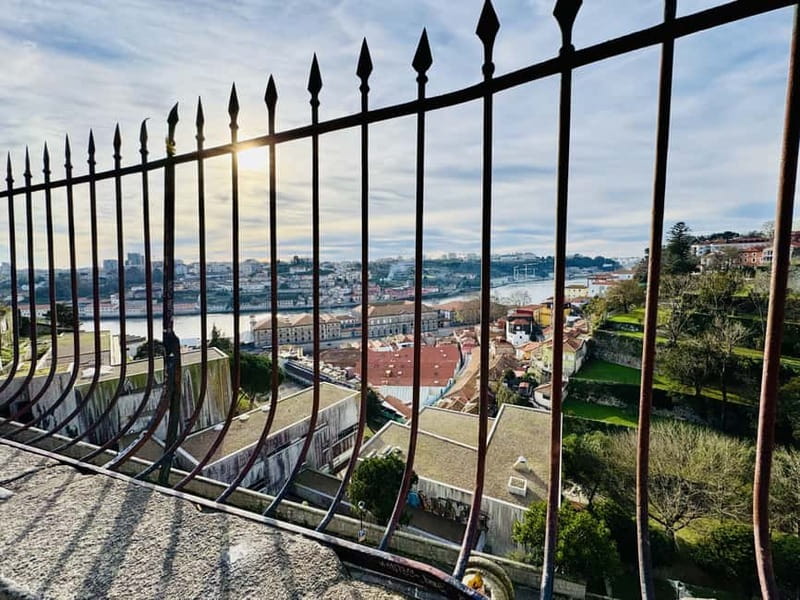
You then reach the Monument Infante Dom Henrique for another 10-minute guided segment. This stop fits the tour’s central storyline perfectly because it connects Portugal’s seafaring ambition to a specific figure linked with navigation and exploration.
If you have ever wondered why Portugal seemed to take to the sea with urgency, this is where the tour gives you the thread. The guide frames the idea that being pushed to seek fortune beyond the known world helped spark revolutions in trade, navigation, and naval engineering.
I like that you do not only hear the romantic version of exploration. You also hear it as practical change, the kind that transforms how people build ships, plan routes, and organize commerce. That makes your later stops in trade-related spaces feel less random.
Palacio da Bolsa and the trade-to-power connection
Next is the Palacio da Bolsa, about 10 minutes with guided interpretation. This is one of the stops that helps you understand how commerce can shape a city’s identity.
When you pair this landmark with what the guide has already been saying, it clicks. Portugal became a maritime empire through explorers and sailors, but that empire needed systems, networks, and trading centers. A major civic or commercial building like this works as a physical reminder of that shift toward modernization and power.
This is also where the wine and food angle can start to make emotional sense. The guide points out that Portugal did not conquer palates only with sailors’ tales and distant trade. It conquered with grilled sardines, salted cod, and wines that traveled well and paired with the life of ports.
The mid-route story stop: floods, cork, graffiti, and the fortress myth
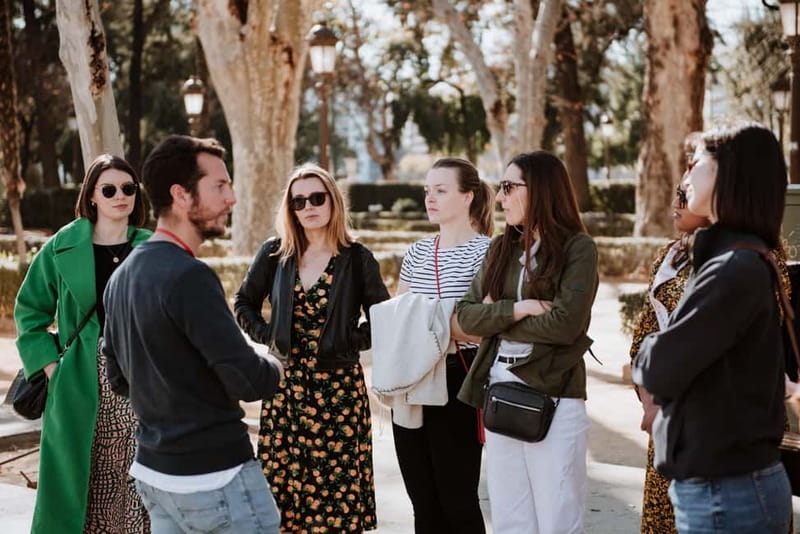
There is one additional guided stop in the middle of the walk where the guide switches from monuments to the messy, real side of Porto. This is where the tour brings up floods, cork, graffiti, and Porto’s reputation as an undefeated fortress, with a spoiler that it was not actually undefeated.
I appreciate this pacing because it keeps the tour from turning into a straight line of “glorious past.” Floods and setbacks are part of how any port city survives over time, and the cork and graffiti bits add a street-level texture. You start seeing Porto as a living place shaped by trade, weather, and people, not just a museum of winning battles.
The best approach here is to listen for the pattern. Even without a giant monument, these stories explain how a city keeps reinventing itself when conditions change, including in the period of early attempts at modernization.
Alminhas of the Bridge: the human touch at the river crossing
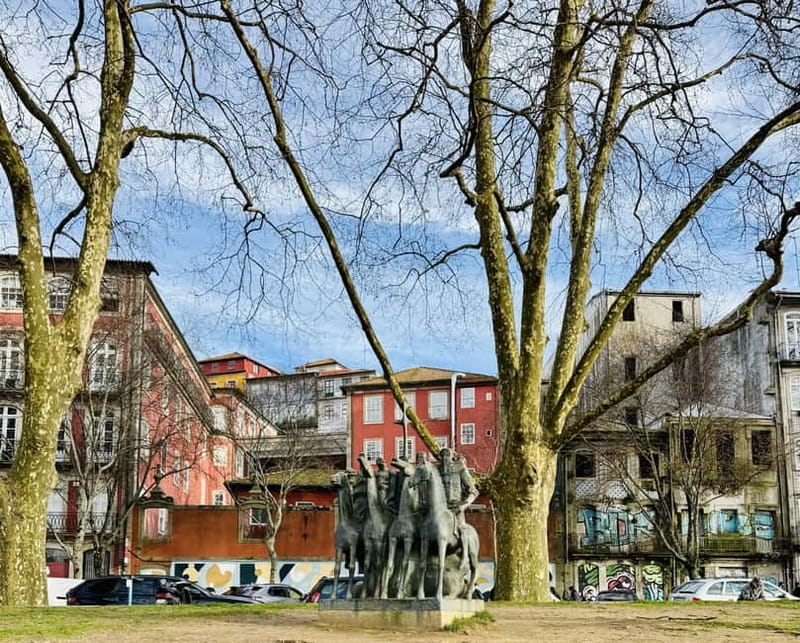
You then stop at the Alminhas of the Bridge for about 10 minutes. This is the kind of place that can be easy to overlook on your own, which is exactly why it works inside a guided walk.
The tour uses it to keep the focus on the river connection. Bridges are not only transportation. They also become part of local culture, and a site like this suggests how people mark a crossing in a practical, everyday way.
If you like photography, this stop gives you something different from big views. It has meaning, and that helps your photos feel more grounded when you look back later.
Finishing at Puente de la Arrábida: your Porto-to-river photo moment
Your walking tour ends at Puente de la Arrábida. This is your final guided stop, and it is a strong closing point because the bridge makes you look at Porto as a connected system instead of scattered sights.
By the time you arrive here, you have already heard the big storyline: Portugal at Europe’s edge, driven to seek fortune beyond the known world, building maritime capability through trade and navigation. You have also visited places tied to alliances, exploration, and modernization. The bridge finish ties it together visually, because Porto’s identity is tightly linked to crossing the Douro.
Take a few minutes here to slow down. If you plan to do the optional cruise, you will appreciate seeing this same area later from the water.
Optional 6 Bridges River Cruise to Gaia: the best way to digest the day
If you choose the optional 6 Bridges River Cruise, this is where your afternoon pays off. You sail along the Douro River between Porto and Gaia, and you pass under Porto’s six iconic bridges while enjoying views of both cities from the water.
I love this add-on because it turns your walking route into a bigger picture. After you learn about bridges during the walk, the cruise lets you experience how they frame the river and shape how the cities relate to each other.
The tour also emphasizes Gaia as the neighboring city where you get the best views of Porto. From the water, you understand why winelands and old port neighborhoods belong together in the same story.
Also, you get a relaxing break after 2.5 hours on your feet. Even if you think you are done with walking, this cruise is gentle, and it makes the history stick.
Food, wine, and what to order after the tour
The tour does not include food or drinks, but it gives you real direction for what to look for next. You are told about grilled sardines and salted cod, and how they fit naturally with Portuguese wine culture.
On the wine side, the guide’s message is clear: yes, Port wine matters, but you should also try vinho verde, which is described as refreshing. That matters because it helps you avoid the trap of only thinking about one famous product in Porto. If you build your meal around both the seafood dishes and the wine suggestions, you are likely to have a more satisfying, local-feeling evening.
My practical tip: after this tour, give yourself time to sit down. You will be surprised how much easier it is to remember the story when you connect it to a plate and a glass.
Price and value for your 2.5 hours in Porto
At $40 per person for a 2.5-hour walking experience, this tour is priced like a serious guided outing rather than a quick self-guided route. The value comes from the combination of factors you actually use: an English or Spanish-speaking local guide, multiple guided stops, photo-friendly viewpoints, and stories that connect the Douro, bridges, and the Portuguese maritime empire.
It is also good value because the route covers a lot of “why” in a limited time. You are not only seeing Porto’s oldest neighborhoods, you are learning how Portugal’s position and decisions pushed it toward trade and navigation advances. That kind of context makes your free time afterward more enjoyable, because your eyes start working better.
One note on cost planning: the cruise at the end is optional. Since food and drinks are also not included, budget a little extra for your own meal and drinks after the tour. If you do both parts, you will feel like you got two different perspectives on the same story.
Who this tour is best for
This tour is a good match if you want:
- a guided walk that connects landmarks to Portuguese maritime history
- riverfront scenes, bridges, and viewpoints without feeling rushed off to the next bus stop
- a food-and-wine angle that helps you plan dinner, not just admire buildings
It is also a solid pick for first-timers to Porto who want a dense overview without spending all day doing it. If you already know some Portuguese history, you might still enjoy the English alliance angle and the Eiffel bridge connection mentioned in the tour’s stories, because it adds colorful threads beyond the standard script.
A couple practical things to plan
Check in at least 5 to 10 minutes before 14:30 so you can start on time with the group. Also, this is a walk, so wear comfortable shoes and expect a steady pace for 2.5 hours.
One more reality check: with fewer than 4 participants, the tour could be cancelled. If you are traveling during a quieter week, keep a bit of flexibility in your Porto schedule.
Should you book this Porto Old Town tour?
Yes, I would book it if you want Porto to make sense quickly. The route hits the Douro, the oldest neighborhoods, and the bridge viewpoints, while the guide ties it all back to how Portugal became a naval and colonial empire. I also think the food and wine guidance is genuinely useful, because it helps you choose what to eat and drink the same day.
Skip it only if you hate walking tours or if you are hoping for food and drinks included. This is about seeing and understanding, then letting your own dinner complete the story.
FAQ
Where does the tour start, and what time does it depart?
The tour departs from the Portuguese Centre of Photography at 14:30. Check in at least 5 to 10 minutes before departure.
How long is the Porto Old Town walking portion?
The tour lasts 2.5 hours.
What languages are the guides?
The guide is available in Spanish or English.
Is food or drink included in the price?
No. Food and drinks are not included, though the guide will point you to local favorites.
Is the 6 Bridges River Cruise included?
The 6 Bridges River Cruise is optional at the end of the tour. It sails along the Douro between Porto and Gaia and passes under Porto’s six iconic bridges.
Can the tour be cancelled, and is free cancellation available?
Yes. If there are fewer than 4 participants, the tour could be cancelled. Also, you can cancel up to 24 hours in advance for a full refund.
Granite Streets at Walking Pace
- Porto Walking Tour, Lello Bookshop, River Cruise and Cable Car
★ 5.0 · 3,354 reviews - Experience Porto’s Charm: 3-Hour Guided Walking Tour
★ 5.0 · 2,432 reviews - Porto: 3-Hour Guided City Highlights Walking Tour
★ 4.8 · 2,050 reviews - Porto: Wine Tasting with Tapas Walking Tour
★ 4.4 · 1,541 reviews
Fresh off the Porto quays

River Cruises, compared.
Complete Douro Valley Wine Tour with Lunch, Wine Tastings and River Cruise
Read our review →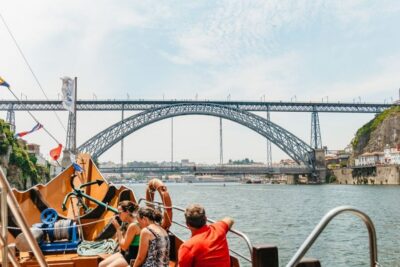
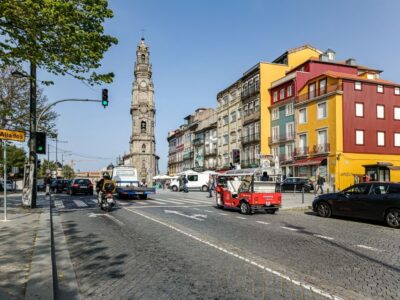
Guided Tour by Tuk-Tuk & Optional Douro River Cruise
Read our review →Authentic Small Group Douro Wine Tour with Lunch & River Cruise
Read our review →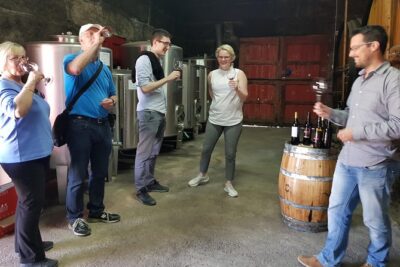
2 Vineyard Visits, River Cruise, Winery Lunch
Read our review →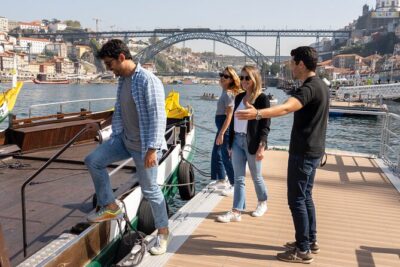
Porto Walking Tour, Lello Bookshop, River Cruise and Cable Car
Read our review →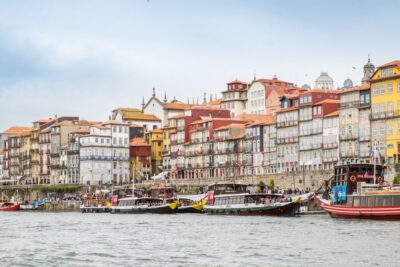
Browse the lists this tour appears in