
Reviewed · CITY TOURS
Porto – Old Town Tour with an official guide
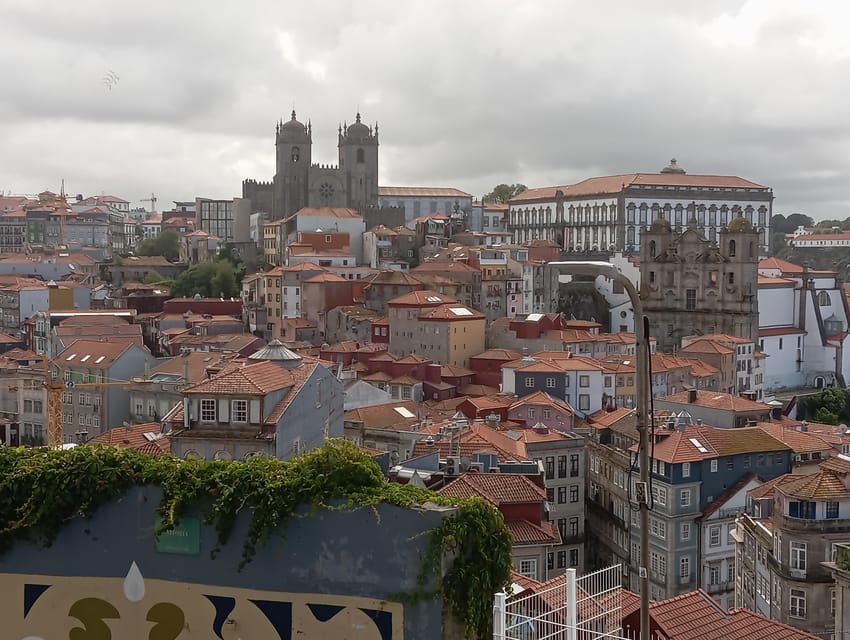
Porto makes sense on foot. This half-day Old Town walk keeps you inside the city people actually use, with a certified local guide speaking French throughout, plus just enough famous landmarks to keep your bearings.
I like the mix of UNESCO-listed medieval lanes and everyday neighborhoods, so the city feels lived-in, not staged. I also like how the stops connect, from Sé to Vitória, then onward to Clérigos and Livraria Lello. The one drawback is that the streets are narrow and it is not suitable for wheelchair users.
In This Review
- Key things to know before you go
- Why this Porto tour feels more like the city than a checklist
- Getting oriented at São Bento Station, then starting your real walk
- Sé Cathedral and the stone-road feeling of Old Porto
- Vitória and the old Jewish quarter: where the lanes narrow for a reason
- Cordoaria’s Garden and the University of Porto: breathing room during the walk
- Clérigos Church and the tower views: famous for a reason, explained well
- Livraria Lello and Irmão: getting context before you go off on your own
- Price and value: what $29 buys you in real time with Karen
- Who this tour suits best, and who might want to choose differently
- Small practical details that make the day smoother
- Should you book Porto Old Town Tour with an official guide?
- FAQ
- Where is the meeting point for the tour?
- How long is the Porto Old Town Tour?
- What language is the tour guide?
- Is the guide an official or certified local guide?
- What is included in the price?
- Is a coffee break included?
- Do I need to bring anything specific?
- Is the tour wheelchair accessible?
- Is free cancellation available?
Key things to know before you go
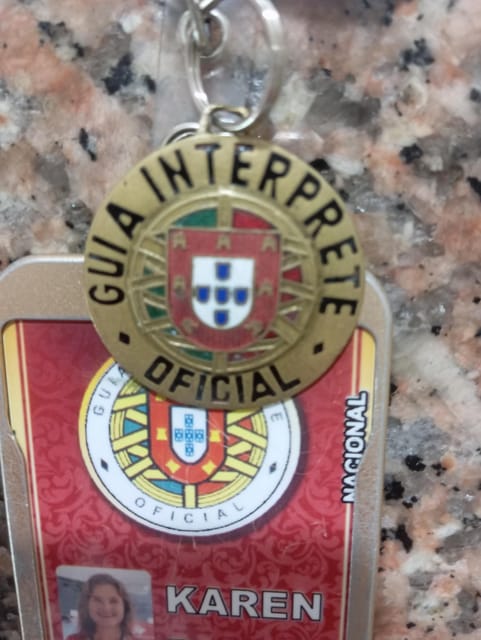
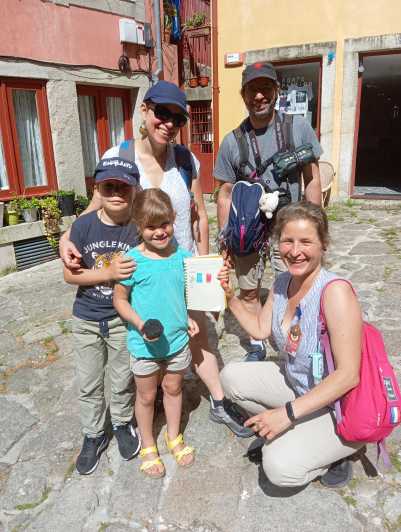
- Karen is the guide on this tour, and the vibe is patient, story-driven, and practical.
- UNESCO old town lanes plus more local streets, with lots of walking through real neighborhoods.
- Four hours, multiple guided stops, including São Bento, Sé, Vitória, Clérigos Church, and Livraria Lello.
- Scenic views are built into the walk, not just photo ops at the main sights.
- Bring an umbrella and wear shoes that handle cobbles and stone sidewalks.
- French-only tour experience, with some content that may appear in its original language.
Why this Porto tour feels more like the city than a checklist
Porto can be fast if you only chase monuments. This tour takes the opposite approach. You still see big names like São Bento Station, Sé Cathedral, Clérigos, and Livraria Lello. But the real payoff is how you move between those landmarks through the typical streets of the UNESCO World Heritage area.
You get colorful facades, wrought iron balconies, and cobbled streets that make the city look the way it does in postcards, only you’re close enough to notice what’s actually going on around you. This is not just “look at buildings.” It’s about seeing the city’s rhythm, the way streets step and narrow, and how different parts of the old town feel like separate chapters.
The 4-hour format also matters. It’s long enough to learn something, short enough that you do not burn a whole day. You finish with a stronger sense of where you are in Porto and how to choose what to do next, whether that’s food, culture, or another walk.
Some other granite-city outings to weigh
- Porto: Guided Tour by Tuk-Tuk & Optional Douro River Cruise★ 4.5 · 5,980 reviews
- 3-Hour Porto Highlights on a Electric Bike Guided Tour★ 5.0 · 4,392 reviews
- Porto: City Highlights 3-Hour Guided Electric Bike Tour★ 4.8 · 3,092 reviews
- Experience Porto’s Charm: 3-Hour Guided Walking Tour★ 5.0 · 2,432 reviews
Getting oriented at São Bento Station, then starting your real walk
The tour starts at São Bento, meeting at platform n1. The guide presents a Portuguese flag, which is an easy way to spot them quickly.
From there, you get a guided tour of São Bento Station and then you move on with short segments of walking and “scenic views on the way.” That sounds simple, but it is exactly what you want at the beginning. Early on, your brain is still mapping the city. A guide helps you connect the landmark to the streets around it, so you feel confident as you leave the station zone.
São Bento also sets the tone. Porto’s identity is all over the details here: architecture, materials, and the way public spaces fit into street life. Starting at a central, recognizable point keeps you grounded, even when the route turns into narrower medieval streets later.
If you like tours that teach you how to navigate, not just what to see, this start is a smart move.
Sé Cathedral and the stone-road feeling of Old Porto
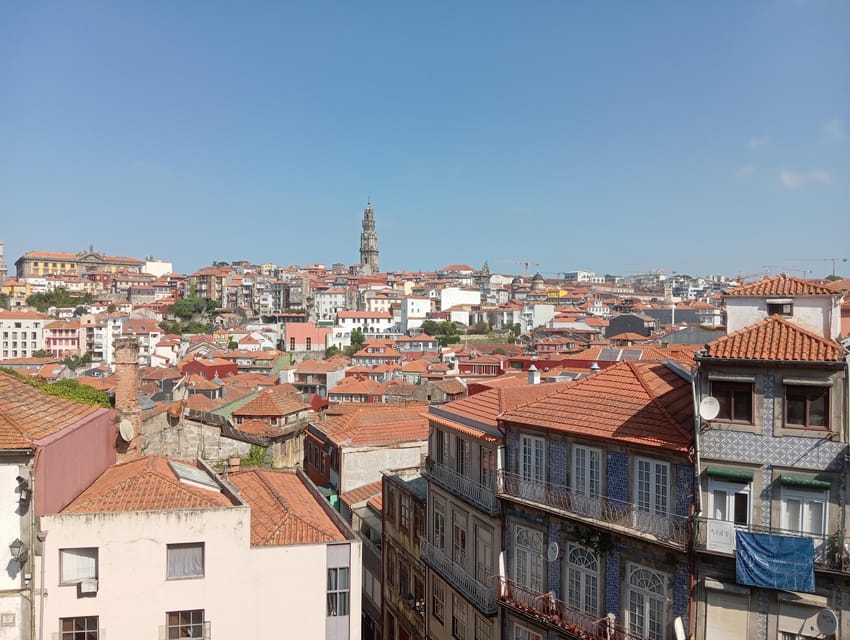
After São Bento, you head to Sé, Porto for a guided visit and a walk through the surrounding area, with scenic views along the way.
Sé matters because it’s a hard point in the city’s center. Even if you’ve visited religious sites before, Porto’s setting gives it a specific flavor: you’re walking on real streets that feel built for pedestrians, not for tour buses. The guided part helps you place what you’re seeing in context, and then the walk helps you absorb it physically.
A small but important thing here is pacing. Because the tour keeps moving, Sé does not become a stop-and-stand still moment. You get a feel for the climb, the angles of streets, and how the medieval urban layout funnels you toward viewpoints. That’s the difference between “I saw a cathedral” and “I understand the city around it.”
Vitória and the old Jewish quarter: where the lanes narrow for a reason
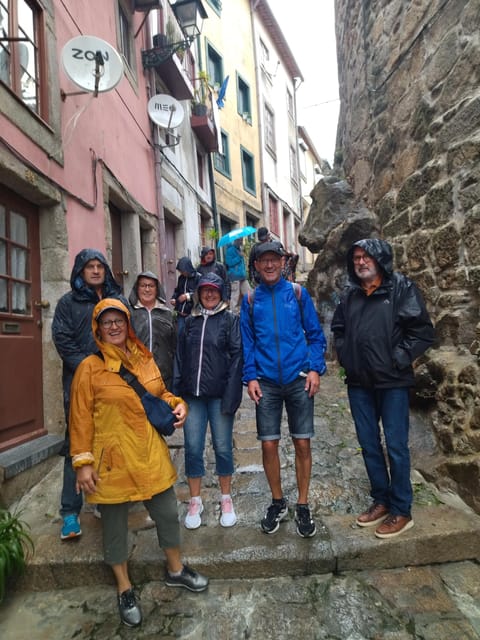
One of the standout segments is Vitória, Porto, which includes the old Jewish quarter of Vitória. This is where the tour leans hardest into the UNESCO experience.
Expect narrow lanes and an atmosphere that feels more medieval. Even if you love architecture, the best part is how the streets shape your walking experience. They bend, they compress, and then they open again. A guide helps you notice why certain areas developed where they did, and how communities lived and moved through the city.
This neighborhood is also a chance to understand Porto beyond the postcard viewpoints. The highlight here is not only the past, it’s how the past is still present in the street pattern and in the everyday presence of buildings and people.
If you care about history but hate feeling trapped in a lecture, this part hits a good balance. You’re learning because you’re walking through the setting that created the story.
Cordoaria’s Garden and the University of Porto: breathing room during the walk
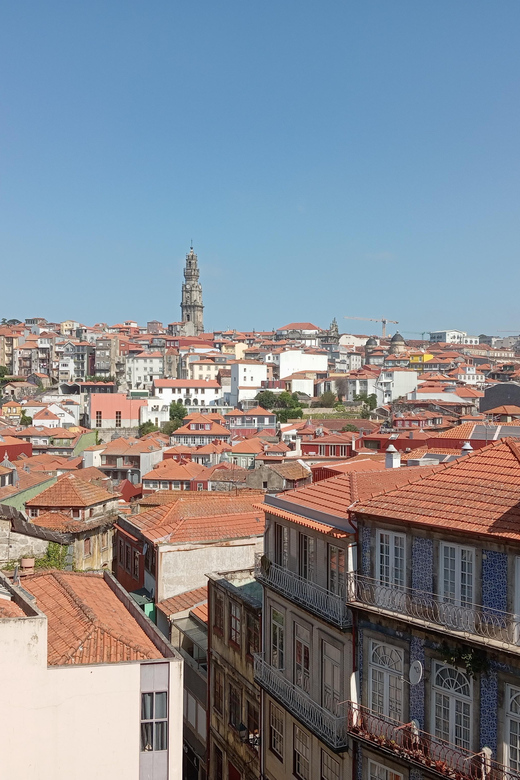
Midway through the tour you pass Cordoaria’s Garden, with guided explanation and a walking segment that includes scenic views.
Then you move to the University of Porto, where you get a guided walk. This sequence is useful because it breaks the “tight streets only” feeling. A garden stop gives your legs and your eyes a reset. It’s also a reminder that old towns are not frozen museums. Porto mixes study, daily life, and heritage all in the same walking loop.
From a practical standpoint, these stops matter because you’re still in a 4-hour schedule. By spacing the landmark intensity, the tour stays comfortable enough that you can focus on details instead of just trying to finish.
Elsewhere in Porto, worth a look before you book:
- The Unvanquished Tour in Porto City Center
★ 5.0 · 26,497 reviews - From Porto: Douro Valley w/ Boat Tour, Wine Tasting & Lunch
★ 4.7 · 19,061 reviews - Complete Douro Valley Wine Tour with Lunch, Wine Tastings and River Cruise
★ 5.0 · 12,920 reviews - Porto: Douro Valley with Winery Lunch, Tastings & Cruise
★ 4.7 · 7,002 reviews
Clérigos Church and the tower views: famous for a reason, explained well
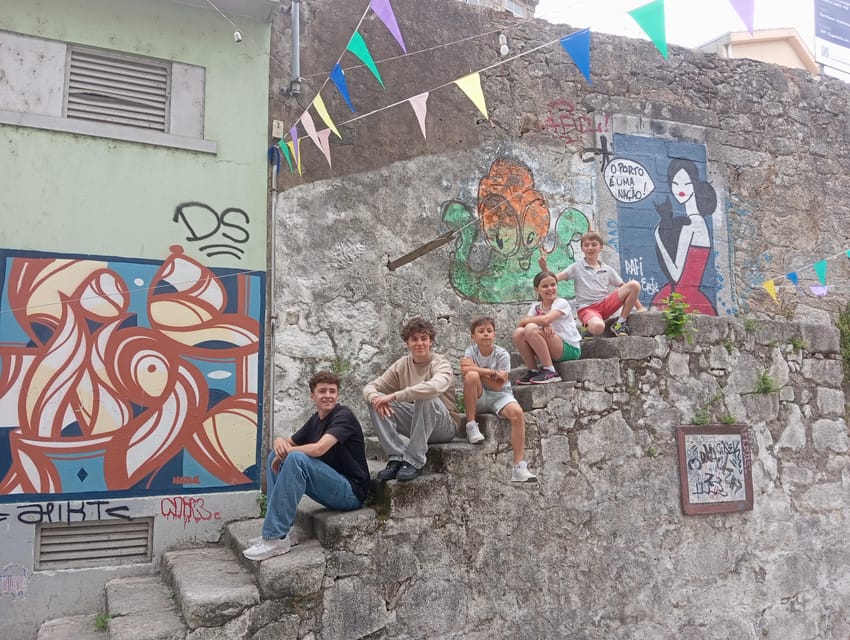
Then comes Clérigos Church, with a guided visit.
Clérigos is one of those Porto moments where the city starts to feel theatrical, even in daylight. The value of having a guide here is that you do not just admire a landmark from the outside. You get the background that makes it make sense in the broader story of the old town.
The route also includes Clérigos Tower and Livraria Lello as major highlights, so you’re not spending your time randomly. You’re moving with intention, from one famous reference point to the next.
If you’re the type who likes to understand what makes certain sights so central, this section is a strong one. It’s the kind of stop that helps you connect the earlier parts of the walk to the later ones, so the city feels like one coherent place instead of separated attractions.
Livraria Lello and Irmão: getting context before you go off on your own
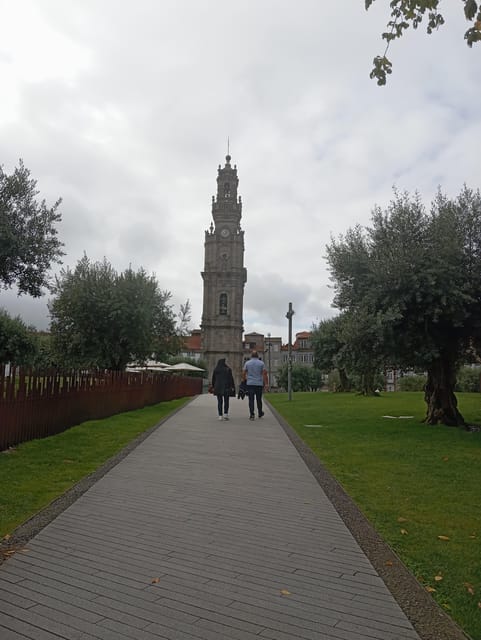
The tour ends with Livraria Lello & Irmão as a guided stop, plus walking and scenic views on the way.
Even if you’ve heard plenty about this bookstore, guided time changes how you experience it. You are not just chasing a well-known photo location. You’re placing it into the flow of Porto’s neighborhoods and architecture that you’ve already been walking through for hours.
And because the tour has been built around both famous sites and lived-in streets, you leave with a better idea of what to do after the tour. You’ll know which areas feel closer to the kind of Porto you want to keep exploring, and which landmarks were meant as anchors.
One practical tip: after a tour like this, your best next move is usually another short walk nearby. You’ve already learned the rhythm of the area. Use that momentum.
Price and value: what $29 buys you in real time with Karen
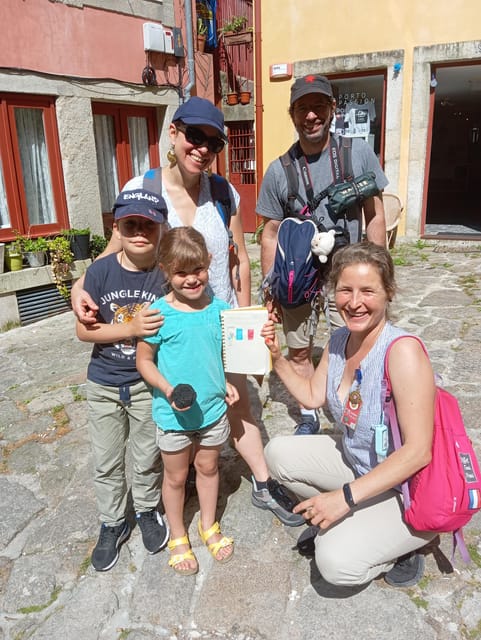
At about $29 per person for a 4-hour guided walk, the value is mainly in the guide, not in “access.” You’re getting an official, certified local guide and interpreter experience in French. That’s a big deal if your goal is comprehension, not just sightseeing.
The reviews you can find for this tour style line up on one core advantage: the guide, Karen, shares stories and practical advice, including good addresses, food suggestions, and ideas for where to listen to fado. That sort of guidance is hard to replicate on your own because it depends on local knowledge and the right timing.
The tour also covers a concentrated chunk of Porto old town, which helps you avoid the common first-day problem: seeing too much of the famous circuit and still feeling lost. Here, you build a map in your head while you walk.
Could you do parts of this on your own? Sure. But if you want a structured route through UNESCO streets and you care about context and planning tips, you’re paying for time, translation, and a coherent story.
Who this tour suits best, and who might want to choose differently
This is a great fit if:
- You want to see UNESCO-listed old town streets and not just monuments.
- You prefer guided context in French.
- You like a calm, steady pace rather than sprinting between stops.
- You want ideas for food and cultural add-ons after the walk, not just the walk itself.
It may be less ideal if:
- You need wheelchair accessibility. This tour is not suitable for wheelchair users due to the nature of the streets.
- You want minimal walking. The format is built around multiple stops, walking, and narrow lanes.
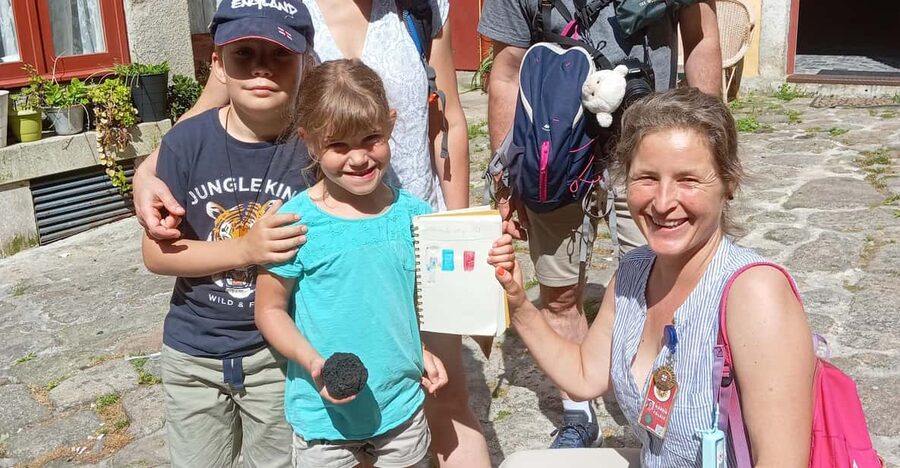
For families, this tour also has a good reputation. One review explicitly notes that children are welcome and that the walk is calm. If your group has kids who can handle a few hours of strolling, this can be a smart first introduction to Porto.
Small practical details that make the day smoother
A few details from the tour design are worth planning around.
- Bring an umbrella. Porto weather can shift fast, and you’ll be walking outdoors for the full duration.
- Wear comfortable shoes. You’re moving through narrow medieval streets and cobbled areas, so flip-flops are not the move.
- Coffee break is not included. If you want a stop, plan it around your own preference.
- Some tour content may appear in its original language. Expect that not everything will be perfectly translated line by line.
Finally, remember that this is a walking tour. Even with scenic pauses, you will feel like you worked a little. That’s part of the value, because you learn the city through movement.
Should you book Porto Old Town Tour with an official guide?
Book it if you want Porto to feel like Porto, not like a museum map. For me, the decision comes down to three things: the official local guide in French, the mix of UNESCO streets with real neighborhood lanes, and the stop sequence that helps you understand how the city connects from São Bento to Sé, Vitória, Clérigos, and Livraria Lello.
Skip it if you need wheelchair access or if you prefer to wander entirely on your own with no structure at all. In that case, you could build a self-guided loop. But if you want a guided route that also teaches you how to keep exploring afterward, this is a strong way to spend a half day.
If you’re in Porto for the first time, and you want to leave with a mental map and a few good local leads for food and fado, this tour is the kind of foundation day that pays off later.
FAQ
Where is the meeting point for the tour?
You meet at São Bento Station, on platform n1. The guide presents a Portuguese flag.
How long is the Porto Old Town Tour?
The tour lasts 4 hours.
What language is the tour guide?
The tour is conducted in French.
Is the guide an official or certified local guide?
Yes. It includes a guided tour with an official guide-interpreter, certified local guide.
What is included in the price?
The price includes the French-guided tour with the official guide-interpreter.
Is a coffee break included?
No. Coffee break is not included.
Do I need to bring anything specific?
You should bring an umbrella.
Is the tour wheelchair accessible?
No. The tour is not suitable for wheelchair users.
Is free cancellation available?
Yes. You can cancel up to 24 hours in advance for a full refund. You can also reserve and pay later.
Fresh off the Porto quays






City Tours, compared.
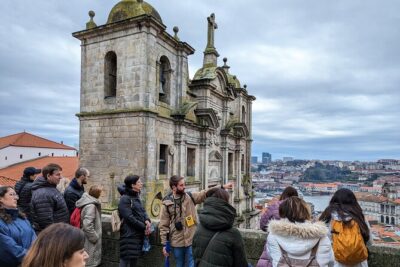
The Unvanquished Tour in Porto City Center
Read our review →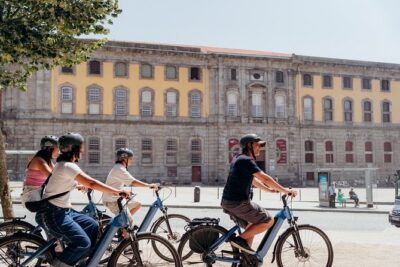
3-Hour Porto Highlights on a Electric Bike Guided Tour
Read our review →
City Highlights 3-Hour Guided Electric Bike Tour
Read our review →


Discover Porto’s Highlights on a 2-Hour Private Electric Tuk Tuk
Read our review →
The highest-rated traditional fado concert (downtown)
Read our review →Browse the lists this tour appears in