
Reviewed · CITY TOURS
Porto Old Town & Ribeira with a Local Guide
Porto feels like it has a pulse, and this tour gives you the backstory. You walk the old streets with a local historian who ties famous landmarks to rebellions, liberal struggles, and even forbidden romance. The best part is that you are not just ticking boxes, you are learning why Porto earned its proud identity as Invicta.
I especially love how the tour is built like a storyline, not a lecture. You get two big wins early, the Carmo and Carmelitas twin churches and the way the route connects wealth from Port wine to education and big civic change.
One drawback to plan for: you will handle moderate hills and steps. If you have mobility issues, this is not the kind of walking tour you want to force.
In This Review
- Key moments that make this tour worth it
- Getting your bearings in Porto, starting at Fonte dos Leões
- Carmo and Carmelitas, two churches and the puzzle of a hidden house
- Praça dos Leões and the Liberal Wars, Porto’s training ground for resistance
- University of Porto Reitoria, orphan roots and tax-funded progress
- Jardins da Cordoaria, myths of hangings and the real unrest behind them
- Clérigos Tower area, Nicolau Nasoni and the olive grove past
- Avenida dos Aliados and the Cerco do Porto, where Invicta earns its name
- Igreja dos Congregados, catacomb saints and identity after the Reformation
- São Bento Station tiles, history told in 20,000 painted moments
- Sé Cathedral and Rua dos Mercadores, Rome to Portus Cale to merchants
- Palácio da Bolsa and the merchant-made exchange palace
- Ribeira and the Douro, finishing with Port wine by the water
- Value for $58, small group size, and what makes the guide matter
- Who should book, and who should skip this walking route
- Should you book this Porto Old Town and Ribeira tour?
- FAQ
- How long is the Porto Old Town and Ribeira tour?
- Where do I meet the guide?
- What is included in the price?
- Is transportation or meals included?
- What should I bring?
- Is the tour suitable for people with mobility impairments?
Key moments that make this tour worth it
- Carmo and Carmelitas, two churches side by side, plus the mystery of the hidden house
- Praça dos Leões and the shift from bread market energy to soldiers in the Liberal Wars
- Clérigos Tower area, with the olive grove past and the Italian architect story
- Cerco do Porto, how the city resisted absolutist forces for a full year
- Igreja dos Congregados, catacomb saints and the identity angle after the Reformation
- End by the Douro, with a Port wine tasting glass to close the loop
Getting your bearings in Porto, starting at Fonte dos Leões
Most walking tours start with history on a random corner. This one starts with mood. You meet at Fonte dos Leões, a fountain that helps you settle into Porto’s rhythm fast.
From there, the guide uses the street layout like a map of power. You start to notice patterns right away, merchant money, religious influence, and the city’s habit of refusing to stay quiet. It is a small change, but it makes the rest of the walk feel connected instead of chopped into separate sights.
Some other granite-city outings to weigh
- Porto: Guided Tour by Tuk-Tuk & Optional Douro River Cruise★ 4.5 · 5,980 reviews
- 3-Hour Porto Highlights on a Electric Bike Guided Tour★ 5.0 · 4,392 reviews
- Porto: City Highlights 3-Hour Guided Electric Bike Tour★ 4.8 · 3,092 reviews
- Experience Porto’s Charm: 3-Hour Guided Walking Tour★ 5.0 · 2,432 reviews
Carmo and Carmelitas, two churches and the puzzle of a hidden house
You begin near the Carmo and Carmelitas churches, built side by side and separated by the odd clue locals love to talk about: the hidden house. The point is not the mystery for mystery’s sake. It shows how closely religion, politics, and private life could sit together in one neighborhood.
Carmo’s façade also gets attention. You learn how its decoration celebrates biblical prophets, and why that symbolism mattered in a city shaped by conflict and civic pride. The tour also links the elaborate rococo style to Port wine wealth, which is a great reminder that art in Porto often came paid for by trade, not just patronage.
Practical note: this is a good stop to slow down your photos. The details are worth studying, but you will be moving on soon.
Praça dos Leões and the Liberal Wars, Porto’s training ground for resistance
Next you reach Praça dos Leões, a square with layered uses over time. It started as a bread market area, then shifted into something more serious, a space tied to volunteer soldiers during the constitutional cause in the Liberal Wars.
This is where the tour earns its “rebellion” theme. Porto’s story is not just about kings and dates. It is about what people did when they believed in an idea enough to risk their lives. The guide’s job here is to make the cause feel real, not like a line from a textbook.
If you like history that comes with characters, not just names, you will feel it at this point.
University of Porto Reitoria, orphan roots and tax-funded progress
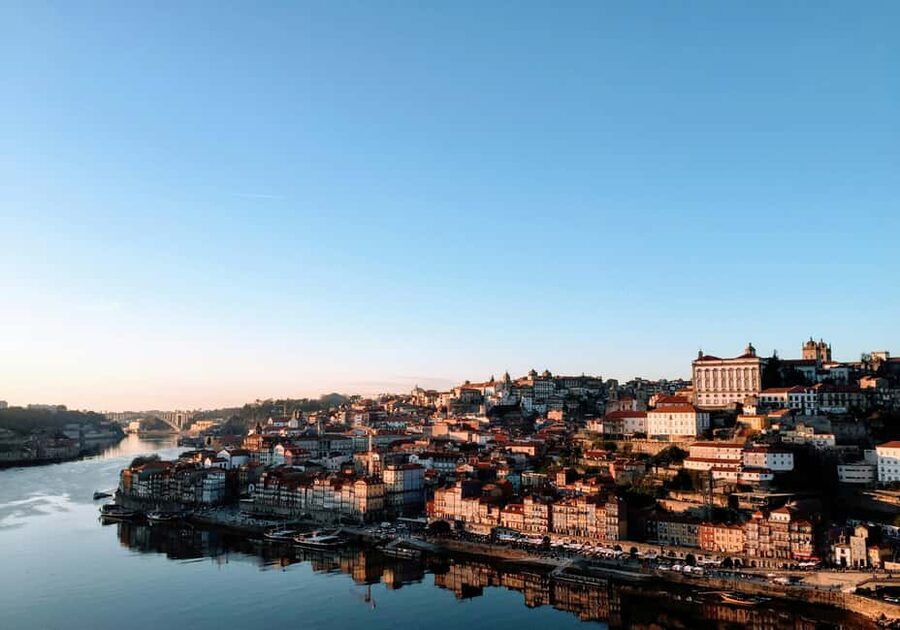
At the University of Porto (Reitoria) area, you see a surprising origin story. The guide explains how the site began as an orphan college, then evolved into the Real Academia de Marinha e Comércio.
What I like is the logic the guide brings. Porto was not only defending itself with courage. It was also investing its money into education, science, and navigation. That idea matters because it connects two Porto traits that sometimes get treated separately: street-level stubbornness and long-term planning.
This stop also helps you understand why merchant power could reshape the city. When trade produces tax revenue, the city can build institutions that outlast one conflict.
Jardins da Cordoaria, myths of hangings and the real unrest behind them
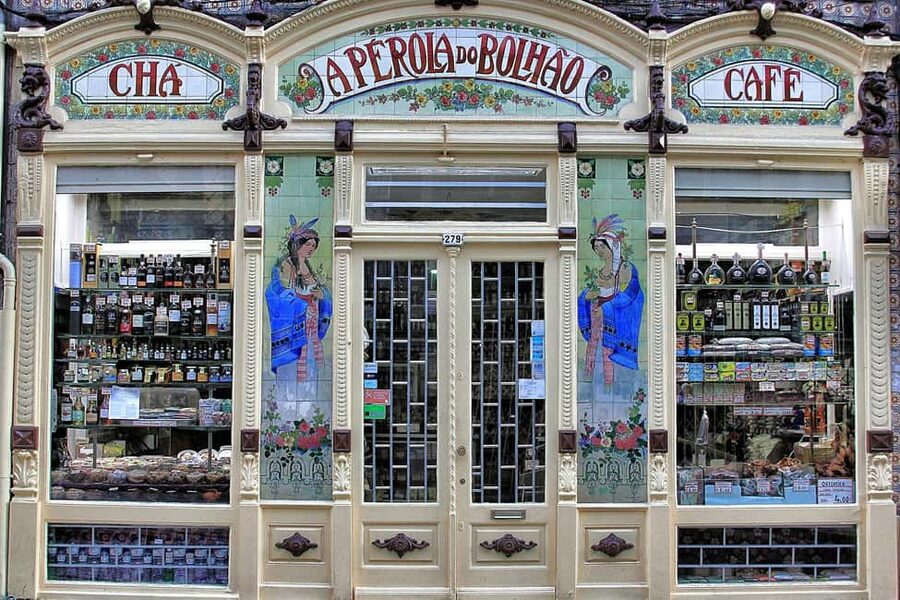
Crossing Jardins da Cordoaria adds texture, and not in a soft, romantic way. You hear about stories that mix myths with real political unrest, conspirators, executions, and pressure building behind the scenes.
It is an effective middle chapter. After the Reitoria themes of learning and navigation, you get the darker side of civic life. People were not only building a future, they were also dealing with the price of opposing the wrong authority at the wrong time.
Also, this is a good reminder that Porto’s streets were once part of daily power struggles, not just pretty backdrops for later tourists.
Elsewhere in Porto, worth a look before you book:
- The Unvanquished Tour in Porto City Center
★ 5.0 · 26,497 reviews - From Porto: Douro Valley w/ Boat Tour, Wine Tasting & Lunch
★ 4.7 · 19,061 reviews - Complete Douro Valley Wine Tour with Lunch, Wine Tastings and River Cruise
★ 5.0 · 12,920 reviews - Porto: Douro Valley with Winery Lunch, Tastings & Cruise
★ 4.7 · 7,002 reviews
Clérigos Tower area, Nicolau Nasoni and the olive grove past
When you reach the Clérigos area, the tour turns a landmark into a timeline. You learn that the church and tower were designed by Italian architect Nicolau Nasoni, a detail that helps explain why parts of Porto feel connected to wider European currents.
Then the guide adds the background that people often miss: the area was once covered by a vast olive grove. Suddenly the stonework around you feels less inevitable. It becomes a transformation story, from rural land use to monumental civic identity.
This stop is a strong fit if you love architecture, but it is still story-first. The tower becomes a symbol of how Porto wanted to be seen.
Avenida dos Aliados and the Cerco do Porto, where Invicta earns its name
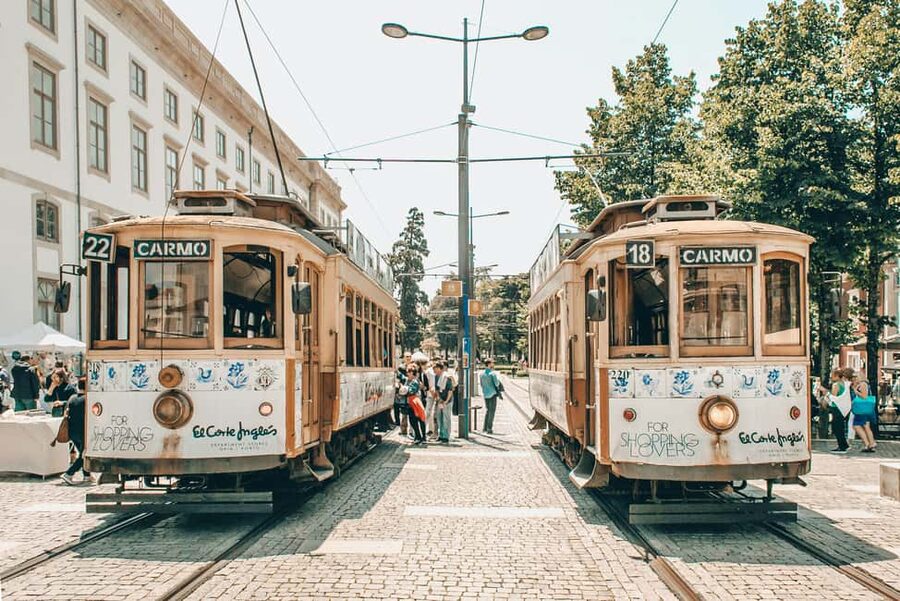
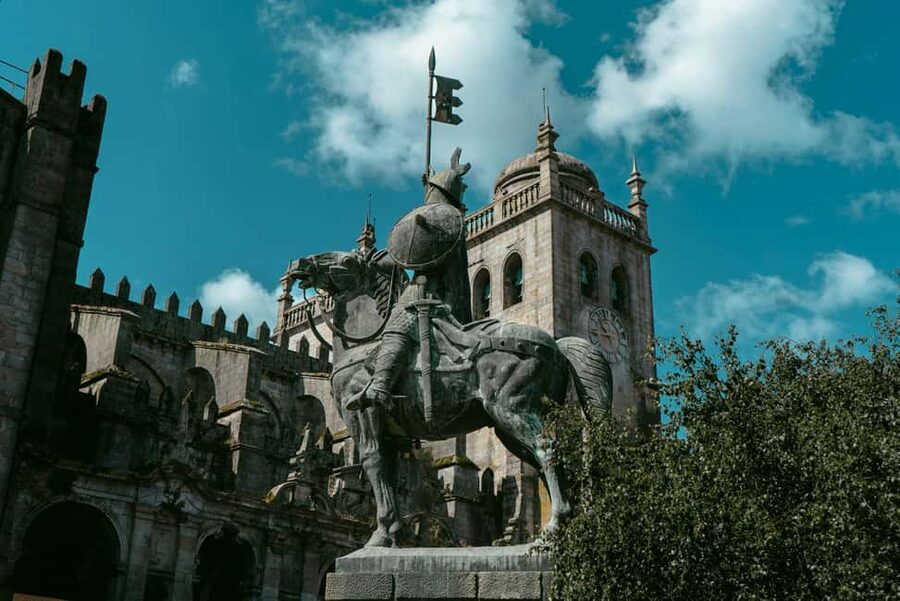
You walk down to Avenida dos Aliados, Porto’s grand civic boulevard. It is dramatic in layout, and the tour uses that drama on purpose. The guide points out the statue of D. Pedro IV and then connects it to the Cerco do Porto (1832 to 1833).
This is one of the tour’s biggest value points. You learn how the city resisted absolutist forces for a full year, surviving bombardment, famine, and disease. That is what “Invicta” means in practice. It is not just a marketing slogan, it is a survival story.
If you tend to skim big city history, this stop may change your habits. The guide’s framing makes the conflict feel like a lived crisis, not a distant event.
Igreja dos Congregados, catacomb saints and identity after the Reformation
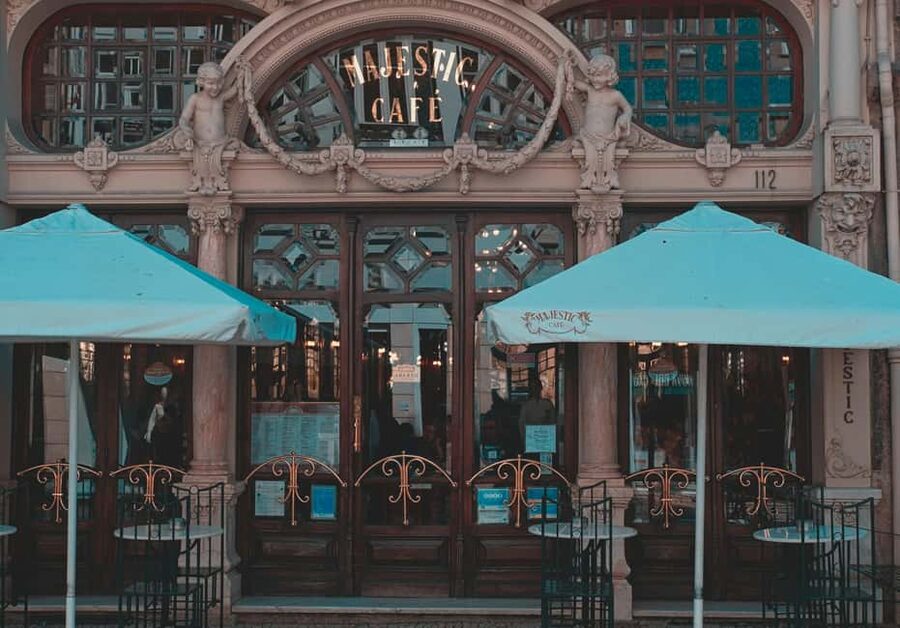
The Igreja dos Congregados is a striking stop. Here, the guide explains the story of richly dressed “catacomb saints” brought from Rome after the Protestant Reformation.
This is not only about religious art. It is about identity and message. You can feel how public devotion could act like a declaration, especially in a time when religious boundaries were tense.
One practical tip: take a breath here. It is easy to rush because it is fascinating, but slowing down helps you actually register what you are seeing.
São Bento Station tiles, history told in 20,000 painted moments
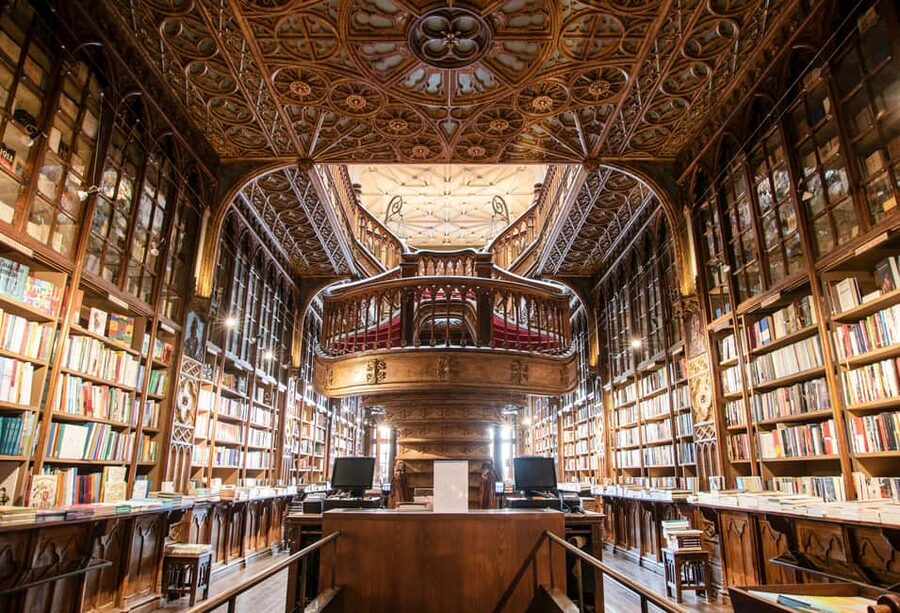
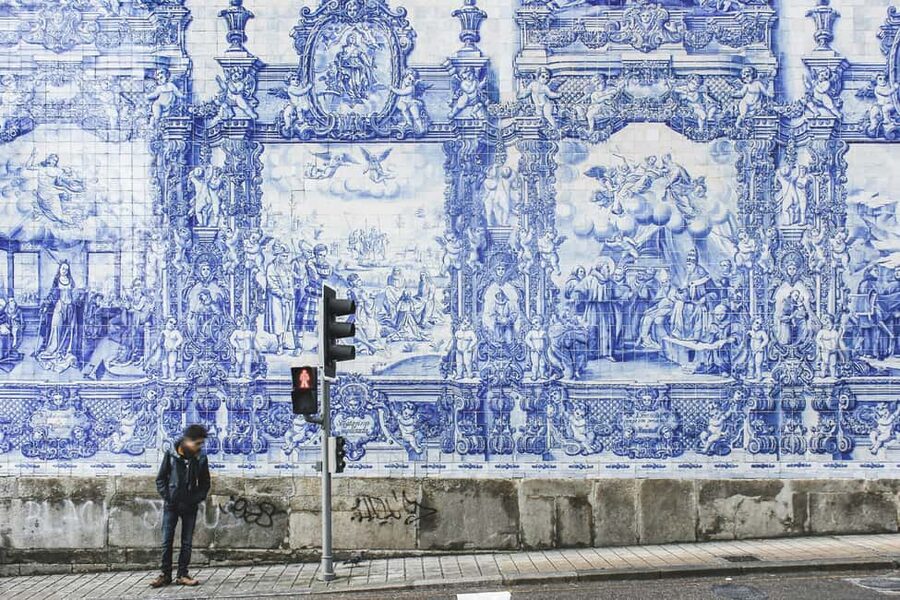
Next comes São Bento Station, and the famous hand-painted tiles. The guide connects the artwork to key moments in Portuguese history, including medieval battles, royal weddings, and overseas conquests.
It is a clever choice for a walking tour stop. You get a lot of story in a tight space. Also, you can stand still while your guide talks, which balances the physical side of the tour.
If you like visual learning, this part alone is worth it. The tiles give your brain something concrete to hold onto when the talk shifts back to political struggles.
Sé Cathedral and Rua dos Mercadores, Rome to Portus Cale to merchants
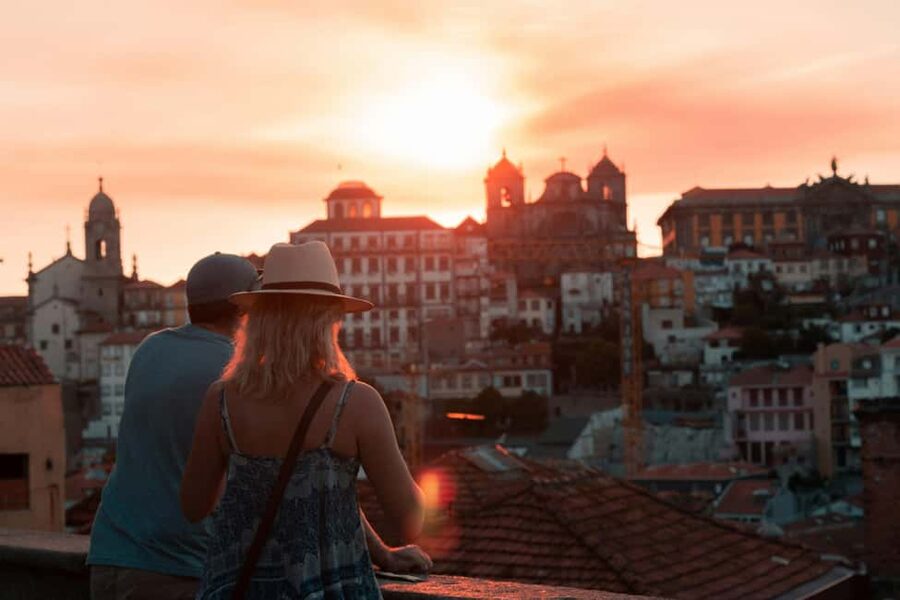
The tour climbs to the Sé Cathedral for views over the Douro and the old heart of Portus Cale. Even if you only catch a partial sightline, it helps you understand why this location mattered to successive eras, from ancient layers to medieval power.
From there, you walk down toward Rua dos Mercadores, tied to the Jewish quarter and later to New Christians. The guide covers how people balanced public Catholic rituals with private traditions.
This stop works because it adds a human scale. Big political stories can feel abstract. Here, you see how identity can play out in daily life, street by street.
Palácio da Bolsa and the merchant-made exchange palace
Near the riverfront, you reach the Palácio da Bolsa. The guide frames it as a merchant story, built by traders over ruined convent walls.
You also hear how pirates threatened the coast, which ties back to the navigation themes earlier in the walk. Porto’s merchants were not only paperwork and taxes. They dealt with insecurity and risk, and that pressure helped push the city toward stronger institutions and smarter trade.
This is a good moment to pause and take in the river direction. You are now approaching the final emotional tone of the tour.
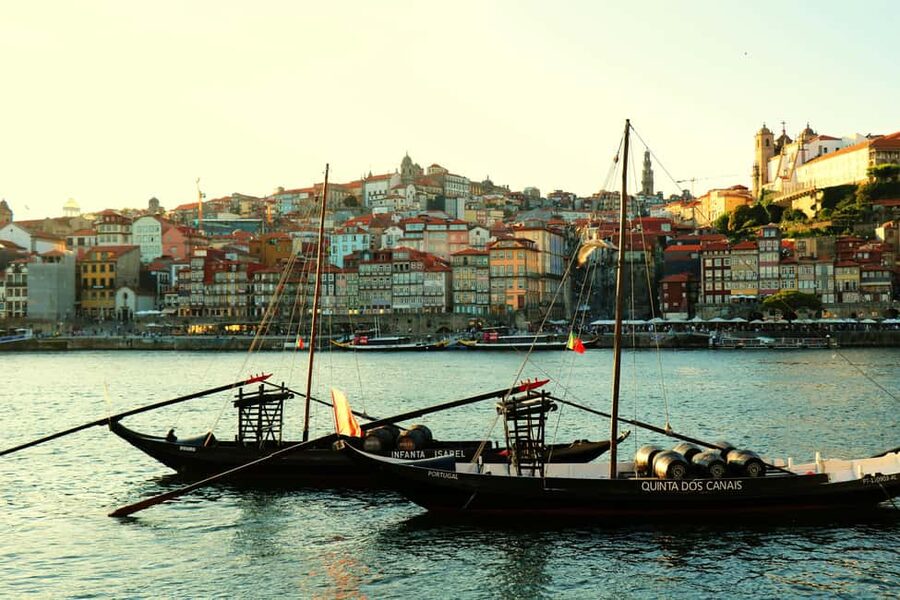
Ribeira and the Douro, finishing with Port wine by the water
The tour ends in Ribeira and along the Douro River. This is where the city’s past turns scenic. You hear about pirates and the way infrastructure failures shaped memory too, including the tragic collapse of the Ponte das Barcas in 1809.
Then you get the payoff. The tour includes one glass of Port wine at the end, by the river. It is not just a souvenir moment. It closes the loop on the whole theme: Port wine money, civic power, and the cultural identity that grew from trade.
If you want a smooth landing after a few hours of walking, this ending does that job well.
Value for $58, small group size, and what makes the guide matter
At $58 per person for about three hours, you are paying for more than basic sightseeing. You are getting a live local historian guide, a small group size of up to 8 travelers, and a Port wine tasting glass included at the end.
The guide materials also help. You get a Rebel’s Map of Porto, digital or printed, which is useful if you want to keep the story going after the walk. That matters because Porto is easy to get lost in. A map that reminds you what to look for helps you turn the memories into a useful mental itinerary.
The best signal from past participants is the guide quality. Reports highlight guides who are friendly and fun, and who connect facts to real neighborhoods. One named guide, David, is cited for being highly engaging and for sharing lots of fun facts with strong city history knowledge. That kind of guide energy is the difference between hearing dates and understanding a city.
Who should book, and who should skip this walking route
This tour is a great fit if you want Porto to feel like a story with consequences. You enjoy history that includes politics, religion, and romance, plus architecture explained in plain language.
It is also a solid choice if you like small groups. With up to 8 people, the pace tends to stay human, and your guide can answer questions without the tour feeling like a conveyor belt.
Skip it if you need a low-step route. The tour involves moderate hills and steps, and it is not suitable for people with mobility impairments.
If you are traveling with kids, it could still work if they handle walking and attention for story-based stops. But there is no special kid program described here, so you will want to judge based on your child’s stamina and interest.
Should you book this Porto Old Town and Ribeira tour?
Book it if you want a guide to make Porto’s landmarks feel like part of one long argument about power. The Cerco do Porto chapter, the twin-church start, and the catacomb saints stop are the kind of pieces that turn a normal walk into something you remember.
Skip it if you only want quick photo stops and a short list of must-sees. This tour is built for walking and listening, with moderate hills, and it leans hard into stories. You will get the most value when you show up ready to pay attention.
If you are on a first trip and you want to understand why Porto is called Invicta, this is one of the better ways to do it.
FAQ
How long is the Porto Old Town and Ribeira tour?
The tour lasts about 3 hours.
Where do I meet the guide?
You meet at Fonte dos Leões, with the guide in front of the fountain.
What is included in the price?
The tour includes a live local historian guide, a walking tour, Port wine tasting (one glass at the end), and a Rebel’s Map of Porto (digital or printed).
Is transportation or meals included?
Transportation to the starting point and meals are not included.
What should I bring?
Bring comfortable shoes, water, and sunscreen.
Is the tour suitable for people with mobility impairments?
No. It involves moderate hills and steps, so it is not suitable for people with mobility impairments.
Fresh off the Porto quays



City Tours, compared.
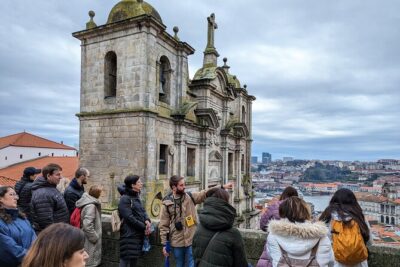
The Unvanquished Tour in Porto City Center
Read our review →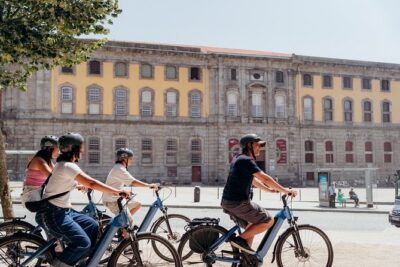
3-Hour Porto Highlights on a Electric Bike Guided Tour
Read our review →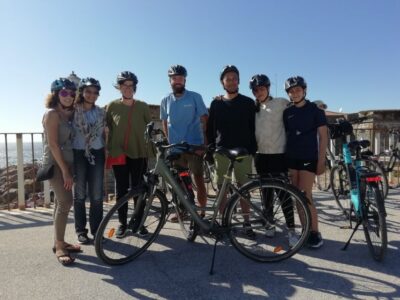
City Highlights 3-Hour Guided Electric Bike Tour
Read our review →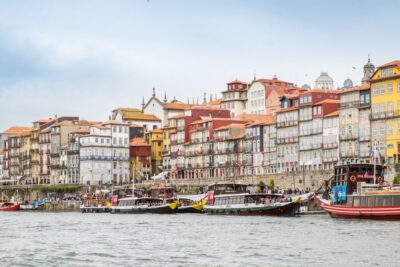
Discover Porto’s Highlights on a 2-Hour Private Electric Tuk Tuk
Read our review →
The highest-rated traditional fado concert (downtown)
Read our review →Browse the lists this tour appears in