
Reviewed · SIX BRIDGES CRUISES
Porto 6 bridges Speedboat Tour along the Douro
This ride turns Porto and Vila Nova de Gaia into a moving postcard, with fast views of bridges, river life, and the sea edge when conditions allow. You get a 45-minute hit of Douro scenery, plus an English guide onboard, all starting from the Douro Marina area.
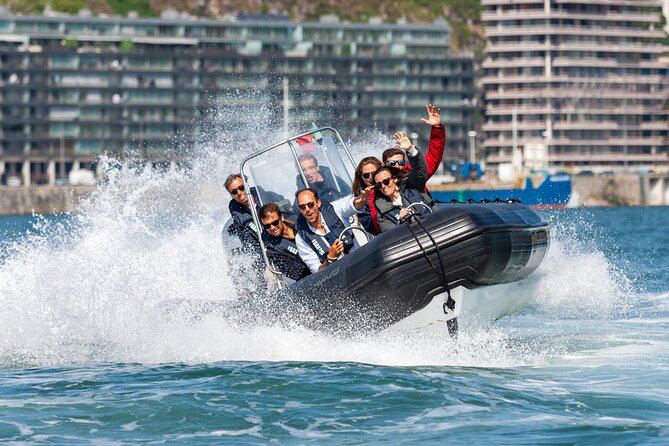
I like two things a lot. First, the energy. This is not a slow sightseeing boat, you actually feel the speed while you’re watching iconic waterfronts and bridge lines stack up on both sides of the river. Second, I appreciate the practical safety touches, life vests and even jacket options when the weather gets a little damp.
One thing to keep in mind: it’s short. You will mostly see these places from the boat, so if you want museum time or a long walk, you’ll need to plan that after. Also, if you hate getting a little wet, this may not be your favorite way to tour a river.
In This Review
- Key points before you go
- How the Porto 6 Bridges Speedboat Ride Feels in 45 Minutes
- Getting Oriented at BBDouro on Douro Marina
- Douro River Views: From Wine Caves to the Protected Estuary
- Porto and Gaia Landmarks You Pass, Bridge by Bridge
- Arrábida Bridge and the modern era of crossings
- Clérigos Tower, river churches, and Massarelos
- Alfândega Porto Congress Centre and the “new” vs “old” contrast
- Ribeira, Paço Episcopal, and the old heart on the water
- Luís I Bridge, Porto’s signature metal crossing
- Serra do Pilar to Crystal Palace Gardens, by Way of Terraces and Steps
- Serra do Pilar Monastery and its circular shape
- Passeio das Virtudes and vertical terraces
- Jardins do Palácio de Cristal and the ghost of the Crystal Palace
- Passeio Alegre Garden by the meeting of waters
- Walking Around After the Boat: Why Nearby Sites Still Matter
- Safety on a Speedboat: Life Vests, Getting Wet, and Weather Calls
- Price and Value: When $54.22 Makes Sense
- Who Should Book This 6 Bridges Speedboat Tour
- Should You Book This Douro 6 Bridges Speedboat Tour?
- FAQ
- How long is the Porto 6 bridges Speedboat Tour?
- Where do I meet for the tour?
- Is the tour offered in English?
- What is the minimum age?
- How big are the boats and groups?
- What tickets do I need?
- Will we go out to sea?
- Is the tour safe?
- What happens if the weather is poor?
Key points before you go
- Small boats, small groups: around 10 people per boat, with three boats running, capped at 38 total.
- Six bridges by design: the route is built around Porto and Gaia’s river crossings, including big-name spans like Arrábida and Luís I.
- Sometimes out toward the sea: when conditions are right, you’ll cruise farther beyond the river.
- Safety-first, still fun: life vests on board, and jacket options if you get chilly.
- Real Douro context: you’ll pass Port wine sites, Rabelo boat history, and the protected estuary zone for wildlife.
How the Porto 6 Bridges Speedboat Ride Feels in 45 Minutes
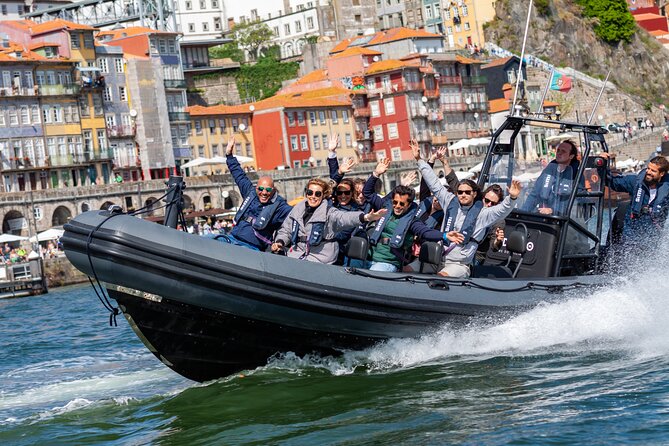
Think of this as a sprint with great payoff. In about 45 minutes, the boat strings together two cities that usually feel like separate worlds, Porto on the north bank and Vila Nova de Gaia on the south bank. You’re moving fast enough that you notice the “shape” of the river, not just individual buildings.
The speed matters because it changes how the city reads. From the water, Porto’s waterfront becomes a long diagram of history: older streets, churches with distinctive towers, and the famous riverfront that made Port wine possible. Then Gaia answers with docks, quays, and the cellars zone. The ride also includes an orientation to bridges, since the tour is built around six major crossings.
You should also expect a lively atmosphere onboard. This isn’t a museum whisper. It’s more like, let your brain click into “photo mode” while you focus on where the boat will turn next. And yes, you’ll feel the spray. People did not come away thinking they were doing something dry and tidy.
The bridges again, other departures:
- Porto: 6 Bridges Douro River Cruise★ 4.3 · 6,472 reviews
- Porto: Bridges Cruise & Sunset & Port Wine Cellar Option★ 4.2 · 4,180 reviews
- Porto: River Douro 6 Bridges Cruise★ 4.3 · 4,168 reviews
- Porto: Douro River Party Boat with Sunset Option & 6 Bridges★ 4.7 · 2,040 reviews
Getting Oriented at BBDouro on Douro Marina
Your meeting point is BBDouro at Douro Marina, Rua da Praia, 4400-554 Vila Nova de Gaia. The good news is that it’s an easy place to find, and it’s near public transportation.
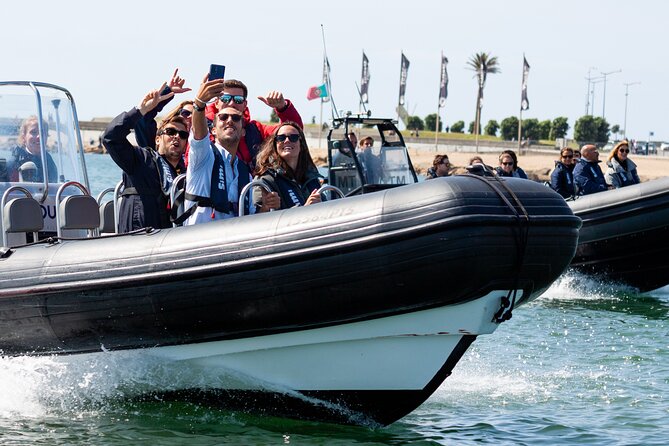
Logistically, the tour runs with multiple boats. The setup is simple: show up, get confirmed, then board the boat assigned for your group. With three boats operating and a typical size around 10 people per boat, you’re not stuck in a huge crowd where nobody can see.
One practical tip: arrive a bit early so you can get a spot that matches your style, front for speed and water angle, back or sides if you want less spray. Since this is a short tour, “finding your angle” early is time well spent.
Douro River Views: From Wine Caves to the Protected Estuary
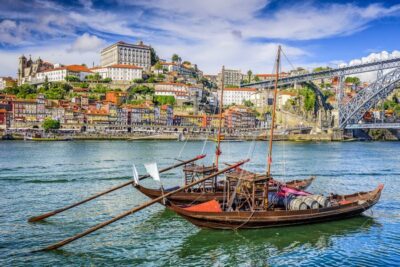
The tour’s core is the Douro itself, and it starts with the river’s most recognizable stories. On the Porto side, you’ll see references to the old wine system and waterfront geometry, including places tied to wine caves and the tradition of carrying barrels along the river.
As you cruise, you’ll also be shown iconic landmarks from the water, including the area around Clerics Church and views that connect to where Rabelo boats once worked. Even if you’re not stopping to enter buildings, the ride helps you understand why the Douro mattered so much: trade lines, transport routes, and defensive positioning all followed the river’s bends.
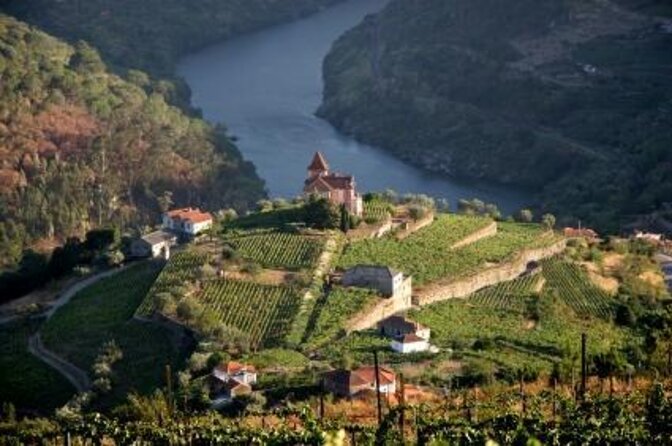
Then you reach the estuary side of the story. The Douro Estuary is protected and known for wildlife, and it sits along a migratory corridor for birds. Even from a boat, you’re seeing a real ecological edge, not just a scenic backdrop. If you like nature mixed into city sightseeing, this part gives the tour more texture than another straight-up skyline loop.
Finally, depending on conditions, you may cruise out toward the sea. That sea-meets-river feeling is one of the big reasons this tour works. The water changes character, and Porto’s waterfront feels even more dramatic once you’re not just surrounded by river bends.
Porto and Gaia Landmarks You Pass, Bridge by Bridge
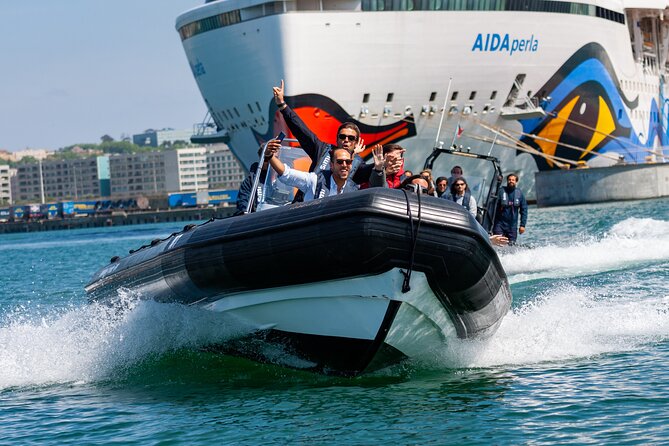
This is where the tour lives up to its name. You’re watching Porto and Gaia’s river crossings line up, with the bridges acting like visual anchors. Two stand out in the route descriptions: Arrábida Bridge and Luís I Bridge.
Arrábida Bridge and the modern era of crossings
You’ll get a strong view of Ponte da Arrábida, the arch bridge connecting Porto to Vila Nova de Gaia. It was inaugurated in 1963, and at the time it had the largest reinforced concrete arch of any bridge in the world. It’s also one of Porto’s key road bridges, and that “big engineering moment” shows clearly from the water.
From a rider’s perspective, the value here is simple: bridges stop being random structures. They become part of the city’s movement pattern, and you can see how the north and south banks connect in practice, not just on a map.
Elsewhere in Porto, worth a look before you book:
- The Unvanquished Tour in Porto City Center
★ 5.0 · 26,497 reviews - From Porto: Douro Valley w/ Boat Tour, Wine Tasting & Lunch
★ 4.7 · 19,061 reviews - Complete Douro Valley Wine Tour with Lunch, Wine Tastings and River Cruise
★ 5.0 · 12,920 reviews - Porto: Douro Valley with Winery Lunch, Tastings & Cruise
★ 4.7 · 7,002 reviews
Clérigos Tower, river churches, and Massarelos
As the route threads along Porto’s waterfront, you’ll also pass by the area tied to Torre dos Clerigos. Completed in 1763, the tower is over 75 meters tall and historically served as an orientation point for boats, not just for people. The idea that it helped navigation is the kind of detail you only really appreciate when you’re on the river.
In the Massarelos area, you’ll also pass close to major church architecture like Igreja da Confraria das Almas do Corpo Santo de Massarelos, built in 1776. The facade has tiles and a divided layout with pilasters, niches, and a strong facade rhythm. From the boat, you notice how these landmarks sit above the river line, visible even when you’re moving.
Alfândega Porto Congress Centre and the “new” vs “old” contrast
Another standout along the Porto side is the New Customs building, now part of the Alfândega Porto Congress Centre zone. It was designed by French architect Jean Colson and built in the second half of the 19th century. The contrast is the point: iron shows up in the structure, but you still get stone, brick, and other materials layered into the design.
This matters because Porto’s riverfront is a mix of eras. From the speedboat, you can see how trade shaped architecture, and how the waterfront kept evolving as ships, goods, and city growth changed.
Ribeira, Paço Episcopal, and the old heart on the water
When the route reaches the Porto Historical Center area, you’ll pass through the orbit of Ribeira, one of the oldest and most typical places in the city. It’s tied to a UNESCO World Heritage area and has long been a commerce-and-movement zone because it sits right by the river.
You’ll also see cues near the Paço Episcopal, the former bishop’s residence adjacent to the Cathedral of Porto. It’s a National Monument, and from higher vantage points it dominates the historic center. From the water, it reads like a landmark meant to be seen.
Luís I Bridge, Porto’s signature metal crossing
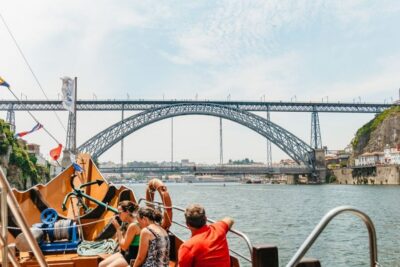
Then comes the big iconic moment: Dom Luís I Bridge. This metal bridge, completed in 1888, still feels like Porto’s calling card. It runs about 395 meters long and about 8 meters wide, and it has two levels that connect Porto and Vila Nova de Gaia.
The details are fun here. Théophile Seyrig built it on orders of King Louis I, and it connects back to the Eiffel-era style, including work Seyrig did earlier on the D. Maria Pia bridge. On the speedboat, the bridge isn’t just a photo target. It becomes a moving frame for everything upstream and downstream.
Serra do Pilar to Crystal Palace Gardens, by Way of Terraces and Steps
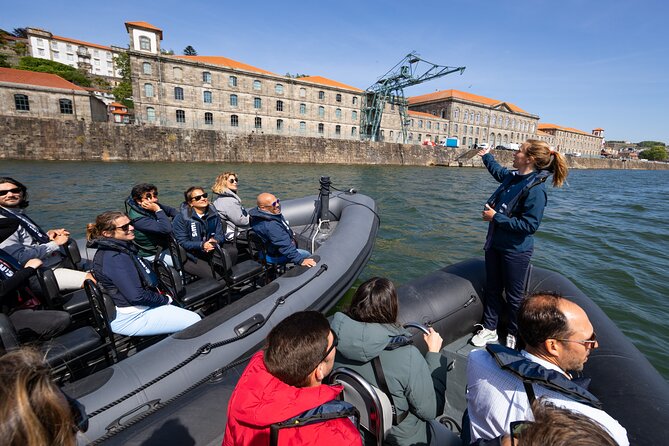
Not all the tour is bridges and docks. The ride also glances past viewpoints and garden architecture that help explain why Porto attracts artists, walkers, and people who chase overlooks.
Serra do Pilar Monastery and its circular shape
One memorable viewing stop is Miradouro Serra do Pilar, tied to the Serra do Pilar monastery. This 17th-century church has a circular floor plan with a hemispherical vault and sits on a balcony with dramatic views over the river.
It also has a UNESCO connection and a National Monument status. The practical reason this belongs on a boat tour is that it’s a visual landmark from both banks. The circular design reads clearly even when you only see it for a minute at speed.
Passeio das Virtudes and vertical terraces
You’ll also pass the area linked to Passeio das Virtudes, a municipal park designed around terraced slopes. The key idea is “vertical garden,” with terraces stepping down so you get views toward Alfândega, the Douro, and Vila Nova de Gaia.
From the river, terrace gardens are more than pretty. They show you how Porto builds elevation off steep terrain. You see the city’s logic, not just its landmarks.
Jardins do Palácio de Cristal and the ghost of the Crystal Palace
Another area you’ll see is Jardins do Palacio de Cristal. The gardens began in 1861, and the original Palácio de Cristal was later demolished in 1951 for what became today’s Super Bock Arena. The gardens you can connect to now include design by Emil David, with lanes like Avenida das Tílias and Avenida dos Plátanos and balcony-like viewpoints over the Douro.
Even if you do not step into the gardens right then, the boat gives you a sense of where the city’s “park overlooks” sit, which makes later exploring much easier.
Passeio Alegre Garden by the meeting of waters
Toward the end of the ride, you’ll also get context for Jardim do Passeio Alegre. This garden was designed in the late 19th century and is known for shade, old trees, and views where the Douro’s waters merge with the Atlantic. There’s also a granite turtle fountain and obelisks by architect Nicolau Nasoni, who also designed Torre dos Clerigos.
Again, you might not walk here during the speedboat portion, but you’ll see the riverfront setting that makes these gardens worth a follow-up visit.
Walking Around After the Boat: Why Nearby Sites Still Matter
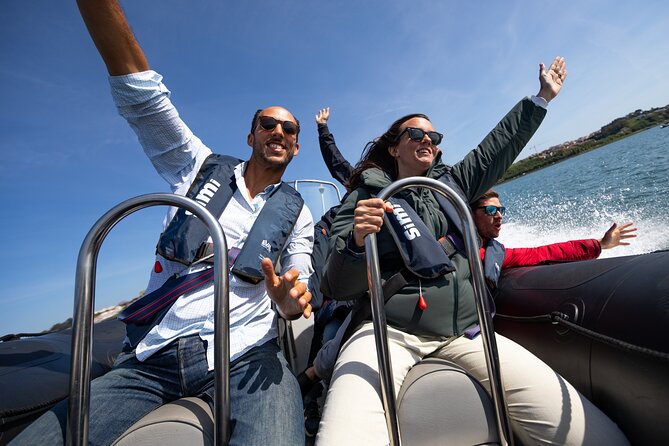
The speedboat tour works best as part one of your Porto plan. Part two is what you do with the context you just gained from the river.
A great example is the dockside Port wine world in Cais de Gaia. This quay has been a shipyard and trading post since the 18th century. It’s famous for Port wine because the barrels arriving by river were aged in cellars in Gaia, and the Port then got prepared for export. Today, after refurbishment, the quay became more tourism-friendly, and it’s where you find the cellars cluster.
You’ll also see the connection to Barcos rabelos, the traditional vessels used to move Port wine barrels between the wine region and Gaia. Historically, there were no roads or railways that could do the job, and without dams the river could be treacherous, especially in narrows and gorges. With rail, the last working voyage is believed to have been in 1964.
Even if you do not do a tasting right away, the boat ride helps you understand why the waterfront is laid out the way it is, and why Port cellars became such a dominant feature of Gaia.
Another strong follow-up target is the Porto sides you skim past, like the Museu do Carro Electrico area. The tram museum preserves electric cars and vehicles and is set in a building that used to be a thermoelectric plant. If you like transport history, this is the kind of place that pairs well with the river view you just got, because it connects how Porto moved people and power in different eras.
Safety on a Speedboat: Life Vests, Getting Wet, and Weather Calls
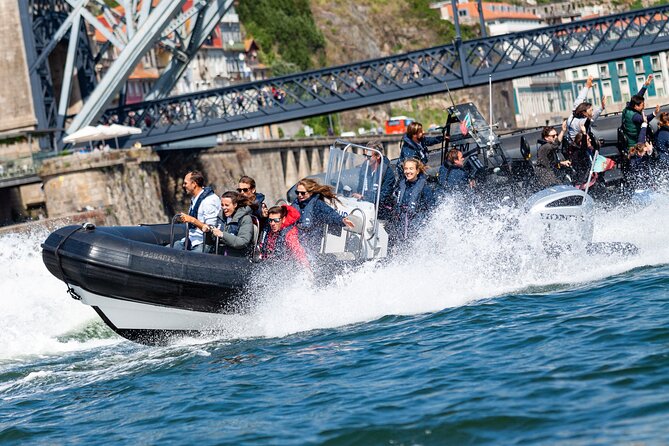
Safety is handled in the practical way you want. You’ll wear a life vest onboard, and the crew runs the ride with a focus on keeping things under control while still letting you enjoy the thrill.
You should assume you’ll get a little wet. That’s part of the experience on fast water, and one of the fun tradeoffs people seem to accept happily. The plus is that staff have been known to offer jackets just in case, so it’s not like you’re stranded in cold spray with no options.
Weather does matter for two reasons. First, this is a speedboat, so conditions affect comfort and the ability to go toward the sea. Second, if conditions are too poor, the tour may be adjusted or offered a different time or refund. If you’re booking late in your trip, build in a little flexibility.
Price and Value: When $54.22 Makes Sense
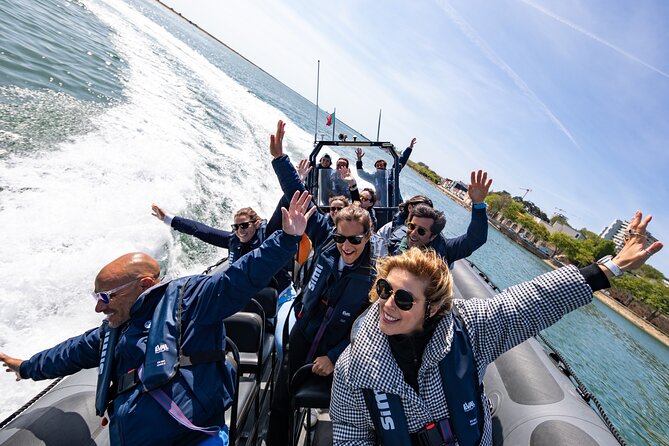
At $54.22 per person for about 45 minutes, this is not a bargain, but it’s also not outrageous for a small-boat, high-energy Douro experience.
Here’s why it can feel like good value. You’re paying for speed, views, and a tight route that compresses a lot into one session: major bridges, Porto’s river landmarks, and the Gaia docks tied to Port wine. You’re also getting an English option, which is a real plus for many visitors.
Compared with spending the same time walking around crowded waterfront spots, you’re trading some depth for breadth. It’s a smart choice if you want a fast orientation to the cities, and you’ll then spend a later afternoon doing the slower, deeper exploring you prefer.
Who Should Book This 6 Bridges Speedboat Tour
This tour fits best if you want:
- A quick way to understand Porto and Gaia from the river
- A bit of speed and fun, not a slow, photo-only cruise
- A shared activity that is easy to do with friends
- English onboard and a straightforward meeting point
It may not fit as well if you hate water spray, you need long stops for museums, or you’re traveling with someone who gets uneasy with faster boats. The minimum age is 10, so it’s generally more adult-friendly and tweens-plus.
Also, keep timing in mind. The tour is commonly booked about 18 days in advance on average, so I’d plan ahead if your schedule is tight. Popular time slots can go first.
Should You Book This Douro 6 Bridges Speedboat Tour?
Yes, if you want an efficient, fun introduction to Porto and Vila Nova de Gaia that shows you how the river and bridges shape the cities. It’s the kind of ride that makes later walking routes make more sense, because you understand what you’re looking at from sea level.
I’d especially book it if you like mixing classic landmarks with a little action. The safety setup is solid, staff have offered jacket help, and the views of bridge architecture and waterfront trade history are exactly the kind of information you absorb fastest from the water.
If you only want slow museum-style touring, you might skip it. But if you want to leave Porto with your bearings fast, this is a strong bet.
FAQ
How long is the Porto 6 bridges Speedboat Tour?
It’s about 45 minutes.
Where do I meet for the tour?
You meet at BBDouroDouro Marina, Rua da Praia, 4400-554 Vila Nova de Gaia, Portugal. The tour ends back at the meeting point.
Is the tour offered in English?
Yes, the tour is offered in English.
What is the minimum age?
The minimum age is 10 years old.
How big are the boats and groups?
There are three boats, with a maximum of about 10 people per boat, and up to 38 travelers total.
What tickets do I need?
You’ll use a mobile ticket.
Will we go out to sea?
If conditions are right, you cruise out to sea.
Is the tour safe?
You wear a life vest during the tour.
What happens if the weather is poor?
The experience requires good weather. If it’s canceled due to poor weather, you’ll be offered a different date or a full refund.
Fresh off the Porto quays


Six Bridges Cruises, compared.
Bridges Cruise & Sunset & Port Wine Cellar Option
Read our review →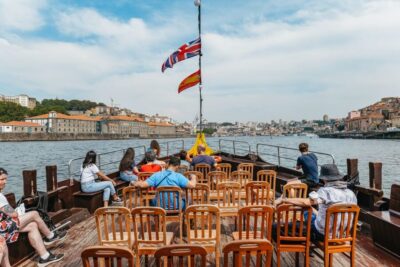
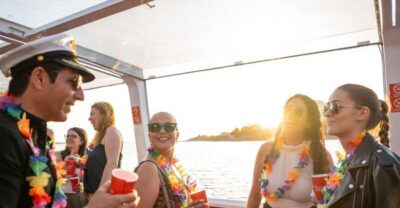
Douro River Party Boat with Sunset Option & 6 Bridges
Read our review →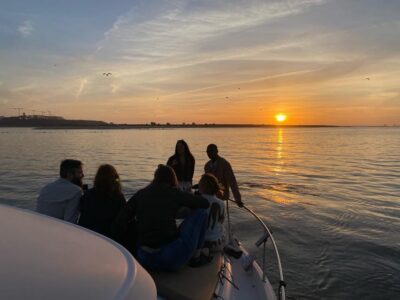
6 Bridges Cruise & Port Wine with Sunset Option
Read our review →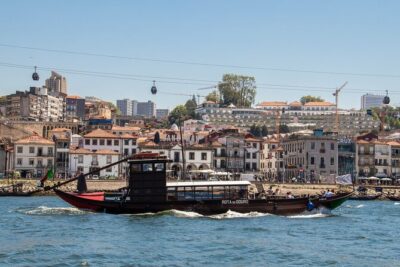
Porto Six Bridges Panoramic Cruise on the Douro River
Read our review →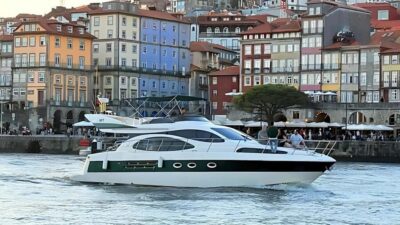
Luxury 6 Bridges Yacht Cruise with Wine & Snacks
Read our review →Browse the lists this tour appears in