Reviewed · WINE TOURS
Natural & Organic wine tasting with a winemaker
Five natural wines, one focused hour and change. This Porto experience pairs a small-group tasting with a guided tour inside an exclusive wine bar and bottle shop space in the Norte Region. It is built around natural, organic, and biodynamic Portuguese wines, explained in plain talk so you can taste with confidence.
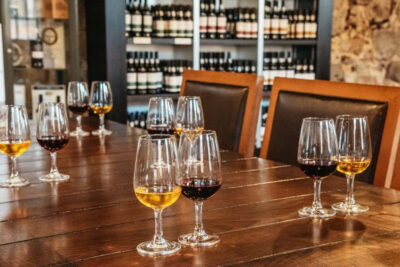
I like that the flight is tight and thoughtful: five hand-picked bottles, including 2 whites, a rosé, and 2 reds. You also get guided storytelling about Portugal’s wine regions, with how altitude, terroir, and grape species show up in what is in your glass.
The only real drawback is the food is a tasting/snack, not a full meal. You will leave happy, but you may want dinner plans afterward.
In This Review
- Key things to know before you go
- A Private Reservation-Only Wine Bar, Shop, Bookstore, and Art Space
- Meeting at Térmita and How the 1.5-Hour Session Flows
- Your Tasting Flight: 2 Whites, Rosé, and 2 Reds
- The Winemaker-Style Lesson: Regions, Altitude, Terroir, Grapes
- Chef-Made Snacks That Keep You Balanced Between Sips
- How “Natural, Organic, Biodynamic” Shows Up on Your Tongue
- Languages and Small-Group Comfort: What It Means for Your Experience
- Price and Value: What $81 Buys You in Porto
- Who Should Book This Natural Wine Tasting
- Quick practical tips before you taste
- Should You Book This Porto Wine Tasting?
- FAQ
- What wines are included in the tasting?
- How long is the experience?
- Is it a private tasting?
- What food is included?
- How big is the group?
- What languages are available for the tour?
- Where do we meet?
Key things to know before you go
- Private reservation-only venue, so the vibe stays calm and personal
- Hand-picked flight of 5 wines, with 2 whites, a rosé, and 2 reds
- Four Portuguese wine regions explained through geography and grape variety
- Chef-prepared snacks timed to match the pours (or meat and cheese board if needed)
- Small group, limited to 10 participants, so questions do not get lost
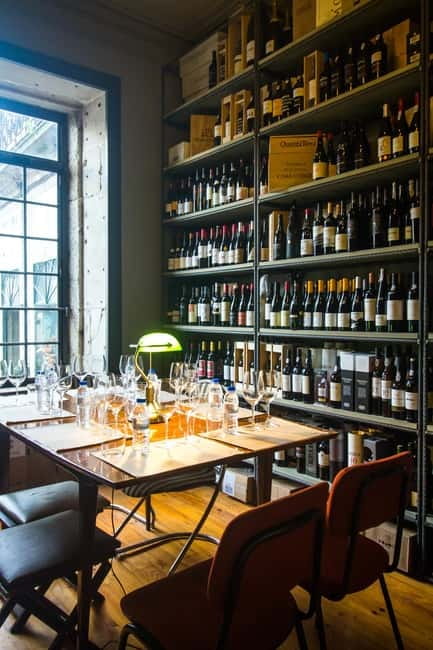
- The location also functions as a wine bar, bottle shop, book store, art gallery, and restaurant
A Private Reservation-Only Wine Bar, Shop, Bookstore, and Art Space
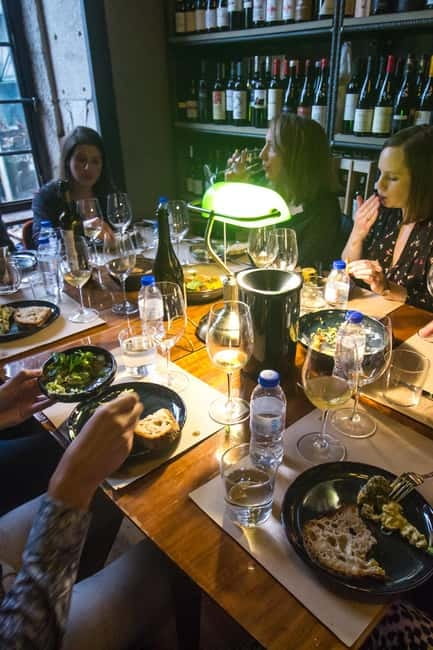
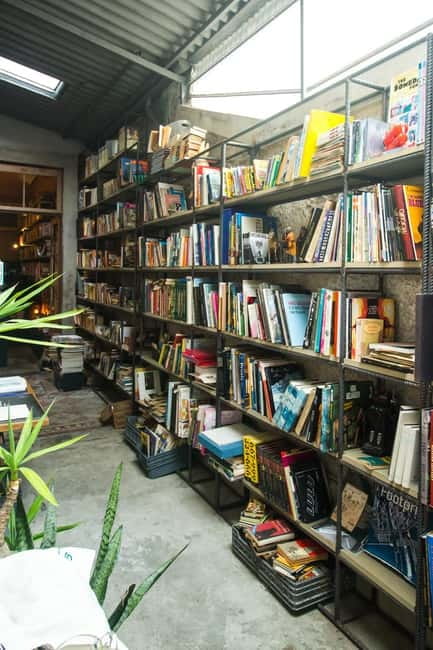
This tasting is hosted in an exclusive reservation-only setting in Porto, and that matters more than you might think. A venue like this does not feel like a rushed room where everyone is treated the same. Instead, it feels like a place locals might actually come to browse, read, and linger, then return for wine.
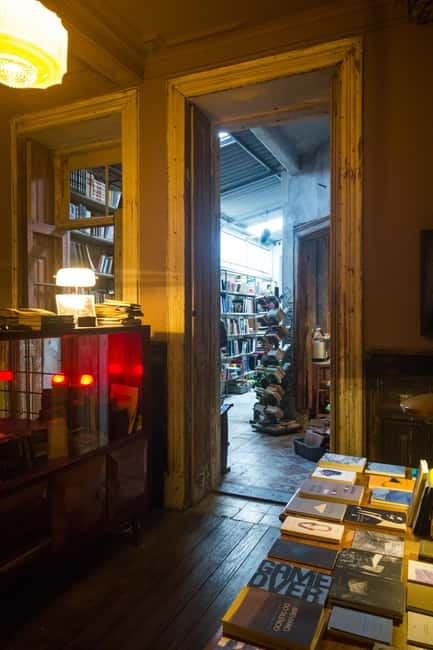
The tour includes a look around the space itself, not just the table where you sit. You get to see how the wine bar works alongside a bottle shop, book store, art gallery, and a restaurant. That mix gives you context. When wine is part of daily culture, the tasting often feels less like a lesson and more like a conversation.
I also like that you are not left wondering what you are supposed to do. The host guides you through the room and the tasting flow, so you can focus on the wine and the food pairing.
More quintas pouring further up the valley:
- From Porto: Douro Valley w/ Boat Tour, Wine Tasting & Lunch★ 4.7 · 19,061 reviews
- Complete Douro Valley Wine Tour with Lunch, Wine Tastings and River Cruise★ 5.0 · 12,920 reviews
- Porto: Douro Valley with Winery Lunch, Tastings & Cruise★ 4.7 · 7,002 reviews
- Porto: Live Fado Show with Glass of Port Wine★ 4.8 · 6,498 reviews
Meeting at Térmita and How the 1.5-Hour Session Flows
You start at Térmita, then head to Porto for the tasting. The whole experience runs about 1.5 hours, which is a good length for a guided tasting without turning into a night-long commitment.
Times are offered daily at 15:00, 18:00, and 20:00. That gives you flexibility based on your day, whether you are sightseeing earlier or finishing up near evening. If the time you want is not shown as available, you can contact the provider to check options.
Plan your arrival carefully. You meet by the red phone booth and you are asked to send a photo of your group. It sounds small, but it can save time once you are standing outside and need to connect quickly.
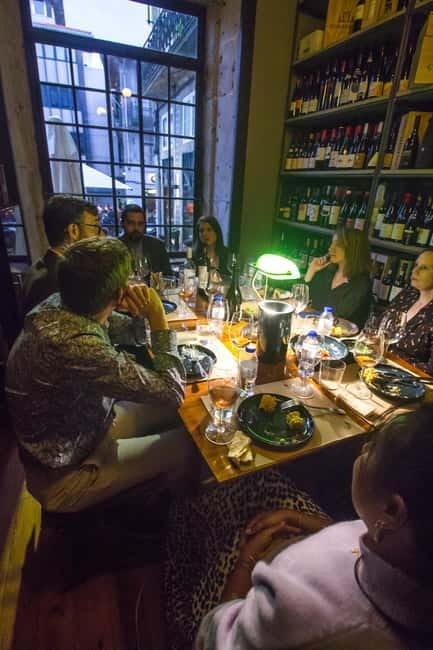
The group is limited to 10 participants, so it stays interactive. You can ask questions without shouting, and the host can adapt to what you seem most curious about.
Your Tasting Flight: 2 Whites, Rosé, and 2 Reds
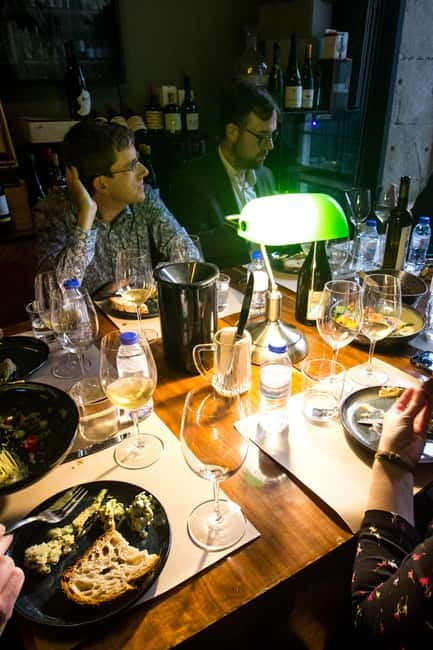
The tasting is built around 5 natural wines, and the selection is intentionally balanced across styles. You will taste two whites, a rosé, and two reds. That range helps you understand how different grapes and growing conditions shift the feel of the wine, not just the flavor.
The wines are described as natural, organic, and biodynamic, and the big point is that these are not random labels. They are hand picked, which usually means the host is trying to show you a pattern. You are not only drinking what tastes good right now, you are training your palate to recognize why it tastes that way.
Here is what that means for you as you taste:
- Start by noticing aroma first, because natural styles can express themselves in interesting ways before the first sip
- Pay attention to acidity in the whites and rosé, because it often signals altitude and growing conditions
- For the reds, focus on texture. Natural and biodynamic wines can feel different, even when you expect a certain grape profile
Because the flight includes multiple wine types, you will also have an easier time deciding what you personally enjoy. Some people think they only like reds, then they taste a white that totally changes their mind.
The Winemaker-Style Lesson: Regions, Altitude, Terroir, Grapes
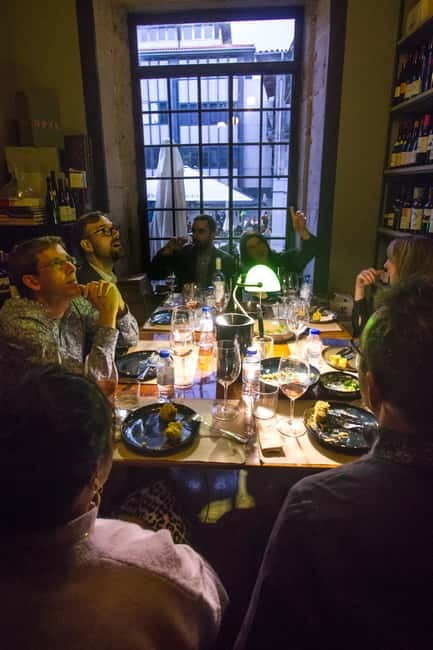
A big part of the value here is the guided explanation. You talk about four regions of wine production in Portugal and how geography, altitude, terroir, and grape species affect what you taste. The host frames it like taste education, so you come away with a mental map, not just a memory of flavors.
This is where the tasting becomes more than a “sip and smile” activity. When you learn that altitude can tighten acidity or that terroir influences soil-driven character, you start tasting with purpose. You stop guessing and start comparing what is happening in your glass.
The session also points you toward how to enjoy these styles, which is helpful if natural wine is new for you. In a past booking, the guide Luis was highlighted for being full of knowledge and teaching people how to enjoy the wine. That matters, because natural wine can be a little unfamiliar. If nobody explains what to look for, you can miss what makes the wines special.
You are not asked to be an expert. You are encouraged to pay attention, then ask questions. With a small group, those answers actually land.
Chef-Made Snacks That Keep You Balanced Between Sips
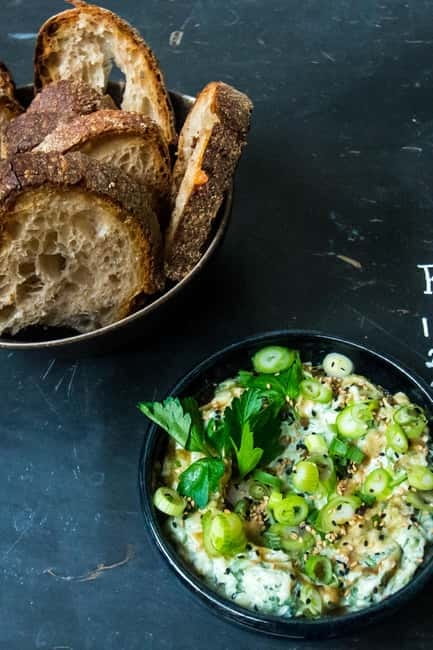
Wine tastings work best when your mouth is ready for the next pour. That is why the food here is not an afterthought. There is a chef preparing a tasting/snack designed to accompany the wine and balance your palate.
This is a key difference from tastings that shove you a random bite and hope for the best. The snack is meant to keep flavors from battling each other. When it works, it makes the next wine easier to understand, not harder to decode.
Do note that this is not a full meal. It is a tasting/snack, so you should still plan to eat afterward if you are used to dinner timing.
If the chef is not present, there will be an alternative option, a meat and cheese board. That gives you something substantial enough to reset your palate between pours.
More eating and drinking in Porto:
- Douro Valley Small-Group Tour with Wine Tasting, Lunch and Boat
★ 5.0 · 3,642 reviews - Porto: Cálem Cellar Tour, Fado Show & Wine Tasting
★ 4.4 · 3,530 reviews - Porto: Cockburn’s Port Lodge Tour and Tasting
★ 4.8 · 3,360 reviews - Porto: Douro Valley Tour with Wine Tasting, Cruise and Lunch
★ 4.7 · 2,714 reviews
How “Natural, Organic, Biodynamic” Shows Up on Your Tongue

The tasting is not trying to force a theory on you. Instead, it helps you connect those farming and winemaking labels to sensory cues you can recognize.
Natural and organic can mean different things in different contexts, but the common thread is that the wines are made with a cleaner, more deliberate approach than conventional mass production. Biodynamic often adds another layer of farming philosophy. In a guided tasting, the goal is simple: help you notice the result in aroma, texture, and flavor.
As you move through the flight, you might find yourself thinking in patterns. For example, you may notice how one wine feels lighter and zippier, while another feels broader or more earthy. The host’s talk about geography and grapes gives you a way to interpret those differences.
If you have only had natural wine through bottles you grabbed at a shop without context, this kind of structured tasting is a fast way to build your “taste language.”
Languages and Small-Group Comfort: What It Means for Your Experience
The tour guide can speak Portuguese, English, and Spanish. If you want the tour in another language, it costs 30 euros extra, so you should ask in advance.
Small group also changes the feel. Limited to 10 participants means you can hear the explanations without straining, and it is easier for the guide to check that you are following along. When you are tasting wines that rely on nuance, that clarity helps.
Also, because the location is a working wine bar and shop space, the staff and flow can be part of the experience. You are not trapped in a single room. You get a short walk-through that makes the venue feel like something you could return to.
Price and Value: What $81 Buys You in Porto
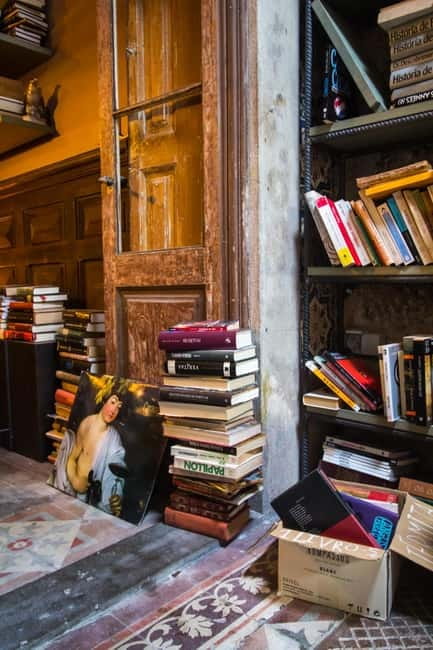
At $81 per person, you are paying for a guided tasting with multiple wines, plus food, plus access to a special reservation-only venue. This is not just a “pour of five wines.” The price also includes the regional education and the tour of the location itself.
You should compare this kind of experience to a basic wine tasting that might give you a smaller selection or skip the explanation. Here, the time is structured around teaching you how to taste natural, organic, and biodynamic wines through Portugal’s wine regions and factors like altitude and terroir.
A practical note: the price includes the tasting and the pairing snack, but it does not include any wine purchases. If you fall in love with a bottle, you will need to decide on-site and pay separately. That can be a good thing. It keeps the tasting focused, and you are not pressured to buy.
Also, you get flexibility in planning because there is free cancellation up to 24 hours in advance and a reserve now, pay later option is offered. That reduces risk if your Porto schedule is still in flux.
Who Should Book This Natural Wine Tasting
This experience is a strong fit if you want:
- A guided introduction to natural, organic, and biodynamic Portuguese wines
- A structured tasting flight with whites, rosé, and reds
- A small-group setting where you can ask questions
- Food pairing that is meant to balance the wines, not distract from them
It may be less ideal if you want a full dinner experience. Since the food is a tasting/snack, you will likely want a proper meal before or after.
It is also not suitable for children under 16. So if you are traveling as a family with younger kids, this one is probably not for you.
Quick practical tips before you taste
- Go with some curiosity, not pre-decided wine preferences. You might surprise yourself with what you like.
- If you are sensitive to strong flavors, take small sips early so you can gauge how the styles feel for you.
- Since you will learn about altitude and terroir concepts, pay attention during the explanations. Even if you do not remember every detail, your palate will.
Should You Book This Porto Wine Tasting?
I would book it if you want a guided, value-rich tasting that actually teaches you how to taste natural wine instead of just handing you a glass. The private reservation-only venue, the five-wine structure (2 whites, rosé, 2 reds), and the chef-timed snack pairing are a strong combo for the price.
Book it even more confidently if you are the type who enjoys understanding the why behind flavors. And if Luis’s style is like the highlight from a past booking, you can expect the kind of explanation that makes natural wine feel approachable.
If you want a long sit-down dinner, look for a meal-focused option instead. But for a focused 1.5 hours in Porto with real wine education and thoughtful food, this is an easy yes.
FAQ
What wines are included in the tasting?
You will taste 5 natural wines, including 2 whites, 1 rosé, and 2 reds. The wines are hand picked, and you also learn about how Portuguese wine regions and conditions affect the flavors.
How long is the experience?
The duration is about 1.5 hours.
Is it a private tasting?
Yes, it is a private reservation-only location.
What food is included?
There is a chef preparing a tasting/snack to accompany the wines. If the chef is not present, you will have an alternative meat and cheese board option. It is not a full meal.
How big is the group?
It is a small group, limited to 10 participants.
What languages are available for the tour?
The tour is available in Portuguese, English, and Spanish. Other languages can be arranged for an additional 30 euros.
Where do we meet?
You meet by the red phone booth, and you are asked to send a photo of your group.
Fresh off the Porto quays

Wine Tours, compared.
Douro Valley w/ Boat Tour, Wine Tasting & Lunch
Read our review →
Complete Douro Valley Wine Tour with Lunch, Wine Tastings and River Cruise
Read our review →
Douro Valley with Winery Lunch, Tastings & Cruise
Read our review →
Historical Sites, Wine Experience, Lunch & Cruise
Read our review →Authentic Small Group Douro Wine Tour with Lunch & River Cruise
Read our review →