Reviewed · WINE TOURS
Dogma Wine Tasting – Serious Introduction
Portuguese wine, taught like a real lesson. In 1.5 hours at Dogma Wine Bar in Portugal’s Norte Region, I like the way the sommelier builds a clear map of native grape styles, and I appreciate the Master of Port-minded perspective behind the pours. One consideration up front: this tasting is not suitable for pregnant women or children under 18.
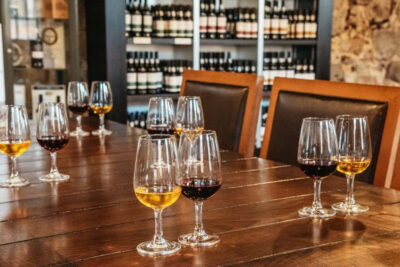
You’ll taste 6 wine samples (about 70 ml each), split into 3 whites and 3 reds, paired with bread, DOP olive oil, cheeses, and a sample of dry cured Iberico ham. It’s a boutique, small-producer approach, but the real value is how the lesson helps you understand what you’re tasting, not just what you’re drinking.
In This Review
- Key Points You Should Know Before You Go
- Meeting at Dogma Wine Bar, and why this starts well
- The 1.5-hour lesson plan, paced for learning
- 6 wines, 3 whites and 3 reds, built like a Portugal map
- Native grapes and styles: what you’ll actually learn
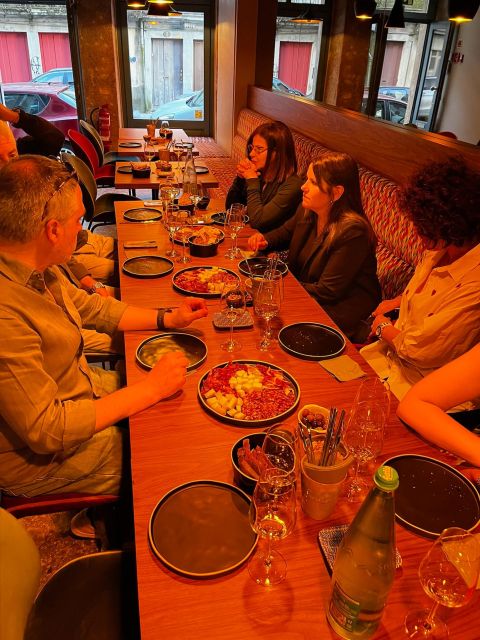
- Pairing bread, DOP olive oil, cheeses, and Iberico ham
- Boutique wines and why “quality oriented” is the point
- Where it fits in your trip (and who should book)
- Should you book Dogma Wine Tasting – Serious Introduction?
- FAQ
- Where does the Dogma wine tasting meet?
- How long is the tasting?
- What does the tasting cost?
- What’s included in the experience?
- What language is the instruction in?
- Is it suitable for children or pregnancy?
- Can I cancel, and can I reserve without paying today?
Key Points You Should Know Before You Go

- A native-grape DNA lesson in 90 minutes with a senior sommelier guide
- 3 white wines plus 3 red wines to compare Portugal’s styles side by side
- Sommelier selection and boutique producers focused on terroir and authenticity
- High-quality pairings including DOP olive oil, cheeses, and dry cured Iberico ham
- Relaxed wine bar atmosphere with thoughtful background music and easy conversation
- English instruction that keeps the lesson clear, not stuffy
Meeting at Dogma Wine Bar, and why this starts well
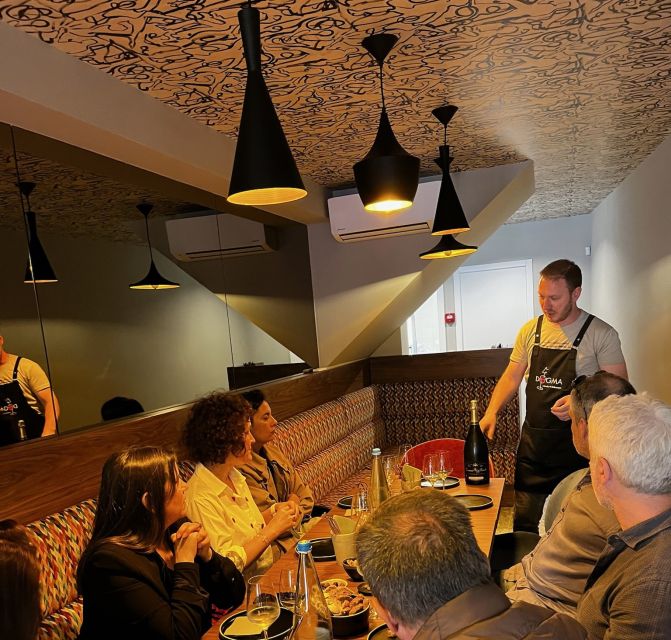
The experience starts at Dogma Wine Bar, and that matters more than you might think. A wine lesson works best when the setting feels comfortable and the host can guide the pace without rushing you through 15 things at once.
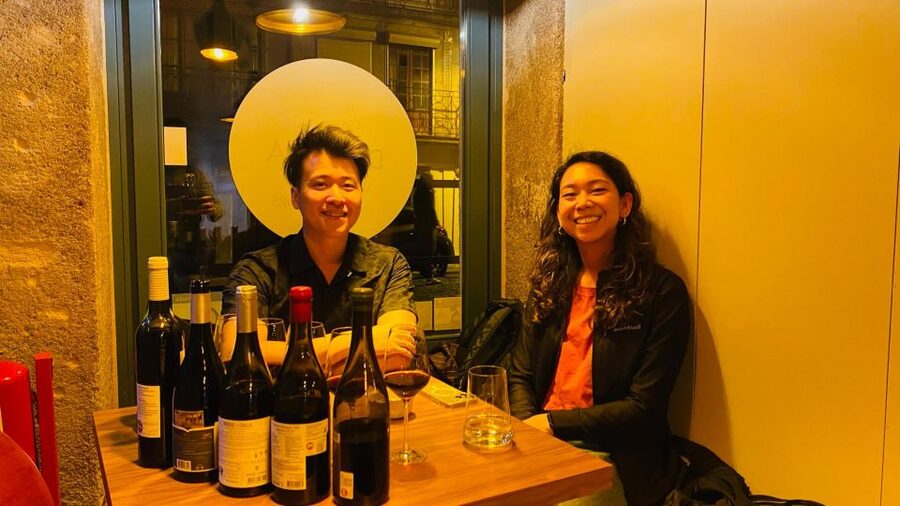
Dogma is set up for this kind of focused tasting. From the overall vibe people describe, it feels relaxed rather than formal, even though the guidance is serious. You can ask questions and actually use the answers, which is exactly what you want from a “serious introduction.”
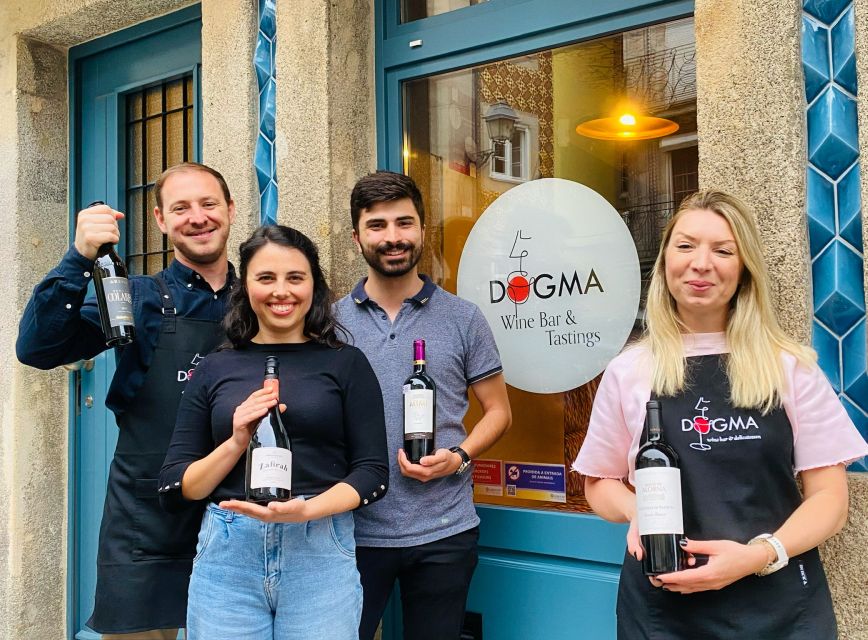
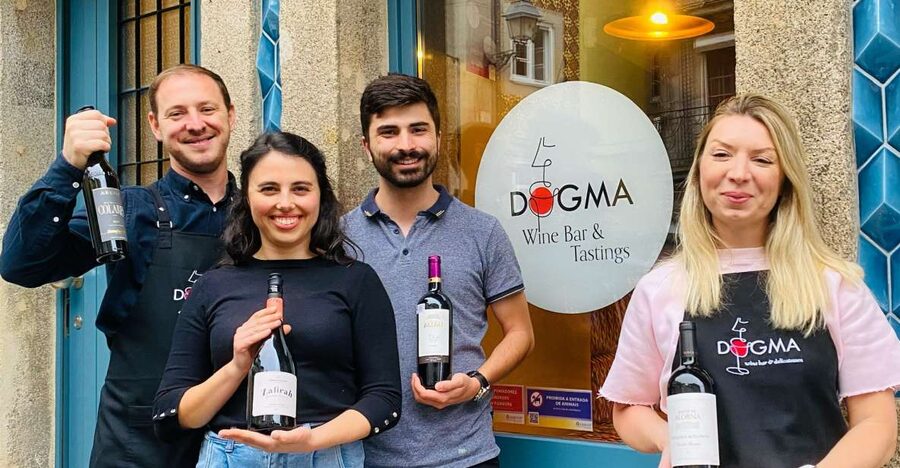
Also, the host lineup is strong. You may meet Vasilii (a senior sommelier with major national recognition) and the bar team can include hosts like Pierre, both of whom show a knack for turning wine talk into something you can remember on your next day of exploring.
More quintas pouring further up the valley:
- From Porto: Douro Valley w/ Boat Tour, Wine Tasting & Lunch★ 4.7 · 19,061 reviews
- Complete Douro Valley Wine Tour with Lunch, Wine Tastings and River Cruise★ 5.0 · 12,920 reviews
- Porto: Douro Valley with Winery Lunch, Tastings & Cruise★ 4.7 · 7,002 reviews
- Porto: Live Fado Show with Glass of Port Wine★ 4.8 · 6,498 reviews
The 1.5-hour lesson plan, paced for learning
This tasting is built as a structured lesson, not a casual pour-and-go. The guide’s goal is to explain the DNA of Portuguese wine in a way that sticks, using a short, logical flight of wines, then supporting food pairings to reinforce what you learned.
You should expect the host to cover:
- the key native grapes of Portugal
- how grape character changes by style and location
- how to taste with intent, meaning you notice fruit, texture, and balance instead of just guessing “good” or “not for me”
The timing is tight on purpose, which is great value at $93 per person. You get 6 samples and a real guided narrative in about 90 minutes, with water and food included to keep the tasting comfortable.
One practical tip: come curious, not pressed for time. A calm bar setting and a welcoming host can make the conversation run longer if your group is engaged, and it’s easy to stay in the discussion mode.
6 wines, 3 whites and 3 reds, built like a Portugal map
The flight is the backbone of the experience. You’ll taste 3 different white wines and 3 different red wines, designed to help you understand how Portugal’s native grapes express themselves across wine styles and regions.
Here’s what makes that format so useful:
- Whites show you freshness and structure. You learn how acidity, aromatics, and texture work in Portuguese whites, rather than treating them as one category.
- Reds show you depth and character. You get a second viewpoint on native grapes, this time with the balance of fruit, tannin, and aging potential.
Because you’re tasting multiple bottles in one sitting, you can compare faster than you could wandering through shops on your own. It also makes your next restaurant order easier, since you’ll recognize the patterns the host highlights.
One more detail worth noting: the tasting includes boutique selections, not generic mass-market labels. People talk about limited editions and small producers, and that aligns with the overall philosophy of focusing on wines strongly connected to terroir and native grapes.
Native grapes and styles: what you’ll actually learn
The lesson isn’t just “here are six wines.” The guide wants you to understand the logic behind Portugal’s grape lineup and how style changes depending on location and winemaking choices.
You can think of the tasting as a simplified map of Portuguese identity:
- Native grapes provide the flavor DNA
- Styles and locations explain why two wines with different profiles can still feel like they belong to the same country
In plain terms, you’ll start asking better questions while you taste:
- Is the wine’s character mostly about fruit, or is it more about texture and structure?
- Does the finish feel bright, dry, and crisp, or deeper and more grounding?
- How does the wine’s style change what you taste first?
This is where the host’s background helps. The guide is not just a “wine explainer,” the way some tastings feel. Vasilii, for example, is a twice honored sommelier of Portugal (2022 and 2023), ranked 3rd best of Portugal in 2024, and is a semi-finalist for the Master of Port title in 2025. That kind of specialty shows up in the way the tasting connects Portugal’s grapes to broader wine thinking, including the Port tradition even though your flight is focused on the native-grape story.
Pairing bread, DOP olive oil, cheeses, and Iberico ham
The food is not an afterthought here. You’ll get bread, DOP olive oil, cheeses, and a sample of dry cured Iberico ham, plus water for reset between pours.
Why this works:
- Bread and olive oil let you ground the palate. Oil can coat the tongue, making it easier to notice how a wine changes before and after.
- Cheese helps you understand salt, fat, and acidity pairing. It’s also a good “translation tool” for wine flavors.
- Dry cured Iberico ham adds smoke, salt, and savory depth. That contrast can make red wine structure and aromatics easier to recognize.
You’ll likely notice that the guide steers the tasting so you don’t just eat, you taste with purpose. It turns the snack into part of the lesson, not a break from it.
People also mention that the cheese platter is generous and the pairings feel carefully chosen. In a wine lesson like this, that kind of snack quality matters, because weak pairings can muddy the tasting instead of sharpening it.
More eating and drinking in Porto:
- Douro Valley Small-Group Tour with Wine Tasting, Lunch and Boat
★ 5.0 · 3,642 reviews - Porto: Cálem Cellar Tour, Fado Show & Wine Tasting
★ 4.4 · 3,530 reviews - Porto: Cockburn’s Port Lodge Tour and Tasting
★ 4.8 · 3,360 reviews - Porto: Douro Valley Tour with Wine Tasting, Cruise and Lunch
★ 4.7 · 2,714 reviews
Boutique wines and why “quality oriented” is the point
At $93 per person, you’re paying for two things at once:
- Six wine samples (about 70 ml each)
- A guided lesson led by a senior sommelier
That combination is what makes it feel like value, not just a pricey drink session. A lot of tastings include wines and maybe a small bite. This one adds enough structure that you leave with better tasting skills, plus snacks that actually keep the tasting comfortable.
The boutique focus also helps. The tasting centers on small producers tied to terroir, and the wines are presented as native-grape expressions rather than as “imported crowd-pleasers.” Some people even describe the wines as world-class and unique creations, and limited editions show up in the conversation.
Important reality check: because you’re paying for curated quality and expert guidance, this isn’t the bargain option for a casual evening. If you want a quick “tasting flight” with little instruction, you might prefer a simpler format. But if you want to understand Portugal’s wine DNA in one go, the price makes more sense.
Where it fits in your trip (and who should book)
This tasting fits best when:
- you’re planning more wine stops and want a foundation first
- you like learning how to taste, not just what to taste
- you want Portuguese native grapes explained clearly in English
- you enjoy a focused, high-quality experience in one place
Who it suits most:
- couples and small groups who want a guided lesson
- wine lovers who are already a bit curious and want a sharper framework
- people who want to buy fewer souvenirs, but remember more of what they learned
Who should skip or reconsider:
- anyone who needs family-friendly programming, since it’s not suitable for children under 18
- anyone who is pregnant, since it’s listed as not suitable for pregnant women
The bar setting is relaxed, so it doesn’t feel intimidating. At the same time, the host’s tone is serious, which is exactly what “serious introduction” should mean.
Should you book Dogma Wine Tasting – Serious Introduction?
Book it if you want a structured, native-grape lesson in Portugal’s Norte Region, with real sommelier guidance and included pairings that support what you’re tasting. For $93, the best argument is not the wine list on its own, it’s the way the tasting teaches you how Portuguese wines work.
Skip it if you want a casual, low-cost sampler with minimal explanation. This is a guided wine class where the quality and the teaching matter, and if that’s not your goal, you may feel like you’re paying for something you won’t use.
FAQ
Where does the Dogma wine tasting meet?
The meeting point is Dogma Wine Bar.
How long is the tasting?
The duration is 1.5 hours.
What does the tasting cost?
The price is $93 per person.
What’s included in the experience?
It includes water, bread and olive oil, 6 wine samples (about 70 ml each), high-quality cheeses, and a dry cured Iberico ham sample, plus senior sommelier guidance throughout.
What language is the instruction in?
The instructor provides the tasting in English.
Is it suitable for children or pregnancy?
No. It is not suitable for children under 18 or for pregnant women.
Can I cancel, and can I reserve without paying today?
You can cancel up to 24 hours in advance for a full refund. You can also reserve now & pay later, meaning you pay nothing today.
Fresh off the Porto quays




Wine Tours, compared.
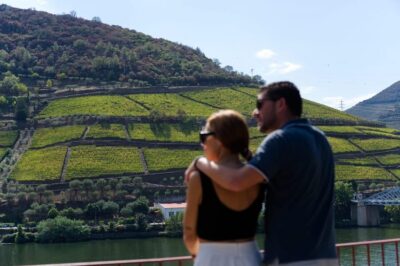
Douro Valley w/ Boat Tour, Wine Tasting & Lunch
Read our review →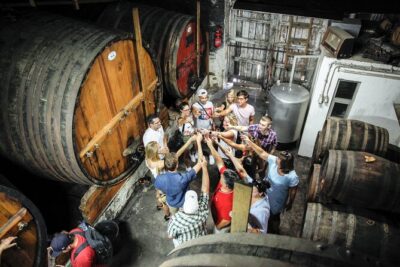
Complete Douro Valley Wine Tour with Lunch, Wine Tastings and River Cruise
Read our review →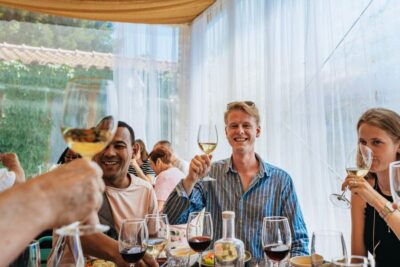
Douro Valley with Winery Lunch, Tastings & Cruise
Read our review →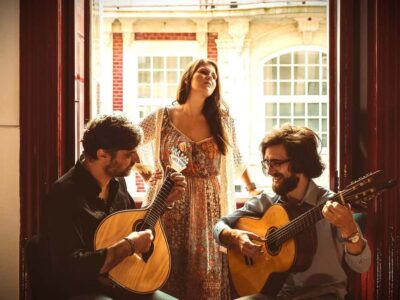

Historical Sites, Wine Experience, Lunch & Cruise
Read our review →Authentic Small Group Douro Wine Tour with Lunch & River Cruise
Read our review →