
Reviewed · SANTIAGO DE COMPOSTELA DAY TRIPS
Bicycle rental in Porto for the Santiago de Compostela Road
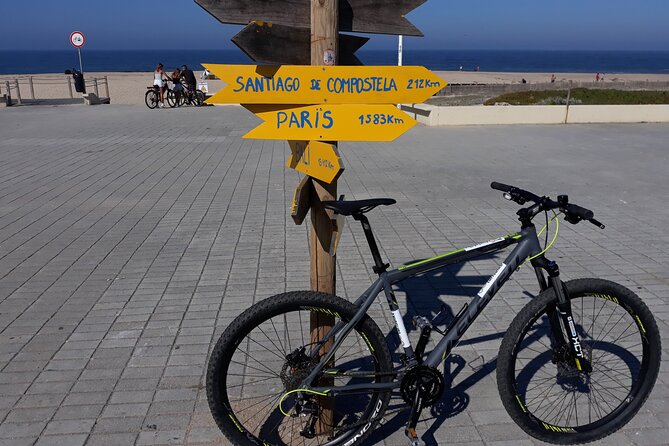
Two wheels and the Portuguese Way to Santiago. This is a Porto bicycle rental built for self-guided days of countryside and coast, and the included bike setup is the kind you can ride hard without fuss. I especially like the way the route delivers scenery people rave about, from the coastal feel out of Póvoa to the countryside and vineyards side of Portugal. And I like that the bike is properly equipped for comfort and control, with hydraulic disc brakes and a 2×9 Shimano Altus drivetrain.
One thing to watch: this is autonomy, not a fully supported tour. There is no backup vehicle or travel assistance included, and if you need help or a bike change, it can cost extra depending on where you are, plus there is a security deposit and equipment damage charges.
In This Review
- Key things that make this bike rental work
- Price and value for a 5-day Portuguese Way bike plan
- The bike setup: what you get, and why it matters on the Camino Portugues
- Autonomy is the real product here (and how to plan for it)
- Start options: Sé do Porto vs Póvoa de Varzim for the Camino Portugues
- Option one: departure at Sé do Porto
- Option two: departure at Póvoa de Varzim
- Riding days in the real world: pacing for about 35 to 40 miles
- What the scenery is likely to feel like on this route
- Packing smart with 2×20 L saddlebags (and the speed trade-off)
- The handoff, the return, and why timing matters in Santiago
- What happens if something goes wrong mid-ride
- Who this Porto bike rental suits best
- Should you book this bike rental for the Camino Portugues?
- FAQ
- Where can I start the bike rental for the Portuguese Santiago route?
- What type of bicycle do I get?
- Are helmets, locks, and carrying options included?
- Is there support or travel assistance during the trip?
- Do I need to pay a security deposit?
- Where do I return the bike at the end?
- What are the return hours in Santiago?
Key things that make this bike rental work
- 29-inch mountain bike with suspension and hydraulic discs, built for mixed road feel
- 2×20 L saddlebags, helmet, lock, and a repair kit so you can start riding immediately
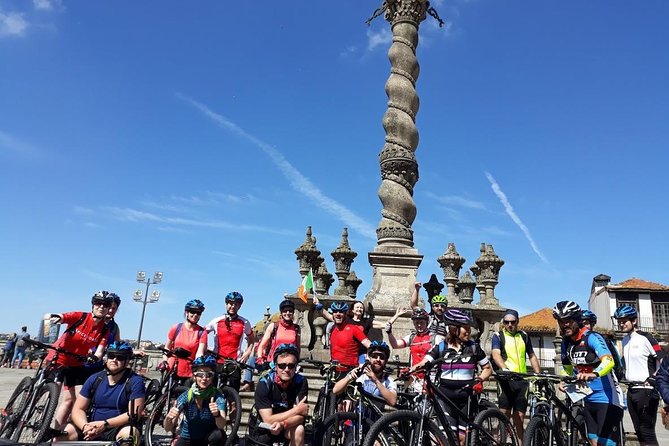
- Two start options linked to the Portuguese Santiago route, Sé do Porto or Póvoa de Varzim
- Real autonomy with no support included, so you need to be comfortable handling basic issues
- A pace you can manage, with one review calling out about 35 to 40 miles per day as doable
Price and value for a 5-day Portuguese Way bike plan
At $297.85 per person for about 5 days, you are paying for a clean, ready-to-ride package: the bike itself, the safety basics (helmet and lock), useful carrying capacity (2×20 L saddlebags), and the handoff process (delivery and collection at defined locations after purchase). For the Portuguese Way style of travel, that is often where the value lives, because good rental logistics mean less time figuring things out at the start.
You also get some budget breathing room if you travel in a small group, since the experience includes group discounts, and the service caps at a maximum of 10 travelers. Even if you are not traveling as a crowd, that limit can be a sign the provider keeps inventory manageable, which matters for bikes that actually fit your size.
The tradeoff is the “pay more if things go sideways” reality. This rental does not include support for damage on the way, and travel assistance is only available as an add-on with costs based on distance. So think of the price as solid for a smooth trip, and potentially higher if you need help mid-route.
More crossings to Santiago de Compostela:
- Santiago de Compostela Full-Day Tour From Porto★ 4.7 · 1,036 reviews
- Day Trip from Porto to Santiago de Compostela and Valença★ 5.0 · 883 reviews
- Porto: Santiago de Compostela and Valença do Minho Day Trip★ 4.5 · 181 reviews
- From Porto: Santiago de Compostela Full Day Tour★ 4.5 · 166 reviews
The bike setup: what you get, and why it matters on the Camino Portugues
This is a mountain bike with 29-inch wheels, front suspension, and hydraulic disc brakes. That combo is a big deal for long cycling days, because it helps you stay stable when the road quality changes, and it gives you confident stopping power even when you feel tired or the surface gets rough.
The drivetrain is Shimano Altus 2×9 speeds. Two chainrings give you practical gearing for both flatter stretches and steeper moments. With 9 rear speeds behind it, you should be able to find a comfortable cadence without spinning out or grinding.
The frame comes in sizes S/M/LB (depending on your fit needs). Getting the right size is the unglamorous secret to enjoying days in the saddle, so do not ignore sizing.
For carrying, the bike includes a baggage door with double fork mounts for 2×20 liters of saddlebags. That is enough for typical bike-camping-light needs: a couple of layers, toiletries, rain gear, a small first-aid item, and whatever you plan to carry for the route. If you pack light, the bags should still be handy without feeling like a heavy anchor.
You also get a repair kit, a helmet, and a padlock. That is exactly what you want in an autonomy setup, because it reduces the chance your trip turns into a stressful scavenger hunt for basic parts.
Autonomy is the real product here (and how to plan for it)
This is not a guided ride. The journey is carried out in autonomy, with no support service or travel assistance included. In practice, that means you are responsible for navigation, pacing, and handling minor problems yourself.
There is a path to help if you truly need it. You can ask for assistance or a bicycle change during the journey in case of failure, but there is an associated extra cost depending on distance. The cost is shown before the service happens, and you pay by credit card in advance. At the end, if equipment damage occurred, the charge goes directly to the responsible person or user.
You should also understand the damage rule: damage to the equipment must be paid at the time of collection, or you can see it charged at the end. Either way, treat the bike like it is yours from day one. That means checking tires, brakes, and the bag mounts before you start rolling, and avoiding risky “it’ll be fine” moments in rain or on sketchy edges.
A practical note: the maximum weight per bicycle including load is 120 kg. If you are a heavier rider and also carry a lot of gear, do the math early. Better to adjust packing now than to discover limits after you are already on the road.
Start options: Sé do Porto vs Póvoa de Varzim for the Camino Portugues
You have two ways to plug into the Portuguese Santiago route:
Option one: departure at Sé do Porto
This is the Porto departure starting point. Starting out of the city can be a nice way to get rolling early, with your first day often feeling like a warm-up as you clear the urban area and transition toward the more open riding. If you like the idea of seeing Porto first, then moving into the route, this option fits.
The catch with city-based starts is time management. You want the handoff to feel smooth, so you can leave at a reasonable hour rather than squeezing the start into your evening.
Porto on two wheels, a few more routes:
- 3-Hour Porto Highlights on a Electric Bike Guided Tour
★ 5.0 · 4,392 reviews - Porto: City Highlights 3-Hour Guided Electric Bike Tour
★ 4.8 · 3,092 reviews - Porto: City Highlights Guided Segway Tour
★ 4.9 · 515 reviews - Porto: 3-Hour Old Town & Riverside Bike Tour – Guided Experience
★ 5.0 · 481 reviews
Option two: departure at Póvoa de Varzim
The other start option is Póvoa de Varzim. One 5-star review specifically calls the Póvoa to Santiago section along the coast stunning. If you dream in sea air and coastal views, this is the option to prioritize.
Coastal routes also tend to change character quickly. You may feel wind on open stretches, and the road surface can vary. That is where suspension and disc brakes earn their keep. Plan for it by keeping your first day comfortable instead of trying to “prove a point” with an aggressive start.
Riding days in the real world: pacing for about 35 to 40 miles
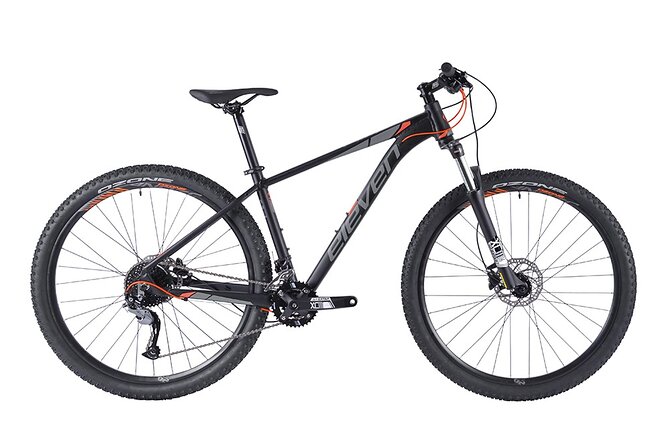
The rental is designed for a roughly 5-day window, but the real question is what daily mileage feels right for you. The bikes are positioned as capable enough for meaningful distances, and one review says the bike was good enough to ride about 35 to 40 miles per day.
That mileage range matters because it helps you avoid the two classic mistakes:
1) Going too hard too early and paying for it later with painful legs.
2) Going too easy and ending up rushed at the end.
With a 2×9 drivetrain and suspension up front, you should be able to handle a typical mix of gentle rolling and occasional steeper sections, as long as you keep your gearing sane and do not force big climbs in the wrong gear.
If you plan to ride 35 to 40 miles per day, aim for a rhythm that still leaves time for breaks and a slower pace in scenic areas. Your enjoyment will come less from speed and more from getting the day to feel steady.
What the scenery is likely to feel like on this route
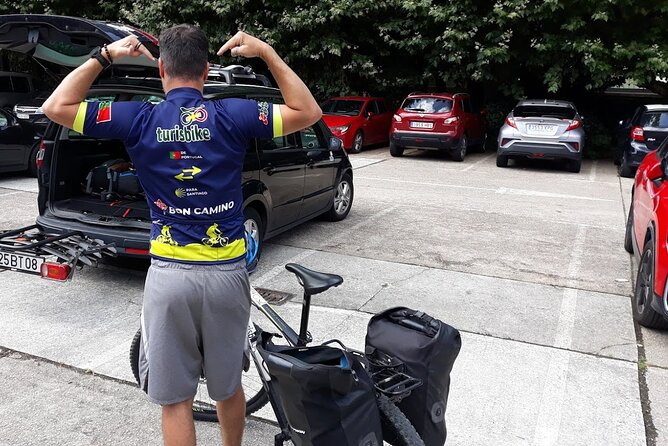
You are riding the Portuguese Way to Santiago, and the highlights show up in the reviews and route descriptions you were given.
From the coast side, expect the kind of long, airy stretches people remember. One review calls the Póvoa to Santiago coastal section stunning. That lines up with how cyclists often describe this part of Portugal: sea views, open horizons, and a rhythm that feels different from inland riding.
From the inland side, the other review points to countryside and vineyards. Even without naming every exact town, the overall picture is clear: you are not just commuting. You are cycling through regions that change texture. That is where the 29-inch wheels help, because they roll smoothly over uneven road feel compared to smaller wheel setups.
Packing smart with 2×20 L saddlebags (and the speed trade-off)
You get 2×20 L saddlebags, which is genuinely useful for a self-guided multi-day ride. You can store daily essentials on the bike instead of carrying everything on your back. Less back strain means more steady hours in the saddle.
Still, there is a speed trade-off, and you can see it in the review that mentions riding without panniers and feeling faster. You cannot just delete the included saddlebags, but you can choose how much you pack. If you keep loads light and pack efficiently, you get most of the convenience without feeling bogged down.
Here is what works well for bike packing on an autonomy route:
- Pack layers you can reuse across multiple stops
- Keep bulky items for the end of the trip if possible
- Bring rain gear, because coastal weather can be changeable
If you carry too much, the ride turns into heavy-footed work. If you carry smart, the trip stays fun.
The handoff, the return, and why timing matters in Santiago
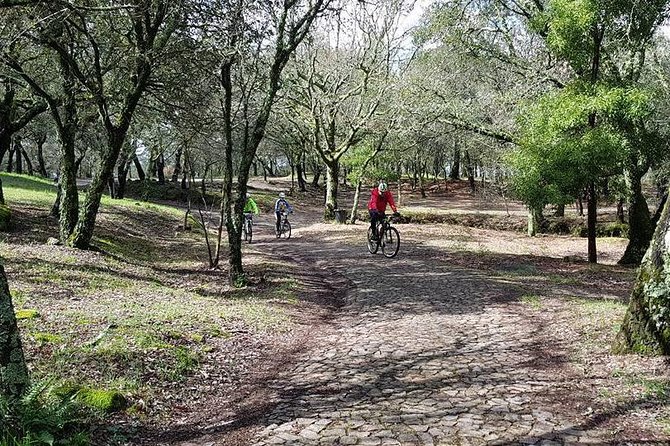
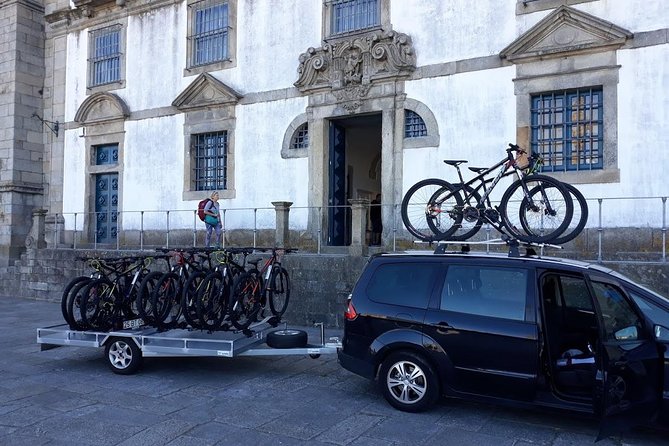
This service includes delivery and collection of bicycles at defined locations after purchase. That matters because it turns the rental from a random chore into something you can manage around your route.
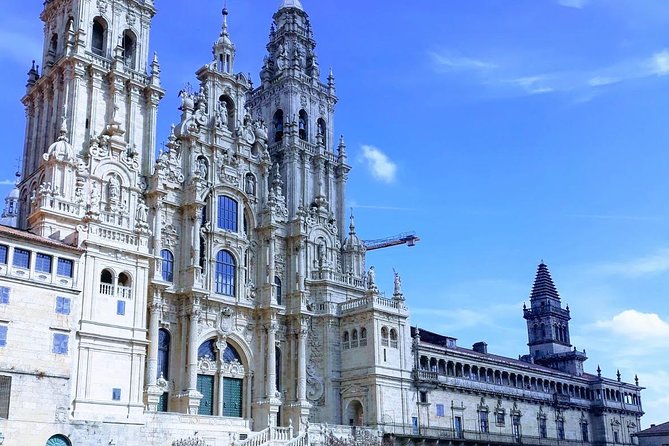
The return details do matter, though. When your trip ends in Santiago, you must return the equipment at Hostal Costa Azul, Rúa das Galeras, 18, 15705 Santiago de Compostela, A Coruña, Spain, between 16:00 and 19:00.
That time window is your key constraint on your final day. If you roll in late, you may have trouble meeting return rules. So on day 5, ride with a little breathing room. Treat the final day like you are finishing a race with a hard deadline.
What happens if something goes wrong mid-ride
This rental is built for self-reliance. If something breaks, the included repair kit helps for smaller fixes. There is no included support service for damage on the way, and you may need to resort to local workshops if repairs are beyond what you can handle.
You can request assistance or a bicycle change if needed, and costs depend on distance. The provider indicates the assistance cost before performing the service, and you pay by credit card in advance. Also, damage to equipment must be paid at collection time, and any end charges are made to the responsible person.
The best way to reduce “what if” moments is to do basic checks before leaving:
- Ensure tires feel right, brakes pull properly, and bags are secured
- Confirm your helmet fit and lock usage habits
- Keep your tools accessible instead of buried under clothes
Also note the reservation rule: this service must be rented in advance, at least 48 hours to 30 days, to ensure availability. If your plans are flexible, you still should book early enough to avoid inventory issues.
Who this Porto bike rental suits best
This is a strong match if you want:
- A self-guided Portuguese Way cycle without paying for constant staff support
- A bike with real stopping power and comfort features for long days
- A setup that includes helmet, lock, and saddlebags, so you can travel with less hassle
It is also a fit if you have moderate physical fitness. The product expects you to ride and manage your day.
It might be less ideal if:
- You want full travel assistance and guaranteed on-the-road help
- You are not comfortable handling basic mechanical issues
- You plan to carry heavy gear, pushing toward the 120 kg limit
Good news: the group size is small, with a maximum of 10 travelers, so the operation is unlikely to feel like a big chaotic factory line.
Should you book this bike rental for the Camino Portugues?
Book it if you want freedom, value in the equipment kit, and a bike that reviewers describe as good for real daily mileage. The standout praise here is practical: the riding is scenic, and the bike is the right tool for the job, with enough capability for about 35 to 40 miles per day. The Portuguese route experience also shines, especially on the coastal portion from Póvoa toward Santiago.
Do not book it if you need a fully supported guided tour or you cannot handle the autonomy side of things. If you are the kind of traveler who panics without a support vehicle, you may end up paying extra for assistance, or at least stressing more than you planned.
If you are comfortable planning your own ride, doing simple checks, and keeping an eye on your final-day return time in Santiago, this is an efficient way to experience the Portuguese Way by bike.
FAQ
Where can I start the bike rental for the Portuguese Santiago route?
You can depart from Sé do Porto or choose a departure option at Póvoa de Varzim.
What type of bicycle do I get?
You get a 29-inch mountain bike with front suspension and hydraulic disc brakes, Shimano Altus 2×9 speeds, and sizing in S/M/LB.
Are helmets, locks, and carrying options included?
Yes. Your kit includes a helmet, a padlock, a repair kit, and 2×20 L double saddlebags.
Is there support or travel assistance during the trip?
No support service or travel assistance is included. You can request assistance or a bicycle change during the journey for an extra cost based on distance.
Do I need to pay a security deposit?
Yes. A security deposit is required after order confirmation by credit card.
Where do I return the bike at the end?
When your trip ends in Santiago, you return the equipment at Hostal Costa Azul, Rúa das Galeras, 18, 15705 Santiago de Compostela, A Coruña, Spain.
What are the return hours in Santiago?
Return is required between 16:00 and 19:00 on your end date.
Other Days Out From Porto
- From Porto: Braga and Guimarães Full-Day Trip
★ 4.6 · 3,951 reviews - Best of Braga and Guimaraes Day Trip from Porto
★ 4.5 · 2,552 reviews - Aveiro and Costa Nova Half Day Tour from Porto with Boat Ride
★ 4.5 · 1,522 reviews - Porto: Douro Valley & Amarante Wine, Food & River Tour
★ 4.7 · 1,411 reviews
Fresh off the Porto quays





Santiago de Compostela Day Trips, compared.
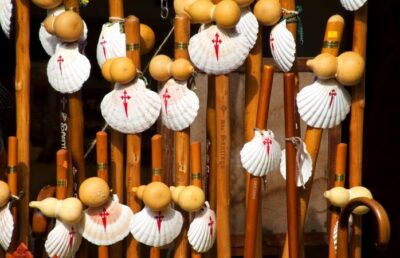
Santiago de Compostela Full-Day Tour From Porto
Read our review →
Day Trip from Porto to Santiago de Compostela and Valença
Read our review →
Santiago de Compostela and Valença do Minho Day Trip
Read our review →

Santiago de Compostela & Viana do Castelo from Porto
Read our review →
Santiago Compostela and Cathedral Day Trip from Porto
Read our review →
Porto to Santiago Compostela with Braga-Guimarães-Barcelos-Viana
Read our review →
Browse the lists this tour appears in