Reviewed · WINE TOURS
Best Wines of Portugal
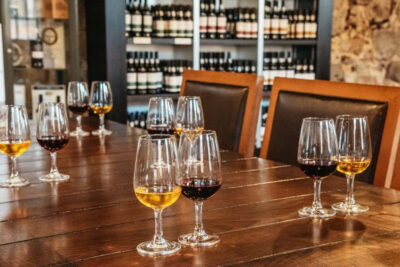
Portugal’s wine legends taste better in a small room. At Dogma Wine Bar in the Norte Region, this is a 2-hour tasting that walks you from south to north through indigenous grape styles, with the host guiding you like you are stepping through wine history the hard way, by tasting. I love the focus on native varieties and real craft from mostly small wineries, and I love that you get a balanced lineup of 3 white and 3 red wines, plus local bites that keep everything connected.
The one possible drawback is simple: it is not a full meal experience. Outside food and drinks are not allowed, and even though water, bread, olive oil, pesto, cheese samples, and dry cured ham are included, portions are still tasting-sized.
In This Review
- Key things to know before you go
- Where this tasting happens: Dogma Wine Bar in the Norte
- What you actually taste: 3 whites and 3 reds, in a story order
- Indigenous grapes and why small wineries change what you notice
- The food is part of the lesson: olive oil, pesto, cheese, ham
- The host’s style: stories tied to wine decisions
- Languages and pacing: a 2-hour flight that stays friendly
- Price and value: $294 for a premium, education-forward tasting
- Practical tips so you enjoy every pour
- Should you book Best Wines of Portugal at Dogma Wine Bar?
- FAQ
- How long is the wine tasting?
- Where do I meet for the experience?
- What wines are included?
- Is water and food included?
- Can I bring my own drinks or food?
- What languages does the live guide speak?
- Is it suitable for children or pregnant women?
- What is the cancellation and payment policy?
Key things to know before you go
- Dogma Wine Bar, intimate and relaxed: a calmer setting than the typical big-group tasting room.
- 6 wines in 2 hours: 3 whites and 3 reds with enough variety to learn something real.
- South-to-north tasting theme: the flight is designed to feel like a mini trip across Portugal.
- Indigenous grape focus: you are not just tasting brands, you are tasting place and tradition.
- Small-winery energy: mostly lesser-known makers, where care and experimentation show up in the glass.
- Pairing supports the lesson: olive oil, sundried tomato pesto, cheese, and dry cured ham help you understand what you like.
Where this tasting happens: Dogma Wine Bar in the Norte
The setting matters with wine. This experience starts at Dogma Wine Bar, and the vibe is specifically described as intimate and relaxing. That is good news if you want to ask questions, take your time between pours, and actually pay attention to what is happening in the glass.
Because the tasting runs for 2 hours, you get a concentrated session without feeling rushed across a whole afternoon. You also get a guide who is set up to talk, not just recite labels. The host, Vasile, brings the story to life by tying each wine to soil, grapes, and technology. That trio is the difference between a nice sip and a tasting you can remember later.
A small note on expectations: this is located in Portugal’s Norte Region, but the theme is a broader country walk from south to north. So even though you are physically in one place, the tasting is designed to broaden your mental map.
More quintas pouring further up the valley:
- From Porto: Douro Valley w/ Boat Tour, Wine Tasting & Lunch★ 4.7 · 19,061 reviews
- Complete Douro Valley Wine Tour with Lunch, Wine Tastings and River Cruise★ 5.0 · 12,920 reviews
- Porto: Douro Valley with Winery Lunch, Tastings & Cruise★ 4.7 · 7,002 reviews
- Porto: Live Fado Show with Glass of Port Wine★ 4.8 · 6,498 reviews
What you actually taste: 3 whites and 3 reds, in a story order
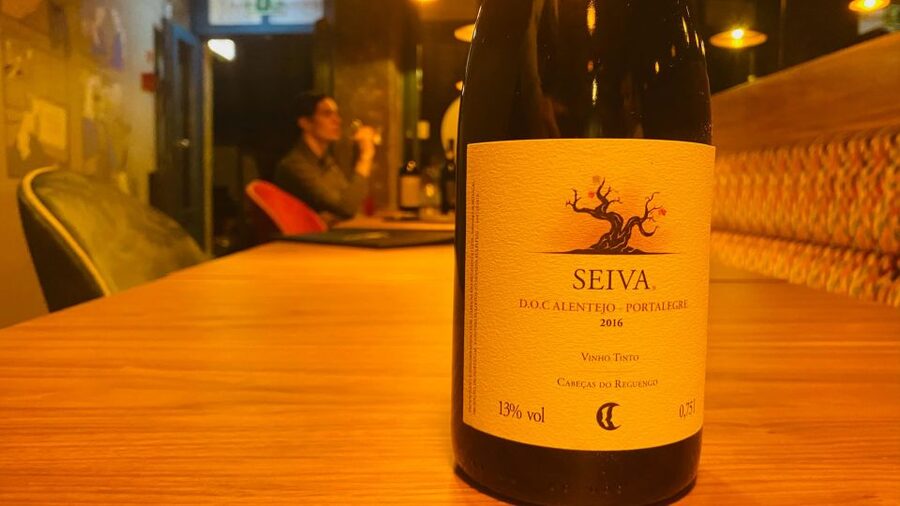
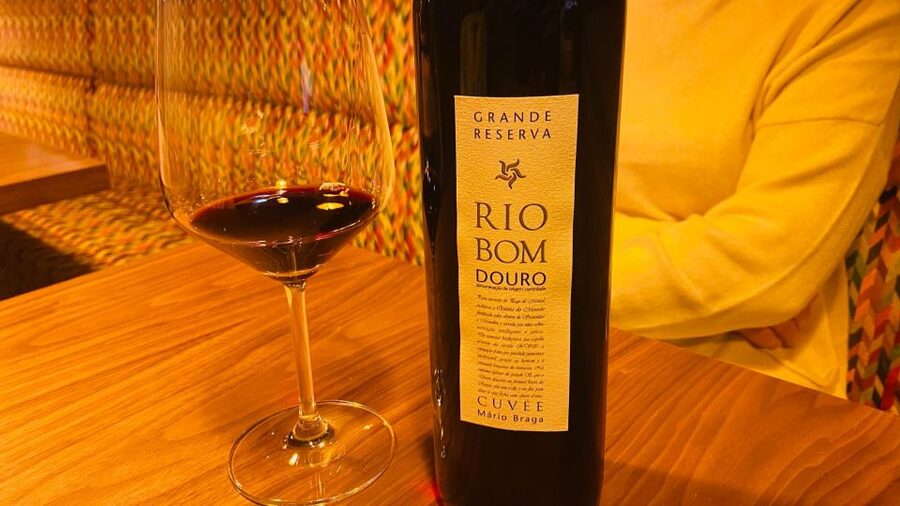
The heart of the experience is the flight: 3 white wines and 3 red wines. The goal is not just variety for variety’s sake. The tasting is structured to feel like a guided “travel” across Portugal, moving from south to north.
Here is what that means for you as you drink:
- Whites first help reset your palate. You can notice aroma, acidity, and how the wine feels on the tongue before the richer reds show up.
- Reds then let the guide shift the lesson toward depth and structure, where indigenous character and aging choices become more obvious.
- The flight order matters because it trains your palate to recognize differences, instead of tasting six wines as six unrelated sips.
The host also frames the session as exploring one of Portugal’s highlighted wine stories over roughly the last 40 years. The fact that the guide is listed with 1st Master of Port Portugal is a strong clue that Portugal’s fortified and storied wine culture is part of the narrative. Even if you are not chasing port specifically, you will still learn how Portuguese winemaking traditions evolved and why certain styles became so prominent.
If you like wine but you do not want a textbook, this is a solid middle path. You get guided comparisons without drowning in jargon.
Indigenous grapes and why small wineries change what you notice
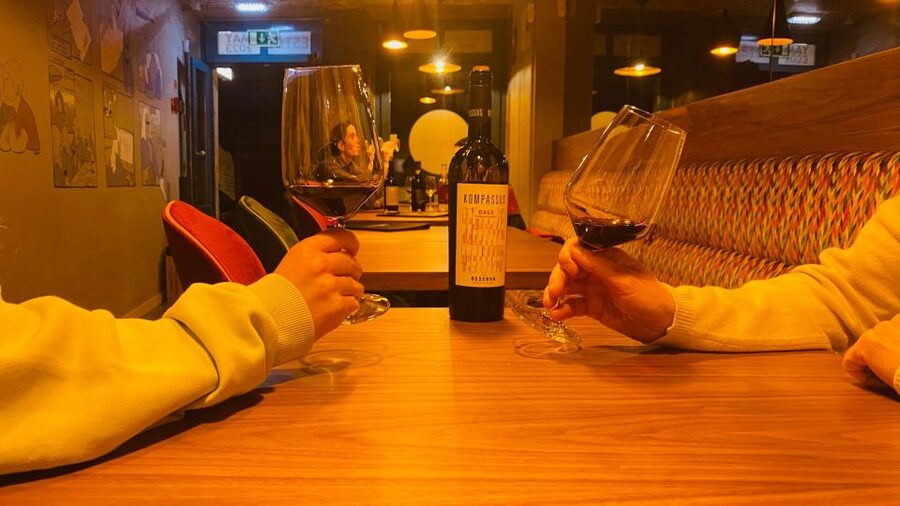
This is billed as a chance to connect with Portuguese legends made with indigenous varieties. That phrase can sound marketing-y, but in practice it usually means you are tasting grapes that do not show up everywhere, and you are seeing how local decisions shape the glass.
This tasting also leans “mostly small wineries.” That part is worth your attention. Big production can still be good, but small makers often show:
- more variation from vintage to vintage
- more visible labor in how the wine is shaped and aged
- a clearer link between the vineyard choice and the finished wine
And you will likely notice it in the way the wines are described in the experience: the review feedback highlights wines being aged carefully and tasting like something built, not assembled. When wine is handled with patience, the flavors do not just hit your palate, they linger.
You are also getting a guide who connects the dots. Vasile’s emphasis on soil, grapes, and technology helps you understand why the wine tastes the way it does, even if you are not yet an advanced taster.
The food is part of the lesson: olive oil, pesto, cheese, ham
Wine tastings can go two ways: either the food is an afterthought, or it is there to make you taste better. Here, the included bites are clearly tied to what you are drinking.
You get water, bread, olive oil (DOP), sundried tomato pesto, cheese samples, and dry cured ham. That is a practical lineup because it covers multiple flavor types:
- Bread plus olive oil gives you a neutral base and a familiar Mediterranean benchmark.
- Sundried tomato pesto adds salty, tangy, herby notes that help reds show their structure.
- Cheese helps you taste texture and fat alongside acidity.
- Dry cured ham brings salt and savoriness, which can highlight fruit and balance in the wines.
The goal is that you leave with more than impressions like good or not good. You leave with a clearer sense of what pairing styles make you happier. If you enjoy both wine and food, you will probably feel satisfied, even though it is still a tasting session, not a restaurant dinner.
One consideration: if you expected to bring your own drinks or snack around the tasting, you cannot. Outside drinks and food are not allowed. The good part is that you are not empty-handed here, because water and the food set are included.
The host’s style: stories tied to wine decisions
A great tasting guide does two things: they make the wine easier to understand, and they keep it interesting. This experience is led by a host who presents impressive credentials, including being listed as:
- twice honored Sommelier of Portugal (2022 and 2023)
- 3rd best in 2024
- 1st Master of Port Portugal
That credential list matters less than what Vasile actually does during the tasting. The way he guides is described as story-driven, with specific attention to soil, grapes, and technology. That is helpful because it focuses on decisions that actually affect taste, not just awards or brand trivia.
The practical value for you is that you can use those same mental tools next time you order wine:
- Think about where the grapes come from (soil and site)
- Think about what the grape variety is doing (grapes)
- Think about what the producer chose to do (technology, aging choices)
If you already know wine, you will likely appreciate the structure. If you are new, you will still get enough explanation to build confidence fast.
Elsewhere in Porto, worth a look before you book:
- The Unvanquished Tour in Porto City Center
★ 5.0 · 26,497 reviews - Porto: 6 Bridges Douro River Cruise
★ 4.3 · 6,472 reviews - Porto: Spiritus Multimedia Show Entry Ticket
★ 4.5 · 6,403 reviews - Porto: Torre dos Clerigos Entrance Ticket
★ 4.6 · 6,395 reviews
Languages and pacing: a 2-hour flight that stays friendly
The tasting runs for 2 hours from the first activation. That is a good length because it keeps momentum while still leaving room to talk.
You can join in several languages: English, French, Portuguese, Russian, Romanian, and Spanish. This matters more than it sounds. Wine vocabulary can be tricky, and it is easier to learn when you can express your questions and preferences clearly.
The experience is also built for an English-speaking crowd and others, because the guide can explain the wine story in your language. If you worry about feeling lost during tastings, this multilingual setup is a real advantage.
Price and value: $294 for a premium, education-forward tasting
Let us talk money, because $294 per person is not a casual purchase. The value comes from what you get inside that price, not just from the number on the ticket.
Here is what you are paying for:
- A curated lineup of 6 wines (3 white, 3 red)
- Food pairings and practical tasting supports: water, bread, DOP olive oil, sundried tomato pesto, cheese samples, dry cured ham
- A host who ties each wine to soil, grapes, and technology
- The overall “south to north” thematic structure, so the tasting feels like learning, not random selection
- A setting that is described as intimate and relaxing, which often means more attention per person
If you compare this to buying bottles at retail, the tasting can still make sense because you are not just tasting, you are calibrating your palate and learning what your own preferences are. If you plan to buy Portuguese wine later, that knowledge can save you money by steering you away from bottles that sound good but do not fit your taste.
Who gets the best value? People who like thoughtful guidance, want indigenous grape exposure, and enjoy food pairing. If you only want the cheapest way to drink wine, this is probably not the fit.
Practical tips so you enjoy every pour
A few simple moves will help you get the most from the flight:
- Go in curious, not competitive. This is about learning the differences, not winning a quiz.
- Pace yourself between wines. With 6 tastings in 2 hours, you will want to taste slowly enough to notice acidity, texture, and finish.
- Use the included food intentionally. Bread and olive oil can reset, and ham or cheese can help you compare how the next wine “lands.”
- Ask one or two focused questions. Since the guide talks about soil, grapes, and technology, questions around those topics usually unlock the best answers.
- Plan around it. Since you are tasting wine and the experience includes food pairings, it is smart to treat it as the main event rather than something you tack on casually.
Also, it is not suitable for children under 18, and it is not suitable for pregnant women. If those apply, skip this one and look for options that explicitly accommodate you.
Should you book Best Wines of Portugal at Dogma Wine Bar?
I think you should book this if you want a guided wine lesson that stays human-sized. You get a focused flight of 3 whites and 3 reds, a clear indigenous grape emphasis, and pairing bites that make the wines easier to understand.
You should think twice if you want a big, casual social gathering where you can bring your own drinks or snack. This is structured, and outside food and drinks are not allowed. Also, the price is premium, so you will get the best payoff if you actually care about learning what you like and why.
If you like small wineries, native grape character, and the kind of guiding that connects soil and winemaking choices to what you taste, this is one of the more rewarding ways to experience Portugal’s wine culture in a short time.
FAQ
How long is the wine tasting?
It lasts 2 hours, valid from the first activation time.
Where do I meet for the experience?
You meet at Dogma Wine Bar.
What wines are included?
The tasting includes 3 white wine samples and 3 red wine samples.
Is water and food included?
Yes. You get water, bread, olive oil (DOP), sundried tomato pesto, cheese samples, and dry cured ham.
Can I bring my own drinks or food?
No. Drinks and food are not allowed.
What languages does the live guide speak?
The live tour guide offers English, French, Portuguese, Russian, Romanian, and Spanish.
Is it suitable for children or pregnant women?
No. It is not suitable for children under 18 years or pregnant women.
What is the cancellation and payment policy?
You can reserve now and pay later. Free cancellation is available up to 24 hours in advance for a full refund.
Fresh off the Porto quays

Wine Tours, compared.
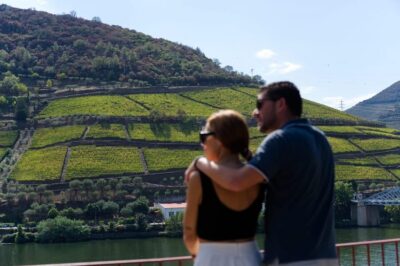
Douro Valley w/ Boat Tour, Wine Tasting & Lunch
Read our review →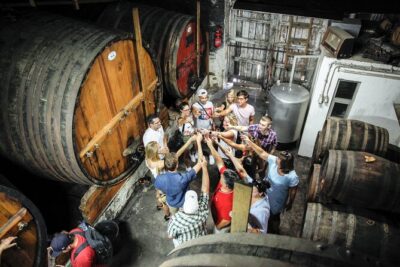
Complete Douro Valley Wine Tour with Lunch, Wine Tastings and River Cruise
Read our review →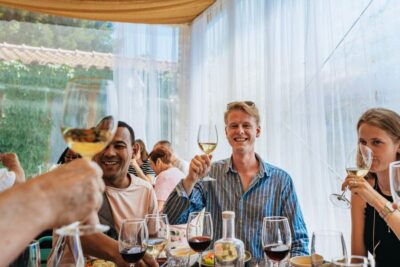
Douro Valley with Winery Lunch, Tastings & Cruise
Read our review →

Historical Sites, Wine Experience, Lunch & Cruise
Read our review →Authentic Small Group Douro Wine Tour with Lunch & River Cruise
Read our review →